Few driving habits spark as much debate as putting your foot down. Some drivers swear that hard acceleration wears a car out before its time; others point out that modern engines and gearboxes are built to be driven. The truth sits in the middle: an occasional brisk pull-away on a healthy, well-maintained car is rarely a problem, but habitual rapid acceleration does add up, putting extra stress on the engine, transmission, tyres and brakes while quietly draining your fuel tank. Here is what actually happens, and how to enjoy your car’s performance without paying for it later.
What does rapid acceleration mean?
Rapid acceleration means opening the throttle hard enough to reach a given speed in close to the shortest time the car will manage — a full-throttle pull-away from the lights, or burying the pedal to join a dual carriageway. The US Department of Energy files it alongside speeding and hard braking under one heading: aggressive driving.
It is a habit rather than a single event, and in everyday driving it usually looks like this:
- Pulling away at or near full throttle instead of feeding the power in.
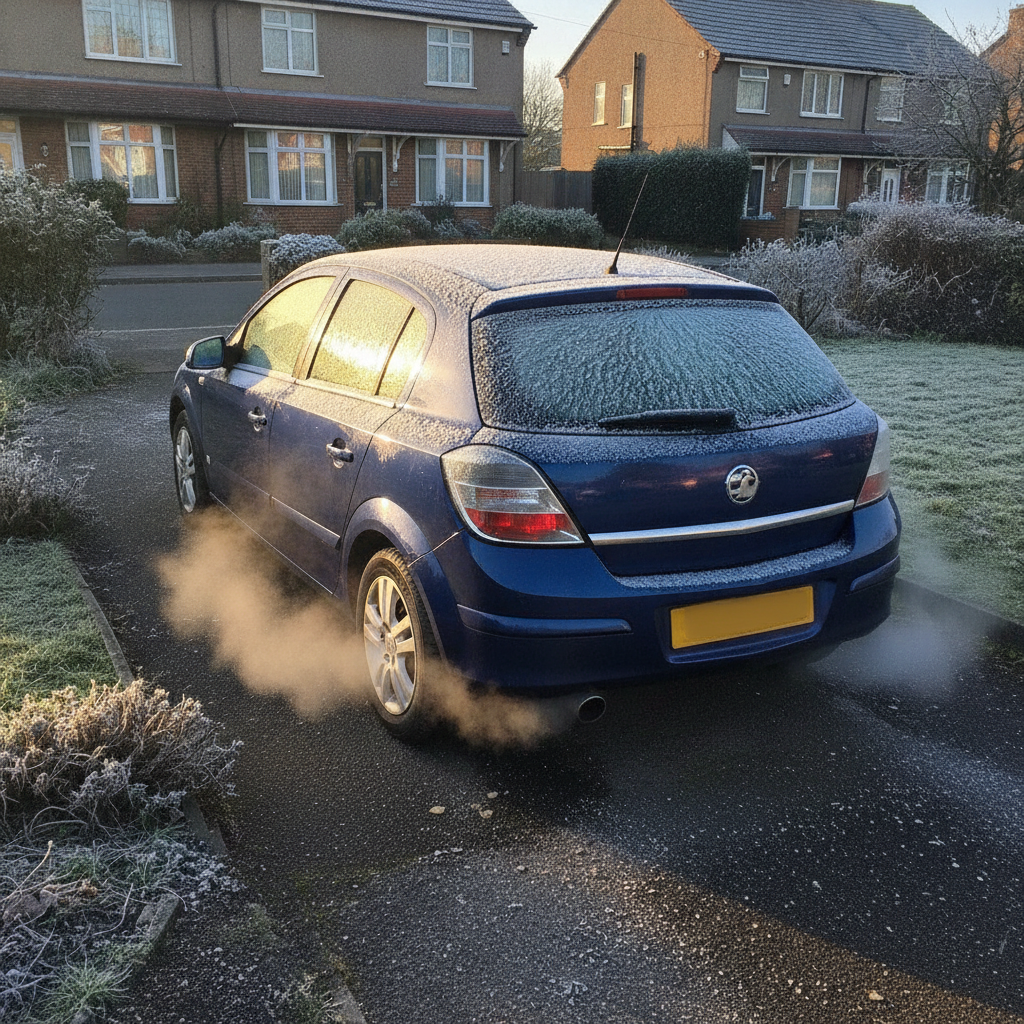
- Accelerating hard before the engine has reached operating temperature.
- Closing the gap to the car in front, then braking away the speed you just built.
Why it matters: rapid acceleration rarely travels alone. It is the first half of an accelerate-and-brake cycle, so the fuel you burn building speed is thrown away again as heat in the brakes. What that cycle costs you mechanically, and at the pump, is what the rest of this guide covers.
The short answer
Rapid acceleration will not instantly break a car that is in good condition, because manufacturers design components with safety margins. What it does is accelerate normal wear. The harder and more often you accelerate, the sooner parts like the clutch, transmission fluid, tyres and brakes reach the end of their service life — and the more fuel you burn getting there.
How hard acceleration stresses the engine and drivetrain
Acceleration is a chain of mechanical forces, and several components take the strain when you demand sudden power:
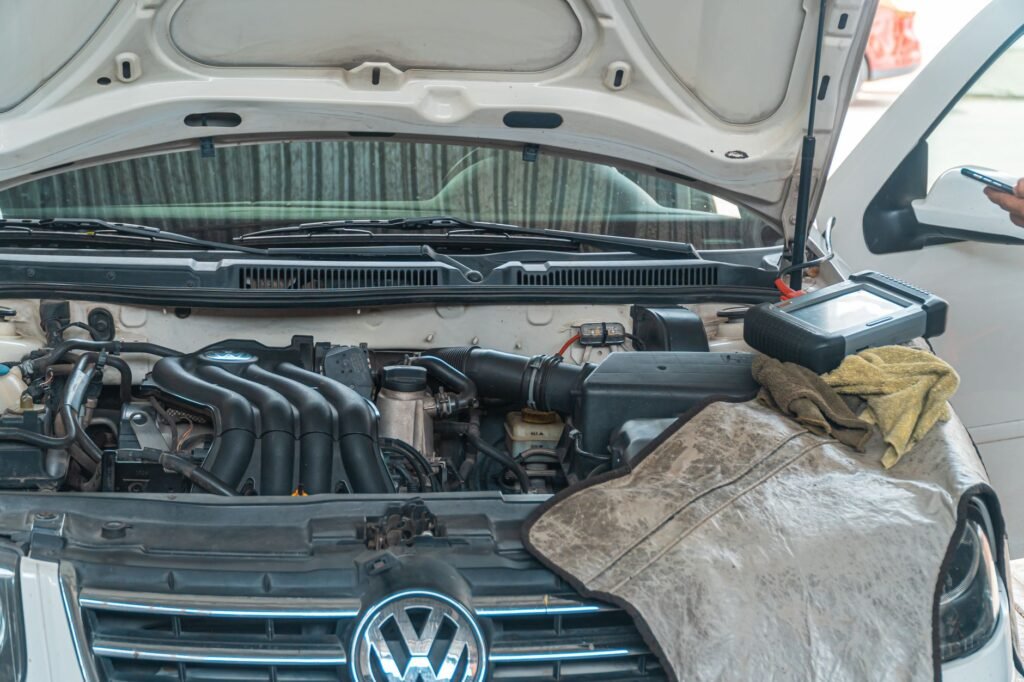
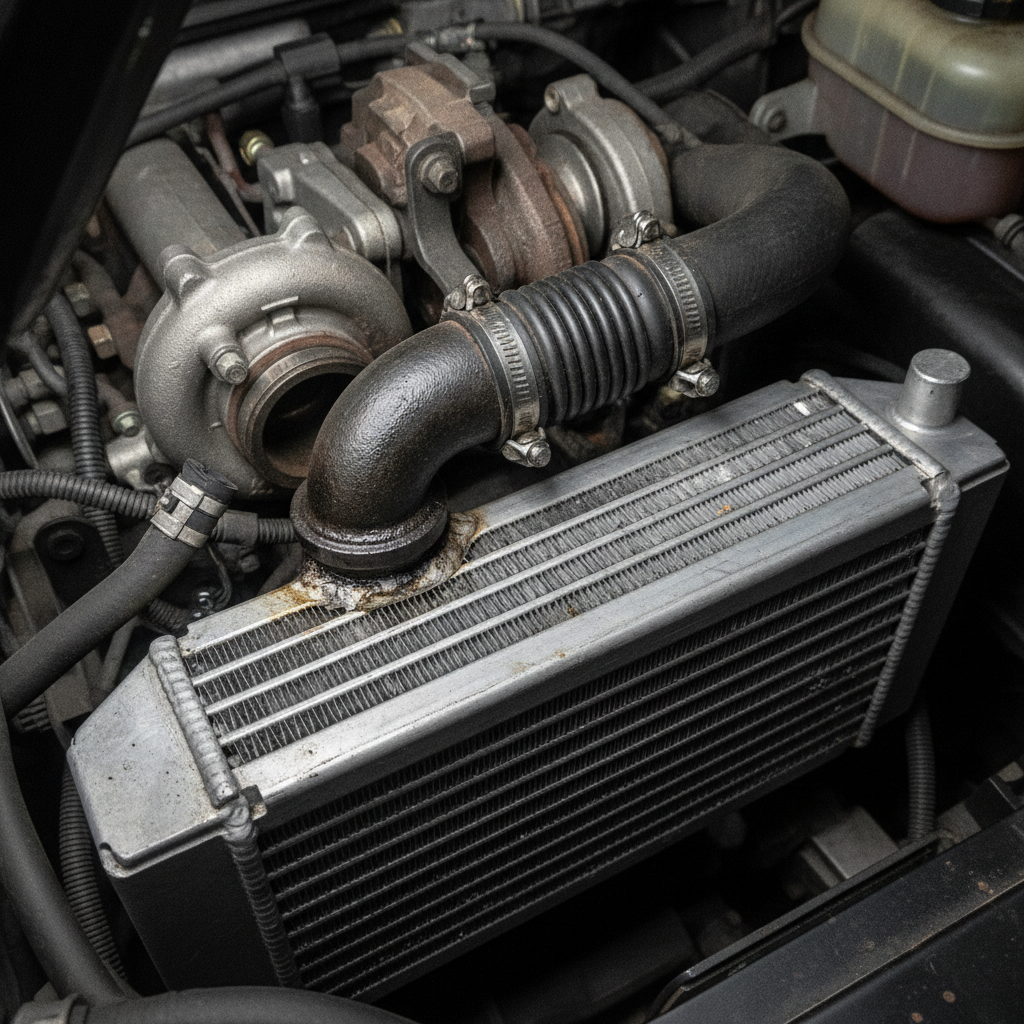
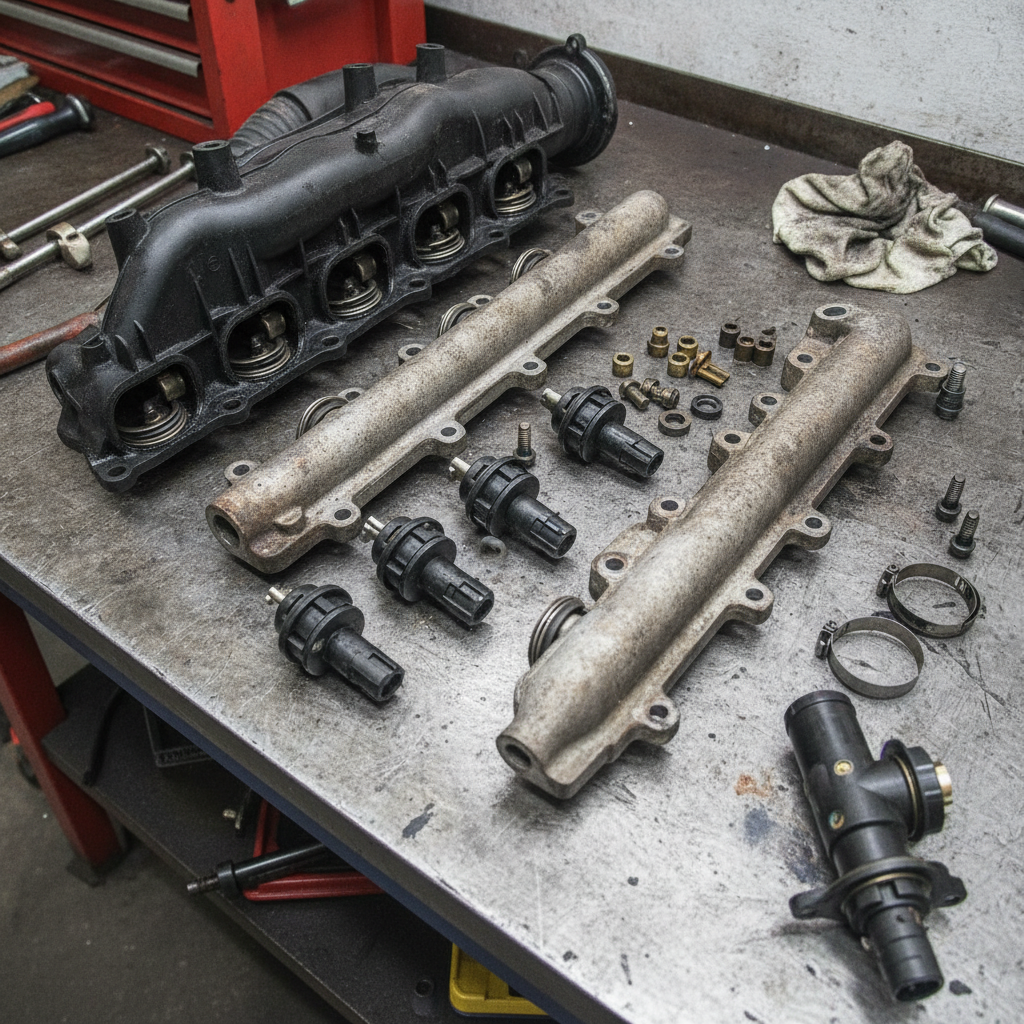
- Engine: Flooring the throttle forces the engine to work much harder, raising combustion pressures and temperatures and increasing wear on pistons, valves and bearings — especially when it is done before the engine has warmed up.
- Transmission: Sudden, jarring shifts under hard acceleration stress clutches, bands and gears, and the spikes in heat break down transmission fluid over time, reducing the lubrication those parts rely on.
- Drivetrain: The driveshaft, differential and axles all see higher torque loads during aggressive acceleration, which speeds up wear across the system.
Tyres and brakes pay a price too
Hard acceleration is rarely an isolated habit — it usually comes paired with hard braking, and both ends of that cycle cost you:
- Tyres: Sudden bursts of power spin extra rubber off your driven wheels, leading to faster and often uneven tyre wear.
- Brakes: Accelerating hard means braking hard, and repeated heavy braking overheats pads and discs. Overheated pads can glaze — becoming too smooth to grip properly — which shortens their life and lengthens stopping distances.
The hidden fuel cost
The clearest, most measurable downside is fuel. According to the US Department of Energy, aggressive driving — rapid acceleration and hard braking — can lower fuel economy by roughly 15–30% at motorway speeds and 10–40% in stop-and-go traffic. Smoothing out your inputs is one of the cheapest ways to claw back miles per gallon, and it is something we look at closely when we discuss remapping and fuel efficiency.
Are modern cars built to handle it?
Largely, yes. Today’s engines, gearboxes and braking systems are engineered with tolerances that absorb occasional spirited driving without complaint, particularly when the car is serviced on schedule with the right oil and fluids. The risk rises when hard acceleration becomes the default, when the car is driven hard from cold, or when maintenance is neglected — that is when accelerated wear turns into real-world faults. The same logic applies to performance upgrades: see our honest look at the side effects of ECU remapping and at long-term reliability after a remap.
How a remap changes the picture
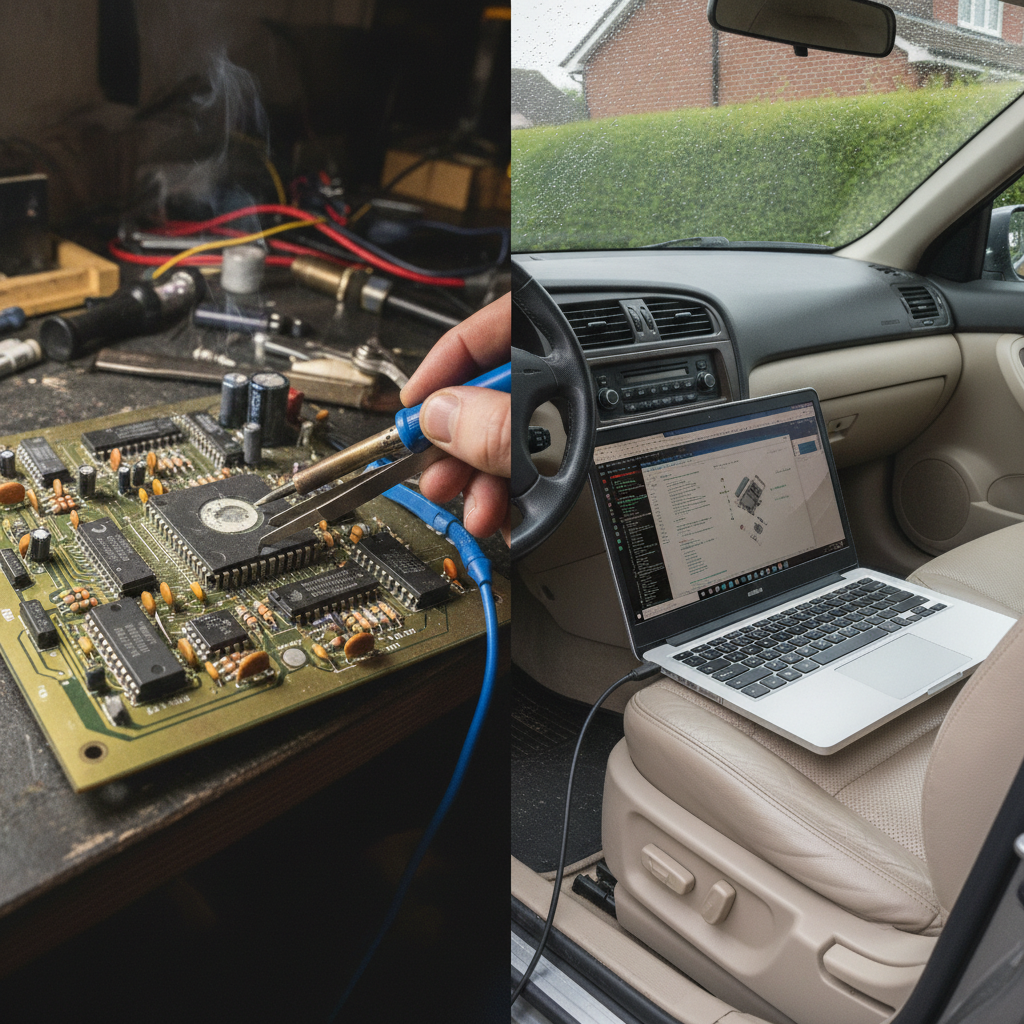
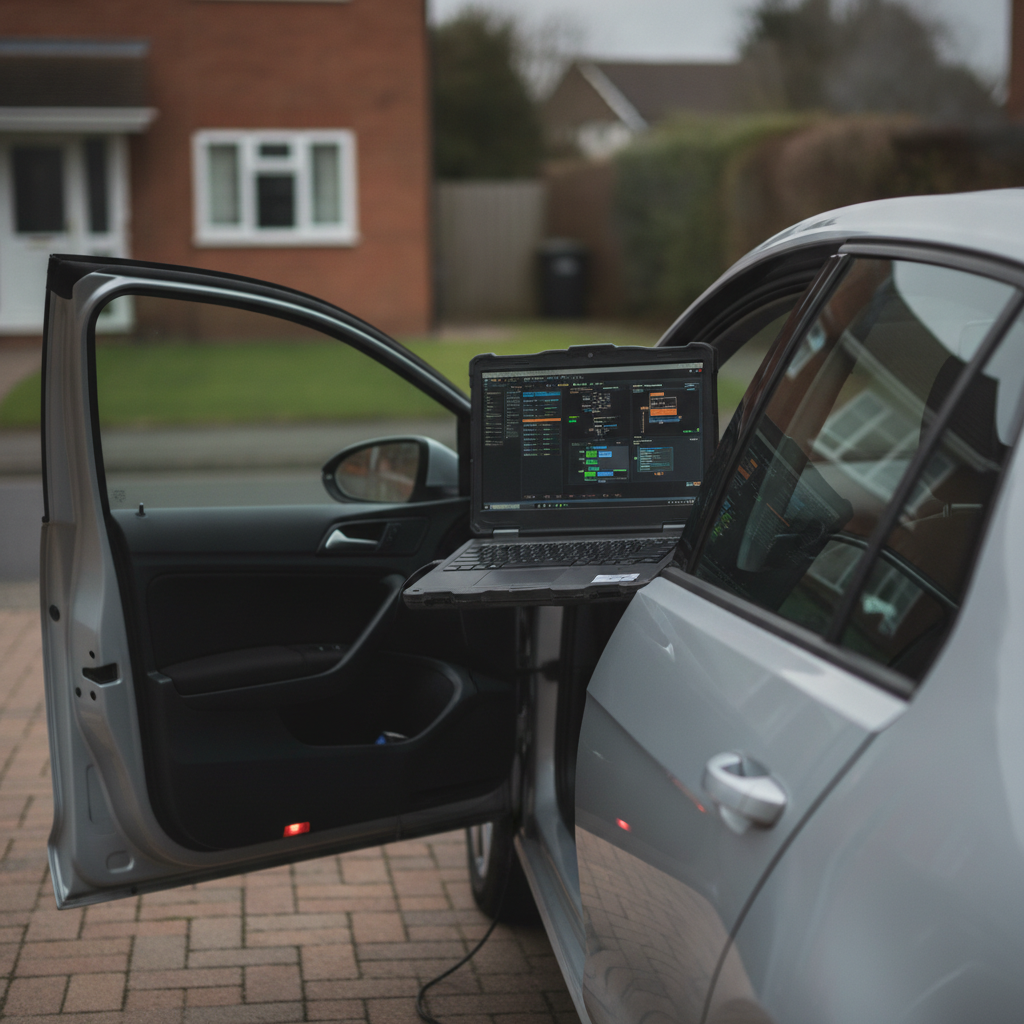
A well-developed remap will not rewrite the laws of physics, but it can change how you reach a given speed. A quality professional ECU remap improves torque delivery lower in the rev range, so the car pulls more willingly with a smaller throttle opening. In day-to-day driving that often means you no longer need to bury the accelerator to keep up with traffic, which can make your inputs smoother — not harsher. The key is that a remap should be developed to stay within your engine and transmission’s tolerances; a poorly written map that chases headline figures can do the opposite and add unnecessary strain.
How to enjoy performance without the wear
- Let the engine reach operating temperature before any hard acceleration.
- Keep on top of servicing — fresh oil, transmission fluid and healthy brakes cope far better with load.
- Be progressive rather than abrupt with the throttle; you can be quick without being violent.
- Match your driving to conditions — hard acceleration in the wet adds wheelspin and wear with little reward.
- If you want stronger, smoother performance, choose a properly developed remap over simply driving the standard car harder.
Frequently asked questions
Will occasional hard acceleration damage my car?
On a healthy, warmed-up, well-maintained car, the occasional brisk acceleration is unlikely to cause damage. It is the constant, habitual hard driving — particularly from cold — that shortens component life.
Does hard acceleration hurt an automatic gearbox?
It can. Repeated aggressive acceleration creates sharp shifts and heat that wear clutches and break down the transmission fluid over time. Smooth inputs and regular fluid changes go a long way to protecting an automatic.
Does a remap make my car wear out faster?
Not in itself. A remap developed within your car’s mechanical tolerances should not dramatically shorten its life, and the improved low-down torque can actually reduce how hard you have to drive. Problems arise from low-quality maps or from ignoring maintenance, not from quality tuning.
Want stronger, smoother performance done properly? Leicester Remaps develops custom maps for your exact vehicle and drives them to stay within safe tolerances. Get in touch for a quote or to talk through what is right for your car.