ECU remapping has become a popular modification among car enthusiasts and performance seekers. It involves altering the software of your vehicle’s Engine Control Unit (ECU) to enhance performance, efficiency, and driving experience. While the benefits of ECU remapping can be substantial, it’s essential to understand the potential side effects before proceeding with this modification. This comprehensive guide explores the various side effects, factors to consider, and best practices for ensuring a safe and successful remap.
Safety First
Not all side effects occur on every vehicle. The risks depend on your car’s condition, the quality of the remap, and how well you maintain it post-modification. Professional installation minimizes these risks significantly.
Understanding ECU Remapping
What is ECU Remapping?
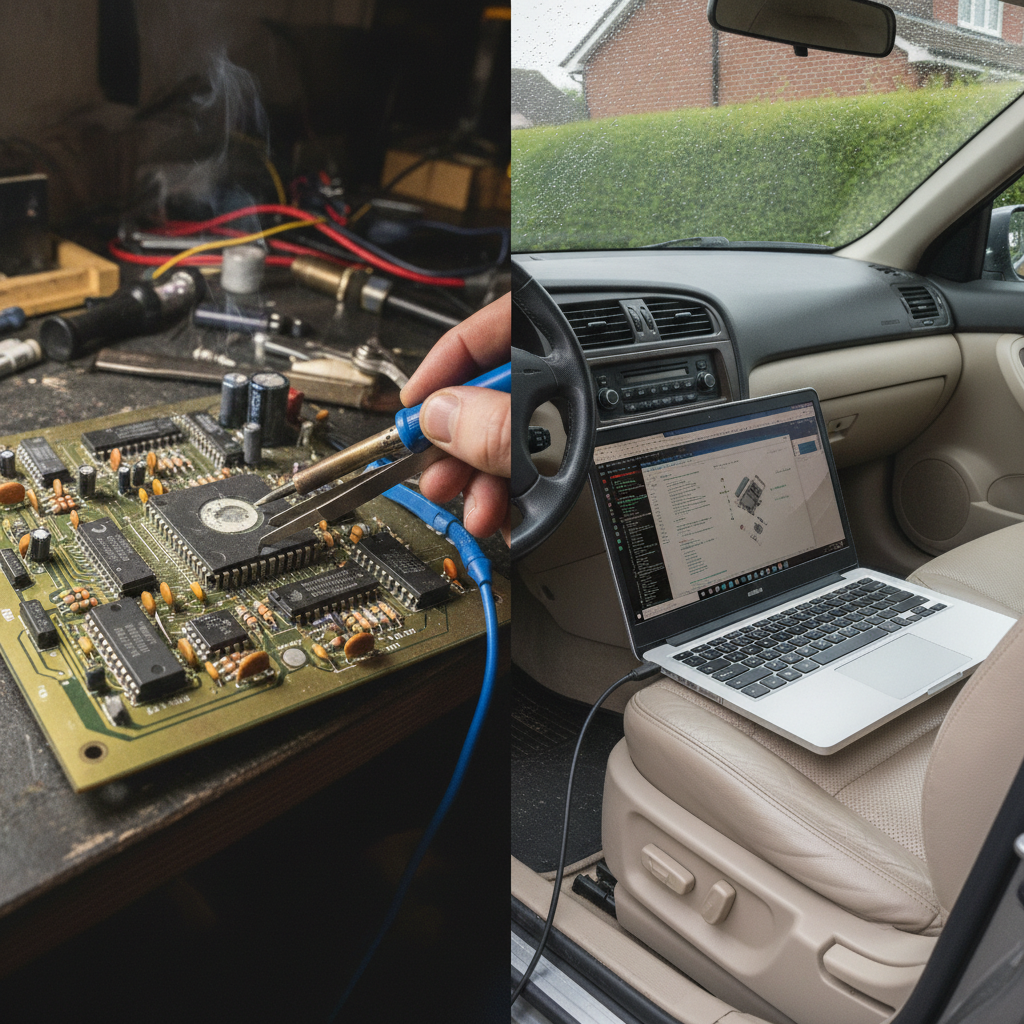
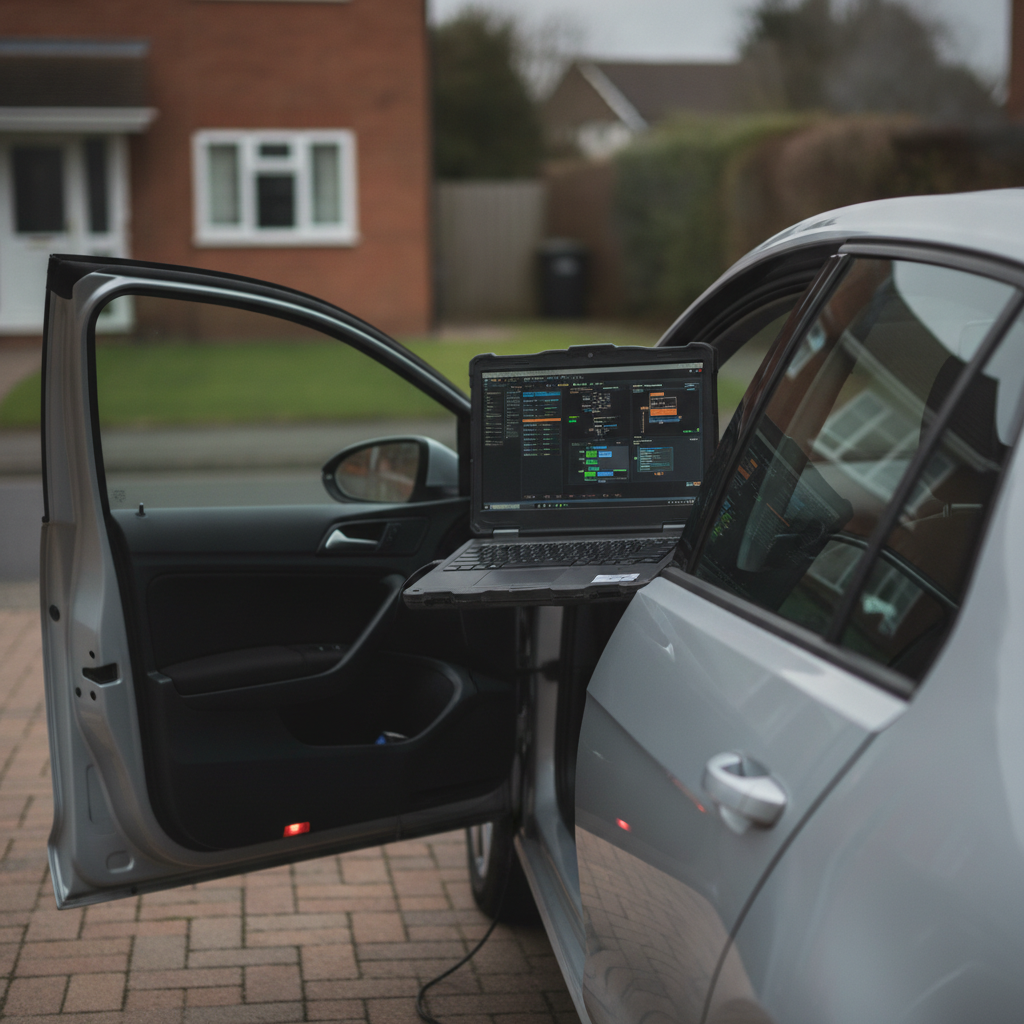
The Engine Control Unit is a vital component of modern vehicles, responsible for managing engine performance, fuel efficiency, and emissions. ECU remapping involves changing the factory settings in the ECU to optimize these parameters. This can lead to increased horsepower, improved torque, and enhanced fuel efficiency.
Why Do People Remap Their ECU?
Drivers often choose to remap their ECU for several reasons:
- Enhanced Performance: Improved acceleration and speed
- Better Fuel Economy: More efficient fuel consumption
- Customized Driving: Tailored settings to match preferences
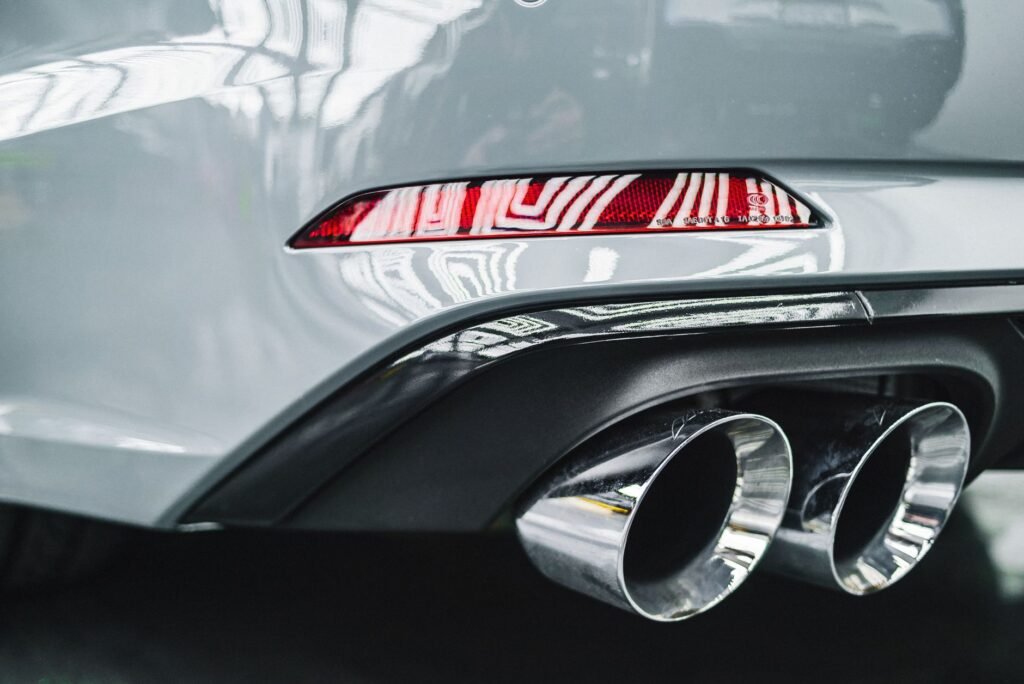
- Tuning for Mods: Adjusting for turbochargers or exhaust systems
Potential Side Effects of ECU Remapping
While ECU remapping can yield numerous benefits, it’s crucial to recognize the potential downsides. Below are the most common side effects associated with ECU remapping:
1. Warranty Voidance
One of the primary concerns with ECU remapping is the potential to void your vehicle’s warranty. Many manufacturers consider remapping a breach of warranty terms, meaning that any related issues may not be covered. This is particularly important for new vehicles, where warranty coverage is still applicable.
Pro Tip: Check your warranty terms before remapping. Some warranties cover performance modifications if done by certified professionals.
2. Increased Wear and Tear
Remapping can lead to higher engine output, which may increase wear and tear on engine components. Higher performance settings can put additional strain on:
- Pistons and Rings: Higher pressures can lead to premature failure
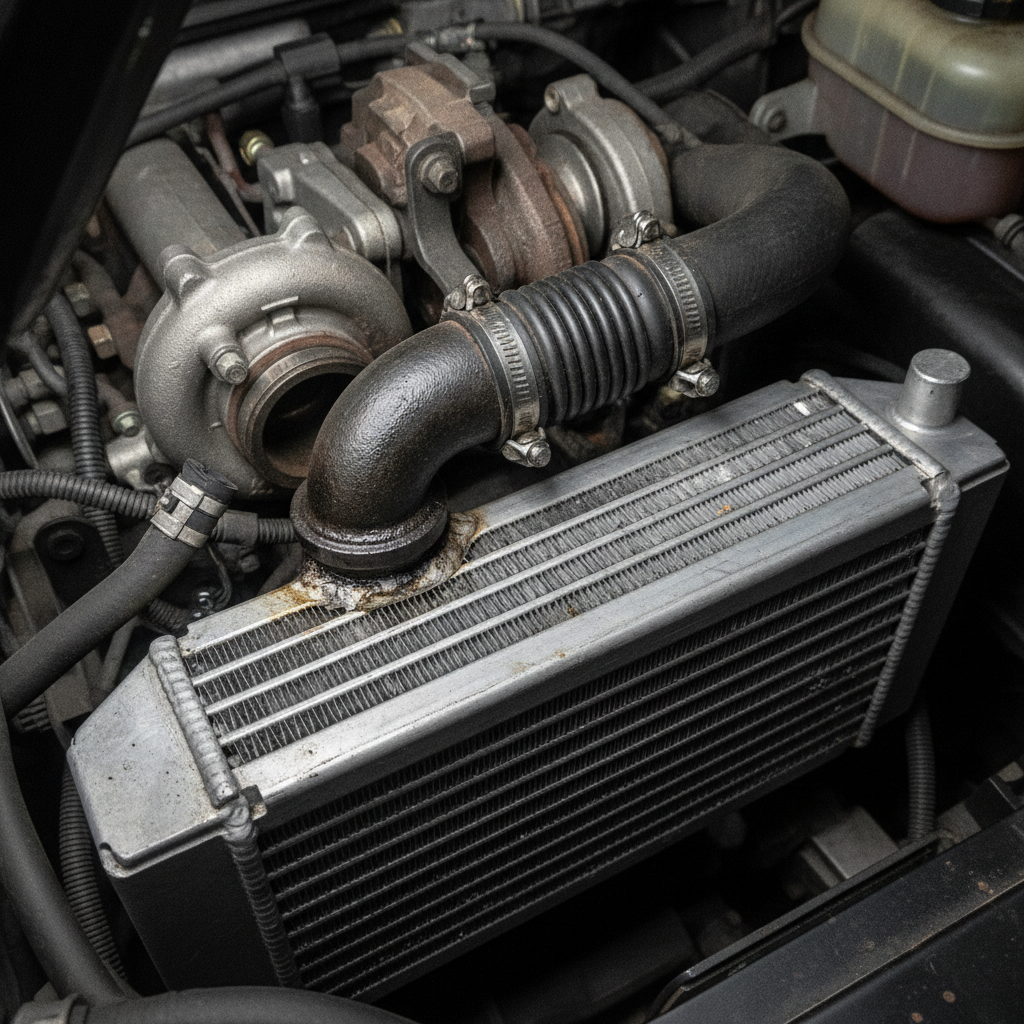
- Turbochargers: Increased boost levels can cause overheating and wear
- Clutch and Transmission: More torque can lead to faster wear on these components
3. Fuel Quality Requirements
A remapped ECU may require higher-octane fuel to operate optimally. Using lower-quality fuel can lead to knocking or pinging, potentially damaging the engine over time. It’s essential to consider the long-term costs associated with higher fuel quality.
4. Changes in Emissions
Altering the ECU can impact a vehicle’s emissions. While some remaps improve fuel efficiency, others might lead to increased emissions, making the vehicle non-compliant with environmental regulations. This could result in failing emissions tests or fines.
5. Compatibility Issues
After remapping, compatibility issues with other vehicle systems can arise. This can lead to unexpected behavior in systems like:
- ABS (Anti-lock Braking System)
- Traction Control
- Stability Control
These systems rely on factory settings to function correctly, and any changes made during remapping can disrupt their operation.
6. Engine Overheating
Increased performance can sometimes lead to engine overheating, especially if the cooling system isn’t adequately upgraded. Monitoring engine temperatures post-remap is vital to avoid potential damage.
7. Poor Throttle Response
In some cases, ECU remapping can lead to poor throttle response or lag. This can occur if the new settings don’t align with the vehicle’s original design, affecting the driving experience negatively.
8. Transmission Issues
For vehicles with automatic transmissions, remapping the ECU can lead to issues with shifting. The transmission may not respond optimally to increased power, resulting in harsh shifts or slipping gears.
Factors to Consider Before ECU Remapping
Before deciding to remap your ECU, consider the following factors to minimize potential side effects:
Pre-Remap Checklist:
- ✓ Vehicle is in optimal mechanical condition
- ✓ No existing engine issues or warning lights
- ✓ Recent service completed (oil, filters, coolant)
- ✓ Cooling system is functioning properly
- ✓ Turbocharger (if applicable) is in good condition
1. Vehicle Condition
Ensure your vehicle is in optimal condition before remapping. Address any existing issues, such as engine problems or worn components, as these can exacerbate the negative effects of a remap.
2. Quality of the Remap
Choose a reputable tuning company that specializes in ECU remapping. Quality tuners will provide a remap tailored to your vehicle’s specifications, minimizing the risk of issues. Professional remaps include:
- Vehicle-specific tuning files
- Pre-remap diagnostics
- Post-remap monitoring and support
- Warranty on the remap work
3. Post-Remap Monitoring
After remapping, monitor your vehicle’s performance closely. Regular checks on engine temperature, fuel consumption, and performance can help identify any issues early on.
4. Consider Professional Advice
Consult with professionals or experienced tuners before proceeding with a remap. They can provide insights into the best practices and potential risks associated with your specific vehicle model.
Best Practices for Safe ECU Remapping
To ensure a successful and safe ECU remap, follow these best practices:
Investigate various tuners and their reputations. Look for reviews, testimonials, and examples of their work. A well-regarded tuner will have a history of successful remaps without significant side effects. Check online forums and ask for references from previous customers.
Before remapping, ensure you have a backup of the original ECU settings. This allows you to restore the factory settings if any issues arise after the remap. A professional tuner will always create and store this backup securely.
If you’re considering additional modifications alongside the remap, invest in high-quality parts that can handle the increased performance. Cheap or incompatible components can lead to failures and void warranties.
Post-remap, maintain a regular service schedule. This includes oil changes, coolant checks, and monitoring wear on components affected by increased performance. More frequent servicing may be necessary.
Keep records of any modifications made, including the remap details. This can be helpful for future servicing and for potential warranty discussions with your vehicle manufacturer.
Frequently Asked Questions
Does ECU remapping void my warranty?
In most cases, yes. Manufacturers typically consider ECU remapping a breach of warranty terms. However, some warranties may cover modifications if done by certified professionals. Always check your warranty documentation before remapping. *Contact your manufacturer or dealer for specific warranty terms.*
Is ECU remapping safe for my engine?
When done professionally on a well-maintained vehicle, ECU remapping is generally safe. However, risks increase if your vehicle is in poor condition or the remap is of low quality. Professional tuners minimize these risks through proper diagnostics and quality tuning files. Learn more about our professional remap services.
Can ECU remapping damage my transmission?
Increased torque from a remap can put additional stress on automatic transmissions, potentially causing harsh shifts or accelerated wear. However, quality remaps are tuned to minimize transmission stress. Manual transmissions are generally less affected but can experience faster clutch wear.
Will remapping increase my fuel consumption?
Not necessarily. Many remaps are designed to improve fuel efficiency by optimizing engine parameters. However, aggressive driving or performance-focused remaps may increase consumption. The type of remap you choose determines the fuel economy impact.
What fuel grade should I use after remapping?
This depends on your specific remap. Some remaps require higher-octane fuel (98 RON) to prevent engine knock. Your tuner will advise on the correct fuel grade for your remap. Using lower-grade fuel than recommended can cause engine damage.
Can I reverse an ECU remap?
Yes, completely. ECU remaps are fully reversible. Your tuner will have backed up your original factory settings, which can be restored at any time. This is why choosing a professional tuner is important – they’ll keep your backup secure.
Will remapping affect my MOT?
A quality remap shouldn’t cause MOT failure. However, if the remap increases emissions beyond legal limits or causes warning lights, it could fail. Professional remaps are designed to remain emissions-compliant and MOT-friendly.
How often should I service my car after remapping?
More frequent servicing is recommended post-remap. Instead of the standard 12,000 miles or 12 months, consider servicing every 6,000-8,000 miles or 6 months. This helps catch any issues early and keeps your engine in optimal condition.
Can I get insurance for a remapped car?
Yes, but you must inform your insurance provider about the remap. Failure to disclose modifications can invalidate your policy. Many insurers will cover remapped vehicles, though premiums may increase slightly. Always declare modifications before remapping.
What’s the difference between a professional remap and DIY tuning?
Professional remaps use vehicle-specific tuning files, pre-remap diagnostics, and post-remap support. DIY tuning carries higher risks of compatibility issues and engine damage. Professional tuners offer warranties and expertise that DIY methods cannot match. Explore our professional remap services.
Minimizing Side Effects: Key Takeaways
Essential Steps to Reduce Risk:
- ✓ Choose a reputable, professional tuner with proven track record
- ✓ Ensure your vehicle is in excellent mechanical condition before remapping
- ✓ Understand your warranty implications and insurance requirements
- ✓ Use the correct fuel grade as recommended by your tuner
- ✓ Maintain a regular service schedule post-remap
- ✓ Monitor engine temperature and performance closely
- ✓ Keep all documentation of modifications
Related Services & Content
Want to learn more about performance modifications? Check out these related articles:
- Stage 1 Remap: Performance Gains & Benefits
- DIY Pop and Bang Tune: Installation Guide
- DPF Delete: What You Need to Know
- AdBlue Delete Solutions
Professional ECU Remapping in Leicester
Concerned about side effects? Our professional tuners minimize risks through quality remaps, thorough diagnostics, and ongoing support. We back all our work with warranties and expert advice.
Conclusion
ECU remapping offers exciting opportunities for improving vehicle performance, but it’s essential to weigh the benefits against the potential side effects. By understanding these risks, choosing a professional tuner, and taking the necessary precautions, you can enjoy the advantages of a remapped ECU while minimizing negative impacts.
The key to a successful remap is professional installation, proper vehicle maintenance, and informed decision-making. When done correctly, ECU remapping can transform your driving experience without compromising your vehicle’s reliability.
Ready for a Professional ECU Remap?
Leicester Remaps specializes in high-quality ECU remapping services tailored to your vehicle’s needs. With our expertise and commitment to customer satisfaction, we help you achieve optimal performance safely and reliably.
Warranty, insurance and MOT: where UK drivers get caught out (2026 update)
Beyond the mechanical side effects, the issues that most often catch drivers out in the UK are legal and contractual rather than under the bonnet. It is worth being clear on three of them before you book a remap.
- Warranty: A manufacturer cannot automatically void your entire warranty simply because the car has been remapped. What they can do is refuse a specific claim if they can show the remap caused the part that failed — and powertrain components (engine, gearbox, clutch and turbocharger) carry the highest risk of a declined claim. If your car is still under manufacturer warranty, weigh this up carefully. Our guide on whether remapping voids your car warranty goes into more detail.
- Insurance: You must tell your insurer that the car has been remapped. A remap is a modification, and failing to declare it is a breach of your policy that can leave a claim unpaid — an expensive risk that dwarfs any tuning saving. Some insurers treat it as a minor adjustment, others as a performance upgrade that nudges the premium up. Either way, declare it. See ECU remapping and car insurance in the UK for what to say when you call.
- MOT and emissions: A remap itself is legal for road use, but the car must still meet MOT emissions standards. Reputable, custom tuning is developed to keep your vehicle compliant. What is not legal is removing emissions hardware such as the DPF on a road-going vehicle — that invalidates the MOT and is a separate matter from a standard performance remap.
How to minimise the side effects
Most of the risks above shrink dramatically when the remap is done properly and the car is looked after:
- Use a tuner that writes a custom map for your exact engine rather than a generic file, so the changes stay within your components’ tolerances.
- Make sure the car is mechanically healthy first — our pre-remap checklist covers what to check.
- Keep up with servicing afterwards; fresh oil and fluids help the engine and gearbox cope with the extra torque.
- Declare the remap to your insurer and keep your tuning documentation.
Frequently asked questions
Does ECU remapping always cause side effects?
No. Not every side effect occurs on every vehicle. The risk depends on your car’s condition, the quality of the map and how well you maintain the car afterwards. A professional, custom remap on a healthy car keeps the risks low.
Will a remap shorten my engine’s life?
A map developed within your engine and transmission’s tolerances should not dramatically shorten its life. Reliability problems are far more likely to come from a cheap generic map or neglected maintenance than from quality tuning.
Do I have to tell my insurer about a remap?
Yes. A remap is a modification and must be declared. Not declaring it is a breach of your policy that can result in a claim being refused.
Last reviewed June 2026. If you would like an honest assessment of whether a remap suits your car — including the trade-offs — talk to Leicester Remaps for tailored advice.