Stage 3 Remap Explained: What It Is, What It Costs and Who It’s For
You’ve heard about Stage 1 and Stage 2 remaps, and now you’re wondering what Stage 3
actually involves. The short answer: it’s a completely different level of commitment —
more hardware, more expense, and results that are genuinely transformative but rarely
practical for a road car. Here’s what you need to know before going further.
What hardware Stage 3 requires
Realistic power gains
Who Stage 3 is actually for
Jump to a section
Quick recap: Stage 1, 2 and 3 at a glance
Before going into Stage 3 specifically, it helps to understand how the stages relate
to each other — and why the jump from Stage 2 to Stage 3 is significantly larger than
the jump from Stage 1 to Stage 2.
| Stage | What changes | Hardware needed | Typical use |
|---|---|---|---|
| Stage 1 | ECU calibration only — fuelling, boost, ignition timing optimised | Stock hardware fine | Daily driver, road use, sensible performance gains |
| Stage 2 | ECU calibration plus supporting hardware modifications | Exhaust, intake, intercooler upgrade usually required | Road use with performance focus, hot hatch and sports car owners |
| Stage 3 | ECU calibration plus significant internal engine modifications | Forged internals, upgraded turbo/fuelling, head work typically required | Dedicated performance builds, track-focused vehicles, competition use |
Stage 1 and Stage 2 sit in the realm of road-legal, daily-usable performance tuning.
Stage 3 begins to move into dedicated performance build territory, and the gap between
Stage 2 and Stage 3 is far more significant than most drivers expect.
What a Stage 3 remap actually involves
A Stage 3 remap is not just a more aggressive software file. It’s a complete performance
build that combines heavily modified engine internals with a high-output ECU calibration
written specifically for that build. The software and hardware are developed together —
not applied to a stock engine.
The purpose of Stage 3 is to extract power and torque levels that a stock engine
architecture simply cannot produce safely or reliably. The factory internals — pistons,
connecting rods, head gasket, valvetrain — are designed to handle the loads from a
Stage 1 or a careful Stage 2. Stage 3 power output exceeds those tolerances, which is
why replacing or upgrading those components first is not optional — it’s mandatory.
Because the engine internals are being replaced and the fuelling system is heavily
upgraded, Stage 3 builds typically involve significant strip-down work. This is
workshop-based work, not a mobile visit. The total build time is measured in days,
not hours.
Stage 3 is not a software upgrade applied to your existing engine
Drivers sometimes assume Stage 3 is just a “more aggressive” version of Stage 1 or 2.
It isn’t. It requires substantial mechanical work to the engine before any ECU tuning
can safely be applied. Applying Stage 3-level fuelling and boost to a stock engine
will damage or destroy it.
The hardware Stage 3 requires
Every Stage 3 build is vehicle-specific, and the exact hardware list depends on the
engine platform, target power output, and intended use. However, most Stage 3 builds
share a common set of hardware requirements.
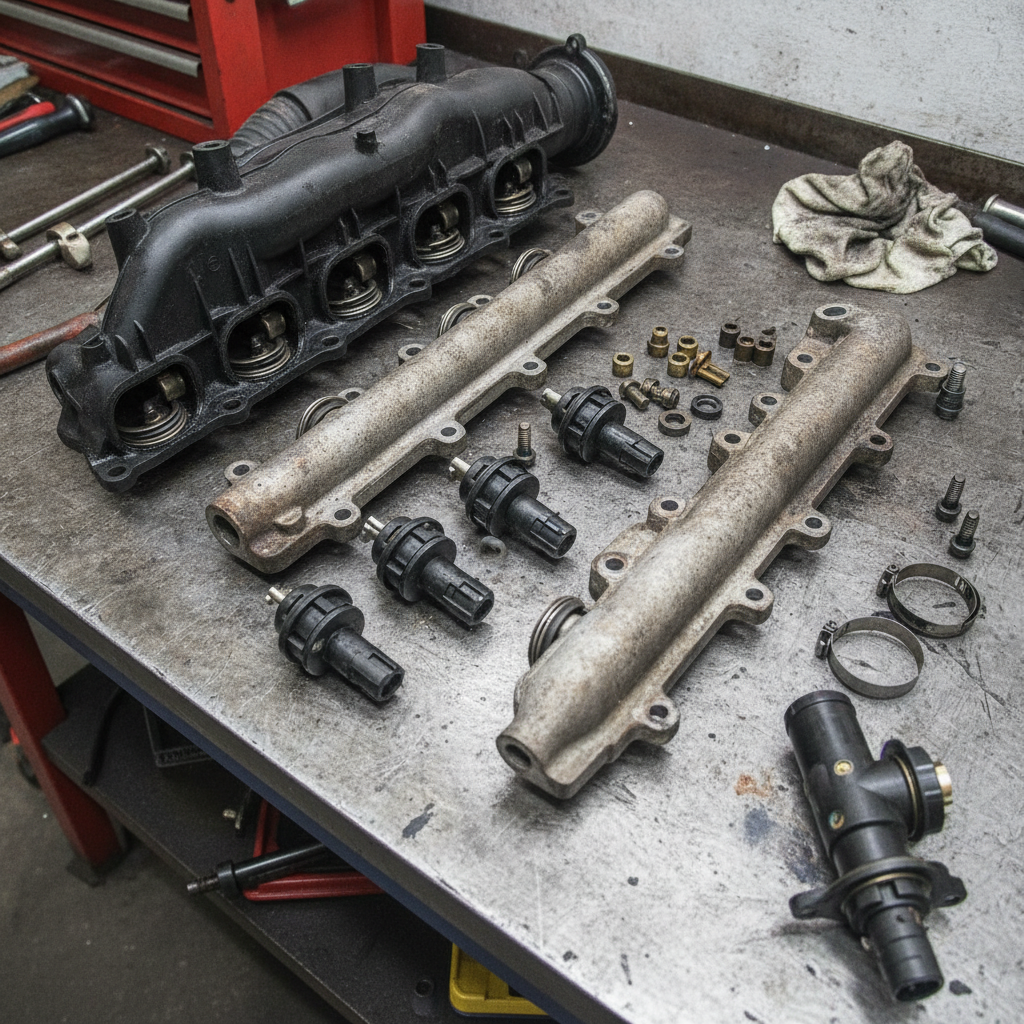
Engine internals
- Forged pistons: Factory cast pistons cannot withstand the higher cylinder pressures Stage 3 generates. Forged pistons are stronger and better able to handle the thermal and mechanical stress.
- Uprated connecting rods: Stock con rods are not rated for Stage 3 power levels. Aftermarket rods — typically forged steel or billet aluminium — are required.
- Head work: Porting and polishing the cylinder head improves airflow and allows the engine to breathe more efficiently at high output levels.
- Uprated head gasket: A multi-layer steel (MLS) head gasket replaces the factory unit to handle increased cylinder pressures.
Forced induction and fuelling
- Uprated or hybrid turbocharger: The factory turbo is usually replaced or modified to flow more air at the higher boost levels Stage 3 demands.
- Uprated fuel injectors: Higher power output requires significantly more fuel. Larger injectors feed the increased demand.
- Uprated fuel pump: The stock fuel pump cannot supply fuel at the rate Stage 3 tuning requires. An upgraded pump is essential.
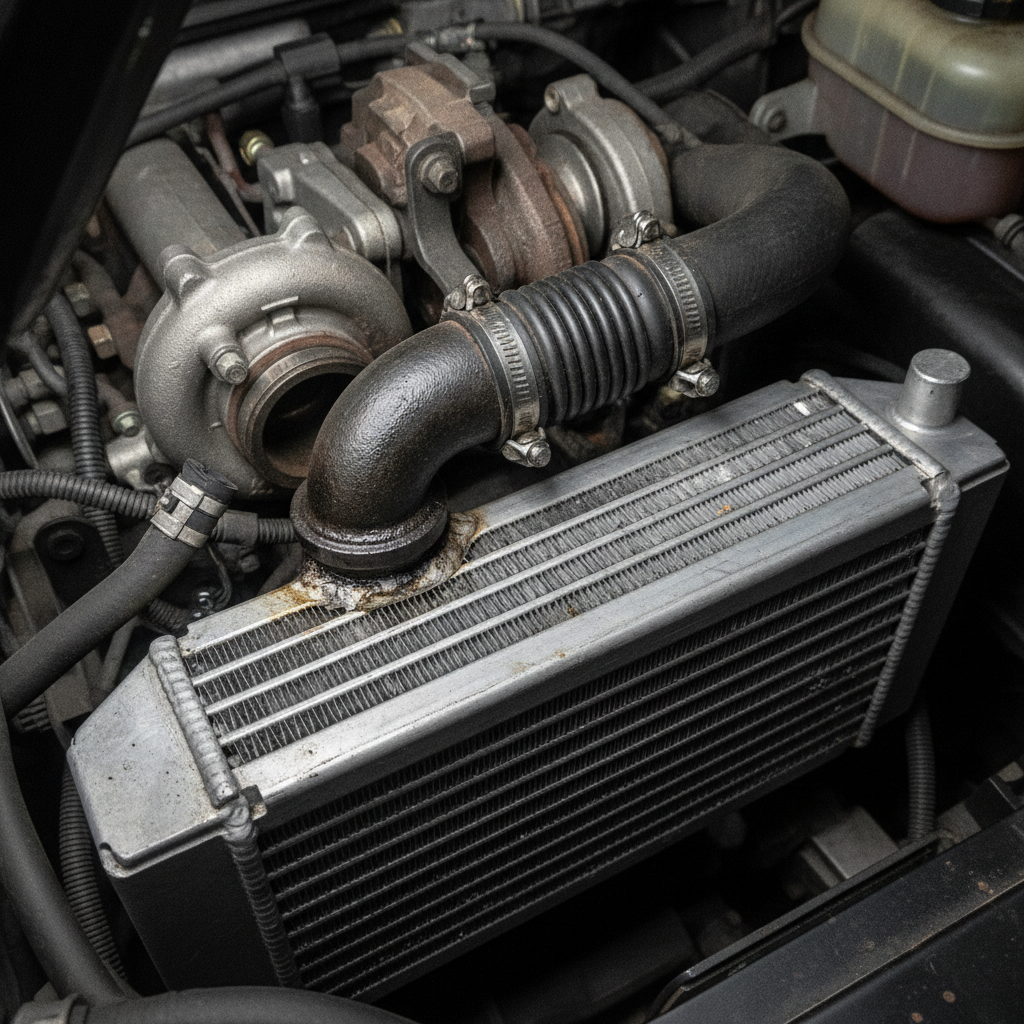
- Large front-mount intercooler: Compressing more air generates more heat. A properly sized intercooler keeps intake temperatures under control at high output levels.
Supporting modifications
- Uprated clutch and flywheel: For manual gearbox vehicles, the factory clutch cannot handle Stage 3 torque. A heavy-duty clutch is a prerequisite.
- Exhaust system: A high-flow exhaust, typically with a decat or sports cat and large-bore pipe, allows gases to exit efficiently at the higher engine output.
- Cooling upgrades: A larger radiator or additional oil cooler may be required to manage the increased thermal load.
Every build is unique
The specific hardware list varies by engine platform and target output. A Stage 3
build on a 2.0 TDI is very different from one on a 2.0 TSI or a 3.0 TFSI.
A proper consultation with a specialist before building your parts list is essential.
Realistic power gains from Stage 3
Stage 3 power gains vary enormously depending on the starting engine, the turbo chosen,
and the build specification. Unlike Stage 1 — where gains are relatively predictable —
Stage 3 output is almost entirely a product of the hardware investment and the quality
of the final calibration.
As a rough guide for turbocharged petrol engines:
- A 200 bhp Stage 1 car might reach 250–280 bhp at Stage 2. Stage 3 on the same platform, with a hybrid turbo and forged internals, could realistically reach 350–450 bhp depending on the build.
- Higher-displacement engines (2.5, 3.0, 4.0 litre) with the right turbo choices can exceed 500 bhp at Stage 3.
For diesel engines, Stage 3 builds are less common because the real-world torque limits
of diesel drivetrains make extreme power outputs impractical without complete drivetrain
rebuilds. Most diesel performance builds plateau at a well-developed Stage 2.
The torque gains at Stage 3 are often more striking than the headline power figure.
A Stage 3 petrol build can deliver torque figures in excess of 500 Nm on platforms
that started life at 280–320 Nm. That torque increase transforms driveability in a
way that raw horsepower numbers don’t fully capture.
What Stage 3 costs
Stage 3 is expensive. There is no way to build a proper Stage 3 on a small budget,
and any quote that seems surprisingly affordable almost certainly involves cutting
corners on hardware quality or build specification.
Typical hardware costs for a Stage 3 build on a popular turbocharged petrol platform
(such as a 2.0 TSI or 2.0 TFSI) run from £4,000 to £8,000 in parts alone — sometimes
more depending on turbo choice and build goals. Labour for the mechanical work —
engine strip, machine shop work, reassembly — adds several thousand pounds on top.
Then factor in the ECU calibration and dyno development time.
Total costs for a complete Stage 3 build typically range from £8,000 to £15,000 or more,
depending on the platform and the builder. High-end builds on larger displacement engines
or with competition-specification hardware can exceed £20,000 without difficulty.
Cheap Stage 3 quotes are a red flag
If a builder is quoting significantly below market rates for Stage 3 work, ask hard
questions about parts quality. Substandard forged internals or an undersized turbo
will limit what the build can achieve — and may cause reliability problems despite
the investment.
Who Stage 3 is genuinely suited to
Stage 3 is appropriate for a specific type of driver and a specific type of vehicle use.
It is not for everyone, and it’s worth being honest about that.
- Track day and circuit drivers: Drivers who regularly use their vehicle on track and need a step-change in performance beyond what Stage 2 delivers.
- Competition car builds: Vehicles built for hillclimb, sprint, time attack, or club motorsport where a dedicated performance specification is required.
- Dedicated performance vehicles: Drivers who have a separate daily car and run a performance build as a weekend-use vehicle — where reliability under normal road conditions is not the primary concern.
- Experienced tuning enthusiasts: Drivers who understand the implications of running a heavily modified vehicle and have planned for the ongoing maintenance it requires.
Is Stage 3 practical on a road car?
This is the question most drivers should ask before pursuing Stage 3, and the honest
answer is: it depends on what you expect from your car day-to-day.
A well-built Stage 3 can be driven on the road. The engine, properly assembled with
quality components and a good calibration, will run reliably under normal road conditions.
But there are real compromises to consider.
The practical challenges of Stage 3 on the road
- Service intervals: High-output builds require more frequent oil changes and more attentive maintenance. Skipping or extending service intervals on a Stage 3 build is a much larger risk than on a standard or Stage 1 vehicle.
- Cold start behaviour: Some Stage 3 builds — particularly those using aggressive cam profiles or race-spec engine work — are less smooth on cold starts and during warm-up.
- MOT considerations: Depending on the modifications and emissions changes made as part of the build, MOT compliance needs to be confirmed. Certain modifications affect exhaust emissions in ways that can complicate road legality.
- Insurance: Stage 3 modifications are significant and must be declared. Premium increases can be substantial, and some standard insurers will decline to cover a Stage 3 build entirely.
- Fuel requirements: Many Stage 3 builds on petrol engines require high-octane fuel — 99 RON or above — to deliver performance and protect against knock at high boost pressures.
None of these make Stage 3 impossible on a road car, but they make it a considered
choice rather than a casual upgrade. Drivers who run Stage 3 builds on road cars
typically do so knowing the additional overhead involved.
High performance without Stage 3
For most drivers who want a meaningful performance upgrade without the investment and
complexity of Stage 3, a well-developed Stage 2 is a more realistic and often more
satisfying route.
A proper Stage 2 on a turbocharged petrol car — with the right exhaust, upgraded intercooler,
and a custom calibration using professional tools — will deliver performance that feels
genuinely transformative on the road. On a 200 bhp hot hatch, a quality Stage 2 can
take you to 280–320 bhp with torque to match. That’s a significant improvement that
transforms how the car feels without requiring an engine rebuild.
Stage 1 for the majority of daily drivers remains the most cost-effective and practical
performance upgrade: real gains in power, torque, and throttle response, with stock hardware,
at a fraction of the cost of any Stage 2 or 3 build.
Not sure which stage is right for you?
The right answer depends on your vehicle, your goals, and how you use the car.
Get in touch and describe what you’re looking for — we’ll give you a straight assessment
of what each stage realistically delivers on your specific vehicle.
Thinking about a Stage 1 or Stage 2 remap in Leicester?
Leicester Remaps offers mobile Stage 1 and Stage 2 remapping across Leicester,
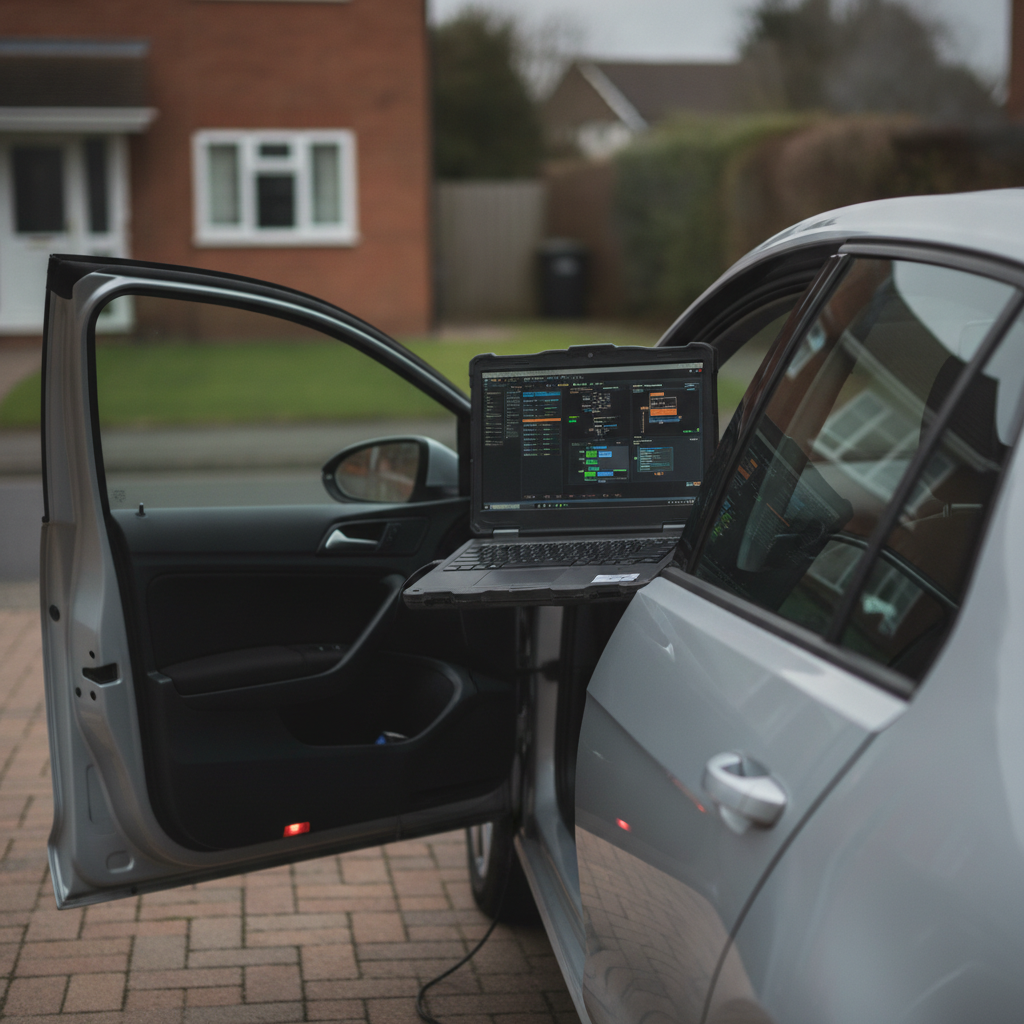
Leicestershire, and the wider Midlands. Every remap uses professional tuning tools,
a custom calibration, and includes a pre-remap diagnostic and original file backup.
Explore Stage 2 remap options or
contact Leicester Remaps to discuss what your vehicle can achieve.