Lambda Sensor and Catalytic Converter Faults: Symptoms and ECU Solutions
A lambda sensor or catalytic converter fault will usually trigger a warning light and, on modern vehicles, can affect fuelling, performance and emissions. This guide explains what these faults actually mean, how they show up, and why ECU software solutions are often the most practical fix for drivers who want their vehicle sorted properly.
Topic: lambda, CAT, emissions faults
Intent: fault diagnosis & solution research
Location: Leicester & Midlands
In this guide
What Is a Lambda Sensor and What Does It Do?
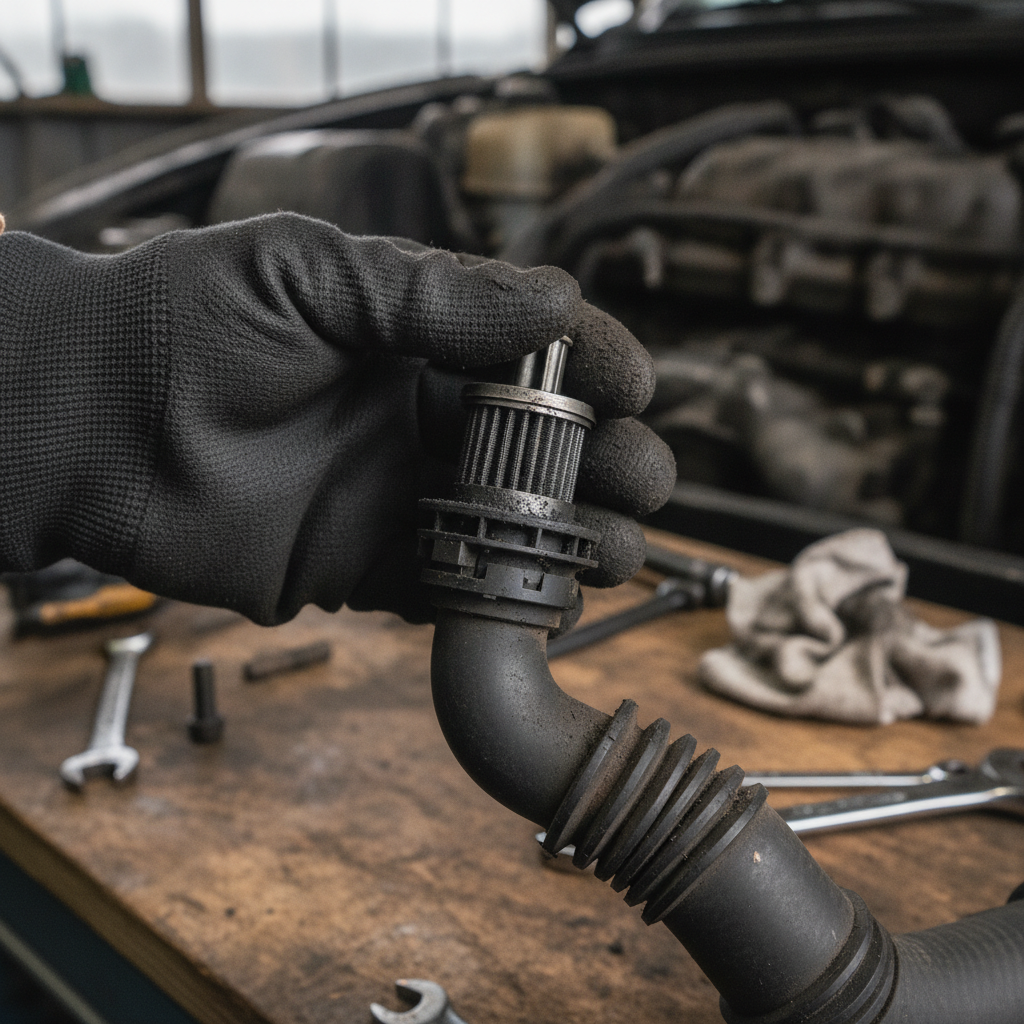
The lambda sensor — also called the oxygen sensor or O2 sensor — is a small probe fitted into the exhaust system that measures the oxygen content in the exhaust gases. This data is fed back to the ECU in real time, allowing the engine to continuously adjust the fuel-to-air mixture for efficient combustion.
Most modern vehicles have two lambda sensors per exhaust bank: one upstream of the catalytic converter (pre-cat) and one downstream (post-cat). The pre-cat sensor is the primary feedback sensor used by the ECU to control fuelling. The post-cat sensor monitors the performance of the catalytic converter itself.
When the lambda sensor is working correctly, the engine runs on an optimal fuel-air mixture — efficient combustion, clean exhaust, and accurate emissions. When the sensor fails or gives incorrect readings, the ECU loses its primary feedback loop and the engine runs on an open-loop fuelling strategy, which is less accurate and often results in rich or lean running.
What does the catalytic converter do?
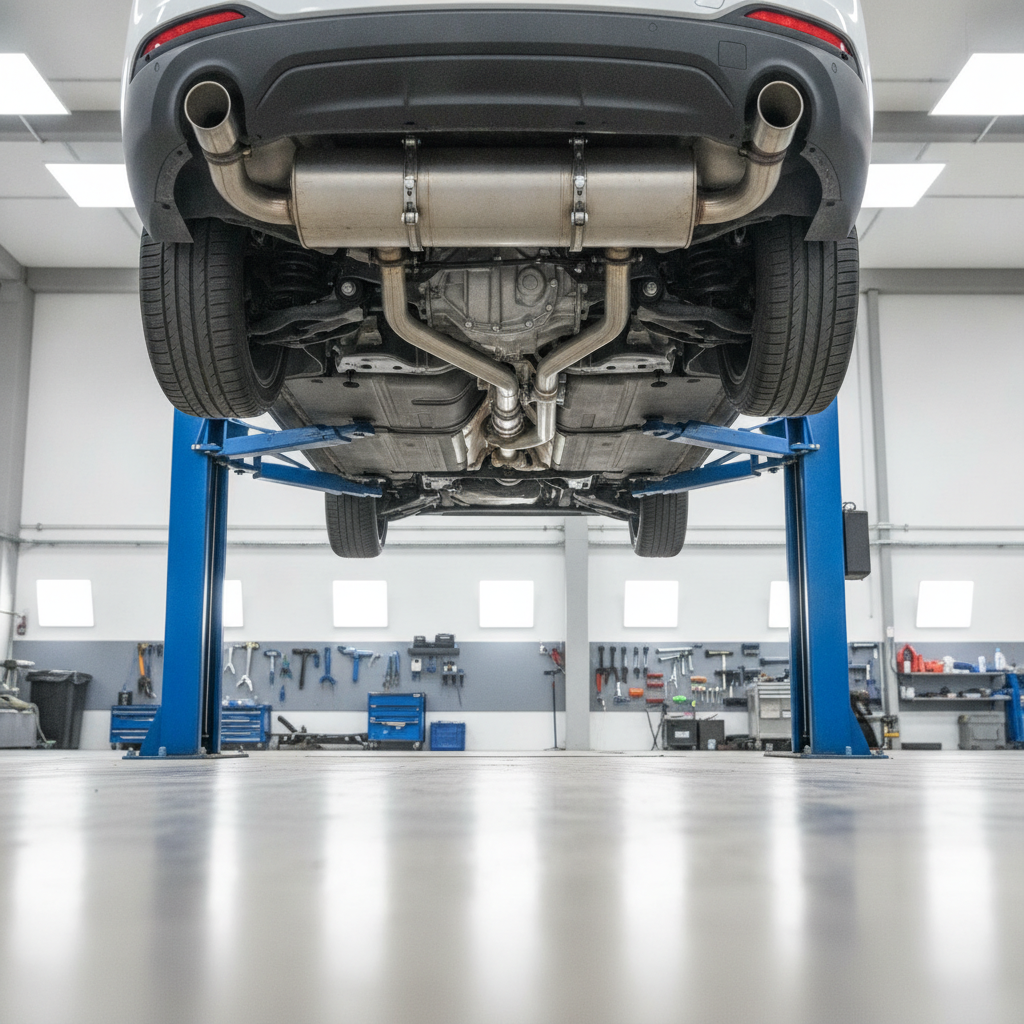
The catalytic converter (CAT) is a component within the exhaust system that chemically converts harmful combustion byproducts — carbon monoxide, unburned hydrocarbons, and nitrogen oxides — into less harmful compounds before they exit the tailpipe. It works in combination with the lambda sensor to maintain a narrow window of operation where the catalytic conversion process is most effective.
When the CAT is functioning correctly, emissions are kept within legal limits and the post-cat lambda sensor confirms clean-burning exhaust gases. When it degrades or fails, the ECU detects the mismatch between pre- and post-cat readings and logs a fault code.
Common Symptoms of a Lambda or CAT Fault
The symptoms you notice will depend on whether it is the lambda sensor, the catalytic converter, or both that are affected. Some faults are immediately noticeable to the driver. Others are detectable only through diagnostic tools before the vehicle would fail an emissions test.
Lambda sensor fault symptoms
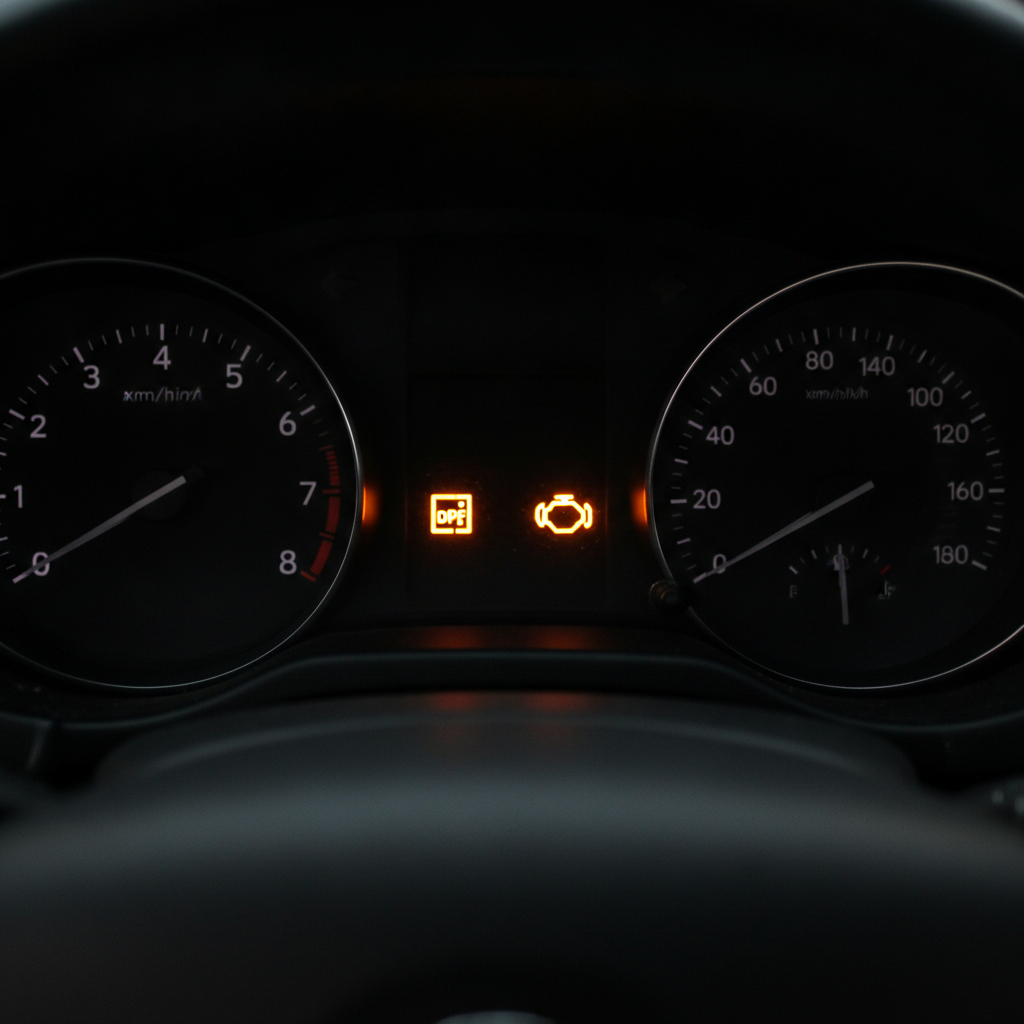
- Engine management light on (often the first and only obvious sign)
- Poor fuel economy — the engine compensates for inaccurate feedback by running rich
- Rough idle or hesitation on acceleration
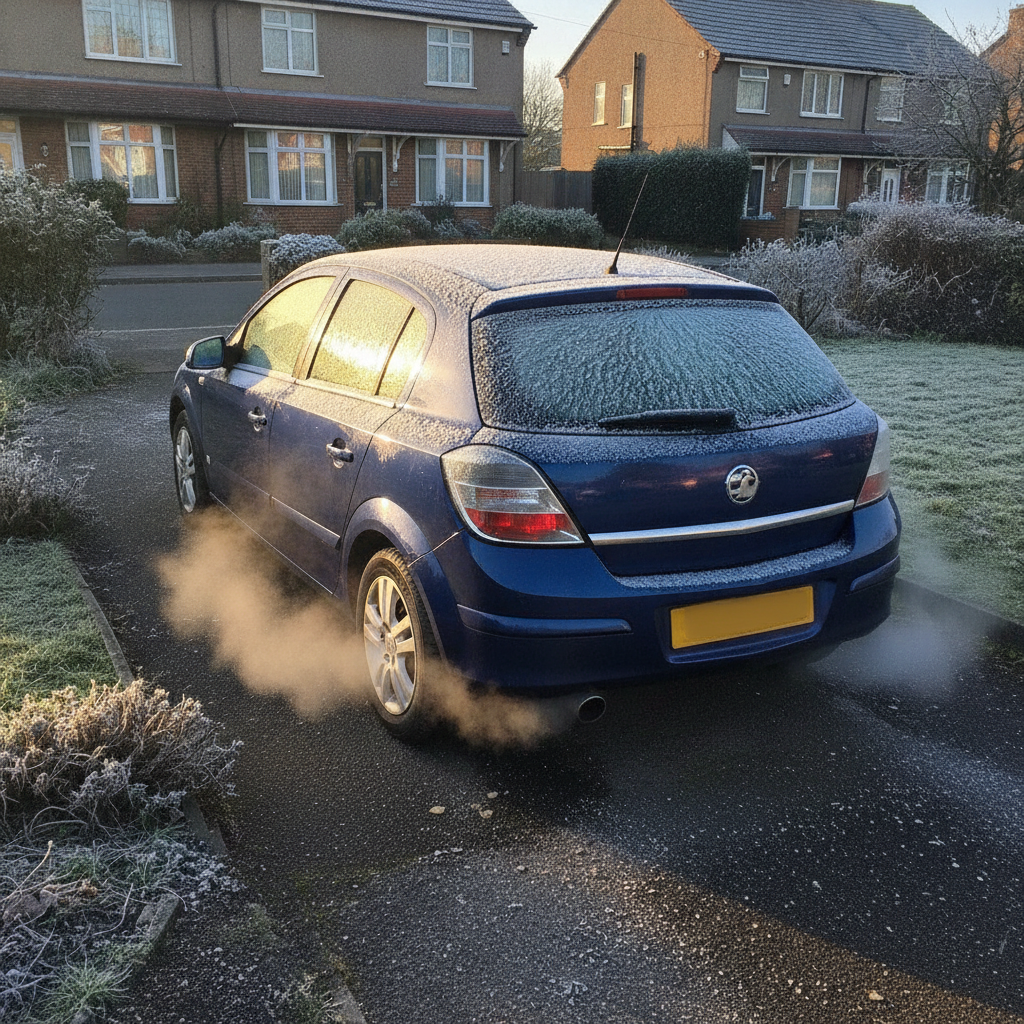
- Black smoke from the exhaust (over-fuelling)
- Failed emissions test at MOT
- Occasional misfires on certain loads or driving conditions
Catalytic converter fault symptoms
- Engine management light — often a P0420 or P0430 code indicating CAT efficiency below threshold
- Rattling noise from under the vehicle — internal substrate breaking up
- Sulfur or rotten egg smell from the exhaust
- Reduced performance at higher revs (blocked CAT creating back pressure)
- Failed emissions test at MOT
- Higher than normal fuel consumption
Don’t ignore the engine management light
A persistent engine management light from a lambda or CAT fault will not resolve on its own. The fault code stays live until the underlying issue is addressed. Running for extended periods with an inaccurate lambda reading can lead to progressive fuelling problems and in some cases injector or engine damage from prolonged rich running.
Common Lambda and CAT Fault Codes
| Code | Description | Typical cause |
|---|---|---|
| P0130–P0167 | Upstream O2 / lambda sensor circuit faults | Failed sensor, wiring issue, or sensor contamination |
| P0136–P0167 | Downstream O2 / lambda sensor circuit faults | Failed post-cat sensor, wiring, or degraded CAT affecting readings |
| P0420 | Catalyst system efficiency below threshold (Bank 1) | Degraded or failed catalytic converter |
| P0430 | Catalyst system efficiency below threshold (Bank 2) | As above, on Bank 2 (V-engines or dual exhaust) |
| P0171 / P0172 | System too lean / too rich (Bank 1) | Lambda sensor data causing fuelling miscalculation |
These codes are the starting point for diagnosis. A code alone does not tell you whether the component has physically failed or whether the issue is in the wiring, the sensor signal, or the downstream management. A proper diagnostic check is always the right first step.
Diagnostic first, solutions second
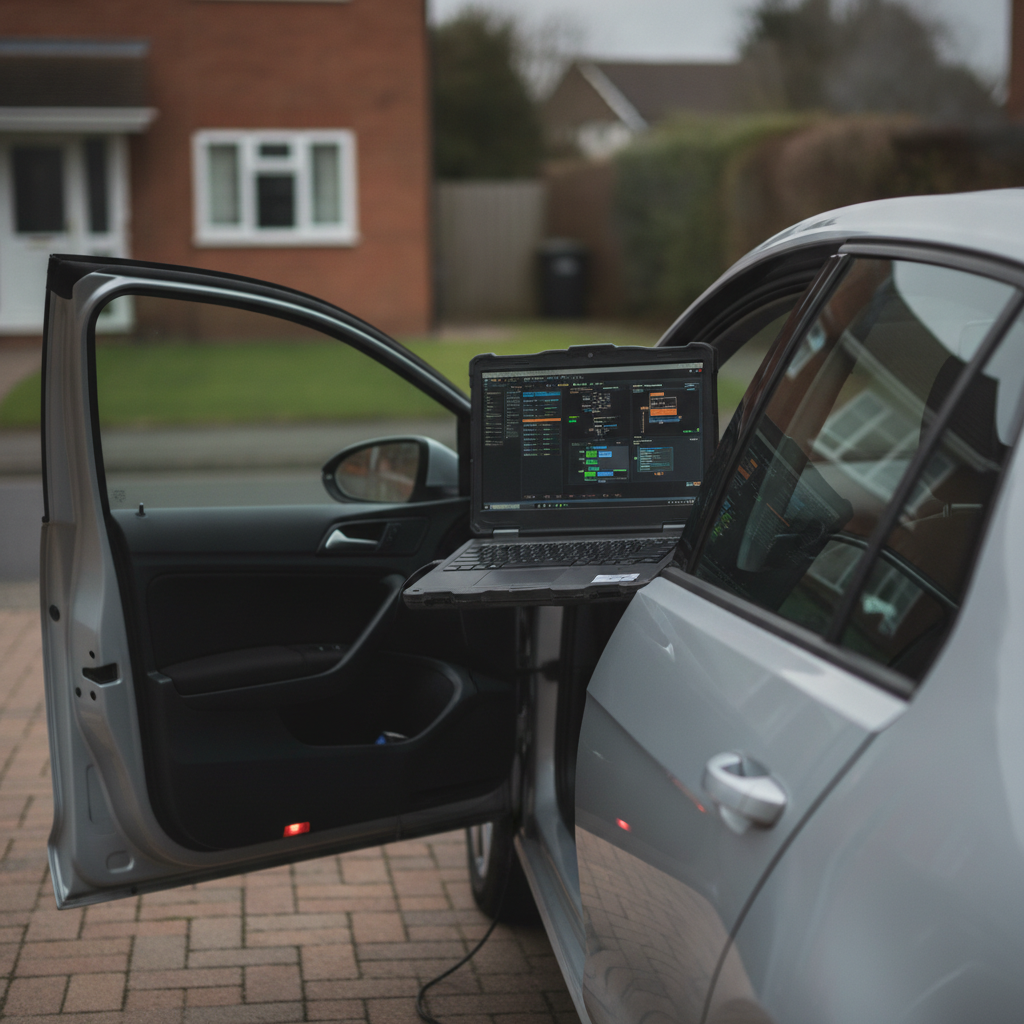
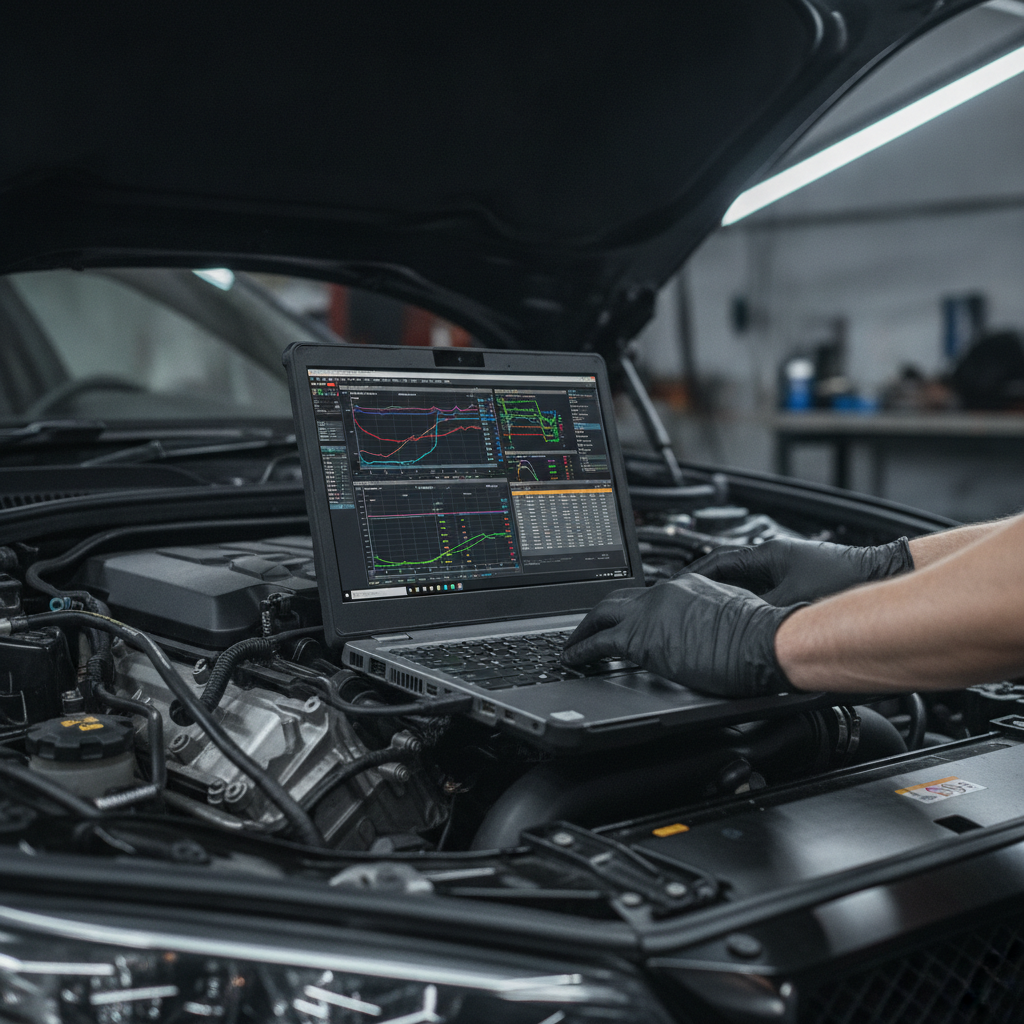
Leicester Remaps carries out a full diagnostic check before any work is done. This confirms the fault codes present, the live sensor data, and whether an ECU software solution is appropriate or whether a physical repair is the right route.
Why Do Lambda Sensors and Catalytic Converters Fail?
Both components have a finite service life, and certain driving patterns and maintenance issues accelerate degradation.
Lambda sensor failure causes
- Age and mileage — lambda sensors typically last 60,000–100,000 miles before accuracy degrades; older sensors can give intermittent or permanently incorrect readings
- Oil or coolant contamination — a vehicle burning oil or running with a head gasket fault can coat the sensor and cause it to read incorrectly
- Rich running over time — persistent over-fuelling deposits can contaminate the sensor substrate
- Physical damage — sensors are mounted in the exhaust flow and can be damaged by road debris or during exhaust work
- Wiring and connector faults — corrosion, heat damage or chafed wiring in the sensor circuit is a common cause of fault codes that are not the sensor itself
Catalytic converter failure causes
- Physical damage — impact from road debris can fracture the internal ceramic substrate, causing a rattle and reduced efficiency
- Thermal shock — a misfiring engine that dumps unburned fuel into the exhaust can overheat and melt the substrate
- End of service life — the precious metal coating that enables catalytic conversion degrades over time and high mileage
- Oil or coolant in the exhaust — engine burning oil coats the substrate and reduces catalytic efficiency
For high-mileage vehicles, the question is often not whether the CAT or lambda sensor will fail, but when. Understanding the symptoms means you can act before a roadside breakdown or an unexpected MOT failure.
ECU Software Solutions: What They Involve
For certain lambda and CAT faults, an ECU software solution is a practical alternative to — or complement to — physical replacement. This is relevant in specific situations:
- The CAT has been physically removed or replaced with a decat pipe — the post-cat lambda signal no longer matches ECU expectations, triggering persistent P0420/P0430 codes
- The post-cat lambda sensor has failed and a replacement is no longer available or practical for an older vehicle
- The vehicle is not used on public roads (track cars, off-road vehicles) where emissions compliance is not relevant
In these cases, an ECU software solution works by disabling the post-cat lambda monitoring in the ECU map. This removes the comparison logic between the pre- and post-cat sensors that generates the P0420/P0430 codes, clearing the fault light without the need for physical component replacement.
What the solution does not do
An ECU lambda or CAT solution addresses the fault light and the monitoring logic. It does not physically restore catalytic function or replace a failed lambda sensor. For vehicles that still need to pass emissions testing at MOT, the physical condition of the exhaust system remains relevant — the MOT tests actual exhaust gas composition, not just fault codes.
A diagnostic check before any ECU work will confirm whether the route of an ECU solution is appropriate for your vehicle and circumstances.
What the ECU solution process involves
- Full diagnostic to read fault codes and live sensor data
- Assessment of whether an ECU software solution is the right approach
- Original ECU file backed up
- Lambda or CAT monitoring parameters adjusted in the ECU map
- File written back to the ECU and tested
- Fault codes cleared and confirmed resolved
Combined with performance remapping
Lambda and CAT ECU solutions are often combined with a performance remap or other software work in a single visit — particularly for vehicles that have already had exhaust modifications. Leicester Remaps can assess your vehicle and confirm what is possible at the time of booking.
Lambda and CAT Faults at MOT
Lambda and catalytic converter faults have a direct impact on the MOT in two ways.
Engine management light
Since 2018, a car with an illuminated engine management light will receive a Major fault at MOT and fail. A persistent lambda or CAT fault code that keeps the engine management light on will therefore cause an MOT failure, even if the car is running well otherwise.
Emissions test
The MOT includes an exhaust emissions test for vehicles registered from 1993 onwards. A degraded or absent catalytic converter will typically produce emissions above the legal limit and cause a failure on this basis, even if the fault light is not present.
It is worth noting that clearing fault codes without addressing the underlying fault — whether physically or through ECU software — will not reliably resolve an MOT emissions failure. The test measures actual exhaust content, so a properly functioning exhaust system is necessary to pass.
MOT timing
If you are approaching an MOT and have an active lambda or CAT fault code with the engine management light on, it is worth addressing the fault before the test rather than presenting with a known failure. Leicester Remaps can carry out a diagnostic and confirm the most efficient route to resolution before your MOT date.
Common Questions
Can I drive with a lambda sensor fault?
You can drive, but it is not advisable for extended periods. The engine will run on open-loop fuelling without accurate lambda feedback, which typically means richer running, worse fuel economy, and possible injector fouling over time. If the engine management light is on, you will also fail an MOT. Getting the fault diagnosed promptly is the better approach.
Will clearing the fault code fix the problem?
Clearing the fault code removes the light temporarily, but if the underlying fault is still present the code will return — often within a few driving cycles. This is why clearing codes without addressing the fault is not a solution. A diagnostic to identify the root cause is the right first step.
How do I know if my car needs a new lambda sensor or a CAT?
The fault code gives a starting point, but the specific sensor data tells the full story. A pre-cat sensor fault is usually a sensor or wiring issue. A P0420/P0430 code usually indicates CAT degradation but should be confirmed with live data before replacing parts. Leicester Remaps carries out a full diagnostic before any work is recommended.
Is lambda/CAT delete legal for road use in the UK?
Physically removing a catalytic converter from a road-going vehicle is a criminal offence under UK law (Road Vehicles (Construction and Use) Regulations). An ECU software solution that disables the monitoring logic does not remove the physical component, but should be approached carefully and only in appropriate circumstances. If in doubt, ask at the point of enquiry and we will advise on what is and is not appropriate for your vehicle.
Can a lambda solution be combined with a performance remap?
Yes. Both changes are ECU software-based and can typically be done in a single visit. If you are booking for a Stage 1 or Stage 2 remap and also have an active lambda or CAT fault, mention both at the time of booking and we will confirm whether they can be addressed together.
Lambda and CAT Fault Diagnosis Across the Midlands
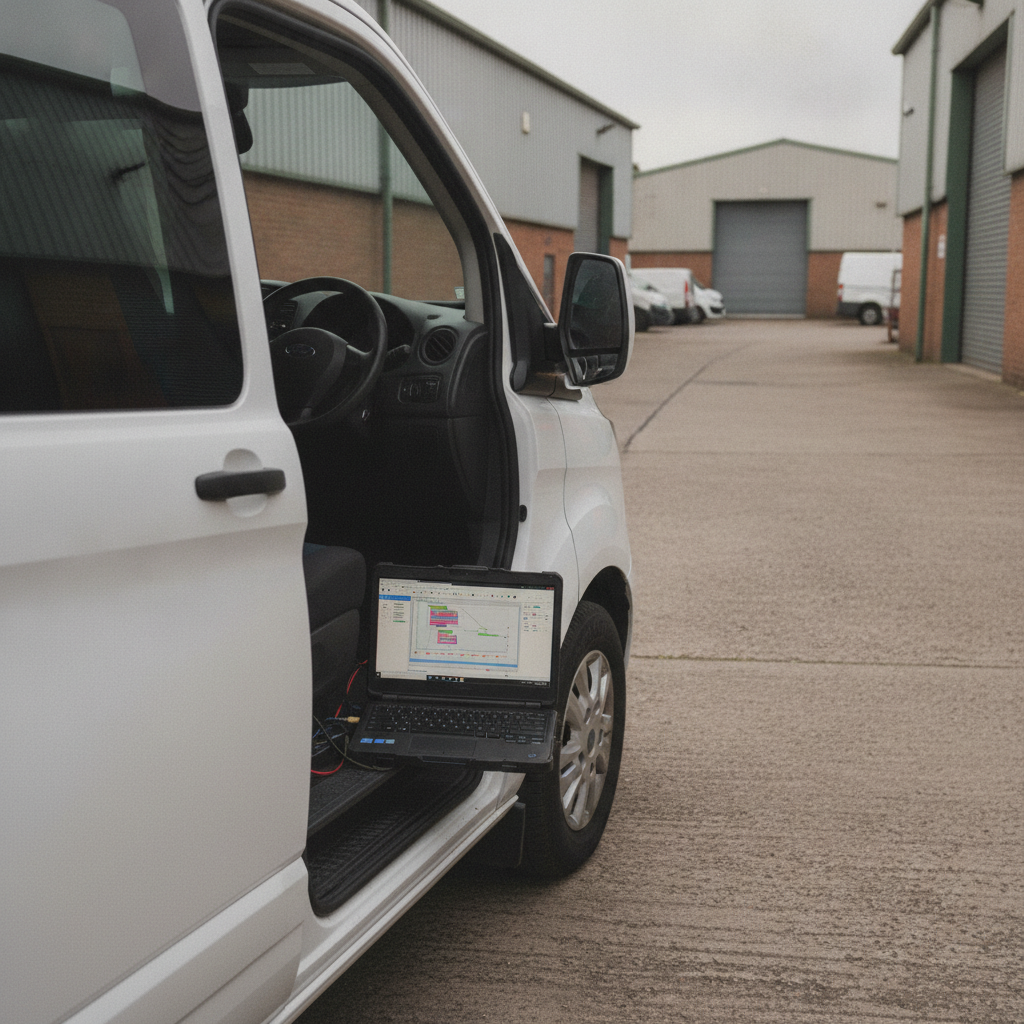
Leicester Remaps provides mobile ECU diagnostics and lambda/CAT software solutions across Leicester, Loughborough, Coventry, Nottingham, Rugby, Tamworth and surrounding areas. We come to you, carry out a full diagnostic before any work, and explain your options clearly before anything is agreed.
Get in touch to book a diagnostic or ask about your vehicle →
Leicester Remaps — mobile ECU remapping, diagnostics and software solutions in Leicester, Leicestershire and the Midlands. Phone: 07849 475 153.