Van Speed Limiter Removal: Cost, Legality and What to Expect
If your van feels like it’s holding you back on the motorway — especially when you need to overtake safely — you’re probably already familiar with the factory speed limiter. This guide explains what removal involves, what it costs, the legal position in the UK, and why an ECU-based solution is the cleanest way to do it.
Topic: speed limiter & remapping
Vehicle type: vans & commercial vehicles
Location: Leicester & Midlands
In this guide
What Is a Van Speed Limiter?
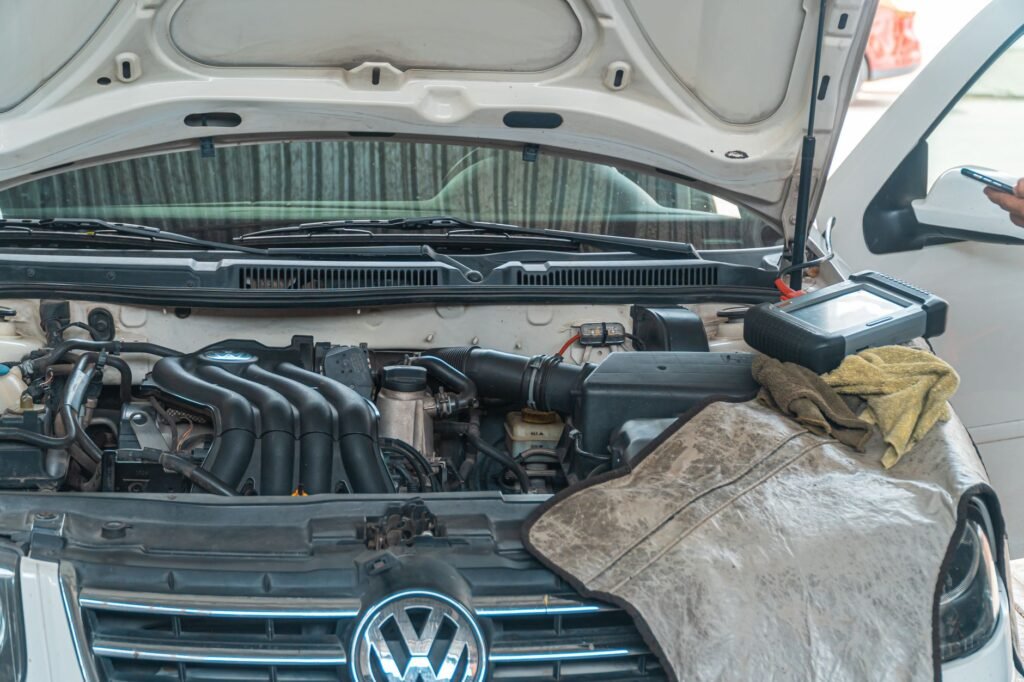
Most modern vans come from the factory with a speed limiter set at 70 mph or, in some cases, as low as 56 mph for certain commercial vehicle classifications. The limiter is controlled through the ECU — the engine’s central computer — and prevents the vehicle from accelerating beyond the set threshold regardless of throttle input.
For many drivers, this causes a specific and frustrating problem: the van is perfectly capable of cruising comfortably at 75–80 mph, but the limiter cuts in, creating hesitation, inconsistent speed on hills, or an inability to overtake safely on dual carriageways and motorways.
This is not a mechanical issue with the vehicle. It is a software-level restriction set by the manufacturer, often to comply with fleet management standards or European commercial vehicle regulations for specific vehicle weight categories.
Not all van limiters are the same
Some vans have a hard limit set in the ECU. Others have a governor linked to the throttle mapping. The method of removal or adjustment depends on which type your van uses, which is why a diagnostic check before any work is the right starting point.
Is Van Speed Limiter Removal Legal in the UK?
This is the question most van owners want answered first — and the answer depends on the vehicle classification.
Passenger cars and light vans (under 3.5 tonnes GVW)
For privately registered passenger cars and vans under 3.5 tonnes GVW, there is no UK law that makes it illegal to adjust or remove a factory speed limiter. The car or van is not required by law to have one. Removing or adjusting it through ECU software is legal, provided the vehicle still passes MOT requirements and is roadworthy.
You must still comply with the Highway Code and the national speed limits. Speed limiter removal does not exempt the driver from speeding law — it simply removes the electronic restriction that was previously preventing the vehicle from being driven at higher speeds.
Heavier commercial vehicles (over 3.5 tonnes GVW)
Vehicles over 3.5 tonnes — larger vans, minibuses, lorries — are subject to different rules. EU Regulation 92/6/EEC (still applicable in UK law post-Brexit) requires speed limiters to be fitted and operational on these vehicles when used commercially. Removing or tampering with the limiter on a qualifying vehicle can result in prosecution and significant fines.
If you are unsure which category your van falls into, check the V5 registration document for the gross vehicle weight (GVW). Anything under 3.5 tonnes is a light goods vehicle. Anything above falls into the commercial vehicle regulations that mandate a working speed limiter.
Commercial use matters
Even if your van is under 3.5 tonnes, if it is registered for commercial use and plated differently, check the specific requirements with a professional before making any changes. Leicester Remaps will confirm your vehicle’s category during the diagnostic stage before any work is agreed.
MOT implications
Speed limiters are not a specific MOT check for passenger cars and light vans. Removing a speed limiter on a vehicle that does not legally require one will not cause an MOT failure. The MOT tests roadworthiness — brakes, lights, emissions, structural condition — not whether an optional electronic restriction is present or absent.
How Is Van Speed Limiter Removal Done?
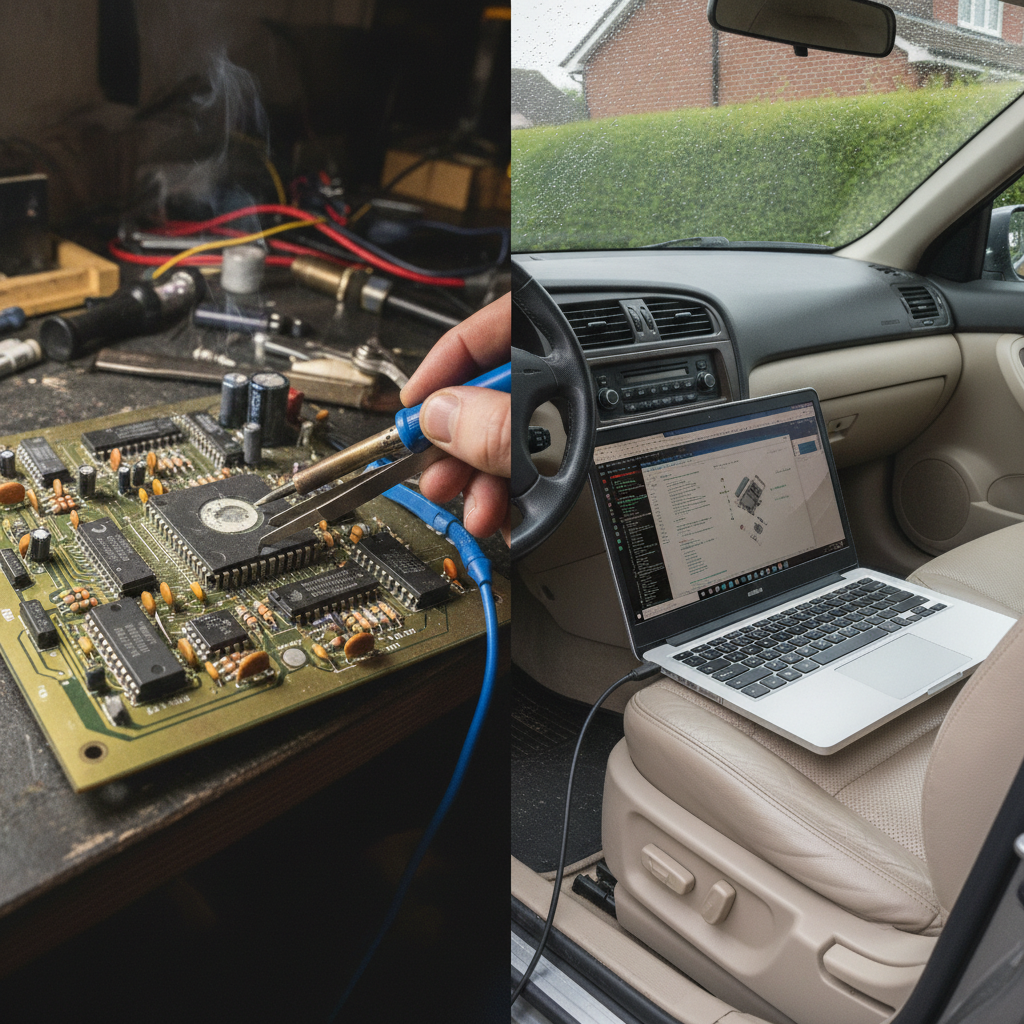
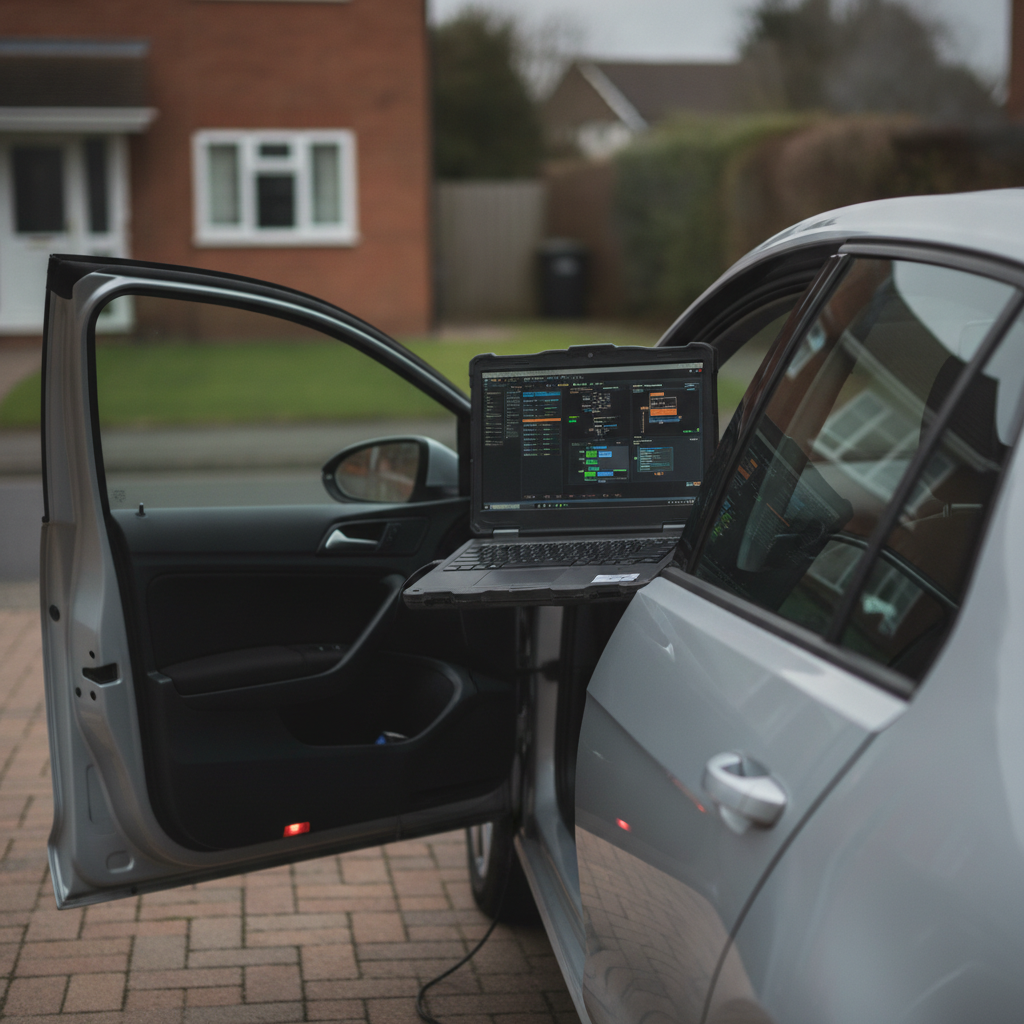
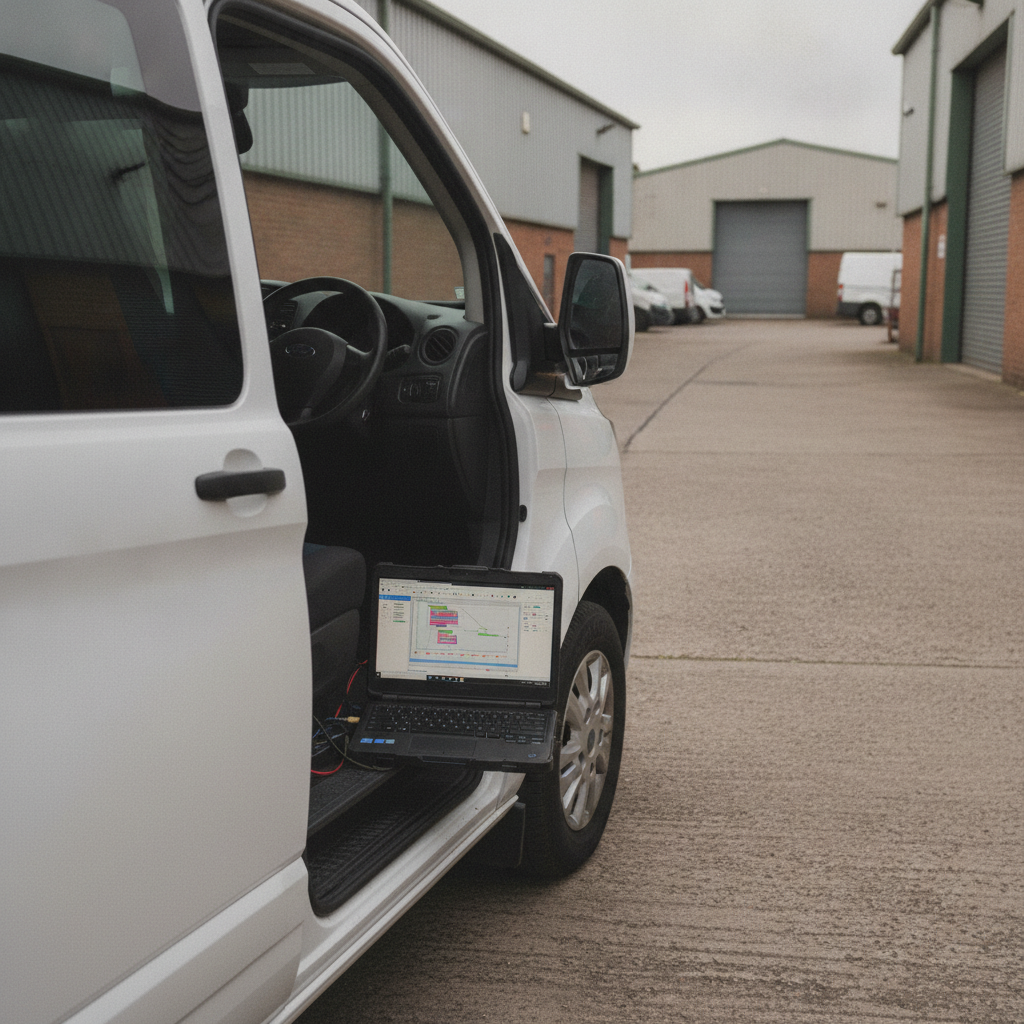
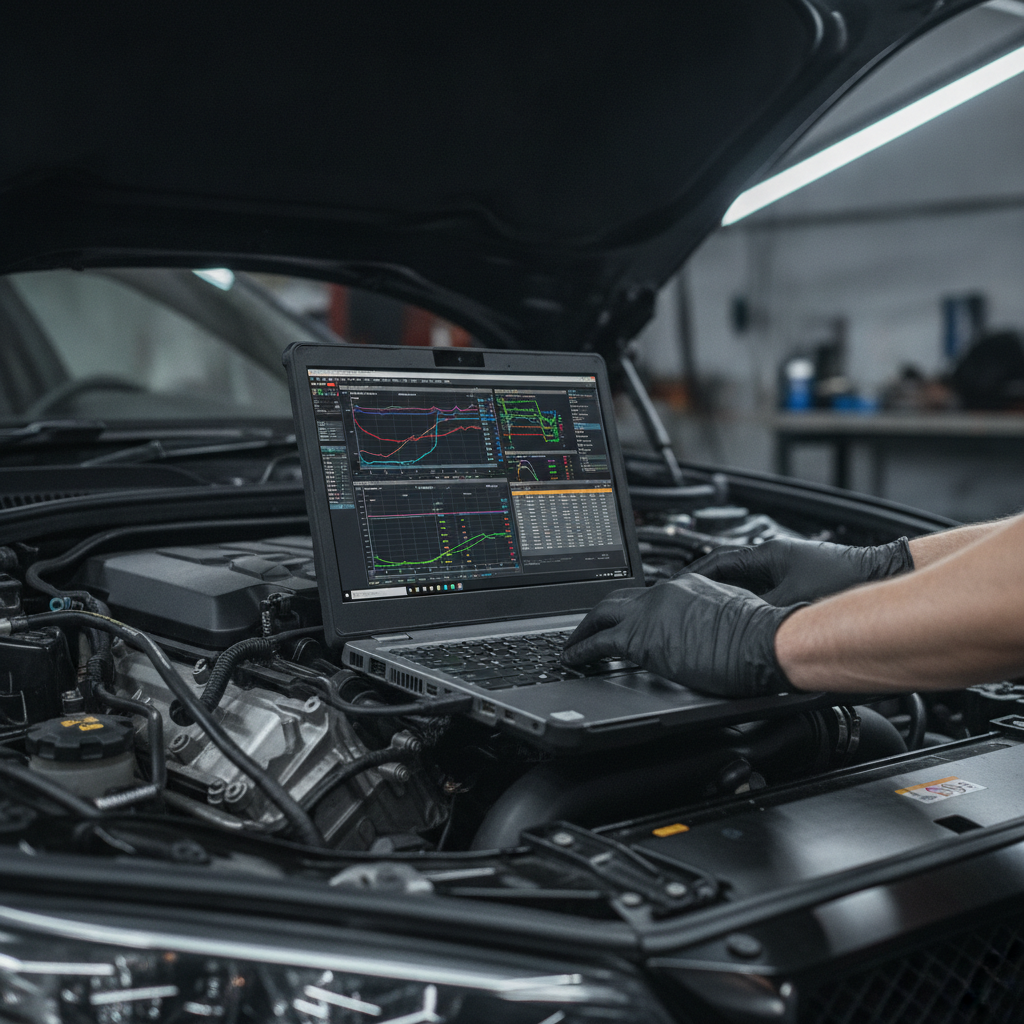
The most reliable and cleanest method for modern vehicles is ECU remapping. This involves connecting to the vehicle’s OBD port using professional tuning hardware, reading the ECU file, modifying the speed limit parameter, and writing the adjusted file back to the ECU.
This approach is clean because it is entirely software-based — there are no physical changes to the vehicle, no cut wires, and no aftermarket devices spliced into the wiring loom. The adjustment is made at the source: the ECU itself.
What the process looks like
- Initial diagnostic check to confirm ECU compatibility and van category
- Connection to OBD port using professional hardware (Autotuner, KESS or equivalent)
- Original ECU file backed up before any changes are made
- Speed limit parameter adjusted in the ECU map
- Modified file written back to the ECU
- Post-remap test drive to confirm smooth operation
The whole process can typically be completed in under two hours, and because Leicester Remaps operates as a mobile service, it is carried out at your home, your workplace, or wherever the van is parked. No workshop drop-off needed.
Can it be combined with a performance remap?
Yes. For many van owners, speed limiter removal is done alongside a Stage 1 remap. This addresses the limiter while also improving throttle response, torque delivery and in some cases fuel efficiency. If you spend a lot of time on A-roads and motorways with a loaded van, the combination often makes a noticeable practical difference to how the vehicle drives.
Why ECU-based removal is better than alternatives
Some older methods involve cutting or bypassing physical speed governor cables or adding piggyback modules. These approaches are messier, less reliable, and harder to reverse. An ECU-based adjustment is cleaner, reversible, and leaves no trace of additional hardware.
How Much Does Van Speed Limiter Removal Cost?
The cost of van speed limiter removal through ECU remapping varies depending on the vehicle, the ECU type, and whether any additional tuning is being done at the same time.
| Service | Typical price range | Notes |
|---|---|---|
| Speed limiter removal only (ECU remap) | £100–£200 | Depends on ECU type and vehicle complexity |
| Speed limiter removal + Stage 1 remap | £200–£350 | Combined service — better value than two separate visits |
| Mobile callout (Leicester Remaps) | Included in service cost | We come to you — no workshop fees or waiting times |
These are indicative figures. The exact cost depends on the specific van model and ECU. Some ECUs are more straightforward to work with than others. Getting a specific quote for your vehicle before booking is always the right approach.
Common vans we work with include the Ford Transit, Ford Transit Custom, Mercedes Sprinter, Vauxhall Vivaro, Volkswagen Transporter, Renault Trafic, and Citroën Berlingo range, among others.
Is it worth it?
For drivers who regularly use motorways or A-roads and find the factory limiter creates safety issues when overtaking, the answer is typically yes. The cost is a one-off. The improvement in driveability — particularly in loaded vans where the limiter feels more intrusive — is immediate.
If you are also considering a Stage 1 remap for improved torque and fuel economy, doing both at the same time is more economical than two separate visits.
Who Typically Asks for Speed Limiter Removal?
Speed limiter removal is most common among:
- Self-employed tradespeople who use vans privately as well as commercially and find the limiter frustrating on longer motorway journeys
- Drivers who have bought a commercial-spec van privately — ex-fleet vehicles are often set to 56 or 62 mph for fleet management purposes, and these limits are frequently left in place when the vehicle is sold
- Van owners who have noticed the limiter cutting in inconsistently on hills, when the van is loaded, or when trying to maintain a safe overtaking speed
- Performance-minded drivers who want a more natural, unrestricted driving feel from a vehicle that is technically capable of more
Ex-fleet vans
One common scenario is a privately purchased ex-fleet van with a 56 mph speed limiter that was set by the fleet operator to reduce fuel costs and enforce safe driving policies. When the van is sold privately, that setting often remains. New owners are frequently unaware the limiter is even set until they find themselves unable to keep pace with motorway traffic.
Checking for this when buying a used van is straightforward — drive it up to 60 mph and see whether there is any cut or hesitation. If there is, an ECU diagnostic will confirm the limit and what can be done about it.
Speed Limiter Removal and Insurance
Like any ECU modification, speed limiter removal should be declared to your insurer. It is an ECU software change and counts as a modification under standard UK insurance terms.
In practice, the premium impact for speed limiter removal on a light van is usually small. Insurers are primarily concerned with performance increases — and speed limiter removal on its own does not increase engine power or torque. However, it is still a modification that must be declared, and failing to do so is a material non-disclosure.
If you are combining speed limiter removal with a Stage 1 remap, the remap is the more significant change to declare. Either way, contact your insurer after the work is done and keep a record of the modification for your files.
Mobile service across the Midlands
Leicester Remaps covers Leicester, Loughborough, Coventry, Nottingham, Rugby and surrounding areas. We come to you — van does not need to go to a workshop.
Common Questions
Will speed limiter removal affect my MOT?
For light vans and passenger cars, speed limiters are not a specific MOT check. Removing a factory-set speed limiter on a vehicle that does not legally require one will not cause an MOT failure. The MOT tests safety and roadworthiness, not whether an optional software restriction is present.
My Ford Transit has a 70 mph limiter — can it be removed?
Yes. The Ford Transit is one of the most common vans we work with for speed limiter removal. The limiter is set in the ECU and can be adjusted or removed through the OBD port. A diagnostic check will confirm the exact setup on your Transit before any work is agreed.
Can the limiter be set to a different speed rather than removed entirely?
Yes. In most cases the limit can be adjusted rather than removed outright — for example, raising it from 62 mph to 80 mph rather than eliminating it altogether. If you have a preference, mention it when booking and we will confirm whether it is possible for your specific vehicle.
How long does speed limiter removal take?
Typically under two hours for speed limiter removal on its own. Combined with a Stage 1 remap, allow two to three hours. The work is done at your location — no need to leave the van at a workshop.
Can the speed limiter be put back if needed?
Yes. Leicester Remaps backs up the original ECU file before any changes are made. The vehicle can be returned to its factory-set speed limit at any point if needed — for example, if you sell the van or return it to a fleet operator.
Book Mobile Speed Limiter Removal Across the Midlands
Leicester Remaps offers mobile speed limiter removal and ECU remapping across Leicester, Loughborough, Coventry, Nottingham, Rugby, Tamworth and the surrounding Midlands area. We come to your home or workplace, carry out a full diagnostic before any work, and retain your original ECU file throughout.
Leicester Remaps — mobile ECU remapping and speed limiter removal in Leicester, Leicestershire and the Midlands. Phone: 07849 475 153.