How ECU Remapping Works: The Technical Process Explained
You know remapping can improve your car’s performance — but how does it actually work?
This guide explains what the ECU does, what a tuner changes inside it, and why the results vary so much between vehicles and tuning styles.
What the ECU controls
The tuning process step-by-step
Why results vary
Jump to a section
- What is the ECU and what does it control?
- What is an engine map?
- Why are factory maps conservative?
- How does the remapping process work?
- What parameters can be changed?
- What can’t be changed through remapping?
- Why do results vary so much between vehicles?
- Remote maps vs live tuning: what’s the difference?
What is the ECU and what does it control?
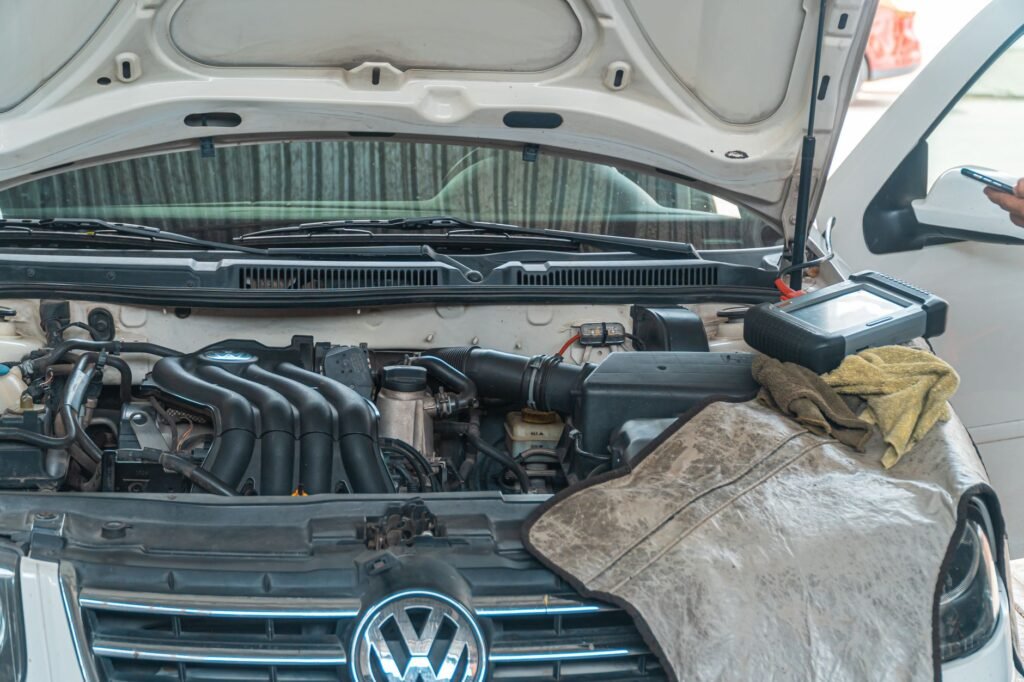
The ECU — engine control unit — is the computer that manages how your engine runs.
Every modern car has one, and it sits at the centre of a network of sensors and actuators that collectively keep the engine operating within defined parameters.
The ECU receives data from sensors measuring things like:
- Throttle position (how far you’ve pressed the accelerator)
- Engine RPM (how fast the engine is spinning)
- Airflow into the engine (mass airflow sensor)
- Manifold pressure (especially important on turbocharged engines)
- Coolant and intake air temperature
- Oxygen levels in the exhaust (lambda sensors)
- Knock or detonation (knock sensors)
Based on this data, the ECU makes real-time decisions: how much fuel to inject, when to fire the spark plugs, how much boost the turbo should produce, when to upshift if it’s an automatic, and dozens of other variables.
It’s doing this hundreds of times per second, constantly referencing lookup tables — called maps — to determine the correct output for any given set of conditions.
What is an engine map?
An engine map — or calibration file — is a collection of lookup tables stored in the ECU’s memory.
Think of them as three-dimensional spreadsheets where one axis might be RPM, another might be engine load, and the values in each cell tell the ECU what to do at that exact combination of conditions.
A typical ECU file contains dozens or hundreds of these tables.
Some are straightforward: the fuel map tells the ECU how much fuel to inject at each RPM and load point.
Others are more complex: the ignition timing map defines the advance angle for every RPM and load combination, affecting both power output and the risk of engine knock.
These tables are written by the manufacturer’s engineers during development — initially on dynamometers in laboratories, then refined through real-world testing.
The result is a calibration that works safely across the full range of conditions the vehicle might encounter.
The map is not the engine
The ECU map is software. It tells the engine what to do, but it doesn’t change the physical hardware.
Remapping changes the instructions — it doesn’t physically modify any engine components.
Why are factory maps conservative?
Manufacturers don’t always map vehicles to extract maximum performance. There are several practical reasons for this:
- Global emissions compliance: Vehicles must meet strict emissions standards across many different markets and regulatory frameworks. A conservative fuel map helps ensure compliance.
- Platform differentiation: The same engine is often used across multiple models at different price points. A Golf 1.5 TSI and a Golf R share platform DNA. Keeping the entry-level version below its potential is sometimes a deliberate commercial choice.
- Reliability and longevity targets: Manufacturers design for warranty periods and expected vehicle lifespans. Running at peak output increases stress on components, so the stock map often operates with a significant safety margin.
- Fuel quality variation: A car sold globally must function on fuel of varying quality. A conservative ignition timing advance is safer when fuel quality is unpredictable.
- Thermal management: Factory maps often manage heat conservatively, limiting performance when the engine or turbo is under thermal stress to protect hardware.
These margins — the gap between where the factory runs the engine and where it could safely run — are what remapping accesses.
How does the remapping process work step by step?
The process varies depending on the vehicle and the tuner’s approach, but the core steps are consistent:
1. Vehicle assessment
A responsible tuner checks the vehicle’s condition before touching the ECU.
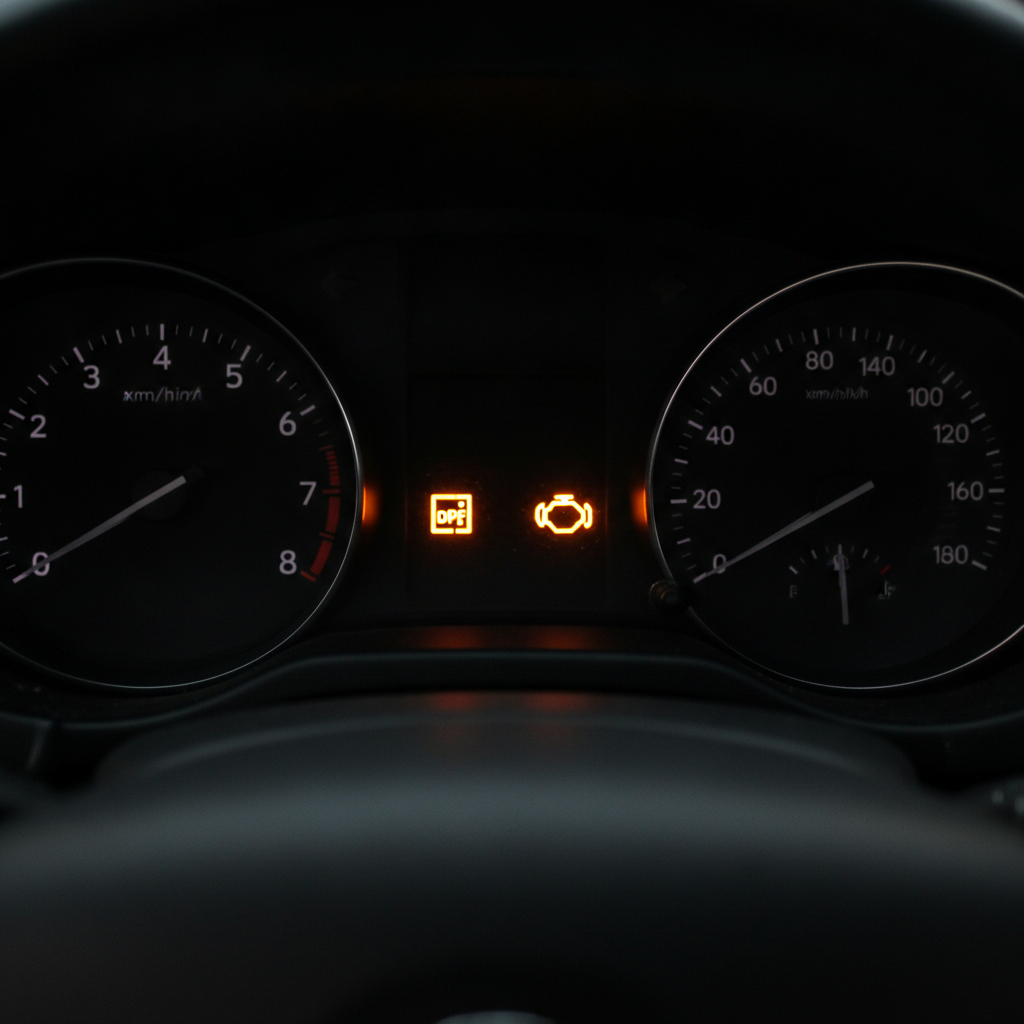
This means reading existing fault codes, checking service history, and assessing whether the engine is in a suitable state for remapping.
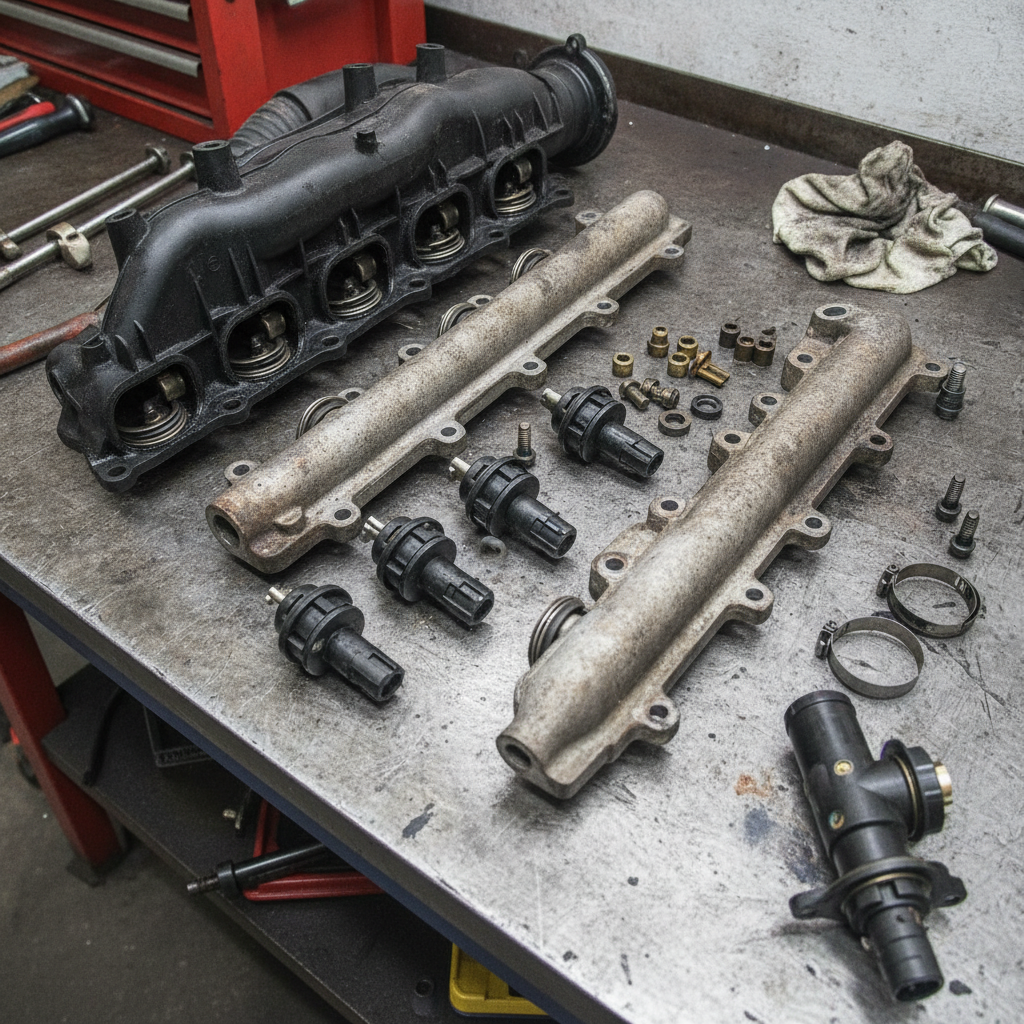
Remapping a vehicle with underlying issues — worn injectors, a failing turbo, or coolant leaks — compounds those problems rather than masking them.
2. Reading the ECU
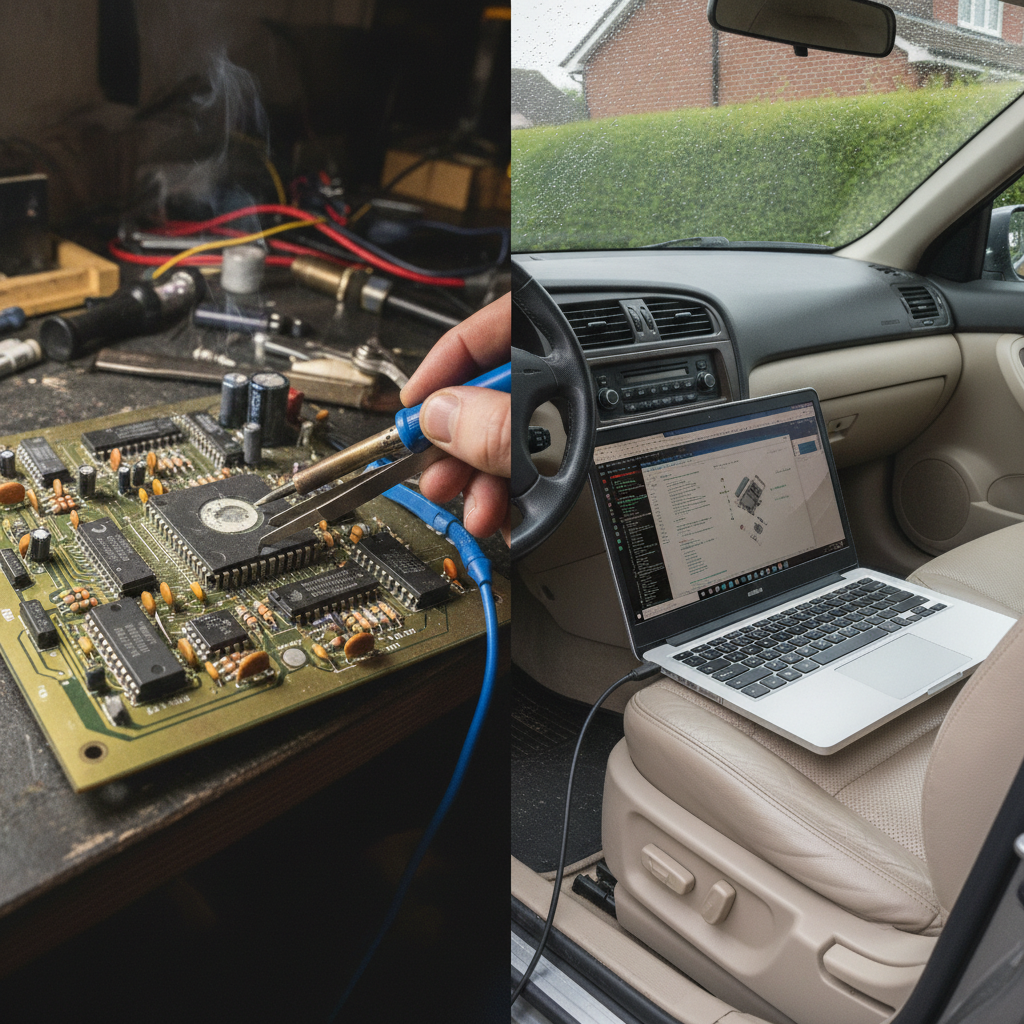
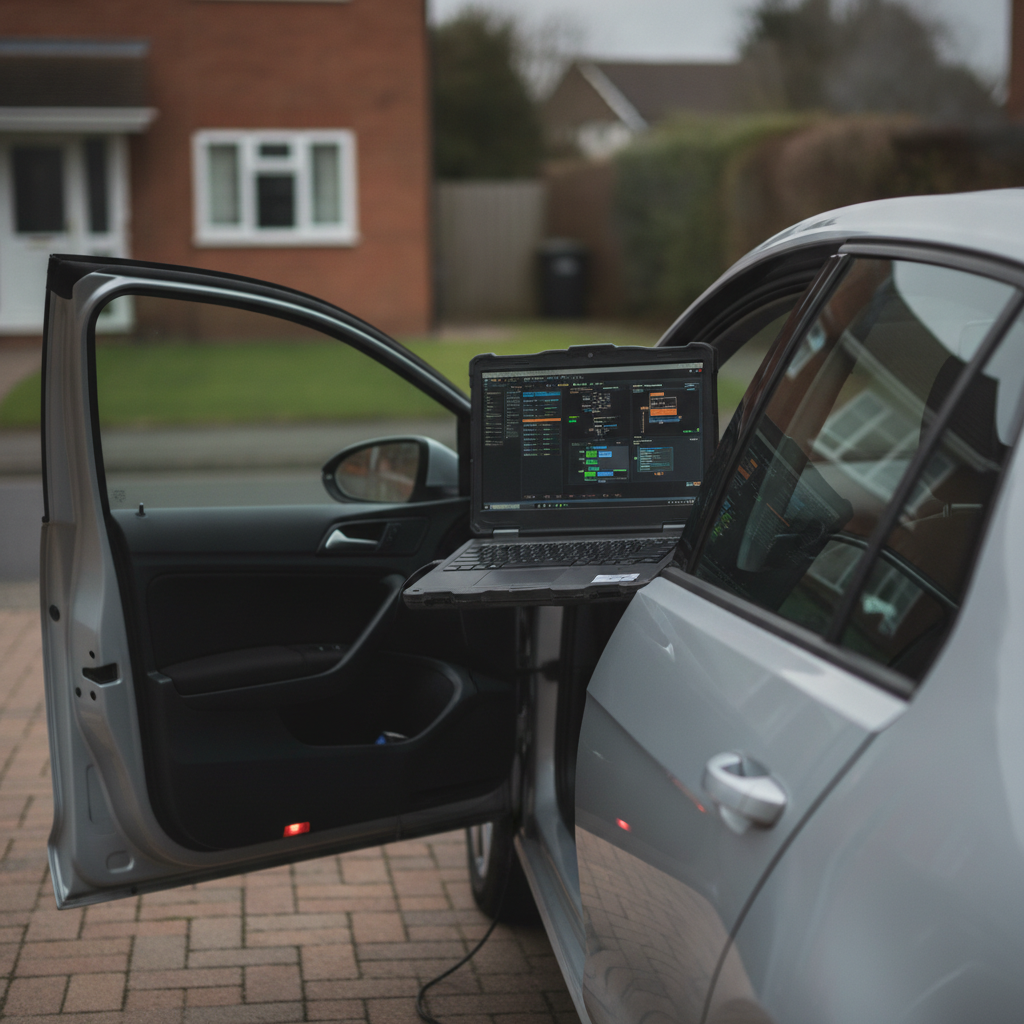
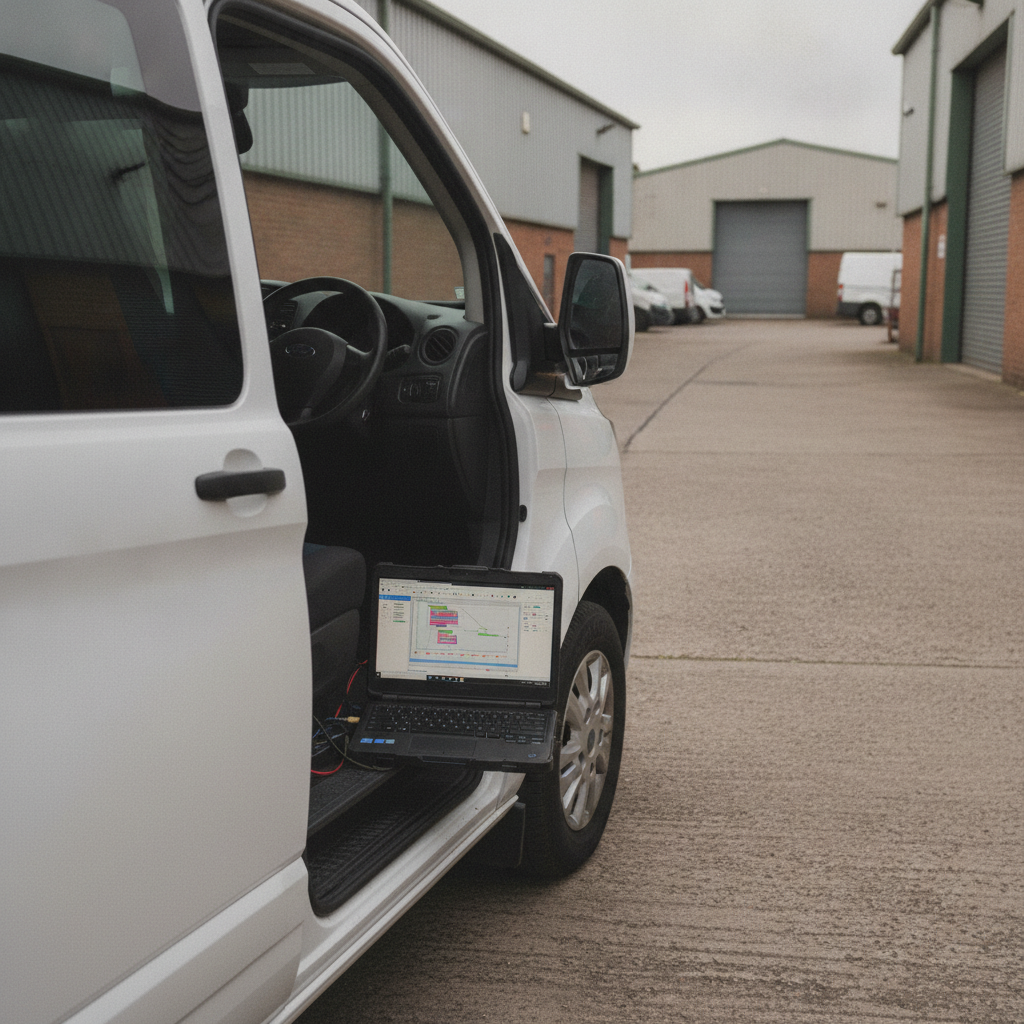
The tuner connects to the ECU via the OBD-II port — the diagnostic socket usually found under the dashboard — using specialist software and hardware.
Some vehicles require a more direct connection directly to the ECU unit itself, which may mean removing the ECU from the vehicle.
The tuner reads the existing calibration file from the ECU’s memory.
A copy of the original, unmodified file is saved — this is important for warranty restoration and troubleshooting.
3. Modifying the calibration
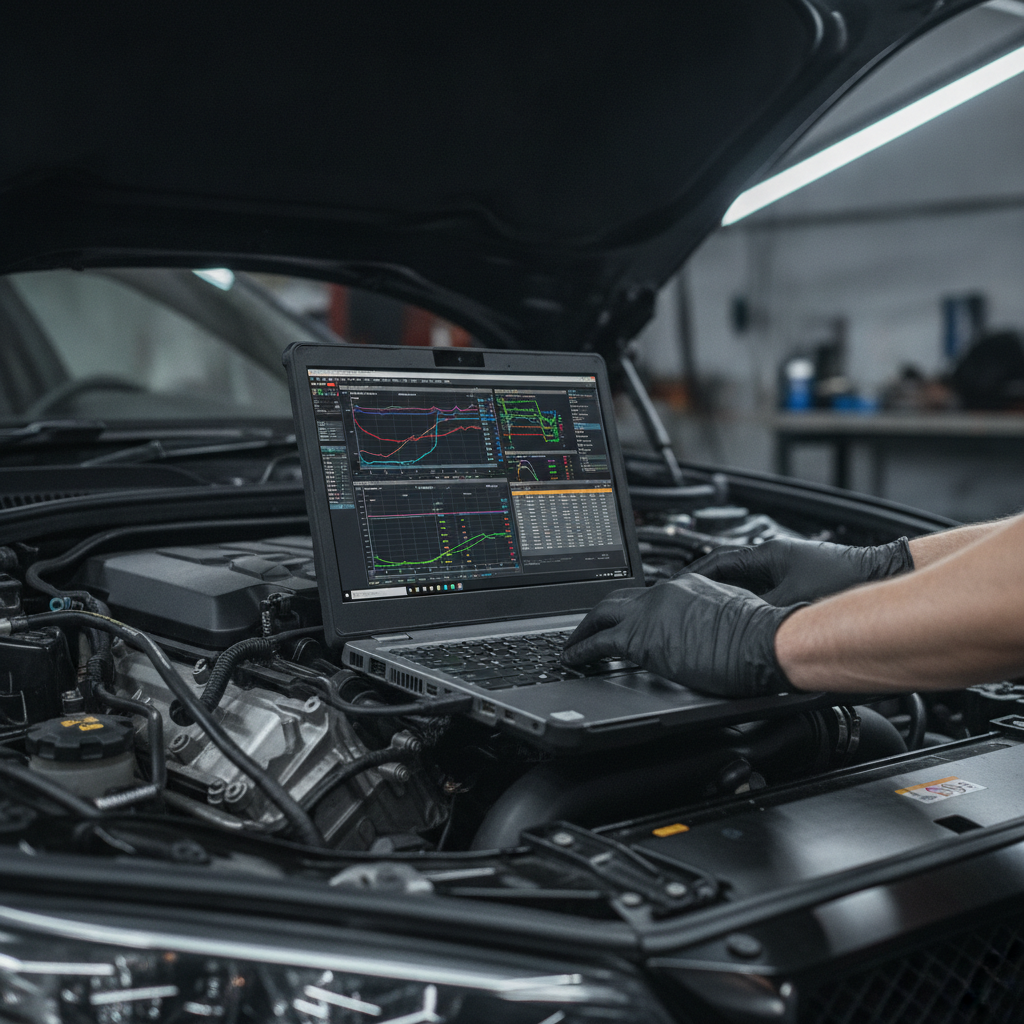
Using specialist tuning software, the tuner works through the relevant lookup tables.
This is not a case of simply turning everything up to maximum — a skilled tuner makes precise, calibrated changes to specific tables while leaving others untouched.
For a diesel performance remap, this typically includes:
- Increasing the maximum fuel quantity injected per cycle
- Raising the boost pressure limit for the turbo
- Adjusting injection timing for improved combustion efficiency
- Increasing the torque limiter threshold
- Modifying the speed limiter if required
For a petrol engine the tables involved are different but the principle is the same: targeted changes within safe parameters.
4. Writing the new file
Once the modified file is ready, the tuner writes it back to the ECU through the OBD port (or direct connection).
This process takes a few minutes. The ECU replaces its stored calibration with the new version.
5. Test drive and verification
A responsible tuner will take the vehicle for a test drive after flashing the new file.
This verifies the map is working as expected and checks for any fault codes, knock events, or unexpected behaviour before handing the vehicle back.
What parameters can be changed through remapping?
The specific parameters accessible depend on the vehicle’s ECU and the tuning software available for it.
On most modern vehicles, tuners can adjust:
- Fuel injection quantity and timing — how much fuel enters the cylinders and when it’s injected
- Ignition timing advance — on petrol engines, when the spark fires relative to piston position
- Boost pressure targets — on turbocharged engines, how hard the turbo is pushed to spool
- Torque limiters — upper limits placed on torque output, often set conservatively at the factory
- Rev limiters — the maximum RPM the engine will reach before fuel or spark is cut
- Speed limiters — electronically imposed top speed limits
- Throttle response maps — how aggressively the engine responds to throttle input, affecting the feel of the car
- Overrun behaviour — for pops and bangs maps, fuel cut and timing on deceleration
What can’t be changed through remapping?
Remapping is software-only. It cannot compensate for hardware limitations.
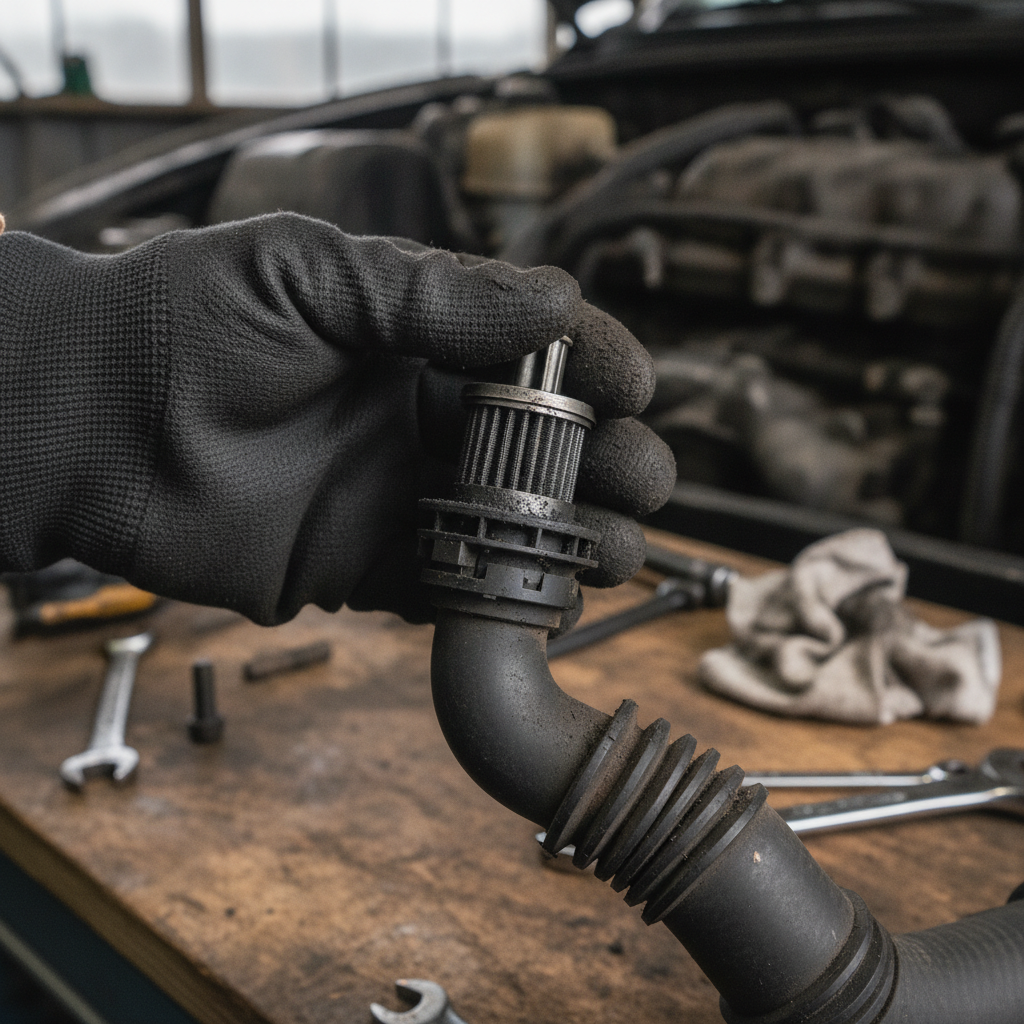
- Worn hardware: Remapping a vehicle with weak injectors, a failing turbo, or a worn fuel pump doesn’t fix the hardware — it may accelerate the problem.
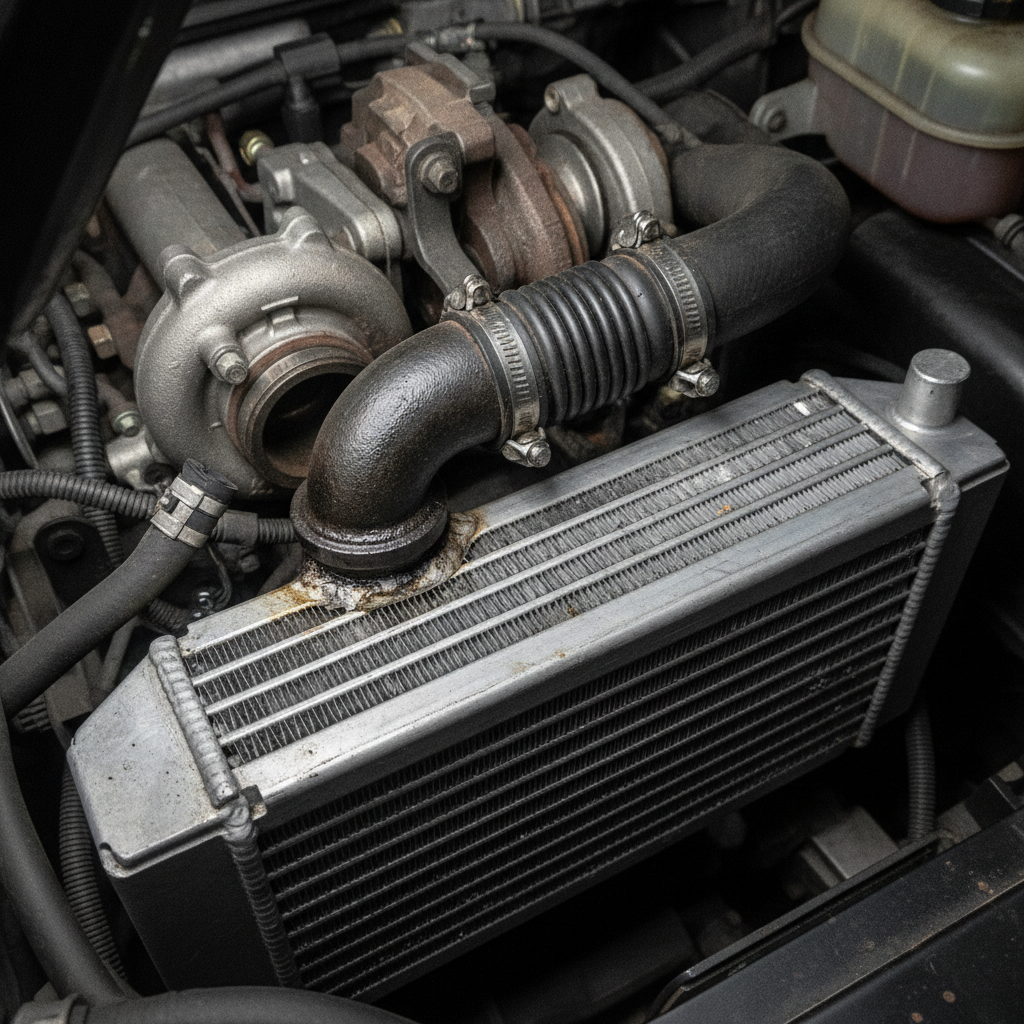
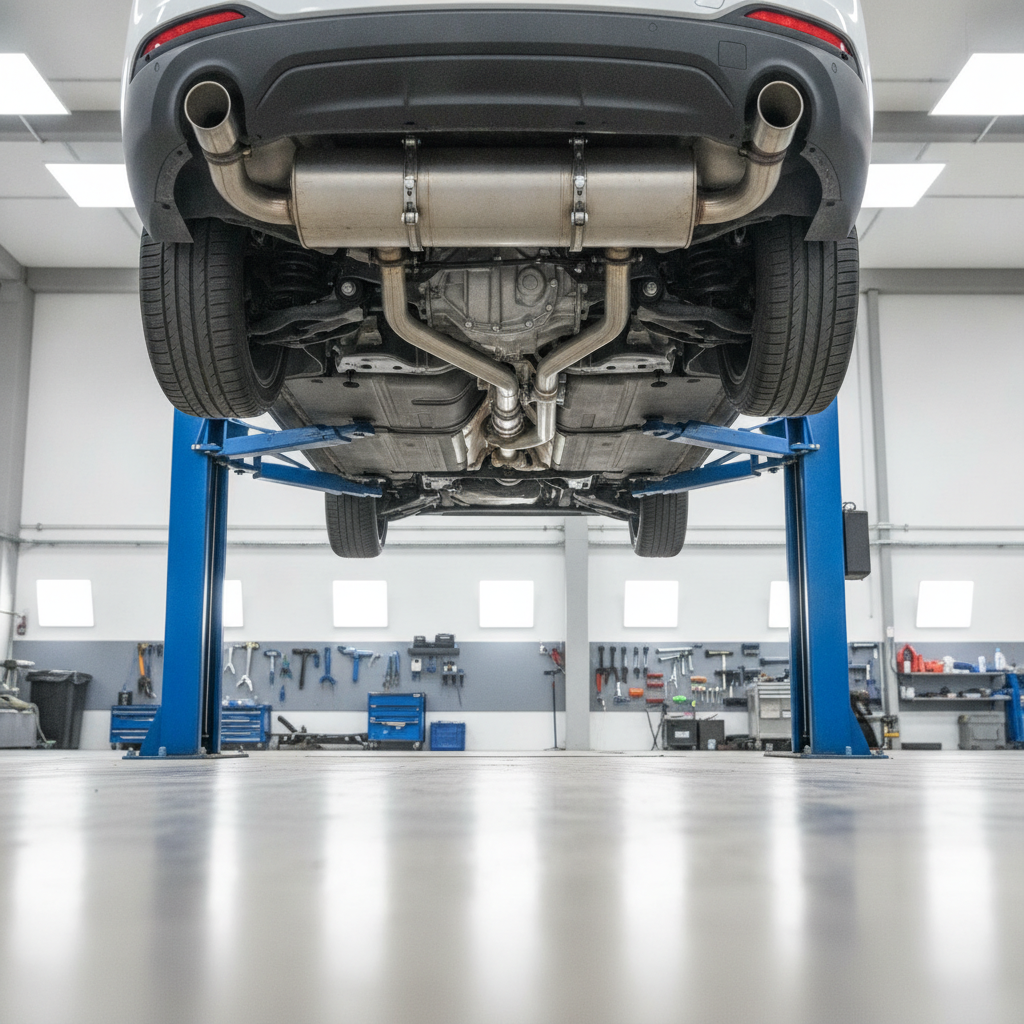
- Airflow restrictions: If the intake or exhaust is highly restrictive, there’s a ceiling on what software changes alone can achieve. That’s why Stage 2 remaps pair software with hardware upgrades like upgraded intercoolers or free-flow exhausts.
- Gearbox and clutch limits: Additional torque puts additional stress on the drivetrain. Remapping the engine doesn’t upgrade the gearbox or clutch to handle it.
- Fundamental engine design: If a naturally aspirated engine has a modest compression ratio and small capacity, remapping cannot transform it into a high-performance unit. The gains are real but modest.
Why do results vary so much between vehicles?
Two vehicles can undergo the same Stage 1 remap process and come out with very different percentage gains.
This comes down to a few key factors:
How conservative the factory map was
A turbocharged diesel with a heavily de-tuned factory map — because the same engine runs in a more powerful trim — has a lot of headroom to access.
A naturally aspirated petrol engine running close to its natural limits has far less.
The bigger the factory margin, the bigger the potential gain.
Engine and turbo hardware
A larger turbocharger, higher-flow injectors, or a freer-breathing exhaust all give the remap more to work with.
Standard hardware has natural limits that software cannot exceed safely.
Condition of the vehicle
A well-maintained engine in good health responds to remapping better than a tired, poorly serviced one.
Worn injectors, a weaker turbo, or a tired intercooler limit what the tuner can safely access.
Tuner skill and software quality
An experienced tuner with proper dyno access and the right software for your vehicle will write a better, more precisely calibrated file than a generic remote tune.
The result in terms of power, driveability, and reliability reflects the quality of the work.
Typical gains as a guide only
Typical Stage 1 gains are often quoted as 20–30% for turbo diesels and 10–20% for turbo petrols.
These are averages — your specific vehicle may see more or less depending on all the factors above.
Any tuner quoting you exact guaranteed numbers without seeing the vehicle should be treated with scepticism.
Remote maps vs live tuning: what’s the difference?
There are two broad approaches to how a remap is delivered:
Remote or file-based tuning
The ECU file is read from the vehicle, sent to a tuner, and a modified file is returned and written back.
This can be done by a mobile technician who reads and writes at your location, with the calibration work done off-site by the specialist.
It’s efficient and common for well-documented platforms where reliable base maps already exist.
Live or rolling road tuning
The vehicle is placed on a dynamometer (rolling road) and the tuner adjusts the map in real time while monitoring power output, air-fuel ratios, boost pressure, and knock.
This is more precise for vehicles seeking maximum performance or for modified vehicles where factory base maps are less applicable.
It costs more and takes longer, but delivers a more finely calibrated result.
For most Stage 1 performance remaps on well-supported platforms, a file-based approach by a qualified specialist produces excellent results.
Live tuning becomes more important at higher power levels or on heavily modified vehicles.
Want to know what remapping would do for your specific vehicle?
Leicester Remaps carries out mobile ECU remapping across Leicester, Leicestershire, and the wider Midlands.
If you’d like an honest assessment of what a remap could achieve on your car — including realistic power gains and what the process involves — get in touch.
Explore our ECU remapping service or
contact us to discuss your vehicle.