Commercial Van Remap for Fuel Economy: Is It Worth It?
Running a diesel van — whether it’s a Ford Transit, VW Transporter, Mercedes Sprinter
or any other workhorse — means fuel costs are a constant. An ECU remap can meaningfully
improve fuel economy, restore sluggish driveability, and reduce the strain of laden
motorway runs. Here’s what to expect and whether the numbers actually stack up.
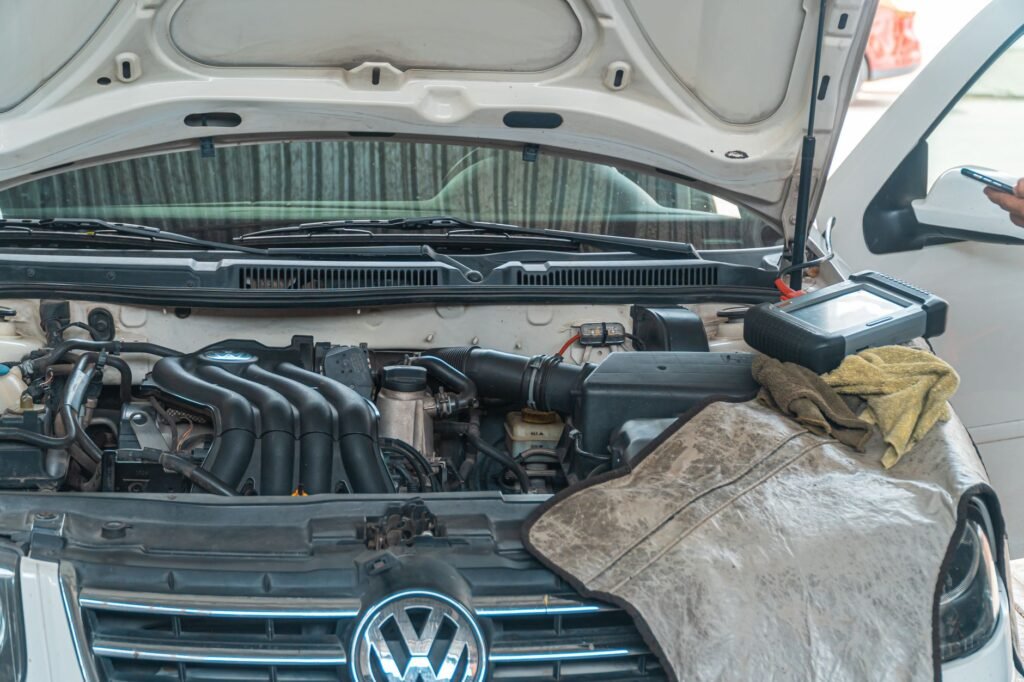
Commercial diesel van tuning
Realistic fuel savings
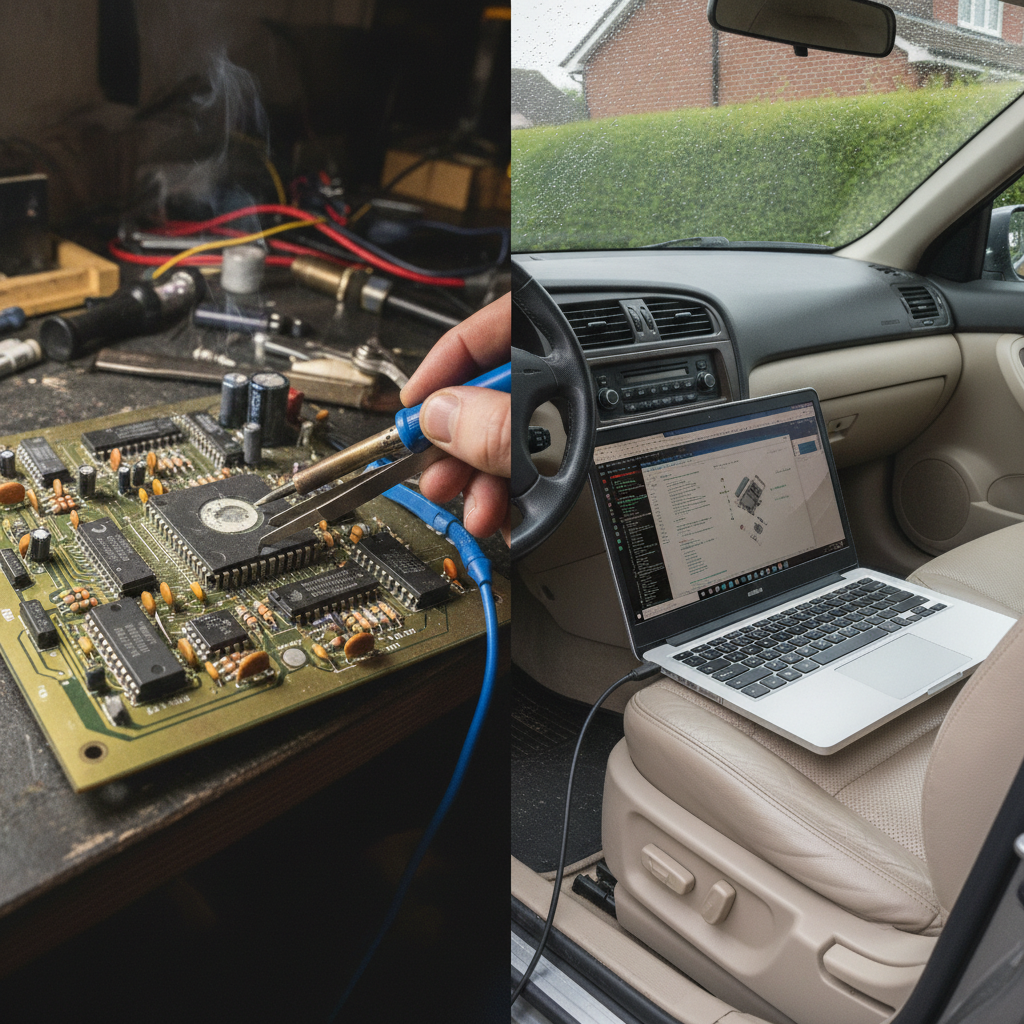
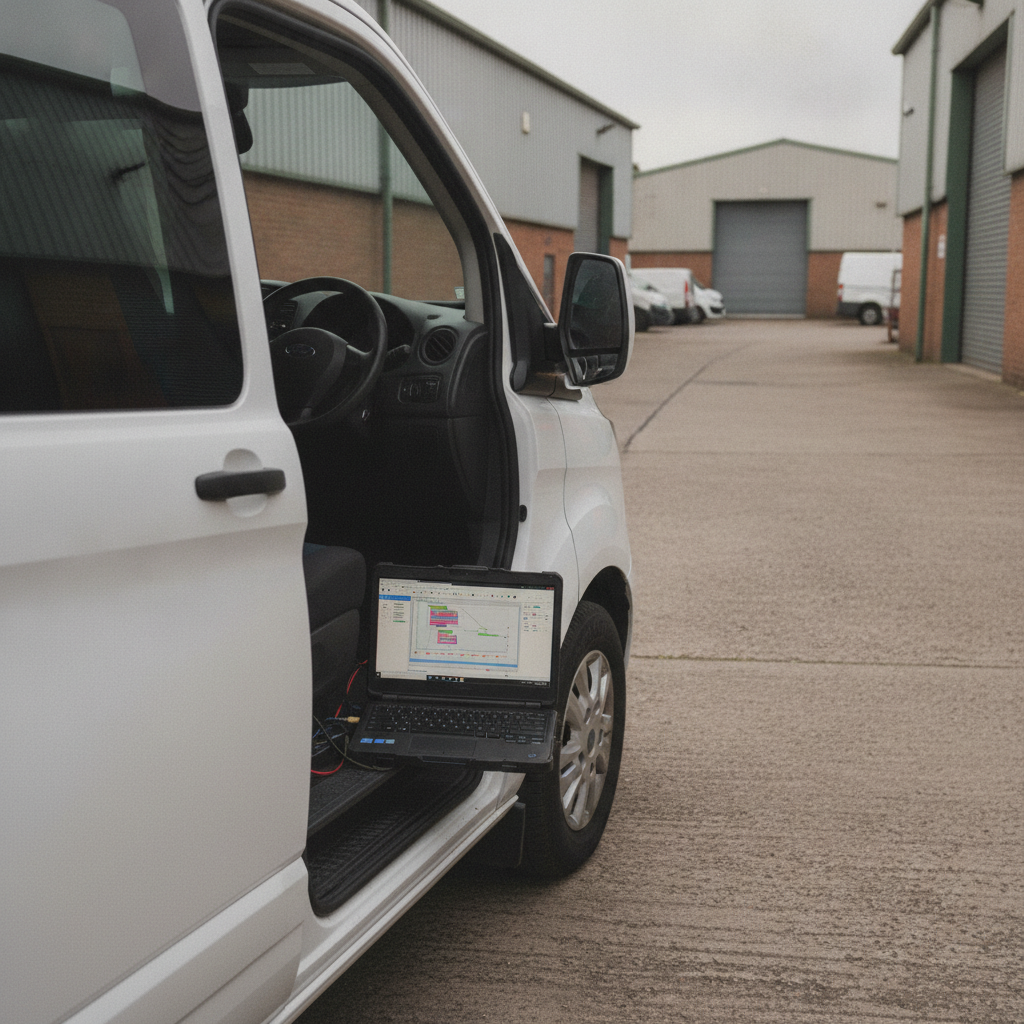
Mobile remap for tradespeople
Jump to a section
- Why commercial vans are tuned conservatively from the factory
- What a remap does for a diesel van
- How much can you actually save on fuel?
- Which van models benefit most
- Driveability changes you’ll notice
- Impact on engine reliability
- Short journeys and the remap effect
- Mobile remap for tradespeople and fleet operators
- What to check before booking
Why commercial vans are tuned conservatively from the factory
Modern commercial diesel vans leave the factory in a deliberately restrained state.
Manufacturers calibrate their van ECUs to balance emissions compliance, engine longevity
across a wide range of operating conditions, and safe performance at maximum payload.
The result is a vehicle that’s reliable and manageable under almost any conditions —
but one that’s leaving performance and efficiency on the table.
Manufacturers also use common engine platforms across multiple models and markets.
A 2.0-litre diesel engine may appear in several van variants at different power outputs
— 100 bhp, 130 bhp, 160 bhp — with the differences often determined almost entirely
by software rather than hardware. The factory conservatism is partly intentional and
partly a product of designing for the broadest possible use case rather than optimising
for any individual driver.
What this means in practice: the engine in your van almost certainly has headroom that
the factory tune is not using. A remap written specifically for that engine and its
current condition can reclaim that headroom in a controlled and measured way.
What a remap does for a diesel van
An ECU remap modifies the software parameters that govern how the engine operates —
primarily fuelling, boost pressure, and injection timing. These parameters directly
influence how efficiently the engine converts diesel into usable power and torque.
For a diesel van, the most relevant changes a remap delivers are:
- Increased torque at low and mid-range revs: This is where van drivers feel it most. Better low-rev torque means pulling away from junctions, overtaking on A-roads, and climbing loaded feel noticeably less laboured.
- Sharper throttle response: Factory van tuning often includes a deliberately softened throttle response. A remap removes that hesitation and makes the van feel more responsive to inputs.
- Improved part-throttle efficiency: The remap can optimise fuelling at the throttle positions used for cruising and steady-speed driving — the conditions where most fuel economy gains are realised.
- Reduced gear-changing frequency: With more torque available at lower revs, drivers naturally change down less often and can pull away in higher gears. This reduces fuel consumption and wear on the gearbox.
Torque is what makes the difference for vans
Power figures matter less for van drivers than for performance car owners. Torque —
particularly at low revs — is what makes a loaded van easier to drive and more
fuel-efficient under real-world conditions. A good van remap focuses there first.
How much can you actually save on fuel?
This is the question every van driver wants a straight answer to. The honest position
is that fuel savings depend heavily on driving style and route type, but the general
picture is consistent.
For a diesel van covering predominantly motorway and dual-carriageway miles, a typical
Stage 1 remap can deliver fuel economy improvements in the range of 8–15%. For a van
covering mixed urban and motorway use, the improvement is more modest — typically 5–10%.
For predominantly urban driving at low speeds, the gain is the smallest, though
improved torque still makes the van easier to drive.
To put that in context: a Ford Transit Custom 2.0 EcoBlue covering 25,000 miles per year
at, say, 35 mpg uses roughly 1,740 litres of diesel annually. At £1.50 per litre, that’s
approximately £2,600 per year in fuel. A 10% efficiency improvement saves around £260
per year — more than covering the cost of a remap within the first twelve months.
Fuel savings require restrained driving
A van remap improves efficiency potential. Whether you realise that potential depends
on how you drive. Using the extra torque to drive harder will improve performance
but reduce fuel savings. The gains come from using the improved low-rev torque to
drive more smoothly, not more aggressively.
For fleet operators running multiple vans, the maths scales significantly. Five vans
each saving £250–£300 per year represents £1,250–£1,500 in annual fuel savings from
a relatively modest remapping investment.
Which van models benefit most
Most modern turbocharged diesel vans respond well to remapping. The models with the
most headroom in their factory calibrations — and therefore the most to gain — tend
to be those where the engine platform is shared across multiple power outputs.
| Van Model | Common Engine | Typical Stage 1 Torque Gain | Notes |
|---|---|---|---|
| Ford Transit / Transit Custom | 2.0 EcoBlue TDCi | +50–80 Nm | One of the most popular van remaps in the UK |
| VW Transporter T6 / T6.1 | 2.0 TDI | +60–90 Nm | Well-suited to remap; multiple power variants on same base engine |
| Mercedes Sprinter | 2.1 CDI / 2.0 CDI OM654 | +50–70 Nm | Good response on newer OM654 engine; some AdBlue considerations |
| Vauxhall Vivaro / Renault Trafic | 1.6 / 2.0 dCi | +40–60 Nm | Useful gains; popular tradesperson van |
| Peugeot Boxer / Fiat Ducato | 2.2 HDi / 2.3 Multijet | +60–80 Nm | Strong response on higher displacement engines |
Figures shown are indicative based on typical Stage 1 remap outcomes. Actual gains depend on vehicle specification and condition.
If your van isn’t listed above, it’s likely still a candidate for remapping. Most
Euro 5 and Euro 6 turbocharged diesel vans from the last decade respond well. A
pre-remap diagnostic will confirm what the ECU data shows and what’s achievable.
Driveability changes you’ll notice
Fuel economy is one part of the van remap conversation. The driveability improvement
is often what drivers notice first and value most.
A factory-tuned van with 130 bhp and 300 Nm of torque that struggles to maintain
momentum on a motorway uphill when fully loaded is a daily source of frustration.
After a remap delivering an additional 40–60 Nm of torque across the mid-range,
the same loaded run becomes noticeably less stressful.
- Motorway overtaking: The van accelerates with much less drama when overtaking at motorway speeds. You’re no longer hunting for sixth gear at 60 mph to make progress.
- Pull-away from junctions: With more low-rev torque, pulling away smoothly with a full load requires less throttle input and less clutch slipping.
- Uphill loaded performance: Hills that previously required a downshift feel flatter. The engine is less strained and the driver less anxious.
- General engine refinement: A properly written remap often improves combustion efficiency in a way that makes the engine feel smoother at idle and under load.
Impact on engine reliability
Van drivers often ask whether remapping will shorten their engine’s life. The concern
is understandable — you’re relying on the vehicle to earn a living.
A Stage 1 remap on a diesel van, written by a professional using a calibration matched
to the engine’s condition, operates within the tolerances the engine was designed to handle.
The difference between a factory 130 bhp and a remapped 160 bhp is not a dramatic increase
in engine stress — it’s a recalibration of parameters that the hardware can sustain.
Reliability depends much more on the quality of the remap than on the fact that a remap
was done. A poorly written file or a generic off-the-shelf calibration that doesn’t account
for your specific engine variant, mileage, and condition can cause problems. A properly
developed custom calibration, applied after a diagnostic check, should not accelerate
wear in any meaningful way on a healthy engine.
Start with a diagnostic
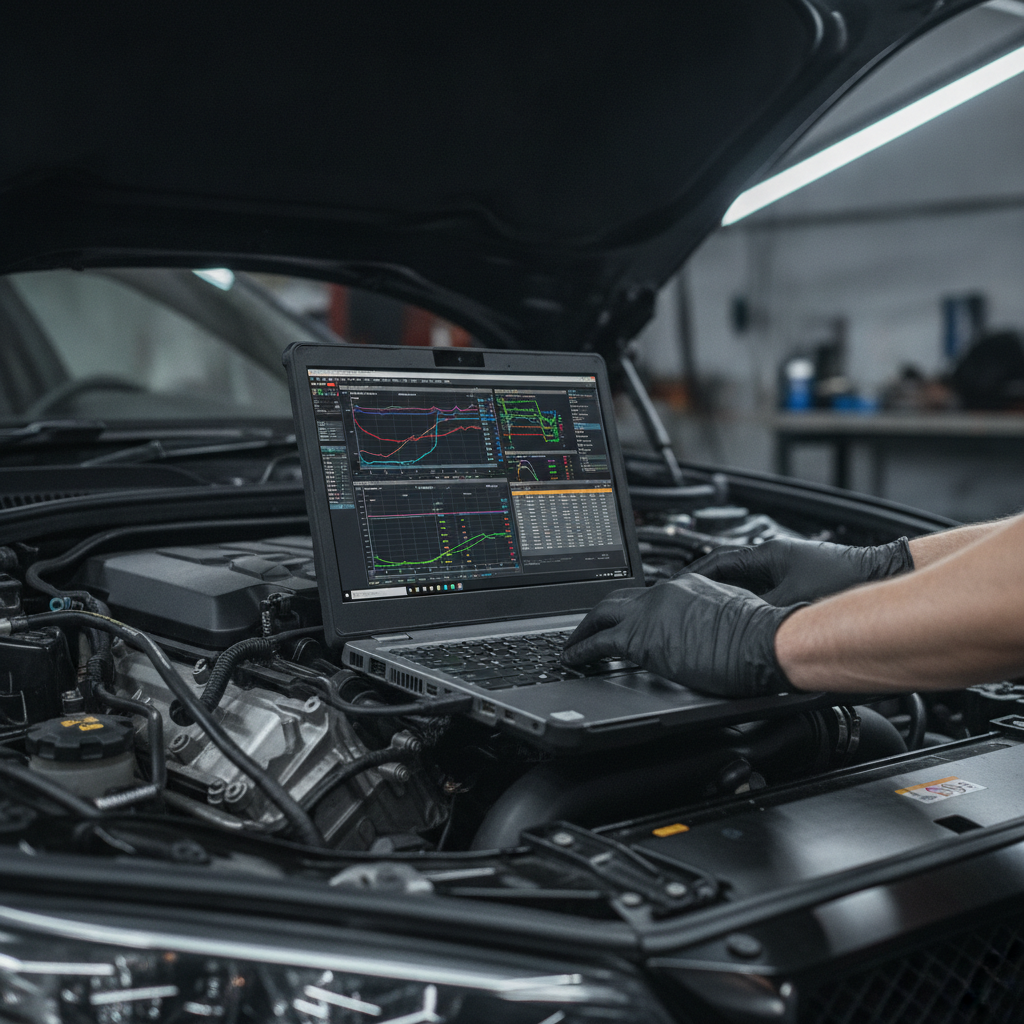
A pre-remap diagnostic identifies any existing faults, sensor issues, or concerns that
should be resolved before tuning. Remapping an engine with a boost sensor fault or
fuelling issue will produce poor results at best. Address the vehicle’s health first.
Servicing after a remap
Keeping up with service intervals is more important after a remap than before. Use quality
oil that meets the manufacturer’s specification and don’t extend service intervals.
A remapped van running on degraded oil is where reliability concerns genuinely arise —
not from the remap itself.
Short journeys and the remap effect
Many tradespeople and delivery drivers do a significant proportion of their mileage on
short, urban runs. Constant start-stop, engine rarely reaching full operating temperature,
frequent acceleration and braking. This is the hardest operating cycle for a diesel engine,
and it’s where DPF issues, EGR problems, and fuel dilution in the oil are most common.
A remap won’t eliminate the challenges of urban short-journey driving, but it can help
in a specific way: the improved low-rev torque means the engine works less hard during
urban driving. Less throttle required to pull away loaded means less fuel injected per
cycle at the worst-case operating points.
The bigger benefit for short-journey van drivers is usually the improved driveability
rather than headline fuel savings. The fuel economy gains are harder to realise on stop-start
urban routes, but the smoother, more responsive engine makes the daily grind noticeably
more comfortable.
If your van is experiencing DPF issues related to short-journey use, that’s a separate
concern that a remap alone won’t fix — but it can be addressed alongside the tune if
needed. Get in touch if this is a factor.
Mobile remap for tradespeople and fleet operators
One of the practical barriers to getting a van remapped is downtime. Taking a vehicle
off the road to drive it to a workshop, wait for the work to be done, and drive it back
adds up to lost working time. For tradespeople running one van, that’s a real cost.
For fleet operators, multiplying that across multiple vehicles makes workshop-based
remapping a logistical headache.
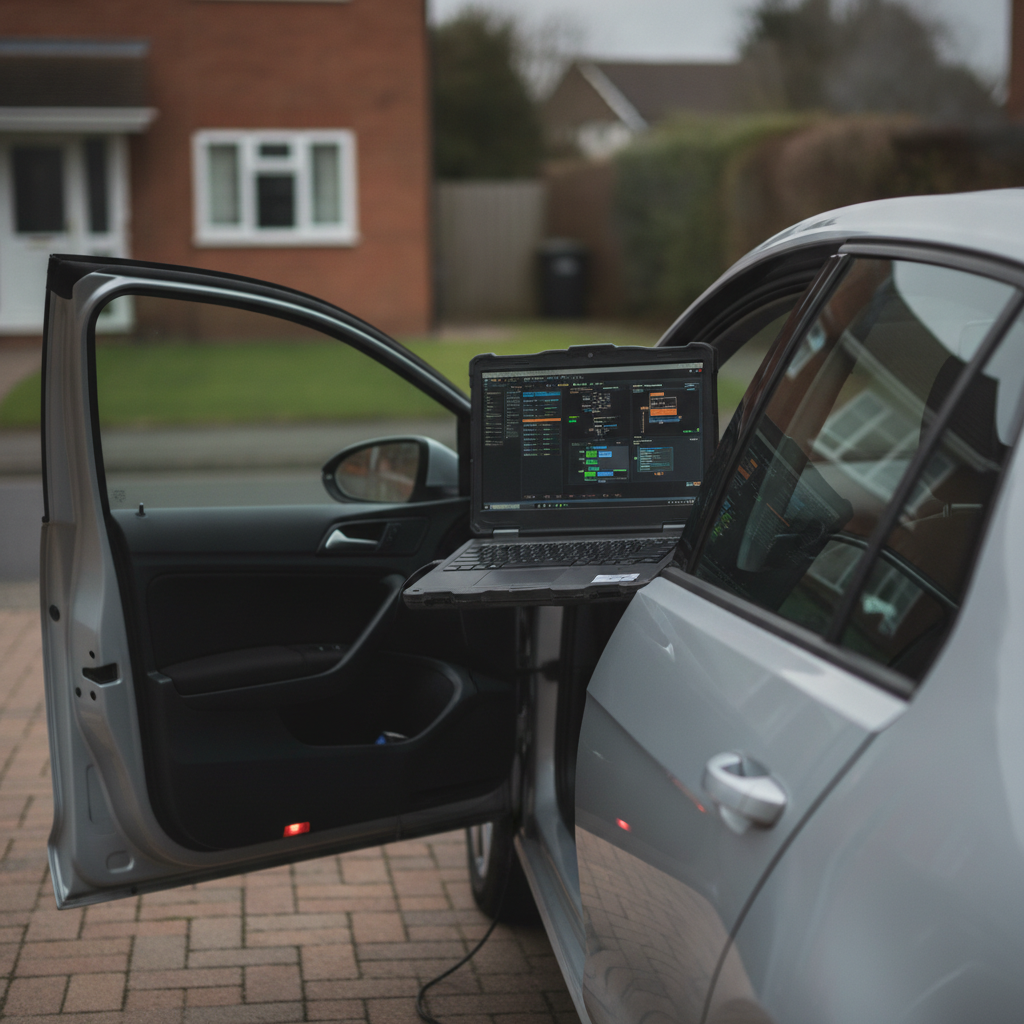
A mobile remap removes that barrier entirely. Leicester Remaps carries out every remap
at the vehicle’s location — your home, workplace, yard, or site. The diagnostic, remap,
and post-remap check typically takes two to three hours. Your vehicle doesn’t go anywhere
and your working day is disrupted as little as possible.
For fleet operators running multiple vans across Leicester and the Midlands, a mobile
remapping service makes it practical to remap an entire fleet on-site without disrupting
operations. Each van can be worked on in sequence at your yard, typically over the course
of a single day depending on fleet size.
Fleet operators: get in touch for a fleet assessment
If you’re running multiple vans and want to understand what a remap programme would
deliver across your fleet, contact us to discuss a fleet assessment and pricing.
What to check before booking a van remap
A few practical checks to make before booking will get you the best result.
- Service history: A van with up-to-date servicing and good quality oil will respond better to a remap than one that’s overdue for maintenance. If you’re behind on services, address that first.
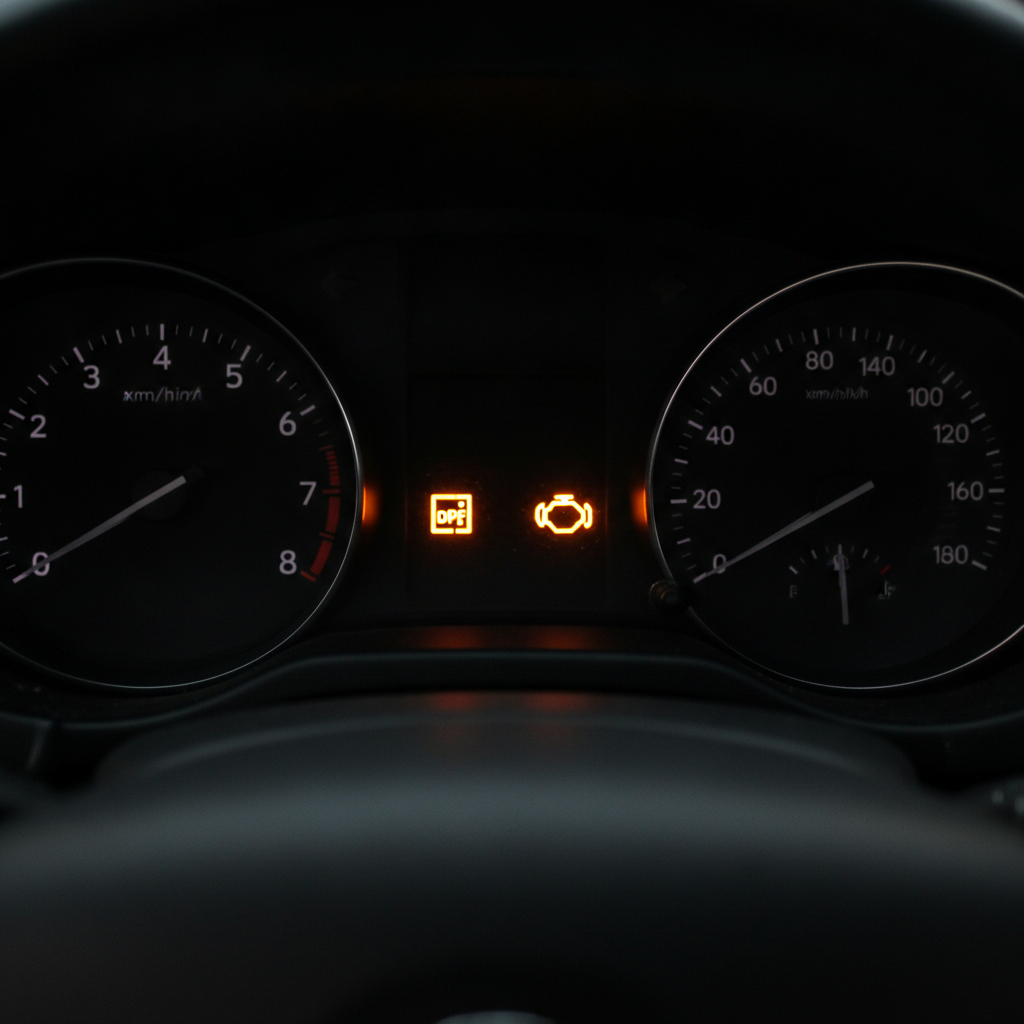
- Warning lights: If there are any active warning lights on the van — particularly engine management, DPF, or boost-related warnings — these should be investigated and resolved before remapping. A remap applied over an existing fault produces poor results and doesn’t fix the underlying issue.
- Mileage and engine condition: High-mileage vans can still benefit from remapping, but very high mileage with worn injectors or a tired turbo will limit what the calibration can achieve. A pre-remap diagnostic identifies whether any hardware attention is needed first.
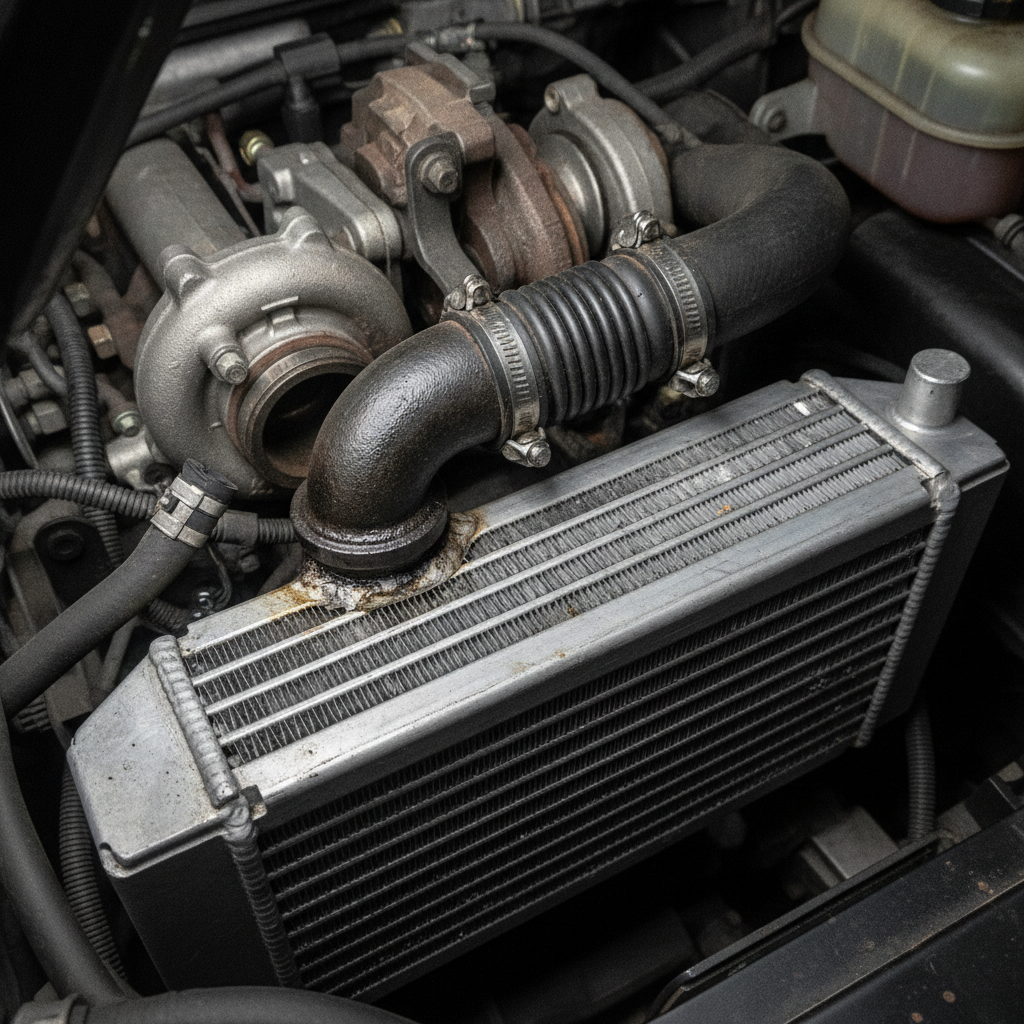
- Turbo health: A worn turbo that doesn’t hold boost properly is a limiting factor for any remap. If your van is sluggish at high boost, have the turbo checked before booking.
- Know what you want: Are you primarily after fuel savings, improved driveability, or both? The calibration approach can be adjusted to weight towards economy or performance depending on your priority. Let the tuner know what matters most.
Mobile van remap across Leicester and the Midlands
Leicester Remaps offers mobile ECU remapping for commercial vans across Leicester,
Leicestershire, and the surrounding Midlands area. Every van remap starts with a free
diagnostic check, original file backup, and a custom calibration applied using
professional tools at your location.
Learn about our mobile remapping service or
contact Leicester Remaps to discuss your van and what a remap could deliver.