Diesel Remap vs Petrol Remap: Key Differences Explained
Remapping works differently on diesel and petrol engines — the gains available, the parameters adjusted, and the typical outcomes all vary depending on what’s under the bonnet. This guide explains the key differences so you know what to expect from your car’s remap before you book.
Topic: remap comparison by fuel type
Intent: pre-purchase research
Location: Leicester & Midlands
In this guide
Why Diesel and Petrol Remaps Differ
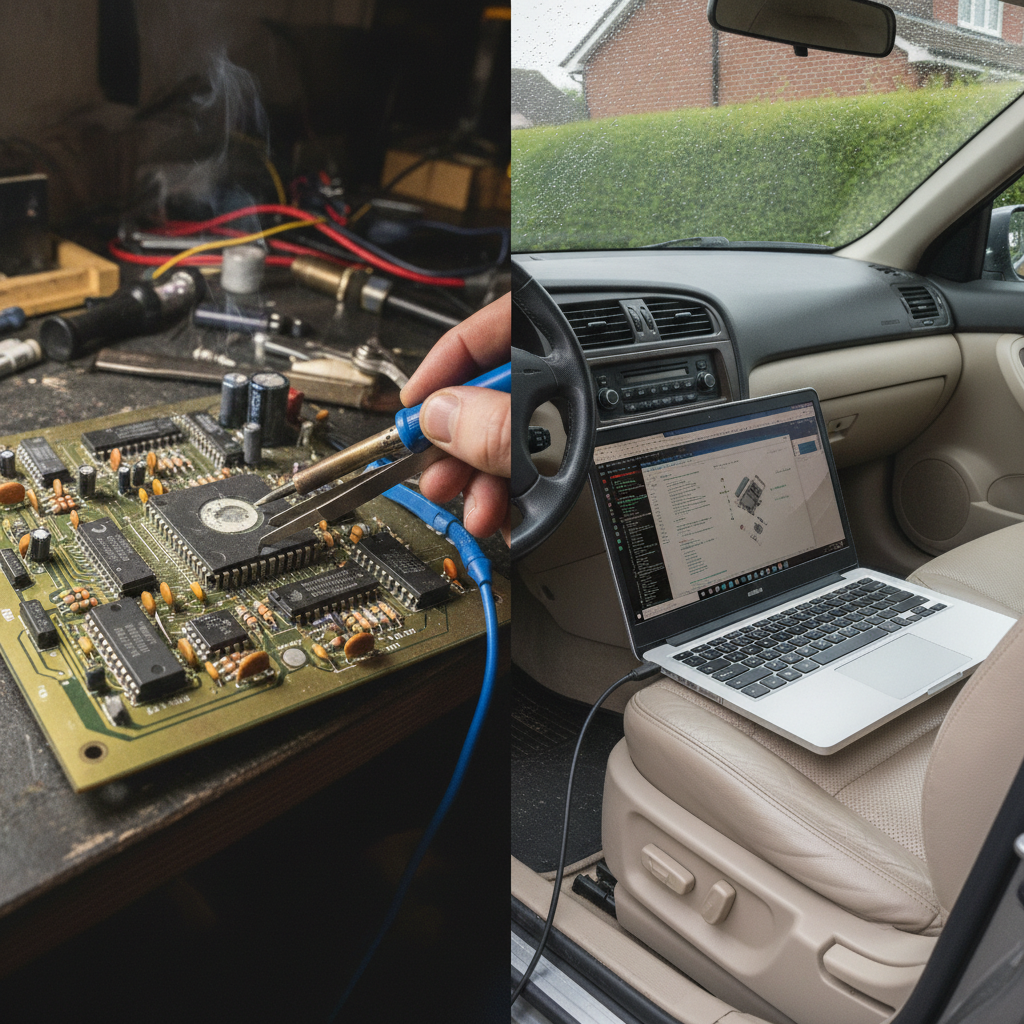
Both diesel and petrol engines can be remapped — the principle is the same. A specialist reads the existing software calibration from the ECU, adjusts the relevant parameters, and writes a revised map back to the unit. What differs is which parameters matter most and what the engine is capable of delivering once those limits are adjusted.
Diesel and petrol engines operate on fundamentally different combustion cycles. Diesel uses compression ignition — fuel self-ignites under pressure — and typically runs a turbocharger to force more air into the cylinders. Petrol uses spark ignition, and while many modern petrol engines are also turbocharged, the way fuel and air are managed is quite different.
The factory software that controls both types of engine leaves headroom for a range of reasons: to ensure reliability across different markets and fuel qualities, to keep emissions within legal limits, to protect mechanical components from stress under worst-case driving conditions, and in many cases to differentiate model variants without changing the hardware. A remap reclaims some of that headroom within safe limits.
Key point
Both diesel and petrol engines are usually remappable if they are turbocharged. Naturally aspirated engines — those without a turbo — have less headroom in the factory map and typically see smaller gains.
Diesel Remap: What Changes and What to Expect
Diesel engines are generally considered the strongest candidates for remapping. Modern turbocharged diesels are deliberately restricted from the factory to protect the drivetrain and meet emissions targets, which means a remap can often unlock significant gains without touching the hardware.
What a diesel remap adjusts
- Fuel injection quantity and timing — more fuel delivered at the right point in the cycle increases combustion efficiency and power output
- Boost pressure — the turbocharger is adjusted to deliver more air, which supports the increased fuel delivery
- Rail pressure — on common rail diesels, adjusting fuel rail pressure affects how quickly and efficiently fuel is atomised in the cylinder
- Throttle response — particularly noticeable on vehicles where the factory calibration has a flat zone at the start of pedal travel
- Torque limiters — manufacturer-imposed torque limits are often reduced from the engine’s actual capability; a remap can raise these within the safe mechanical tolerance of the drivetrain
Typical diesel remap gains
A Stage 1 diesel remap on a turbocharged engine typically produces:
- 20–35% increase in torque
- 15–25% increase in power (BHP)
- Improved throttle response throughout the rev range
- Potential economy improvement of 5–15% in real-world driving, particularly on longer runs at steady speeds
The torque gain is the most immediately noticeable change. Modern turbocharged diesels produce strong low-end torque even from the factory, and a remap extends and amplifies this — making the car feel significantly more capable during overtaking, loaded driving, and towing.
Why diesel remaps often feel more dramatic
Diesel engines are often more heavily restricted from the factory than their petrol counterparts, particularly on commercial vehicles and high-mileage platforms where manufacturers build in wide safety margins. This means there is often more headroom to work with — and more transformation available from a Stage 1 remap.
Petrol Remap: What Changes and What to Expect
Petrol remapping is equally valid but operates differently. The gains available depend heavily on whether the engine is turbocharged or naturally aspirated, and how the manufacturer has calibrated the engine from the factory.
What a petrol remap adjusts
- Ignition timing — advancing ignition timing allows the air/fuel mixture to combust at the optimal point in the cycle, releasing more energy
- Fuel mapping — adjusting the air/fuel ratio for different load and rpm conditions
- Boost pressure (turbocharged petrol only) — increasing turbo boost pressure within safe limits, similar in principle to a diesel remap
- Throttle mapping — improving linearity and reducing the flat spot that many factory maps include at the bottom of the pedal travel
- Rev limiter — on some vehicles, the factory rev limit is set conservatively and can be safely raised
- VANOS / variable valve timing — on engines with variable valve timing, these parameters can also be optimised
Typical petrol remap gains
Gains on a turbocharged petrol engine at Stage 1 typically include:
- 15–25% increase in power (BHP)
- 10–20% increase in torque
- Improved throttle response, particularly in the mid-range
Naturally aspirated petrol engines see smaller gains — typically 5–10% — because without a turbocharger there is no boost pressure to adjust. On these engines, the main improvements come from refined ignition timing and fuel mapping rather than forced induction adjustments.
Fuel quality matters on petrol
Many performance petrol remaps are calibrated for 98–99 RON premium fuel. Running a performance petrol map on standard 95 RON fuel can increase the risk of knock (pre-ignition), which is harmful to the engine. Your remapper should confirm which fuel grade the calibration is written for — and if you’re using 95 RON regularly, that should be factored into the tune.
Side-by-Side Comparison
| Aspect | Diesel Remap | Petrol Remap (Turbo) | Petrol Remap (NA) |
|---|---|---|---|
| Typical power gain | 15–25% BHP | 15–25% BHP | 5–10% BHP |
| Typical torque gain | 20–35% | 10–20% | 5–8% |
| Economy improvement possible? | Yes — often 5–15% real-world | Possible but less common | Minimal |
| Key parameters adjusted | Injection, boost, rail pressure, torque limits | Ignition timing, boost, fuelling | Ignition timing, fuelling |
| Fuel quality sensitivity | Lower — diesel quality is more consistent | Higher — premium fuel often needed | Moderate |
| Best for | Economy + performance balance, vans, towing | Performance driving, hot hatches, performance saloons | Improved refinement and response |
Which Produces Better Value?
This is one of the most common questions before a remap booking — and the honest answer is that it depends on what you want from it.
If economy matters to you
Diesel remaps are more likely to produce measurable fuel economy improvements in real-world driving. The increased torque means less throttle is needed to maintain speed or accelerate, which translates to lower fuel consumption for many drivers — particularly those covering motorway miles or driving loaded vehicles and vans. Petrol remaps can improve efficiency in theory, but in practice most petrol drivers see little economy change because the power gain tends to get used.
If outright performance matters
Turbocharged petrol engines — particularly those in performance hot hatches and sports saloons — respond strongly to remapping in terms of peak power and the quality of power delivery. A BMW 335i, a Golf GTI, or an Audi S3 will feel considerably different after a Stage 1 remap, with a broader, flatter torque curve and more willingness to pull hard through the top end of the rev range.
If you drive a van or do high mileage
For commercial drivers, fleet operators, and anyone covering significant annual mileage in a diesel, a remap often pays for itself through fuel savings alone — in addition to making the vehicle considerably more pleasant to drive. The torque increase also reduces engine strain under load, which can contribute to smoother operation over time.
The short answer
Diesel remaps typically offer a better balance of economy and performance in everyday use. Turbocharged petrol remaps deliver more exciting peak performance. The best option depends on your car, your driving, and your priorities — both are worthwhile on the right vehicle.
What to Consider Before You Book
Before booking a remap — diesel or petrol — it is worth making sure the following are in order:
- Service history — a remapped engine will work harder, so it should be serviced to manufacturer schedule (or ideally just recently serviced) before a remap takes place
- No active fault codes — existing engine management faults should be diagnosed and resolved before remapping; a remap will not fix underlying mechanical issues
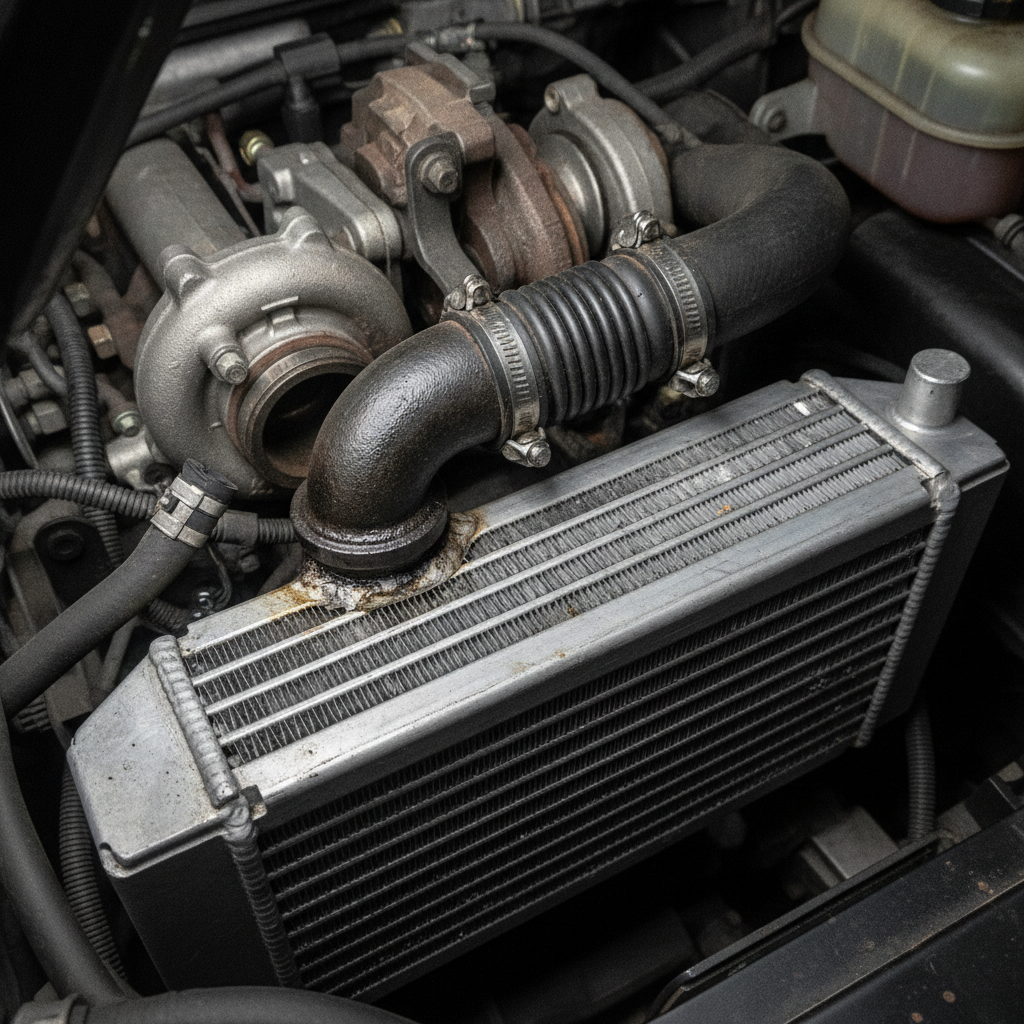
- Good turbo health — on turbocharged vehicles, the turbocharger and its boost control components should be in good working order before increasing boost pressure
- Fuel type — confirm with your remapper what fuel grade the calibration is written for and ensure you will be using that grade consistently
- Realistic expectations — ask your remapper what gains are specifically achievable for your make, model, and engine variant — not just general category averages
A responsible remapper will ask about your vehicle’s condition before the appointment and will carry out a basic health check on the day. If something is flagged that needs attention, it is always better to know before the remap than to find out after.
Common Questions About Diesel and Petrol Remapping
Is remapping better on diesel or petrol?
Both produce meaningful results on turbocharged engines. Diesel remaps often deliver the most noticeable everyday improvement due to the torque gains and the potential economy benefit. Turbocharged petrol remaps tend to excel for drivers who want sharper performance at higher revs. The best option depends on your car and what you want from it.
Can you remap a non-turbo petrol car?
Yes, naturally aspirated petrol engines can be remapped, but the gains are smaller because there is no boost pressure to adjust. Ignition timing and fuel map refinements can still improve throttle response and drivability, but don’t expect the same percentage gains you would see from a turbocharged engine.
Will a diesel remap improve my MPG?
It can do — but it depends on how you drive after the remap. Because the engine produces more torque, you need less throttle to maintain the same pace, which reduces fuel consumption. Drivers who maintain their existing driving habits after a remap often see 5–15% economy improvement on motorway and A-road driving. Drivers who use the extra power more freely may see no economy change or a slight reduction.
Does a remap make a car louder?
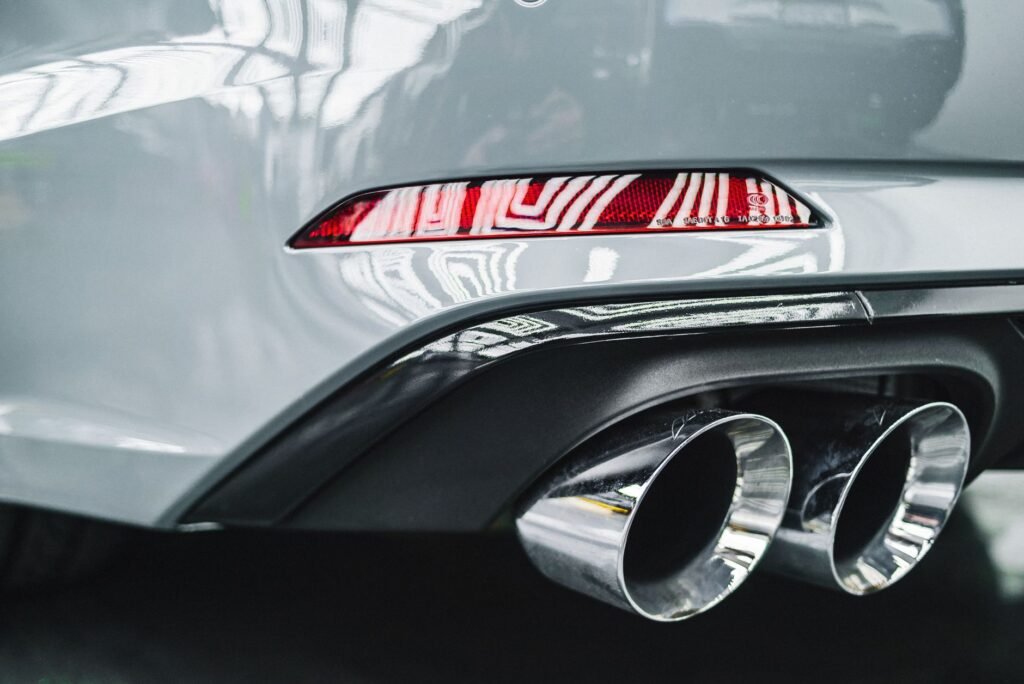
A standard Stage 1 remap on its own does not change the exhaust note. The engine may sound slightly more purposeful under load due to the increased power output, but there is no modification to the exhaust hardware or sound management systems. If you want a louder exhaust note, that requires separate exhaust modification work.
Is a mobile remap as good as visiting a workshop?
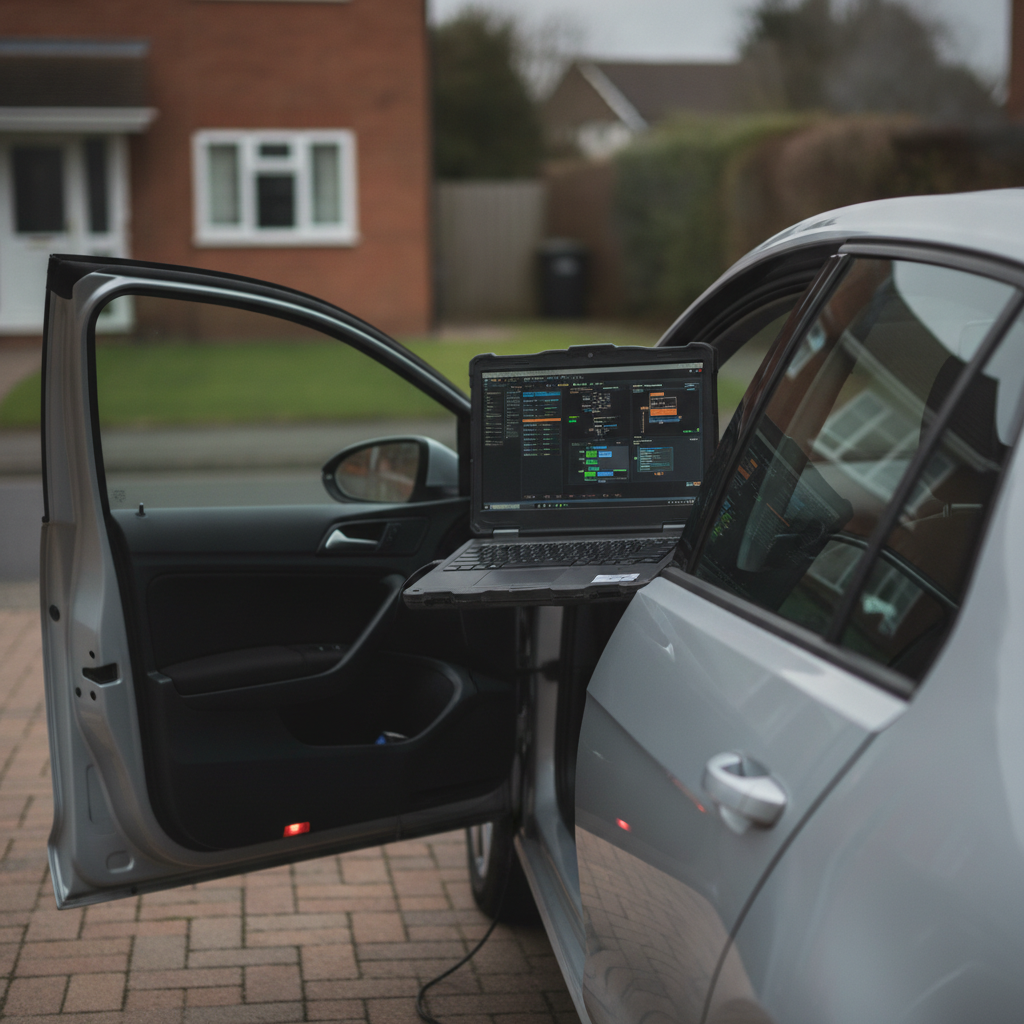
Yes — a mobile remap carried out by a specialist with professional equipment is identical in quality to a workshop visit. The remap is performed via the OBD port and does not require the car to be on a rolling road for a Stage 1 tune. Leicester Remaps carries out all remap work using the same professional tools whether mobile or in a fixed location.
Get a Remap Quote for Your Diesel or Petrol Car
Leicester Remaps offers mobile ECU remapping for diesel and petrol vehicles across Leicester, Loughborough, Coventry, Nottingham, and the wider Midlands. We provide honest, vehicle-specific assessments before any work is agreed.
- Custom calibration written for your specific engine variant
- Original ECU file backed up before any work begins
- Mobile service — we come to your home or workplace
- Stage 1 remaps available for both diesel and petrol platforms
View our Stage 1 remap service or get in touch with your registration for a quote.
Leicester Remaps — mobile ECU remapping for diesel and petrol vehicles across Leicester, Leicestershire, and the wider Midlands. All work includes original file backup as standard.