Disadvantages of Car Remapping: What Drivers Should Know
Remapping gets plenty of positive coverage, but what about the downsides?
If you’re weighing up whether an ECU remap is right for your car, this guide covers the real disadvantages of remapping — honestly, without the sales pitch.
Warranty & insurance risks
Emissions & MOT
Resale impact
Jump to a section
What is ECU remapping?
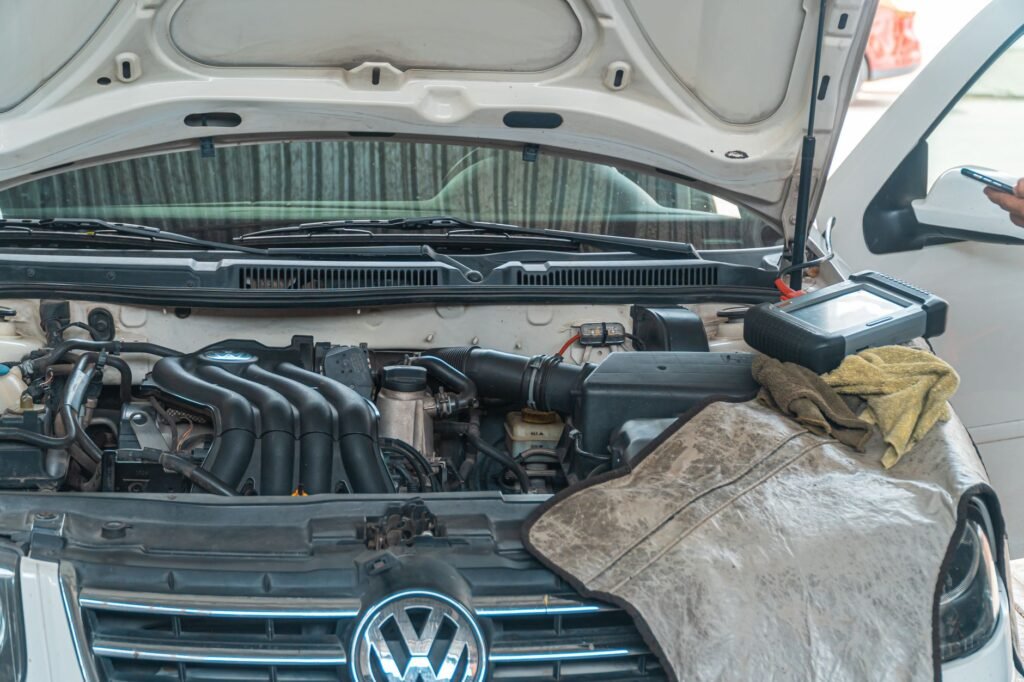
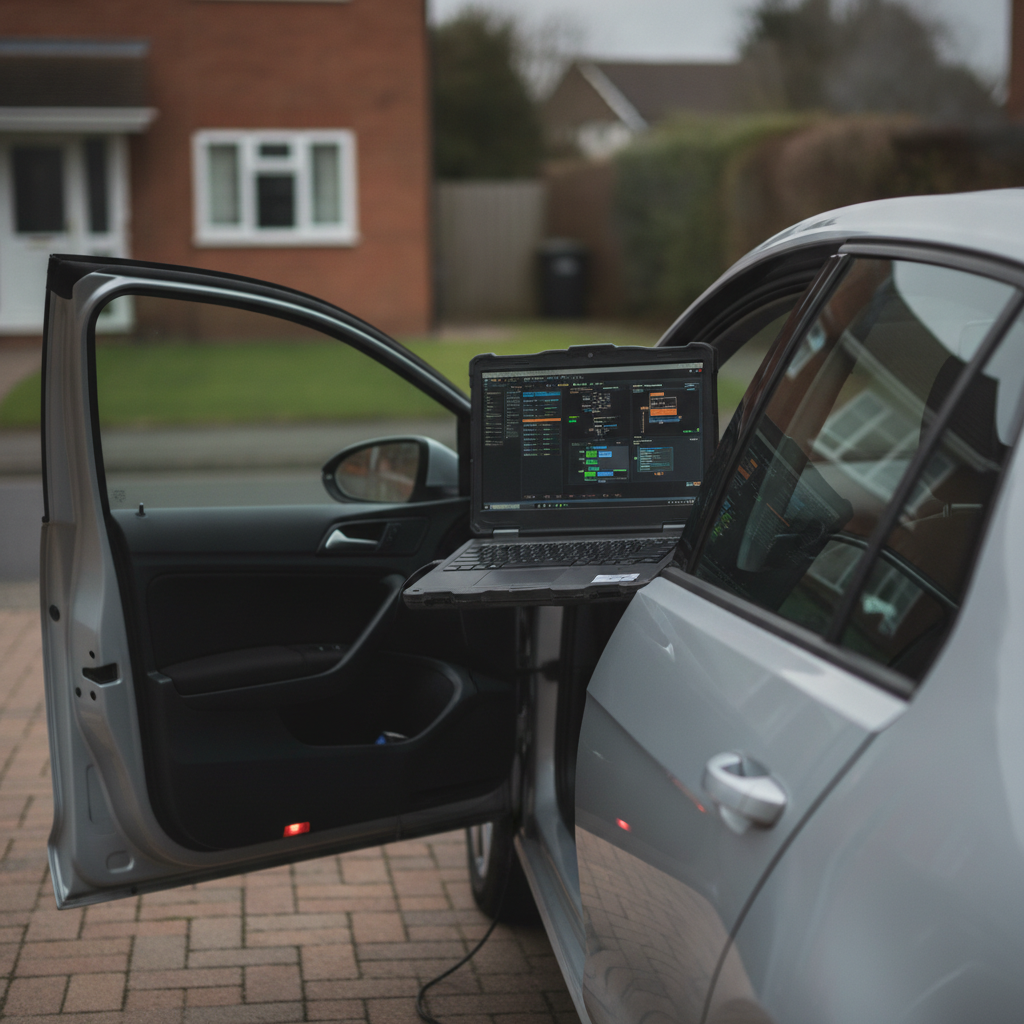
ECU remapping is the process of modifying the software that controls how your engine runs.
The engine control unit (ECU) manages things like fuel delivery, turbo boost pressure, ignition timing, and rev limits.
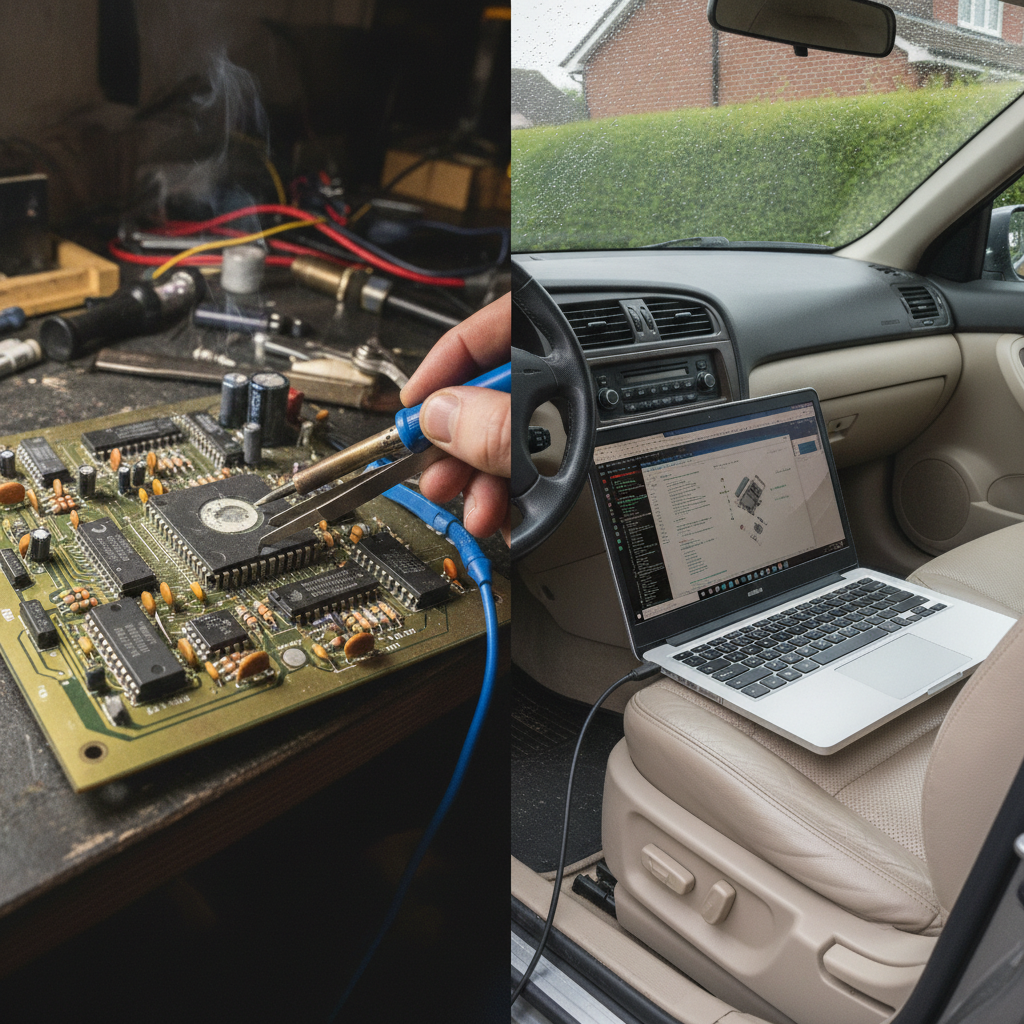
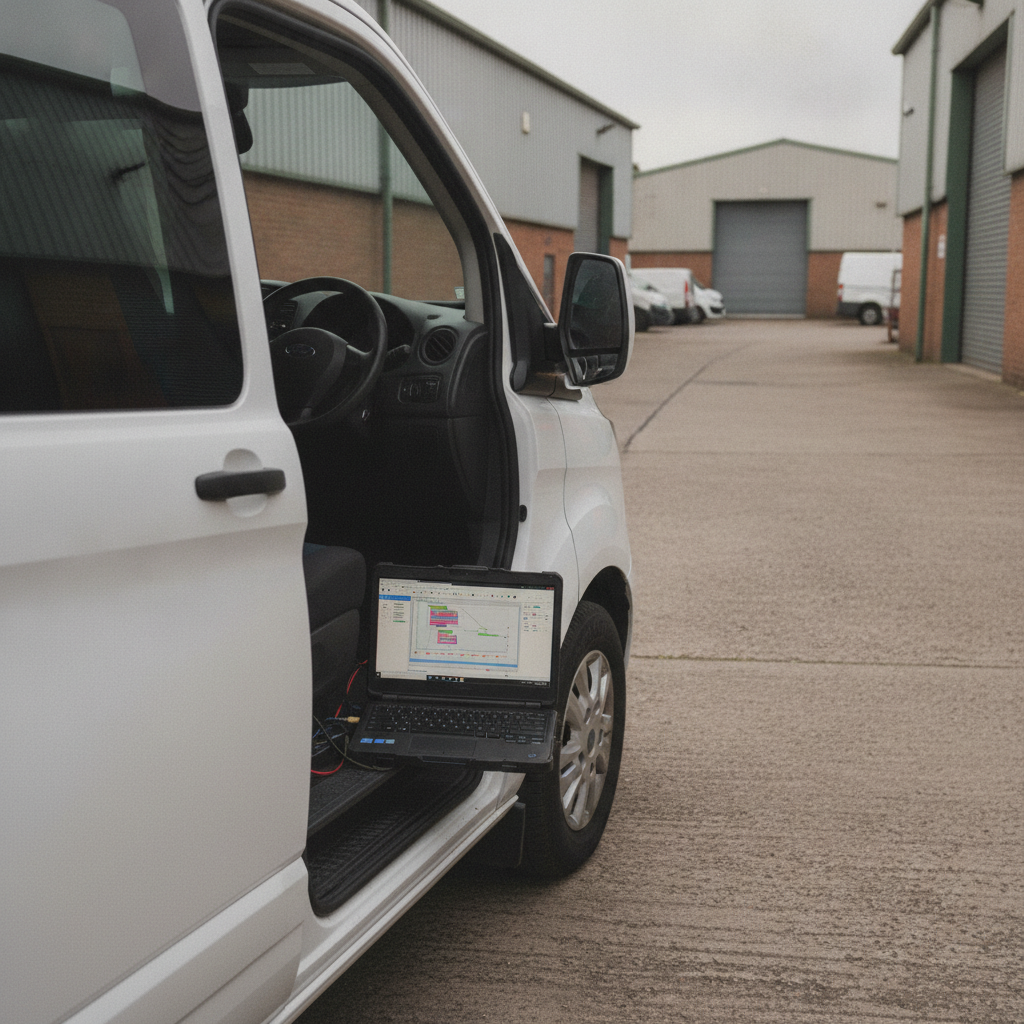
A tuner reads the stock map from the ECU, makes targeted adjustments, and writes a new file back to the unit.
Done correctly by a qualified tuner, remapping can improve power, torque, throttle response, and in some cases fuel efficiency.
But done incorrectly, or on the wrong vehicle, it carries real risks — and even a good remap comes with trade-offs that not every driver is told about upfront.
Warranty implications
This is the most commonly cited disadvantage of remapping — and it’s a genuine concern.
Most manufacturer warranties are written to cover the vehicle in its original, unmodified state.
Remapping changes the software, and if a dealer or manufacturer can prove the remap caused or contributed to a fault, they may refuse to cover the repair.
The practical risk depends on several factors:
- Age of your vehicle: The older the car, the less likely it’s still under manufacturer warranty. Many drivers remapping vehicles over three years old have no active warranty to worry about.
- What fails: A manufacturer is unlikely to refuse a warranty claim on a faulty window motor because you’ve remapped the engine. But if the turbo fails on a remapped diesel, the conversation becomes more complex.
- Dealer detection: Some manufacturers can detect a remap via software checks. Others cannot. The level of risk varies significantly by make and model.
- Reversibility: A skilled tuner can restore your original map before a service if needed. Not every tuner saves the stock file, however — always ask before you book.
Check your warranty terms first
If your vehicle is still within manufacturer warranty, read the terms carefully or speak to your dealer before booking a remap.
For many drivers on older vehicles, this concern is largely irrelevant — but it matters a great deal on newer cars.
Insurance and legal considerations
Remapping is a vehicle modification. Under UK law, you are required to disclose modifications to your insurer.
Failing to do so is a condition of your policy, and if you make a claim without having declared the remap, your insurer may refuse to pay out.
The practical impact on premiums varies. Some insurers treat engine remaps similarly to performance exhaust systems — as a moderate modification that increases the premium slightly.
Others treat them more seriously, especially if the power increase is significant.
The key steps are:
- Notify your insurer before or immediately after the remap is carried out.
- Get the change confirmed in writing.
- If your current insurer won’t cover you at a reasonable rate, shop around — specialist modified car insurers often offer better terms.
Non-disclosure is the real risk, not the remap itself
Many drivers remap their cars without incident. The significant legal and financial risk comes from not telling your insurer, not from the remap itself.
Disclosing it removes most of the genuine risk here.
Emissions, MOT and legality
A Stage 1 remap that works within factory hardware limits should not affect your emissions significantly.
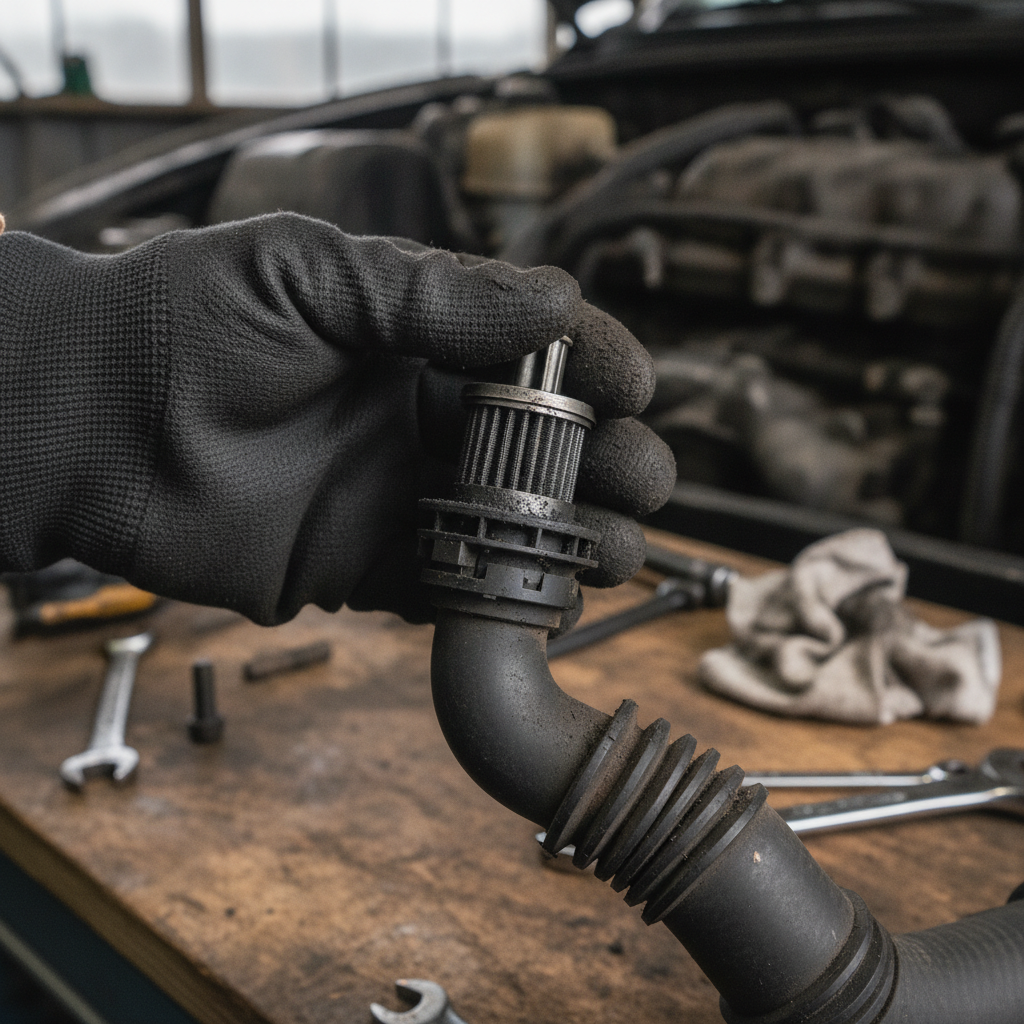
However, some remaps — particularly those that delete or bypass emissions systems like the DPF, EGR, or AdBlue — do affect what comes out of the exhaust.
In the UK, it is illegal to drive a vehicle on public roads with emissions control equipment removed or disabled.
DPF deletion, EGR deletion, and AdBlue delete are technically illegal for road use under the Road Vehicles (Construction and Use) Regulations 1986.
In practice, MOT testing does check for DPF presence on vehicles fitted from the factory, and a failed visual check can result in an MOT failure.
A straight performance remap that doesn’t touch emissions hardware is a different matter entirely.
These typically do not cause MOT failures unless the vehicle was borderline on emissions before the remap was applied.
Emissions-related remaps carry legal risk
If you’re considering a remap that involves removing or bypassing emissions equipment, understand the legal position clearly before going ahead.
A performance-only remap without emissions hardware removal carries far less risk in this area.
Reliability risks
This is where the quality of the tuner matters enormously.
A remap that pushes an engine beyond its safe operating limits — increasing boost too aggressively, running fuel mixtures too lean, or ignoring temperature thresholds — can accelerate wear and in worst cases cause premature component failure.
The risk is not evenly distributed. Common areas where a poorly written remap causes problems include:
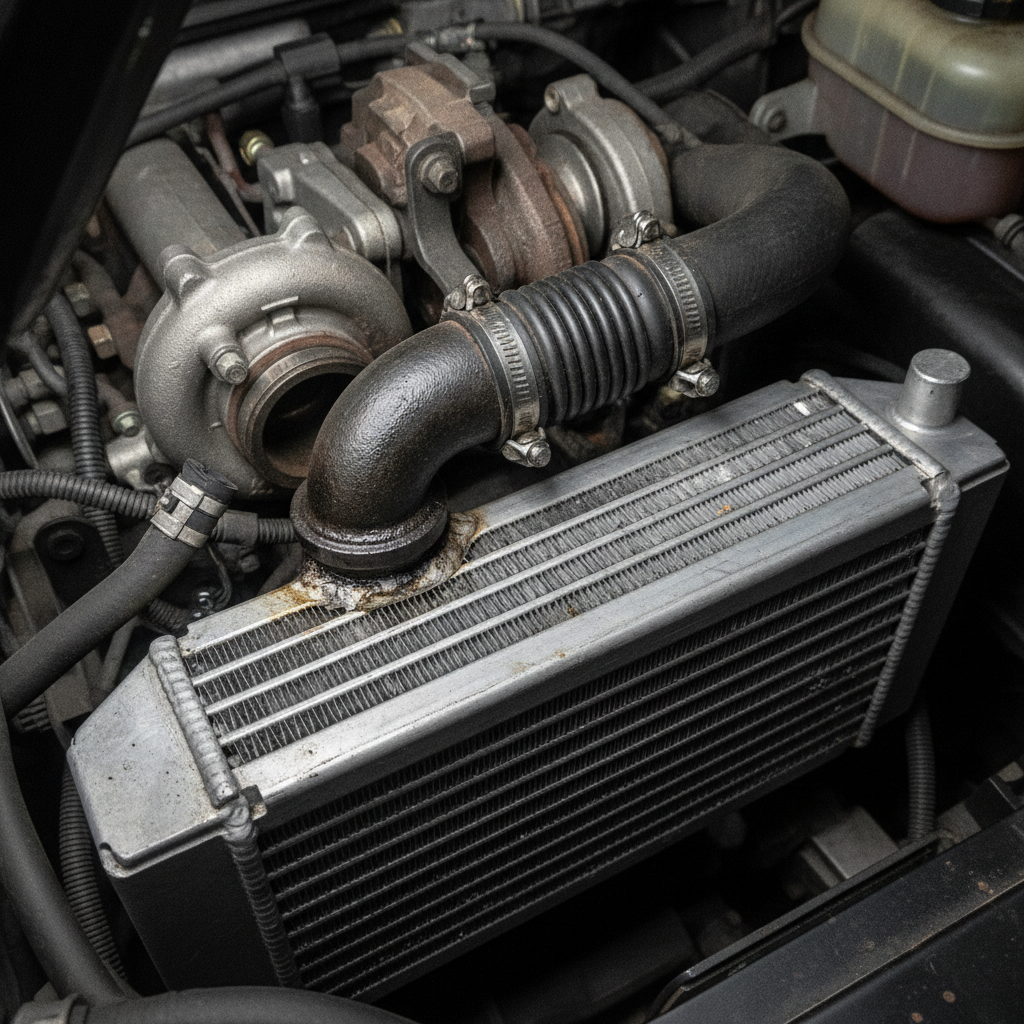
- Turbos: Running higher boost without factoring in turbo limits can accelerate bearing wear.
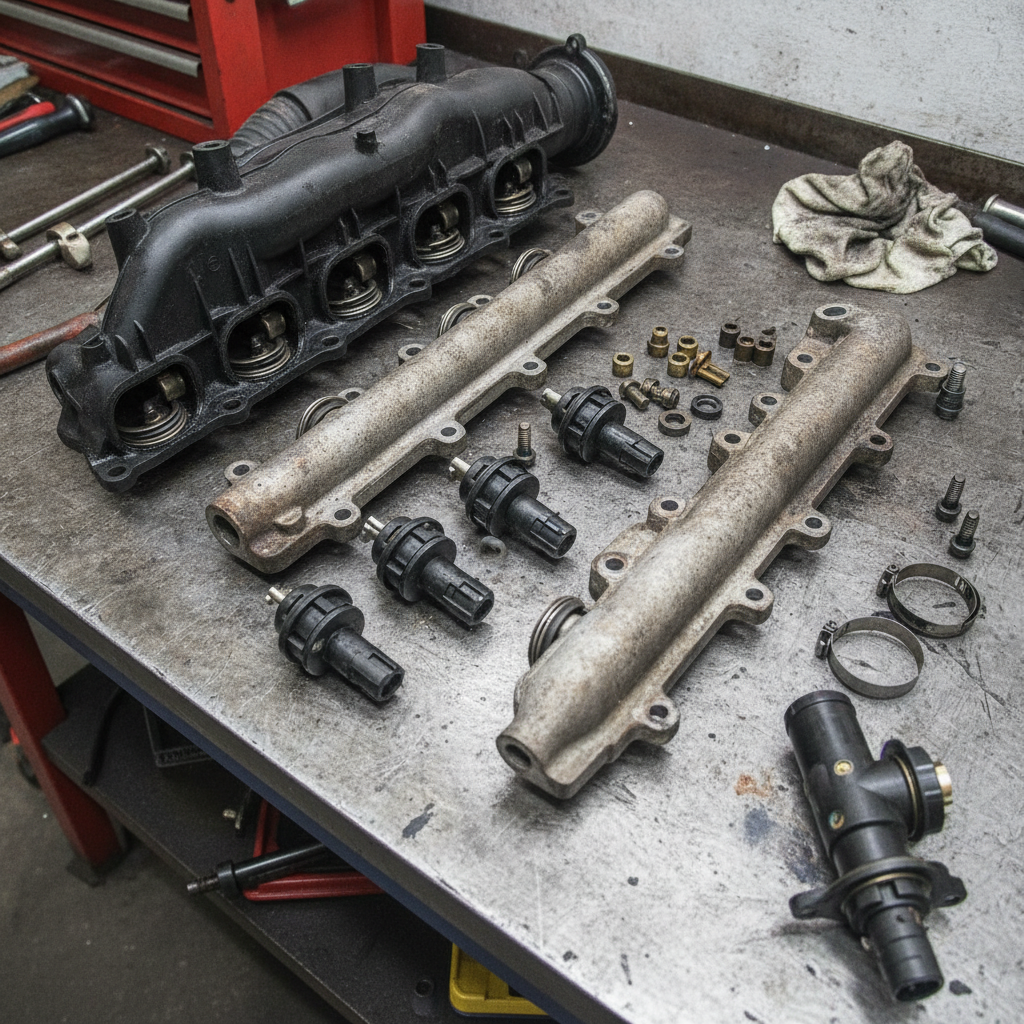
- Injectors and fuel system: Increased fuelling demands on already-worn injectors can shorten their lifespan further.
- Gearbox and clutch: On manual vehicles, additional torque can accelerate clutch wear if the hardware was already near its limits.
- Head gaskets: On certain engines known to have marginal gaskets, aggressive tuning has been linked to failures — though in most cases the gasket was already a risk regardless of the remap.
A reputable tuner will assess your engine’s condition and service history before recommending a remap, and will stay well within safe parameters.
The reliability risk comes primarily from cheap or remote tunes applied without proper vehicle assessment.
Fuel consumption trade-offs
Many remaps are marketed as improving fuel economy — and on diesel vehicles with a conservative stock map, there is often truth to this.
A tuner who improves torque delivery at low revs can mean the driver changes up earlier and uses less fuel for the same journeys.
However, it’s also accurate to say that fuel consumption after a remap depends heavily on how you drive.
If the remap delivers noticeably more power and you use it — accelerating harder, holding lower gears longer, enjoying the extra responsiveness — your fuel consumption will likely increase.
The disadvantage of remapping here isn’t the remap itself, it’s the expectation gap.
A remap can help fuel economy but it’s not guaranteed, and driving style is the dominant factor.
Resale value impact
A remapped car is a modified car. Some buyers actively seek modified vehicles; many mainstream private buyers and part-exchange dealers do not.
The impact on resale value depends on the type of remap, the make and model, and who you’re selling to.
A well-documented Stage 1 remap on a popular performance car from a known tuner can actually add interest for the right buyer.
On a family diesel or a nearly-new vehicle, it may reduce your pool of interested buyers or lower what dealers will offer in part-exchange.
If your stock map is restorable and you have the original file, some of this impact can be mitigated by reverting before sale.
Not all tuners save the original file — again, confirm this before booking.
Which risks are real vs overblown?
It’s worth separating the genuine concerns from the ones that are largely theoretical or easily managed:
- Warranty risk is real — but only relevant if you’re in the warranty period and the failed component is engine or drivetrain related.
- Insurance risk is real — but fully mitigated by simply declaring the modification.
- Emissions risk is real for certain remap types — but largely irrelevant for a standard performance remap that doesn’t touch emissions hardware.
- Reliability risk is real if the tuner is poor — but largely manageable by choosing a qualified, reputable specialist who maps to safe parameters.
- Fuel consumption impact is variable — and primarily driven by the driver, not the remap itself.
- Resale impact is moderate — and manageable with documentation and the option to revert.
The tuner quality determines most of the risk
The majority of the reliability and performance risks associated with remapping come down to who does the job, not the concept of remapping itself.
A qualified tuner working to safe parameters removes most of the genuine concern.
How to minimise the risks before booking
If you’ve decided the advantages outweigh the disadvantages for your situation, the steps below will reduce your exposure:
- Service the car first: A remap on a well-maintained engine is far safer than one on a tired, poorly serviced motor. Address any fault codes before booking.
- Choose a reputable, qualified tuner: Look for tuners with verifiable track records, genuine customer references, and the ability to explain exactly what they’ll change and why.
- Confirm stock file backup: Ask whether your original ECU file will be saved and whether it can be restored. This matters for warranty and resale.
- Tell your insurer: Do it before the remap if possible. It’s a straightforward conversation and removes a major risk.
- Check your warranty situation: If you’re in the manufacturer warranty period, weigh up whether the performance gain is worth the trade-off for your remaining warranty.
- Don’t buy cheap remote tunes: A £50 generic file from a forum is not the same as a properly mapped ECU file written for your specific vehicle. The risk gap is significant.
Thinking about remapping your car in Leicester?
If you want a straight conversation about whether a remap is right for your specific vehicle — including an honest assessment of the risks for your situation — get in touch with Leicester Remaps.
We carry out mobile remapping across Leicester, Leicestershire, and the wider Midlands.
Learn about our remapping services or
contact us for a no-obligation consultation.