How Much BHP & Torque Will A Stage 1 Remap Add? Realistic Gains By Engine
Honest, real-world Stage 1 figures by engine type — what to actually expect from a calibrated tune on common diesels, turbo petrols and naturally aspirated engines, with no exaggerated marketing numbers.
Why realistic numbers matter more than headline ones
Anyone can write a +50 bhp claim on a forum. What matters is whether the engine in your driveway, with your mileage and your fuel, can actually deliver that figure safely and repeatably. At Leicester Remaps, we work to numbers that hold up after thousands of miles, not numbers that look good on day one and cause headaches in month six.
The figures below are typical Stage 1 ranges we see on healthy, well-serviced cars across our service area in Leicester, Leicestershire and the wider Midlands. They assume custom calibration on factory hardware, not a generic file. Your specific car may sit anywhere within these ranges depending on age, mileage, fuel quality and service history.
Important context
These are realistic, conservative ranges. We can usually exceed them on a healthy modern engine, but pushing for headline figures at Stage 1 means cutting margin out of the calibration — and that is not how we work. The goal is performance you can use every day for years, not bench-trophy numbers.
Small turbo diesels (1.4–1.6 TDI / dCi / HDi)
Small-capacity turbo diesels respond well to Stage 1, but the headline figures are smaller because the platform itself is smaller. Where this kind of engine really wins is in driveability rather than raw bhp.
Typical Stage 1 ranges
- Power: +15 to +25 bhp
- Torque: +35 to +60 Nm
What it actually feels like
The biggest gain on a small diesel is mid-range pulling power. The car will hold higher gears comfortably at lower revs, motorway overtakes happen without dropping two gears, and fuel economy on a steady cruise often nudges up by a small but noticeable amount when driven gently.
Mid-size turbo diesels (1.9–2.0 TDI / CDTi / HDi / dCi)
This is the workhorse category — the 2.0 TDI Golf, the 2.0 dCi Trafic, the 2.0 HDi Berlingo, and dozens of similar engines. They are built with margin, they tune predictably, and they are easily the most common Stage 1 jobs we do.
Typical Stage 1 ranges
- Power: +25 to +45 bhp
- Torque: +60 to +90 Nm
What it actually feels like
This is where Stage 1 starts to feel transformative on a daily-driven car. The car becomes effortless. Towing is easier, motorway gradients vanish, and the gearbox stops being something you constantly fight in fifth or sixth. Long-distance fuel economy tends to improve when driven sensibly because the engine is not working as hard for the same speed.
Larger turbo diesels (2.2–3.0 TDI / CDI / D)
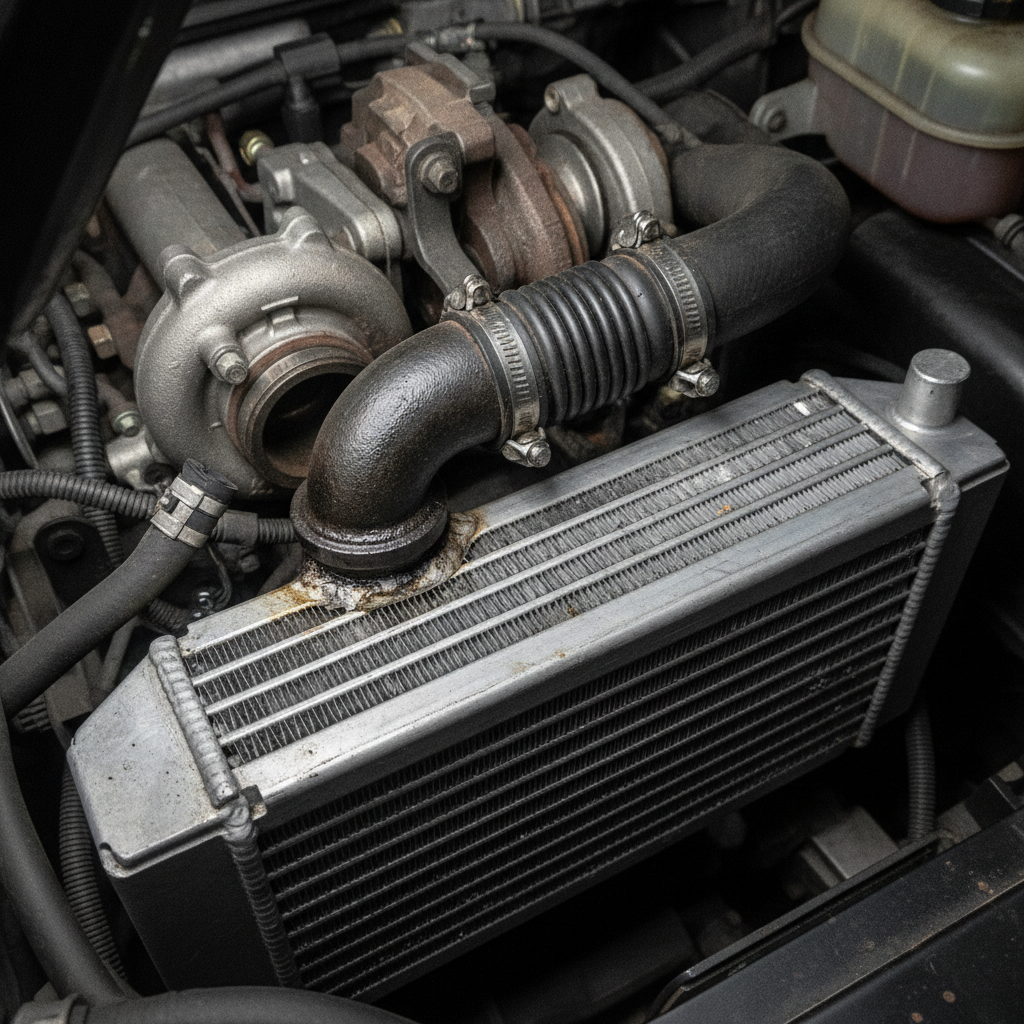
Bigger diesel engines — think 2.2 HDi, 2.4 D5, 3.0 TDI, 3.0 CDI — are where Stage 1 numbers look most impressive on paper. They have more thermal headroom, larger turbos, and more capacity for the calibration to work with.
Typical Stage 1 ranges
- Power: +35 to +60 bhp
- Torque: +80 to +130 Nm
What it actually feels like
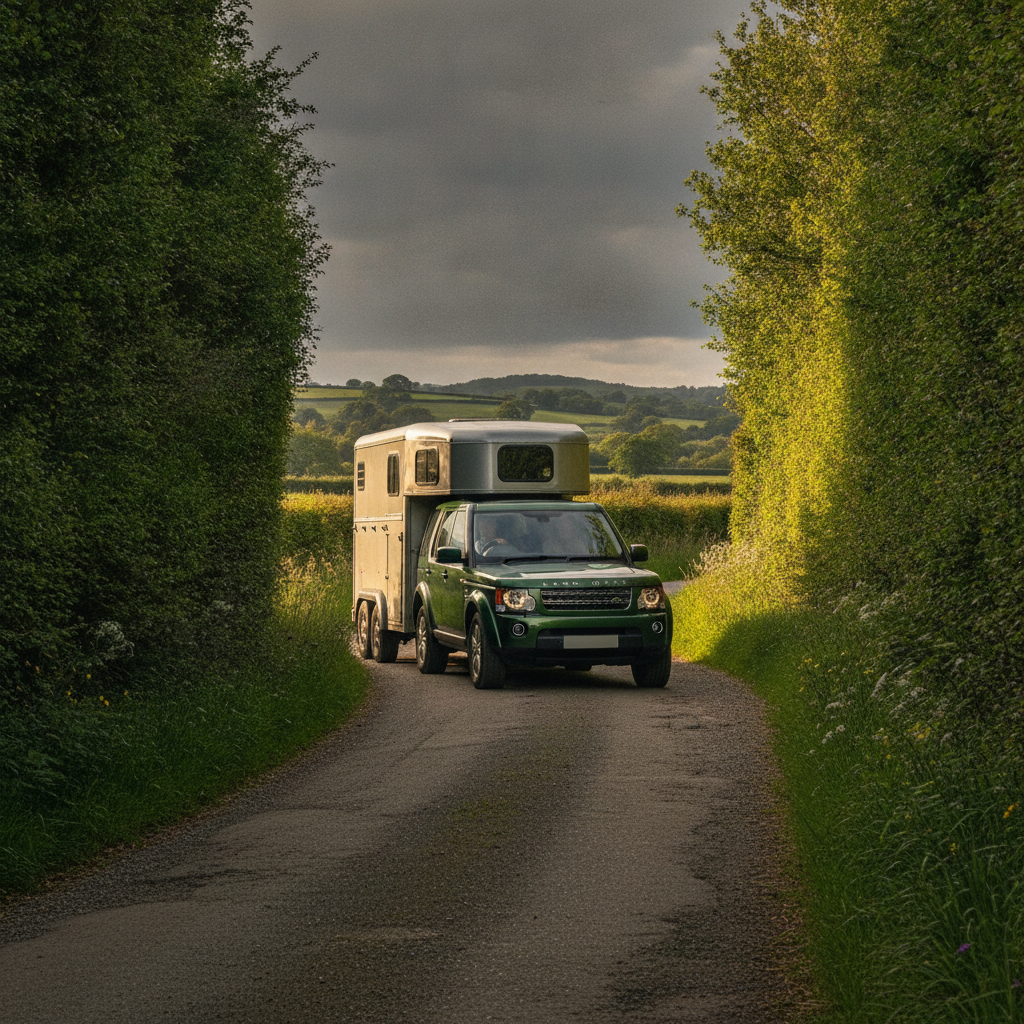
On larger diesels, especially in SUVs, big estates and 4x4s, the change in character is significant. The car has the surge of effortless torque you wish it had from the factory. Towing trailers, caravans or laden commercial loads becomes the area where the remap pays for itself most clearly.
Small turbo petrols (1.0–1.4 TSI / EcoBoost)
Small turbo petrols have become the norm for modern hatchbacks, and they tune more readily than people often expect. The factory tunes are conservative because they have to work in dozens of markets, fuels and climates — and a careful Stage 1 unwinds some of that conservatism.
Typical Stage 1 ranges
- Power: +20 to +35 bhp
- Torque: +40 to +70 Nm
What it actually feels like
The most consistent feedback we get from small-petrol owners after a Stage 1 is around throttle response. The car wakes up. The slight lag below 2,000 rpm fades, mid-range becomes much more useful, and the engine feels like it has woken up rather than just become louder.
Hot-hatch and performance petrols (2.0 TSI / TFSI)
This is the category where Stage 1 figures look closest to the marketing claims, because the platform is genuinely designed with margin. Cars like the 2.0 TSI Golf GTI, 2.0 TFSI S3, 2.0 EcoBoost Focus ST and similar respond strongly to a well-built calibration.
Typical Stage 1 ranges
- Power: +40 to +70 bhp
- Torque: +60 to +110 Nm
What it actually feels like
On a healthy hot-hatch, Stage 1 is the most cost-effective performance upgrade money can buy. The car keeps its everyday usability and gains noticeable shove from third gear onwards. We always emphasise that figures at the top of these ranges depend on the engine, mileage and fuelling — and we will tell you honestly where your specific car is likely to sit.
A note on insurance
Performance petrols are watched closely by insurers. You must declare a remap, and that conversation is much easier when you have realistic, documented figures rather than vague claims. Our remap and insurance guide walks through exactly what to say.
Naturally aspirated petrols
Engines without a turbo do not have the same headroom because most of the gains from a remap come from optimising boost and fuelling. On a naturally aspirated engine, what we are tuning is throttle response, ignition timing and fuelling within tighter limits.
Typical Stage 1 ranges
- Power: +5 to +15 bhp
- Torque: +10 to +25 Nm
What it actually feels like
Honest answer: the headline numbers are small, but the throttle character changes more than the figures suggest. The car feels keener at part-throttle, the pedal becomes more linear, and the overall driving experience is sharper. If your goal is big peak figures, naturally aspirated Stage 1 is not the route — and we will say so.
Vans and light commercials
Vans are some of the best Stage 1 candidates because they spend most of their lives at part-throttle, fully laden, climbing motorway gradients. A good remap solves that exact problem.
Typical Stage 1 ranges
- Transit / Sprinter / Crafter (2.0–2.2 diesel): +30 to +50 bhp, +70 to +110 Nm
- Trafic / Vivaro / Custom (2.0 diesel): +25 to +40 bhp, +60 to +90 Nm
- Berlingo / Partner / Combo (1.5–1.6 diesel): +15 to +25 bhp, +40 to +60 Nm
What it actually feels like
Loaded driving becomes the place you notice it. Longer fifth-gear pulls without downshifts, easier overtakes on dual carriageways, and on long-distance work, fuel economy that improves when driven gently because the van is not labouring at lower revs.
Why torque numbers matter more than peak BHP
Most of the public conversation around remapping is about peak bhp, but for the actual driving experience, torque is what you feel. Peak bhp lives at the top of the rev range. Torque is what pulls you out of a roundabout, up a hill, or away from a slow corner — and that is the part of the rev range where you spend almost all of your real-world driving life.
This is why we always quote both numbers, and why a Stage 1 figure that improves torque by +90 Nm in the mid-range often feels more transformative than a similar bhp figure measured high in the rev band.
Frequently asked Stage 1 gain questions
Are these numbers guaranteed?
No, and honest tuners do not promise specific figures sight unseen. Mileage, fuel quality, service condition, climate and how you drive all affect the result. The ranges above are realistic for healthy cars in our service area.
Will I lose anything to gain power?
A well-judged Stage 1 should not. We run the engine within safe mechanical limits and keep emissions hardware functional. If you want a deeper view of trade-offs, our guide on the potential side effects of ECU remapping covers this honestly.
Can I see the figures before and after?
For most jobs, we can show you the calibration changes and the diagnostic outputs. Live dyno graphs are a separate service depending on the vehicle and what you are looking to achieve.
How does Stage 1 compare with Stage 2?
Stage 1 works within factory hardware. Stage 2 raises the hardware ceiling first. If you are exploring that route, see our separate guide on Stage 2 remapping and the hardware required.
Where do you cover for Stage 1 remapping?
Leicester is the primary area, with regular work across Leicestershire and the wider Midlands — Loughborough, Hinckley, Coalville, Melton Mowbray, Market Harborough, Ashby-de-la-Zouch, Castle Donington, Lutterworth, Shepshed, Rugby, Coventry, Nottingham, Tamworth and parts of Birmingham.
Get realistic Stage 1 numbers for your car
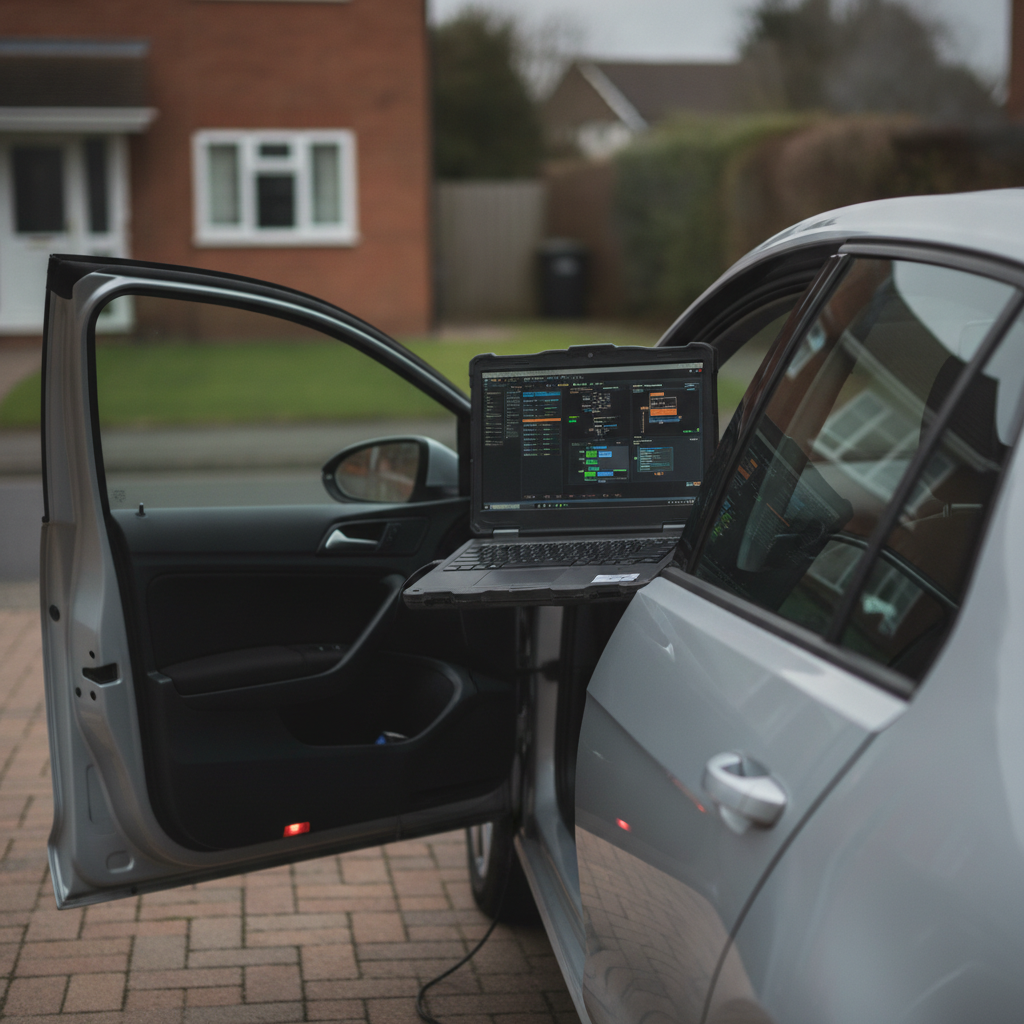
Tell us the make, model, engine and year, and we will give you an honest figure range based on real cars we have tuned. Mobile service, custom calibration, original file backup — every appointment.
- Stage 1 remap service — what is included and how it works.
- Stage 1 remap pricing — straightforward cost guide.
- Talk to us — share your vehicle and we will share realistic numbers.