What Is a Decat Exhaust Pipe? A Diesel Driver’s Guide
You’ve heard the term decat. Maybe it came up when you were researching a Stage 2 remap, or when your mechanic mentioned
it alongside other modifications. This guide explains exactly what a decat pipe is, what it does to your engine and exhaust,
how it compares to a sports cat, and what UK drivers need to know before fitting one.
Stage 2 remap
Exhaust modification
Leicester & Midlands
Jump to a section
What is a catalytic converter?
A catalytic converter — often shortened to “cat” — is a component fitted in your exhaust system between the engine and the
silencer. Its job is to reduce harmful emissions by converting pollutants produced during combustion into less harmful gases
before they leave the exhaust pipe.
Inside the catalytic converter is a honeycomb structure coated with precious metals — typically platinum, palladium, and
rhodium. Hot exhaust gases pass through this structure, triggering chemical reactions that convert hydrocarbons, carbon
monoxide, and nitrogen oxides into carbon dioxide, water, and nitrogen.
On modern vehicles, the catalytic converter also plays a role in the emissions monitoring system. Oxygen sensors placed
before and after the cat report to the ECU, confirming that the converter is working efficiently. If the cat fails or
becomes less effective, the ECU detects the drop in efficiency and triggers a fault code.
The catalytic converter restricts exhaust gas flow to some degree — particularly on high-performance or heavily modified
engines. This restriction is one of the reasons drivers look at decat pipes.
What is a decat pipe?
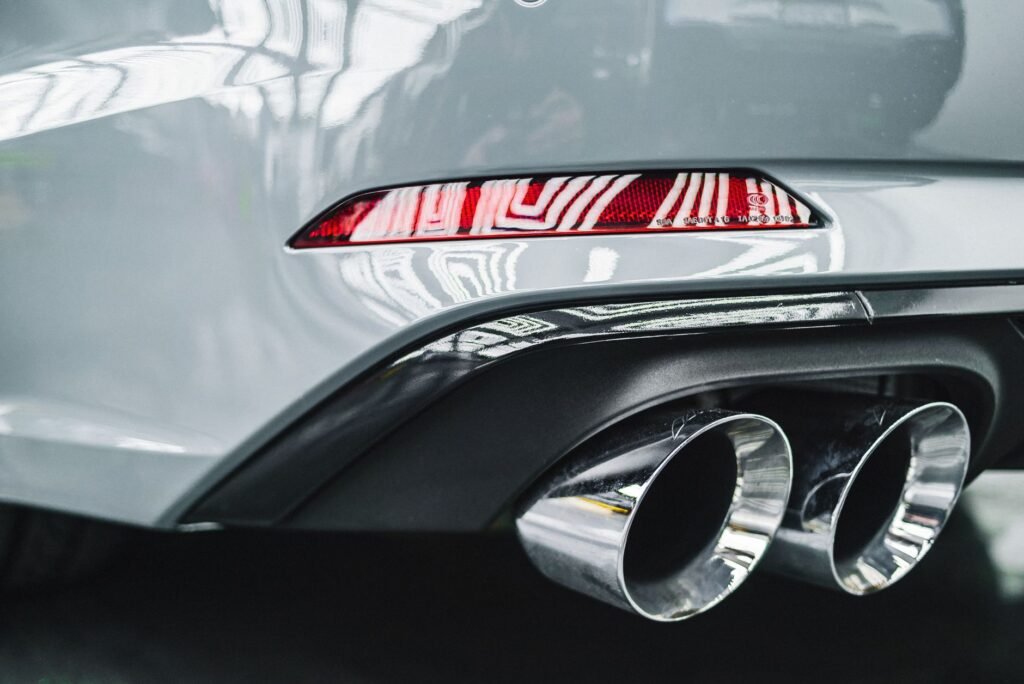
A decat pipe is a straight pipe that replaces the catalytic converter in the exhaust system. It has no honeycomb structure,
no precious metal coating, and no restriction. Exhaust gases flow straight through, unrestricted, from the manifold or
downpipe to the rest of the exhaust system.
The term “decat” comes from removing the catalytic converter — de-catting the vehicle. The decat pipe itself is simply
the replacement section of pipe that fills the space the cat previously occupied, maintaining the continuity of the
exhaust system without the catalyst inside.
Decat pipes are available for most common performance and diesel vehicles and are typically made from stainless steel.
They’re usually cheaper than sports cats because they contain no precious metals.
Decat vs cat delete
The terms “decat”, “cat delete”, and “decat pipe” are used interchangeably. They all refer to removing the catalytic
converter and replacing it with an unrestricted pipe.
What does a decat do to performance?
Removing the catalytic converter reduces back pressure in the exhaust system. Back pressure is the resistance that
exhaust gases have to overcome to escape the engine. Lower back pressure means exhaust gases exit more freely, which
in turn allows fresh intake air to enter the combustion chamber more efficiently.
The practical effects of a decat on performance include:
- Increased power: On a naturally aspirated engine, reducing back pressure can release a small amount of additional power. On a turbocharged engine, better exhaust scavenging can improve turbo spool and boost delivery.
- Improved throttle response: Less restriction in the exhaust can make the engine feel more responsive, particularly at higher revs.
- Sound change: A decat almost always makes the exhaust louder and more aggressive in tone. On petrol performance engines this is often a desired effect; on diesel vans and estates it’s rarely the goal.
- Weight reduction: A decat pipe is lighter than a catalytic converter, which can contribute a small amount to overall vehicle weight reduction.
On a standard, unmodified engine, the gains from a decat alone are modest. Where a decat shows significant benefit is
on engines that have already been remapped and are making more power — the standard exhaust becomes a more noticeable
bottleneck as output increases.
Decat vs sports cat: what’s the difference?
A sports cat is a higher-flow catalytic converter that retains the catalytic function but uses a less restrictive
honeycomb structure. Instead of the dense stock honeycomb, a sports cat uses a larger cell count or less dense substrate
that allows exhaust gases to flow more freely while still reducing emissions.
| Factor | Decat Pipe | Sports Cat |
|---|---|---|
| Emissions reduction | None — no catalyst | Reduced but present |
| Exhaust flow restriction | Minimal — straight pipe | Lower than stock, but still some restriction |
| MOT emissions test | Likely to fail on road use | May pass depending on spec |
| Cost | Lower (no precious metals) | Higher (contains catalyst) |
| Fault light risk | High without ECU work | Lower — depends on spec |
| Suitable for road use | Technically no — off-road/track only | More commonly used on road |
For drivers who want more exhaust flow but need to keep the vehicle road-legal and MOT-compliant, a sports cat is the
more practical option. For track-only or heavily modified builds where road legality isn’t a concern, a decat pipe
is the simpler and cheaper route.
Decat and MOT: the legality question
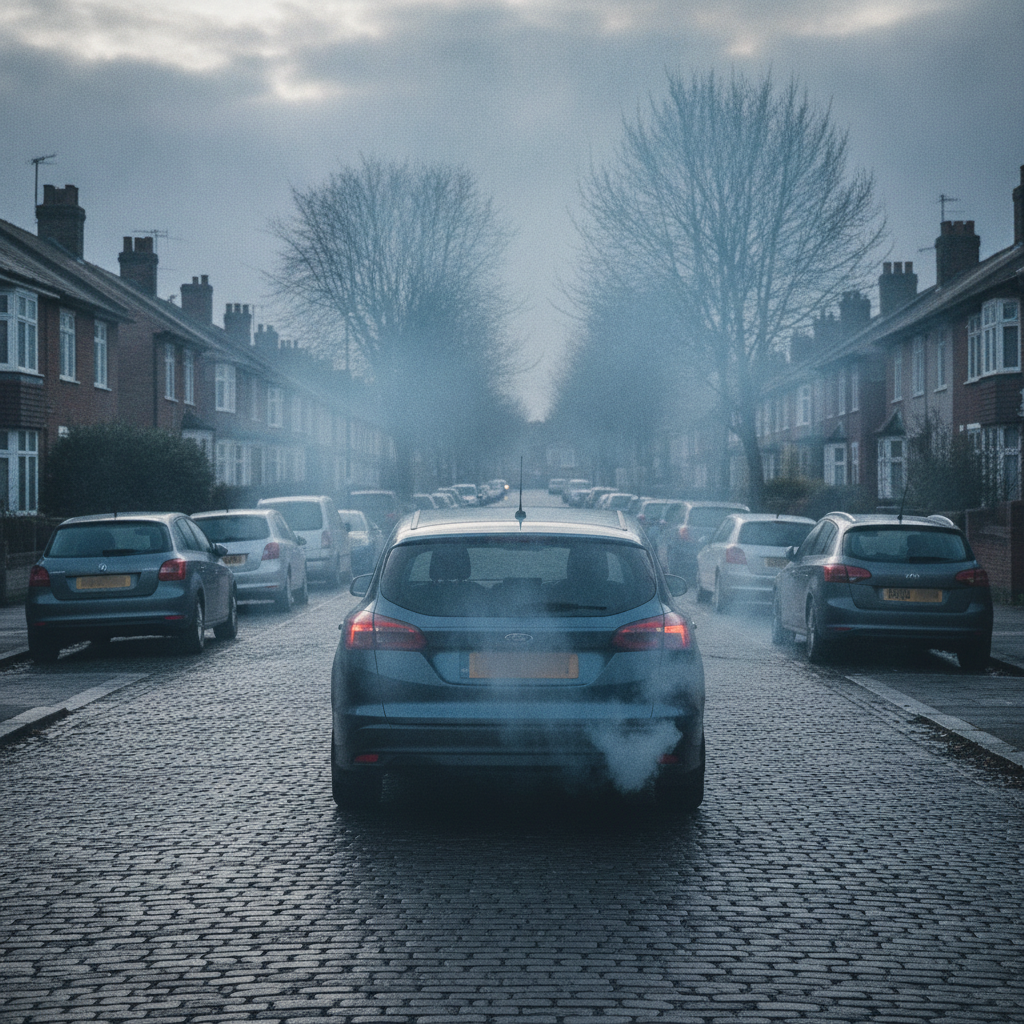
In the UK, it is an offence under the Road Traffic Act to use a vehicle on public roads if it has been modified in a way
that causes it to produce exhaust emissions in excess of the legal limits. A decat pipe, by removing the catalytic
converter entirely, will typically cause a petrol vehicle to fail the MOT emissions test.
For diesel vehicles, the MOT emissions test focuses on opacity (smoke) rather than specific chemical compounds,
so the impact of removing the cat varies more depending on the vehicle type and what other modifications are present.
Important: road use and emissions
Fitting a decat pipe and using the vehicle on public roads puts you at risk of failing an MOT emissions test and
potentially being in breach of road traffic regulations. Decat pipes are typically sold for off-road or track use.
If road use is required, a sports cat is the appropriate option for most drivers.
Some drivers fit a decat for track or motorsport use and store the original cat section to refit for the MOT.
This is a legitimate approach for track-focused vehicles that also see occasional road use, but it requires planning
and the expertise to swap components correctly.
Whenever emissions-related modifications are made, it’s worth having a conversation with a specialist about the
most practical approach for your specific use case.
Is a decat suitable for diesel engines?
Most diesel vehicles do not have a traditional catalytic converter in the same position as petrol cars. Instead,
they use a diesel oxidation catalyst (DOC) and a diesel particulate filter (DPF). Some diesel setups also include
an SCR (selective catalytic reduction) system for AdBlue fluid.
When diesel drivers talk about decatting or removing emissions components, they’re usually referring to the DPF or the
DOC rather than a traditional petrol-style cat. The principles are similar — removing the restriction improves exhaust
flow — but the components and the process are different.
DPF removal is a specific process covered separately, and it comes with its own set of implications around MOT,
emissions compliance, and ECU recalibration. If you’re interested in DPF-related modifications, that’s a distinct
topic from petrol-style decat work.
On performance diesel applications — particularly turbodiesel engines used in motorsport or track days — decat
work can be relevant, but it’s always worth clarifying exactly which component is being discussed for your
specific vehicle.
Decat with a Stage 2 remap: why they go together
A Stage 2 remap pushes more power through the engine than a Stage 1 remap. With more fuel and more boost, the exhaust
system has to handle a greater volume of gases. At Stage 2 power levels, the standard catalytic converter becomes a
more significant restriction — it was designed to flow the stock exhaust volume, not the increased output of a modified engine.
This is why a decat or high-flow sports cat is often listed as a prerequisite for a Stage 2 remap. Without improving
exhaust flow, the increased power from the remap can’t be fully realised, and the engine may run less efficiently
at higher outputs.
The full Stage 2 package typically includes:
- Decat pipe or high-flow sports cat
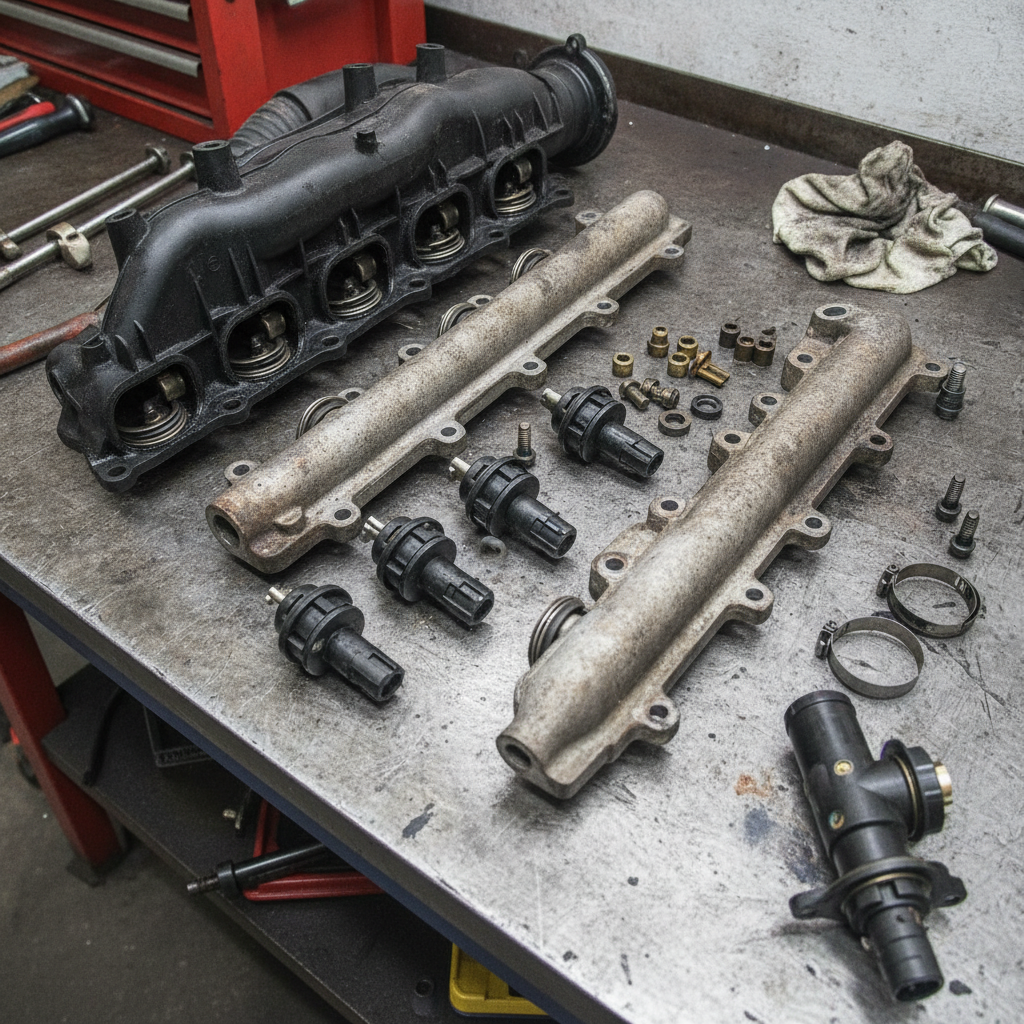
- Uprated air intake or induction kit
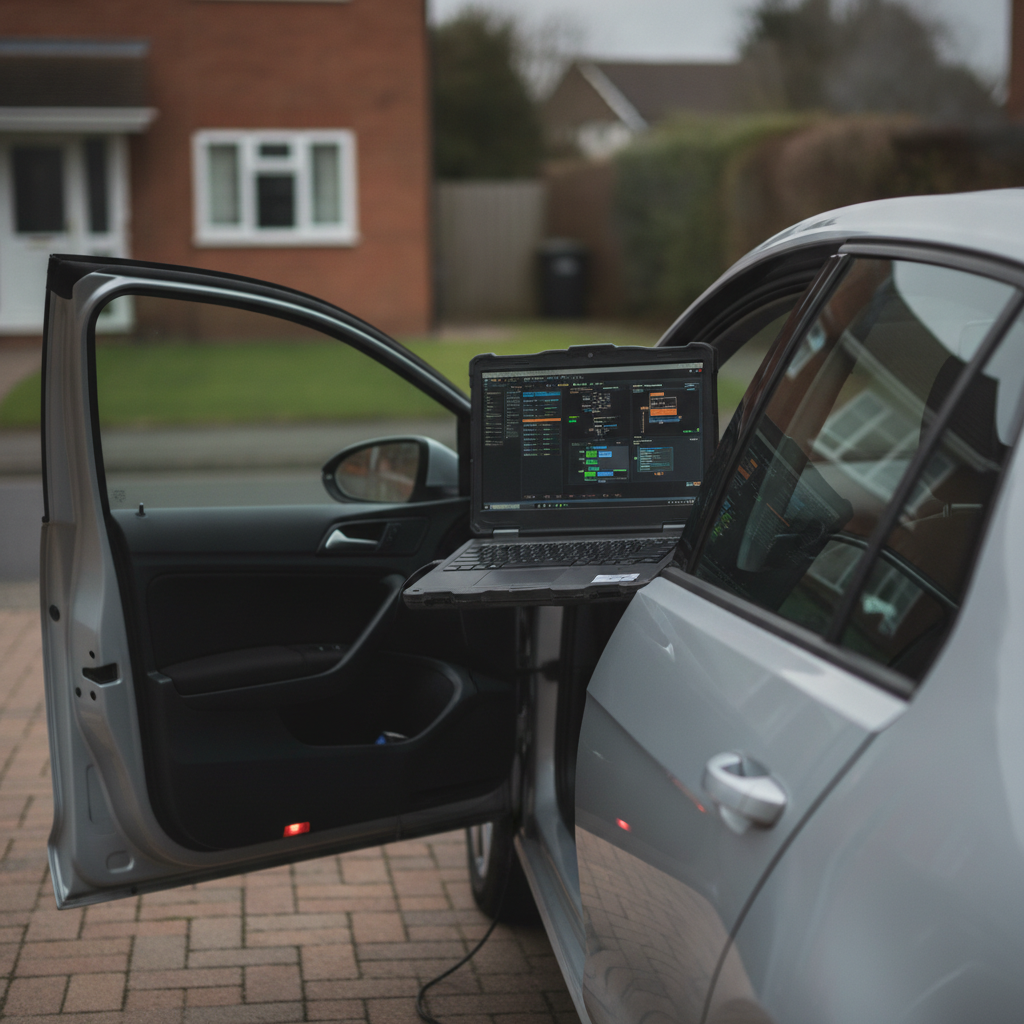
- Stage 2 ECU remap calibrated for the hardware
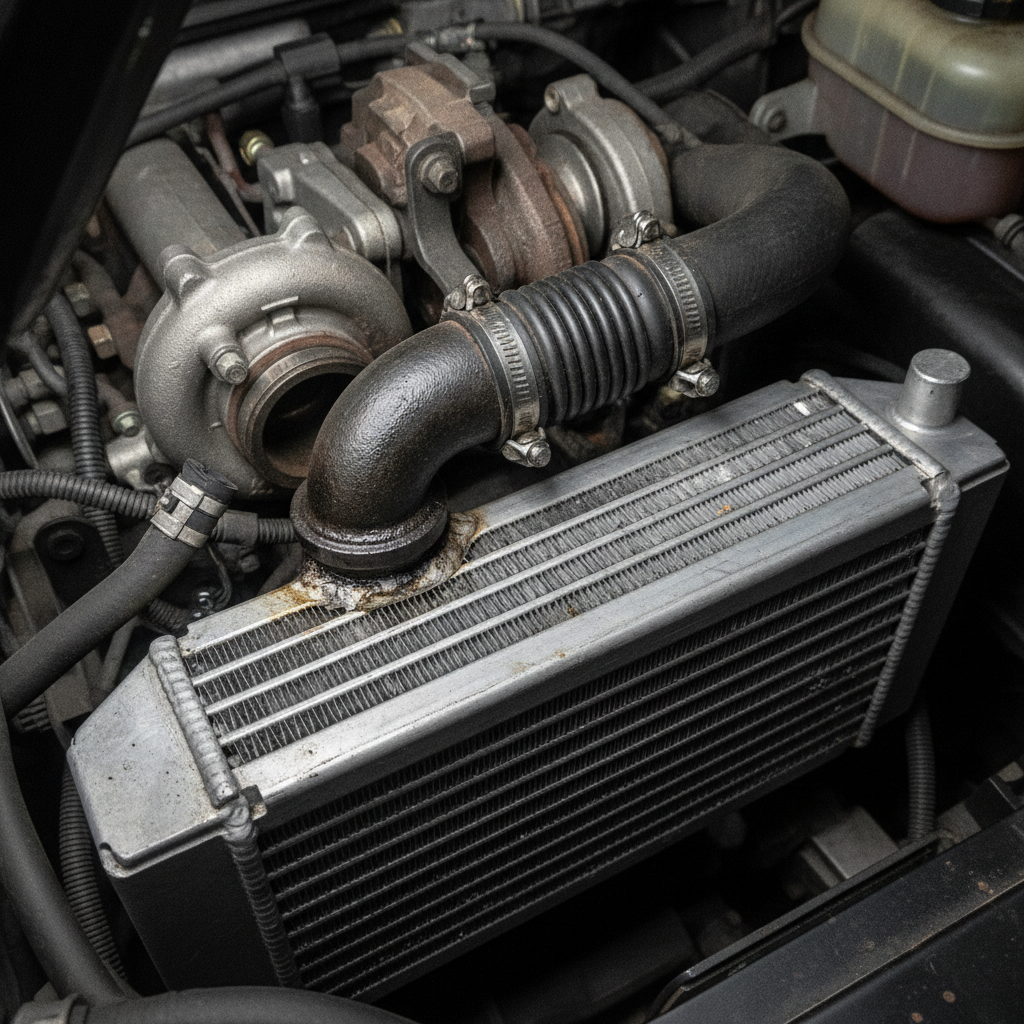
- In some cases, an intercooler upgrade depending on engine and target power
Always remap after hardware changes
Fitting a decat or sports cat without a supporting remap leaves the ECU running calibration designed for the
original exhaust. A proper Stage 2 remap ensures the ECU is optimised for the new hardware — otherwise you’re not
getting the full benefit of either modification.
Who should consider a decat?
A decat pipe makes the most sense for:
- Track and motorsport vehicles: Cars that are not used on public roads and aren’t subject to MOT requirements. The performance and sound benefits are available without road-use concerns.
- Stage 2 builds: Vehicles going through a full Stage 2 modification programme where emissions compliance is being managed as part of the overall build plan.
- Drivers who intend to use a sports cat on the road: In this case, the decat conversation becomes a comparison between decat (for off-road/track) and sports cat (for road use with better flow than stock).
For most everyday drivers looking to improve performance while keeping the vehicle road-legal, a sports cat or a well-calibrated
Stage 1 remap is the more appropriate starting point. A Stage 1 remap on a turbodiesel or turbopetrol delivers significant
gains without requiring any exhaust hardware changes at all.
If you’re unsure which route makes sense for your vehicle and how you use it, talking to a specialist before spending
money on hardware is the right first step.
Looking at Stage 2 remapping in Leicester or Leicestershire?
Leicester Remaps provides mobile Stage 1 and Stage 2 ECU remapping across Leicester, Loughborough, Hinckley, Coalville,
and the wider Midlands. If you’re planning a Stage 2 build and want advice on the hardware you’ll need alongside the remap,
get in touch — we can talk through the options for your specific vehicle.
View our Stage 2 remap service or
contact Leicester Remaps to discuss your Stage 2 build.