Diesel Injector Problems: Symptoms, Causes and ECU Solutions
A rough idle. Black smoke under acceleration. A drop in power that wasn’t there last month.
These are classic signs that your diesel injectors may not be working as they should.
This guide explains what diesel injectors do, how to spot when they’re going wrong, what causes them to fail,
and what ECU diagnostics can tell you before you commit to an expensive repair.
Common rail diesel
Fault diagnosis
Leicester & Midlands
Jump to a section
What do diesel injectors do?
Diesel injectors are high-precision components that deliver fuel directly into the combustion chamber at exactly the right
moment and in exactly the right quantity. On a modern common rail diesel engine, this happens thousands of times per minute
per cylinder — with injection pressures ranging from 1,500 to over 2,500 bar depending on the engine and load.
Each injector is controlled by the ECU. The engine management system uses data from multiple sensors — including the
crankshaft position sensor, fuel rail pressure sensor, mass airflow sensor, and intake temperature sensor — to calculate
the precise injection timing and duration for every combustion cycle. The injectors deliver fuel according to these
instructions, and the process repeats continuously.
This level of precision is why diesel engines achieve good fuel efficiency and torque output. It’s also why injector
problems affect the engine so noticeably — the entire combustion process depends on accurate, consistent fuel delivery.
Modern common rail injectors are more sophisticated and more demanding than older mechanical systems. They respond
to electrical signals from the ECU (usually solenoid or piezo-electric actuation), which is why injector issues often
appear as fault codes before they produce obvious symptoms.
Common diesel injector problem symptoms
Injector problems don’t always announce themselves dramatically. In many cases the early signs are subtle, and drivers
dismiss them as minor issues before they escalate. Recognising the warning signs early saves time and money.
Power loss
One of the first things drivers notice with injector problems is a drop in power output. The engine feels less responsive,
particularly under load. Overtaking feels harder, hills feel steeper, and the vehicle simply doesn’t perform the way it used to.
This happens because one or more cylinders are not receiving the correct amount of fuel at the right time.
Rough idle
A rough, lumpy, or uneven idle is a classic sign of an injector issue. When you’re stationary with the engine running,
you may notice the engine vibrating more than usual or the idle speed fluctuating. This is caused by cylinders firing
unevenly — one injector delivering too little or too much fuel compared to the others.
Black smoke on acceleration
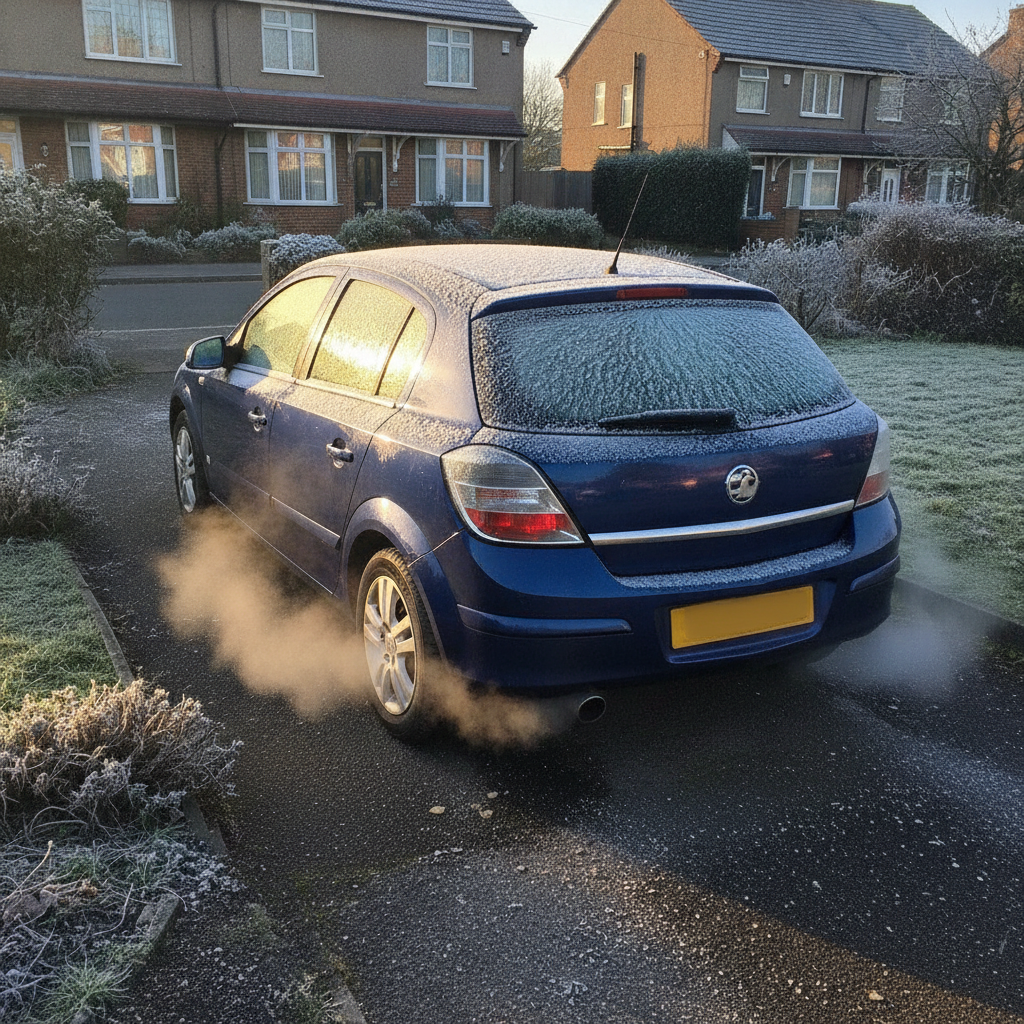
Diesel engines produce black smoke when they’re burning more fuel than the engine can combust efficiently. A leaking
injector that delivers excessive fuel, or a poorly atomising injector that produces large fuel droplets, can cause visible
black smoke from the exhaust under hard acceleration.
Poor fuel economy
If your injectors are delivering fuel inefficiently — either too much or at the wrong point in the combustion cycle —
you’ll see the impact at the fuel pump. A noticeable drop in miles per gallon that can’t be explained by driving conditions
or route changes is worth investigating.
Misfires and vibration
A diesel misfire feels like a brief stumble or hesitation in engine power — sometimes accompanied by a vibration through
the steering wheel or seat. This indicates a cylinder firing inconsistently, often caused by an injector not delivering
fuel correctly on every cycle.
Hard starting
Injectors that have poor atomisation or low delivery pressure can make cold starts difficult. The engine cranks for
longer than usual before firing, particularly on cold mornings. In severe cases the engine may not start at all.
Warning lights
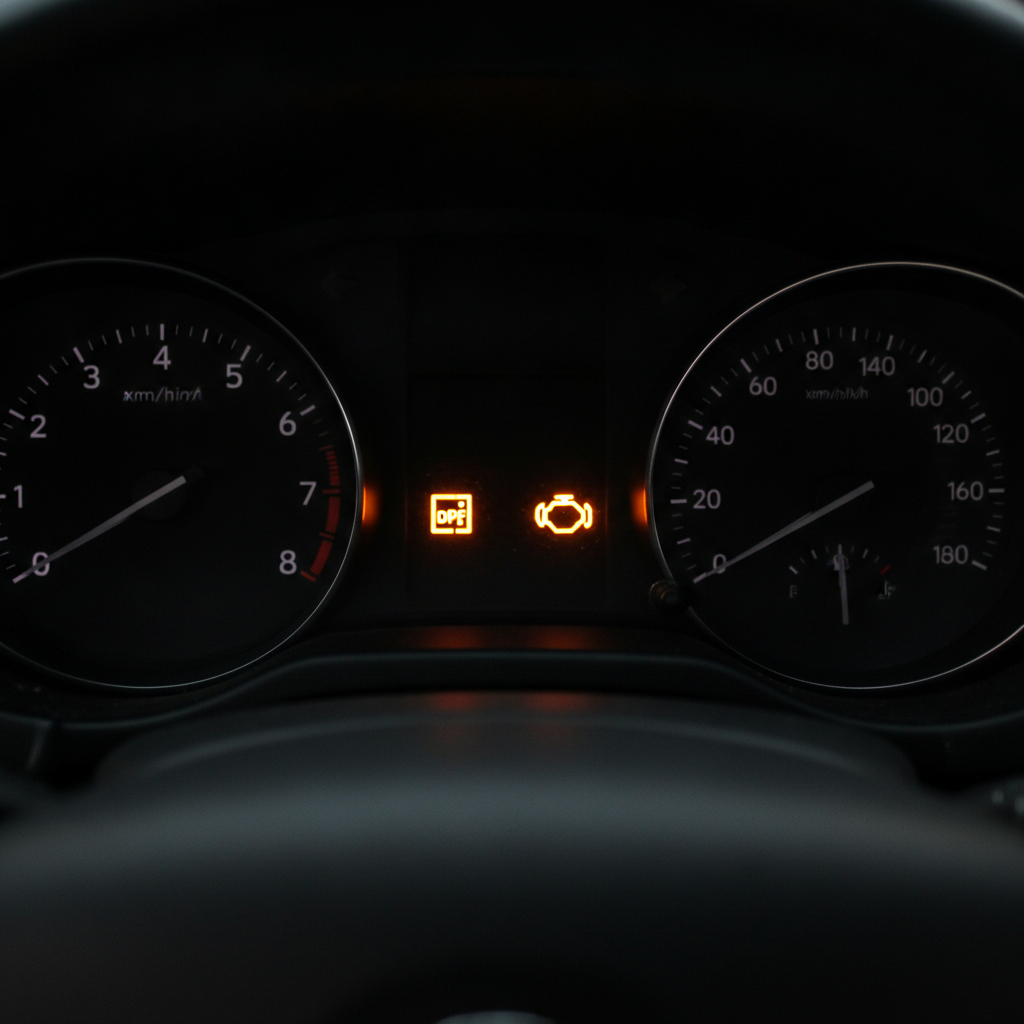
The check engine light or engine management warning light will often illuminate when the ECU detects injector-related
fault codes. On some vehicles, this may be accompanied by a brief period of limp mode if the fault is serious enough
to trigger engine protection.
What causes diesel injectors to fail?
Diesel injectors are precision components operating under extreme pressure and temperature. Several factors contribute
to their deterioration over time.
Wear and age
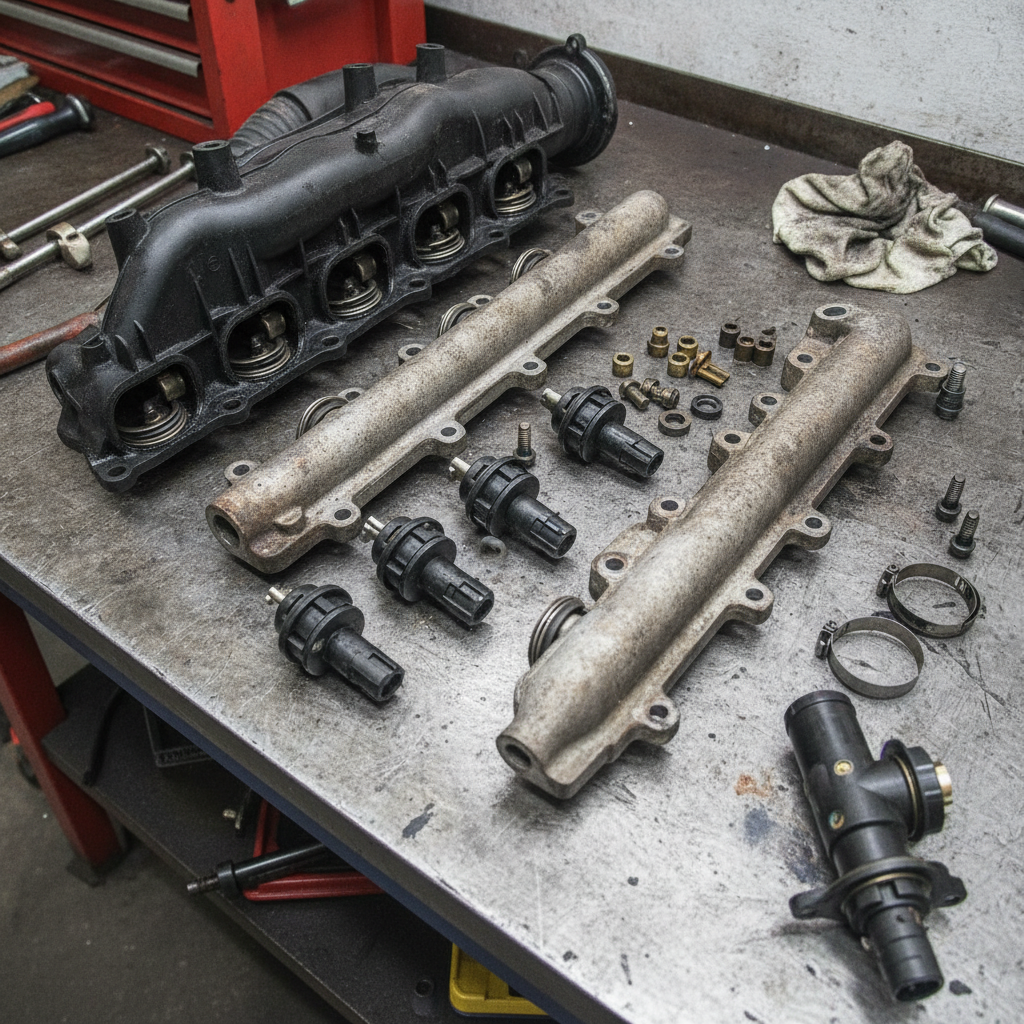
Injectors have a finite service life. Over hundreds of thousands of injection cycles, the needle and seat that controls
fuel delivery gradually wears. This changes the spray pattern and the amount of fuel delivered per cycle. High-mileage
diesels are particularly susceptible — engines with 100,000 miles or more should have injector condition checked as part
of any major fault diagnosis.
Fuel quality and contamination
Diesel fuel quality varies, and contaminants — including water, particles, and poor-quality additives — can damage
injector internals. Water in the fuel system causes corrosion and can cause an injector to fail suddenly rather than
gradually. Running a diesel on low-quality or contaminated fuel consistently accelerates injector wear.
Carbon and varnish deposits
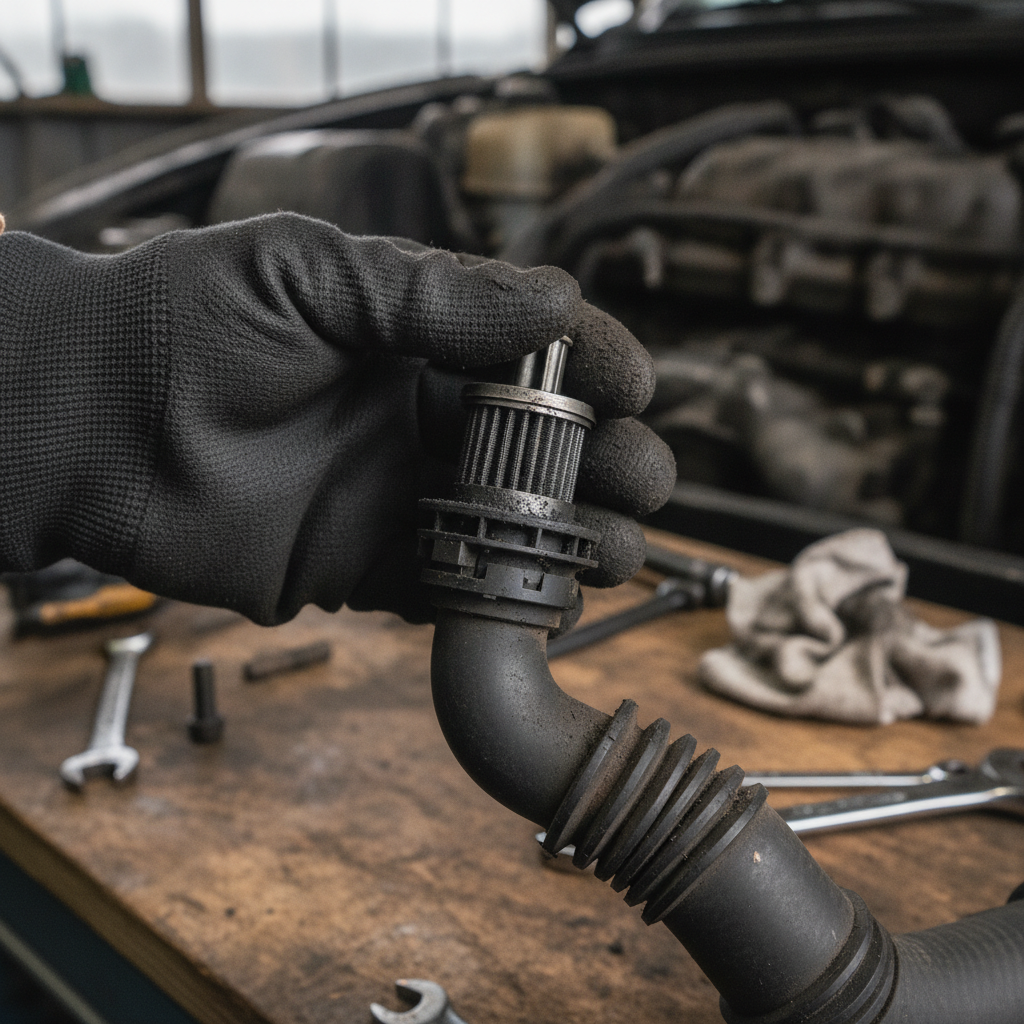
Over time, combustion deposits accumulate on injector tips and within the internal passages. These deposits disrupt
the fuel spray pattern, causing the injector to deliver fuel unevenly. The problem is more common on engines that
do a lot of short, low-temperature trips — the engine never gets hot enough to burn off deposits naturally.
Return circuit failure
Diesel injectors have a return circuit that feeds unused fuel back to the tank. If this return circuit fails or becomes
blocked, fuel can’t flow correctly through the injector, causing delivery inconsistencies. This is often diagnosable
using a back-leak test — a standard injector diagnostic procedure.
Electrical failure
Modern solenoid and piezo injectors rely on precise electrical signals from the ECU. A short circuit, open circuit,
or resistance fault in the injector wiring or the injector’s electrical component itself can prevent it from operating
correctly. Electrical faults often appear as specific fault codes rather than physical symptoms.
The relationship between injectors and the ECU
The ECU and the injectors are deeply interdependent. The ECU controls when and how long each injector opens, and the
injectors report back (indirectly through sensor data) on how combustion is proceeding. If an injector is performing
inconsistently, the ECU detects anomalies in the sensor data — particularly from the crankshaft position sensor,
which measures how smoothly the engine is turning — and adjusts its injection commands accordingly.
Many modern ECUs include individual injector correction values — sometimes called IQ (injection quantity) corrections
or cylinder contribution values. These are learned trim values the ECU uses to compensate for small differences between
injectors, keeping combustion as balanced as possible across all cylinders.
When an injector is significantly worn or failing, these correction values reach their limits. The ECU can no longer
compensate for the injector’s deviation, and it logs a fault code. At this point, the injector needs to be inspected,
tested, or replaced — software alone can’t fix a mechanical component that’s physically failing.
IQ correction values as a diagnostic tool
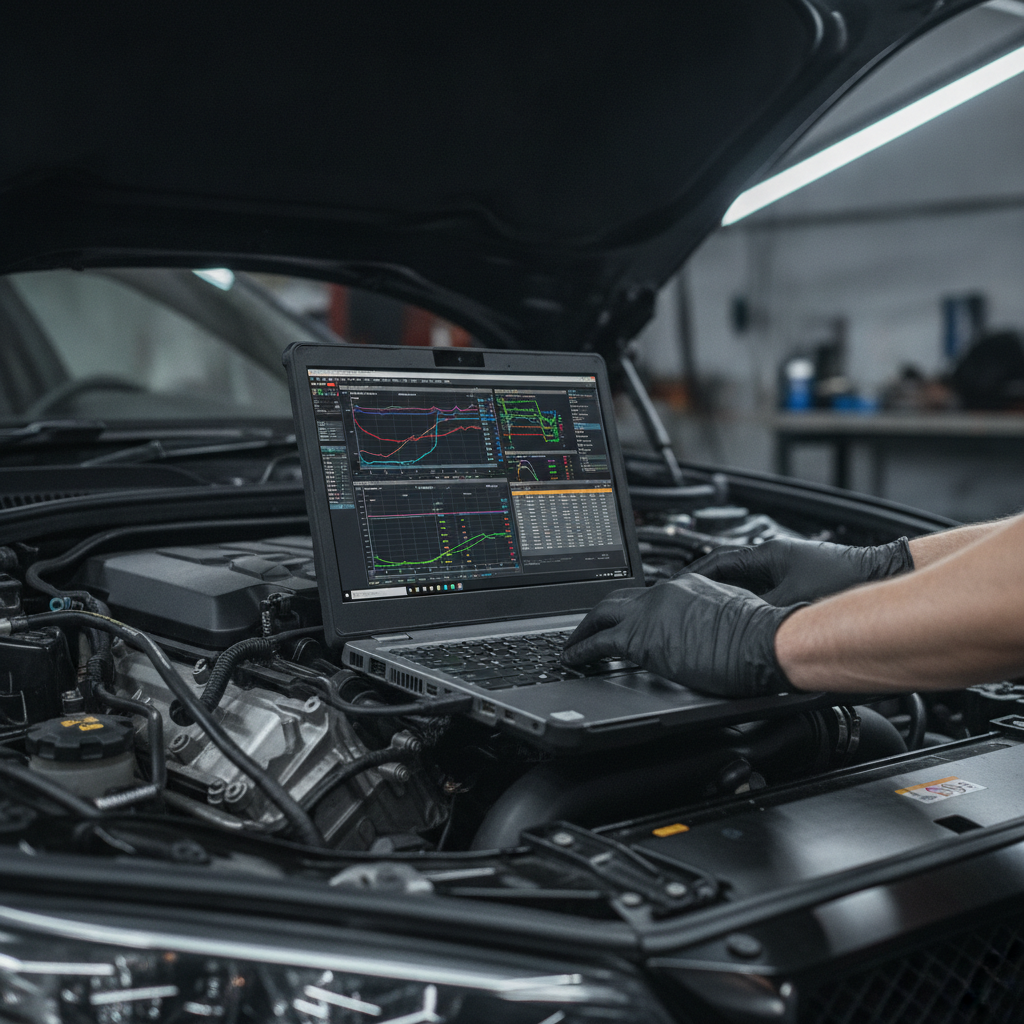
A skilled diagnostician can read the live IQ correction values from the ECU on many diesel vehicles. Large corrections
on a specific cylinder point directly to a problem injector, making it possible to identify the faulty unit before
expensive physical testing.
Injector fault codes and diagnostics
When injector problems trigger the check engine light, the ECU stores fault codes that identify the nature and location
of the fault. Common injector-related fault codes include:
- P0201–P0208: Injector circuit fault for specific cylinders (open circuit, short to ground, short to voltage)
- P0261–P0277: Injector circuit low / high for specific cylinders
- P0087: Fuel rail pressure too low — may indicate an injector leak causing pressure loss
- P0088: Fuel rail pressure too high — less commonly injector-related, but part of the fuel system
- P0300–P0308: Random or specific cylinder misfire detected
Fault codes tell you where to look, but they don’t always confirm exactly what’s failed. An injector circuit fault code
might indicate a faulty injector, or it might indicate damaged wiring, a poor connection, or a problem with the injector
driver circuit in the ECU itself. A proper diagnosis involves reading the codes, checking the live data, and testing
the physical components before committing to a repair.
Don’t assume injector codes mean injector replacement
Injector fault codes are a starting point for diagnosis, not a conclusion. An independent diagnostic assessment
before authorising any repair prevents unnecessary parts spend.
Can ECU work help with injector problems?
ECU-level work can help in specific injector-related scenarios, but it’s important to be clear about what it can
and cannot do.
Injector coding after replacement
When injectors are replaced on many modern diesel engines, the new injectors must be coded to the ECU. Each injector
has a calibration code — a string of characters that tells the ECU the specific characteristics of that injector
(flow rate, spray pattern variation, compensation factors). Without coding the new injectors, the ECU uses default
values and the engine may run rough, produce fault codes, or fail to start.
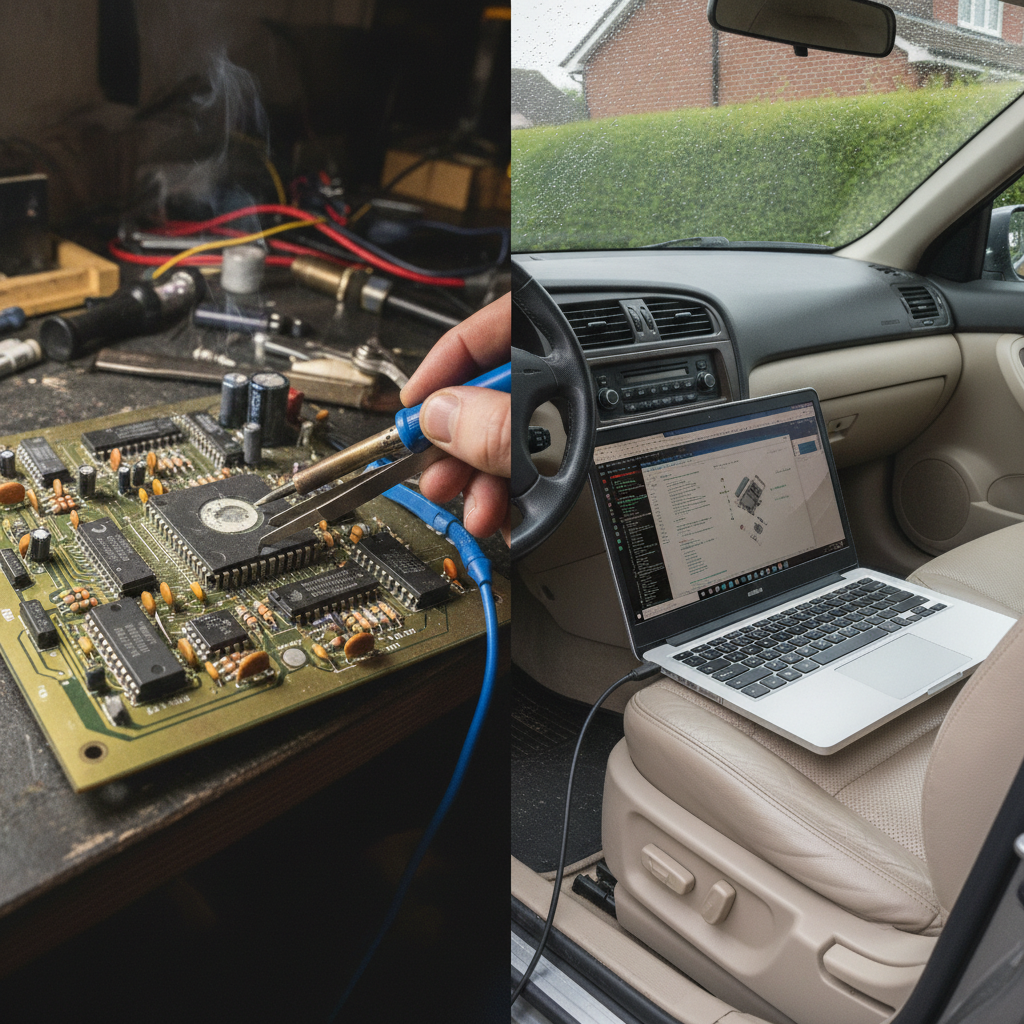
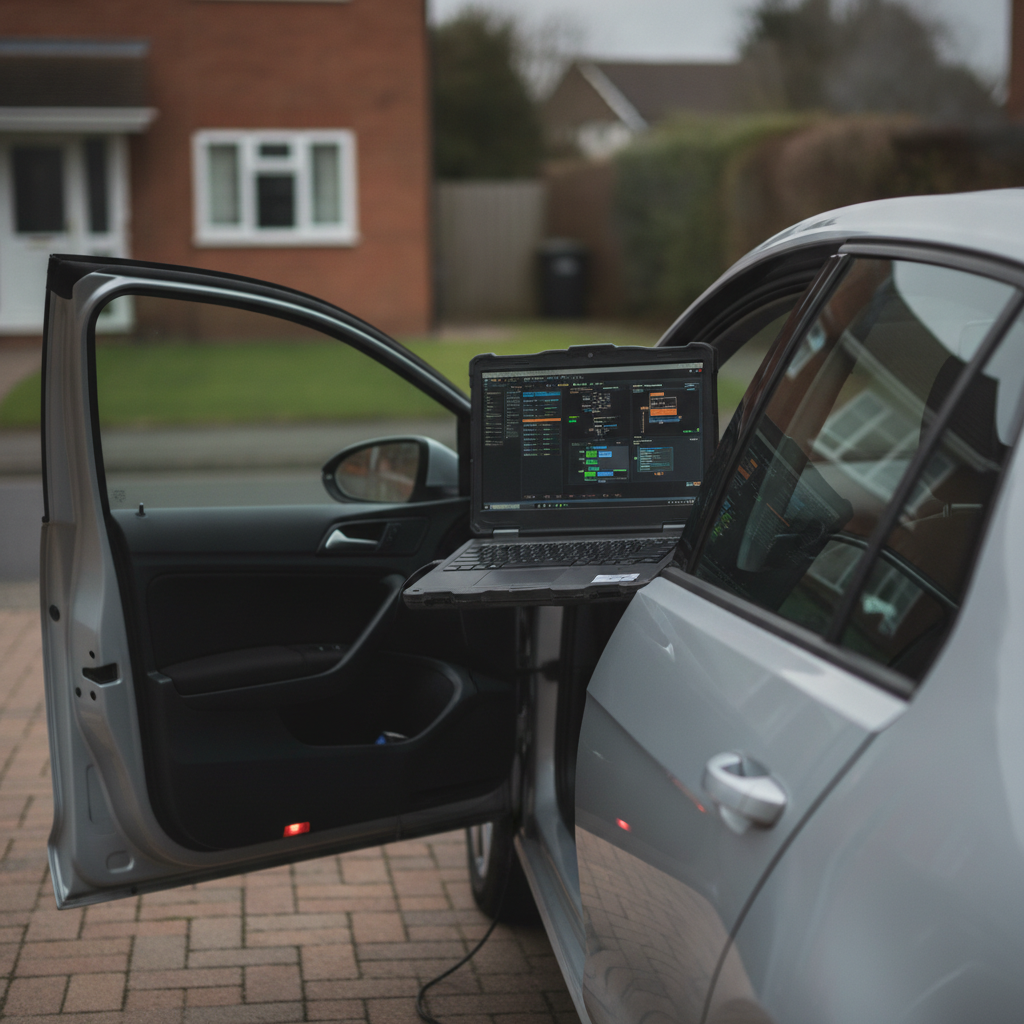
Injector coding is carried out using specialist diagnostic equipment connected to the ECU. It’s a software process,
not a mechanical one — and it must be done correctly after any injector replacement.
Clearing adaptations and corrections
After injector replacement or when injectors have been cleaned and refurbished, the ECU’s learned adaptation values
should be reset. Over time the ECU accumulates correction values based on the old injectors’ behaviour. Resetting
these adaptations allows the ECU to start fresh with the reconditioned or new components.
What ECU work cannot fix
If an injector is physically worn, leaking, or mechanically failing, software work alone will not resolve the problem.
The ECU can compensate for small injector variations, but it cannot fix a component that is not delivering fuel correctly.
Physical injector testing, cleaning, or replacement is required for mechanical failures.
Injector condition and ECU remapping
If you’re considering an ECU remap on a high-mileage diesel, injector condition is an important factor to check beforehand.
A remap increases fuel delivery demands — it asks the engine to work harder, deliver more boost, and manage more
combustion events at higher power levels. Worn injectors that are only just coping at standard output may struggle
under the increased demands of a remapped calibration.
A professional remapper will ask about the vehicle’s service history and current condition before carrying out
any work. If injectors are showing signs of wear — through live data readings, back-leak tests, or fault codes —
addressing them before a remap is the sensible approach.
In good condition, diesel injectors and a well-calibrated remap work together effectively. The remap optimises the
quantity and timing of injection events for the new power target, and properly functioning injectors execute those
instructions accurately. It’s a combination that delivers reliable, consistent performance.
Get a diagnostic check first
If you’ve noticed any injector symptoms before booking a remap, mention them. A quick diagnostic check before
the remap session confirms the engine is in the right condition to proceed — and prevents any confusion about
whether post-remap behaviour is related to the calibration or an underlying injector issue.
What to do next
If you’re seeing injector problem symptoms, the right sequence is:
- Get a diagnostic scan: Read the fault codes and live data to identify which cylinder or injector is affected and the nature of the fault.
- Assess the physical injector: A back-leak test, pressure test, or bench test of the suspect injector confirms whether it needs cleaning, reconditioning, or replacement.
- Address the root cause: Whether that’s a coding issue, a contaminated fuel system, a worn injector, or an electrical fault — fix the underlying problem before masking it with software.
- Consider your remapping plans: Once injectors are confirmed in good condition, discuss whether an ECU remap could deliver meaningful performance or economy improvements for your vehicle.
Diesel injector problems are diagnosable and fixable in most cases. Acting early, before a minor wear issue becomes
a major mechanical failure, is always the better outcome financially.
ECU diagnostics and remapping across Leicester & the Midlands
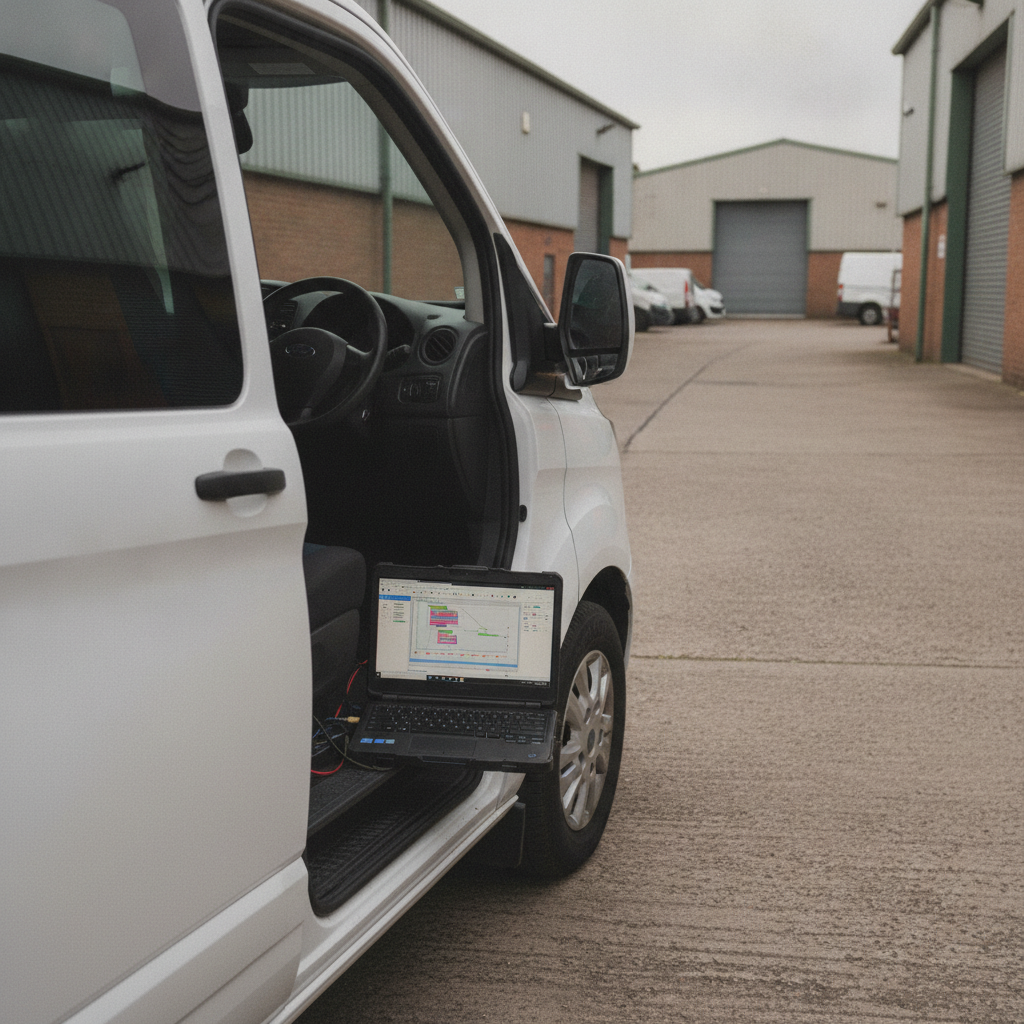
Leicester Remaps provides mobile ECU remapping and diagnostics across Leicester, Loughborough, Hinckley, Coalville,
Market Harborough, Ashby-de-la-Zouch, and the wider Midlands. If you’re seeing diesel fault symptoms and want a
professional diagnostic assessment before committing to any repair, get in touch.
View our mobile ECU remapping service or
contact Leicester Remaps to discuss your vehicle’s condition.