Stage 1 Remap Disadvantages: What You Should Know Before Tuning
A Stage 1 remap can feel like the car should have left the factory. More torque. Cleaner pull. Less gear-changing.
It can also bring trade-offs that you need to understand before you book.
If you have searched for stage 1 remap disadvantages, you are already doing the right thing.
You want the gains, but you also want the full picture.
This guide covers the most common downsides drivers run into and what you can do to avoid them.
It focuses on real-world use in the UK, including daily driving, commuting, towing, and work vans.
Quick answer: are the disadvantages a deal-breaker?
- They are manageable if the car is healthy and you drive with a bit of sense.
- They matter more on high mileage cars with weak clutches, tired turbos, or patchy service history.
- They matter more if you want a cheap tune with no checks or support.
Want the service overview first? Start here:
Stage 1 remap service.
What a Stage 1 remap changes
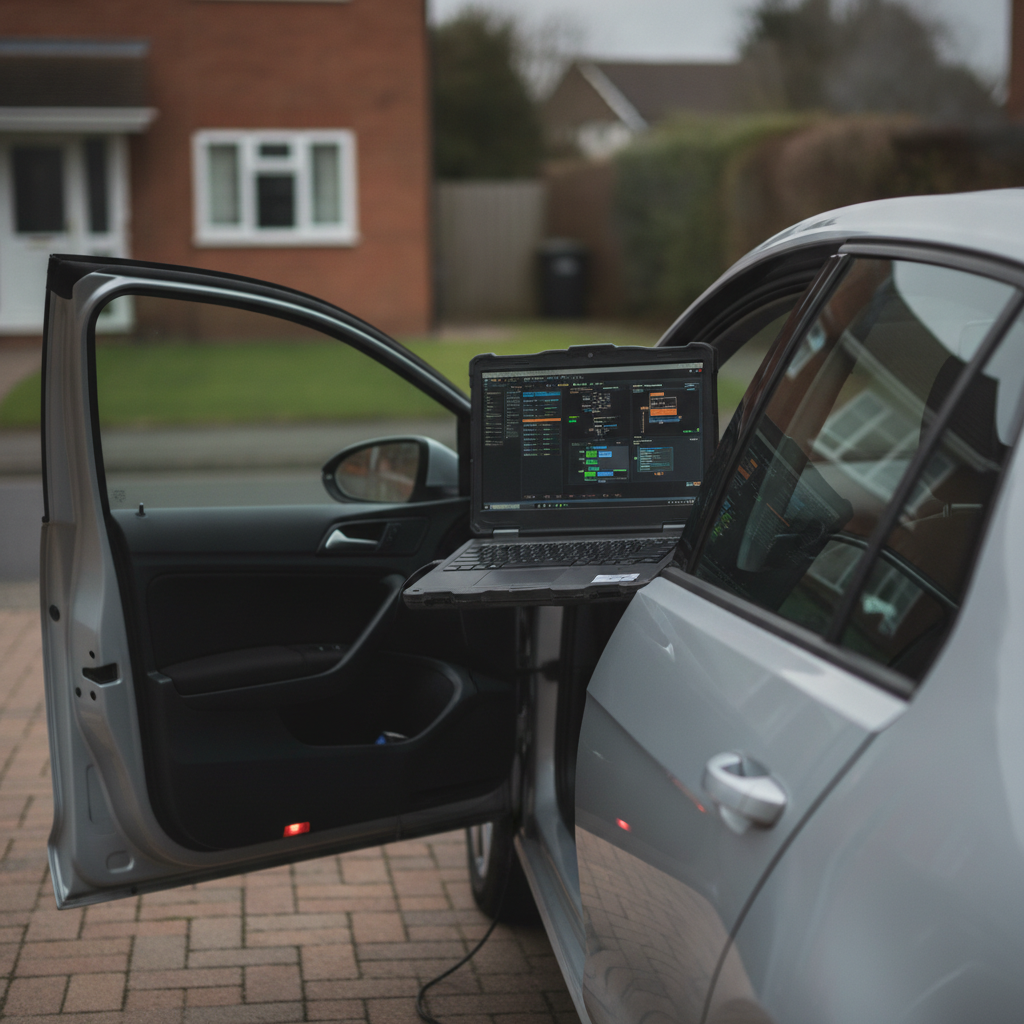
A Stage 1 remap adjusts the ECU calibration to improve torque delivery and throttle response on a standard car.
No physical modifications are required for a typical Stage 1 setup.
Torque delivery
More pull lower in the rev range means fewer downshifts and calmer overtakes.
Boost and fuelling
The ECU can request and control torque more assertively, within safe limits for the setup.
Pedal and drivability
Better response can make the car feel lighter without needing to push it hard.
If you want the practical booking side, this page explains how it works:
mobile ECU remapping.
The real Stage 1 remap disadvantages
Not every “downside” applies to every car.
Use this section as a checklist.
Be honest about how you drive, what the car tows, and how it gets maintained.
1) More torque can expose a weak clutch or gearbox
Torque gain feels brilliant, but it can make a tired clutch slip sooner.
If the bite point sits high, the clutch smells after hill starts, or it slips in higher gears, sort that before tuning.
- Manual diesels on original clutches can show it first.
- Automatic boxes need clean fluid and sensible torque limits.
- Towing adds load and heat, so the margin matters more.
2) Fuel economy can go either way
A Stage 1 remap can improve economy when you use the extra torque to stay in a higher gear.
If you drive harder because the car feels faster, you will use more fuel.
If you want the MPG-focused angle, this page sets expectations:
fuel economy remaps.
3) Traction becomes the limiter on some cars
Extra low-end torque can light up the tyres in the wet, even on cars that felt calm before.
You notice it most in second gear, pulling out of junctions, or on cold tyres.
- Budget tyres and worn suspension make it worse.
- Front-wheel drive cars can feel “busy” if the torque comes in too sharply.
- A smooth map matters more than a big headline number.
4) Insurance and declaration can be awkward
Many UK insurers treat a remap as a modification.
That can mean higher premium, limited provider choice, or extra questions at renewal.
If you do not declare it when required, you can create problems later.
This is one of the most common reasons people delay booking.
If you want clarity before you commit, start your quote checks first, then tune.
5) A remap does not fix existing mechanical problems
A remap can make a healthy car drive better.
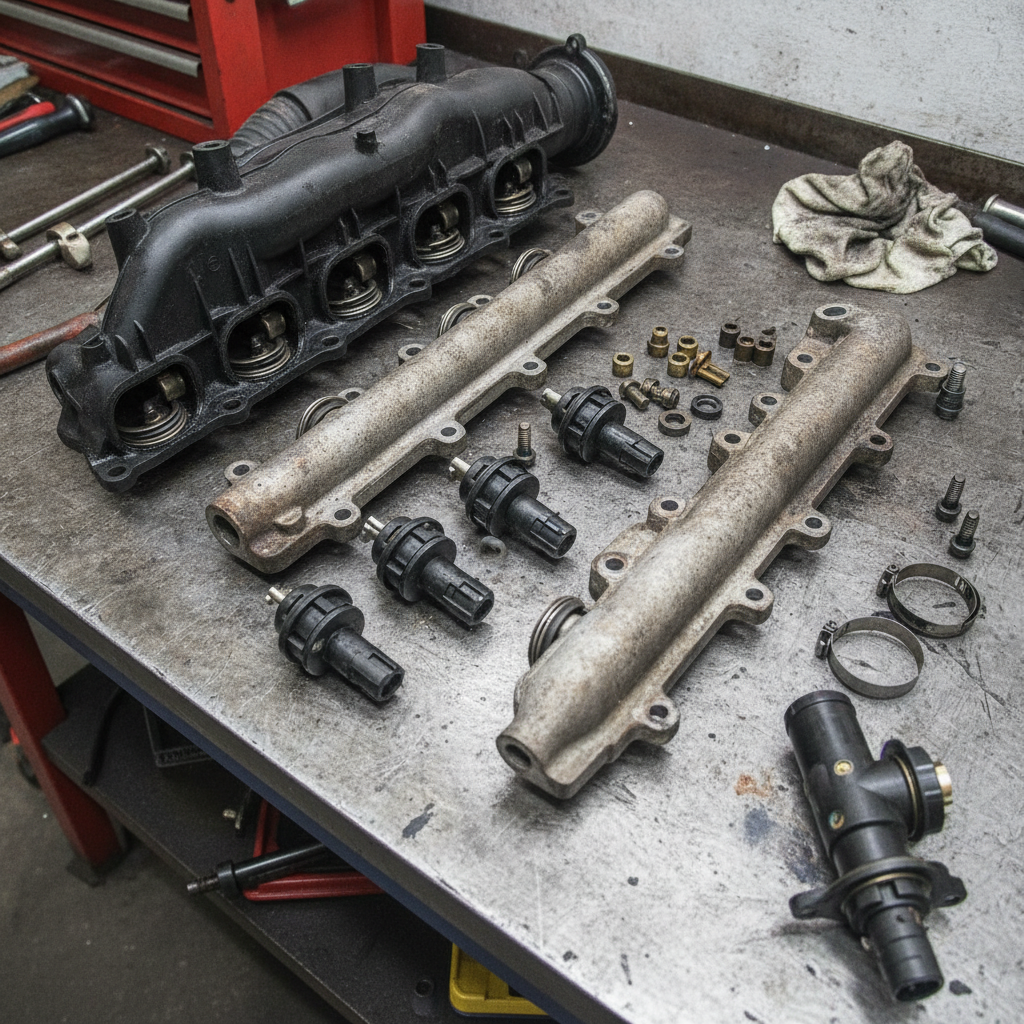
It cannot fix boost leaks, tired injectors, failing sensors, or carbon build-up.
In some cases, the extra demand makes a borderline issue show itself sooner.
If you want the safety angle, this guide is worth reading:
is car remapping safe.
6) Heat and stress rise when you drive hard
Any performance increase means the engine can do more work.
If you sit at high load often, you raise temperatures across the intake, exhaust, and turbo system.
Good oil, correct service intervals, and clean cooling health matter.
- Short trips with lots of stop-start driving are tough on diesels.
- Towing at motorway speeds adds constant load.
- Old oil and weak batteries create avoidable stress.
7) You can pick the wrong provider and get a poor drive
This is the disadvantage people forget.
A rough map can feel snatchy, smoky, or inconsistent.
A good map feels smooth and predictable, with power where you use it.
If you want a clear overview of what remapping is and how it works, use this page:
ECU remapping explained.
How to reduce the risks before a Stage 1 remap
If you want the upside with fewer surprises, do these checks.
They also help you spot whether you should delay the remap.
Service basics
- Fresh oil and correct spec.
- Air filter and fuel filter in good order.
- No active warning lights.
Drivetrain checks
- Clutch slip test in a higher gear.
- Check for DMF noise or vibration.
- Auto gearbox fluid history where relevant.
Air and boost health
- No whistle, hiss, or boost leak signs.
- Clean intake pipes and clamps.
- Stable acceleration with no flat spots.
Tyres and braking
- Decent tyres with tread and correct pressures.
- Brakes feel strong and consistent.
- Wheel alignment not pulling or wandering.
Want a simple pre-remap checklist you can follow?
Use this guide before you book:
preparing your car for a remap.
When you should skip a Stage 1 remap
A Stage 1 remap is not the first step for every car.
If any of the points below sound like your situation, fix the basics first.
- You have an active engine warning light or limp mode.
- The clutch already slips under load.
- The car smokes heavily, feels uneven, or surges.
- You plan to sell soon and you want a totally stock profile.
- You want the cheapest tune possible and you do not want any checks.
If your goal is simply more usable power day-to-day, look at the core service page and book advice first:
Stage 1 remap Leicester.
Want the gains without the guesswork?
Tell us your car, mileage, and how you use it.
We will point you to the right option, whether that is Stage 1, a check-up first, or a different service.
Mobile service across Leicester and wider Midlands, including Coventry, Tamworth, and parts of Birmingham.
Stage 1 remap disadvantages FAQs
Will a Stage 1 remap reduce engine life?
It depends on condition, maintenance, and driving style.
A healthy car driven sensibly can handle a well-calibrated Stage 1.
A tired car driven hard will show issues sooner, with or without a remap.
Is clutch slip common after a Stage 1?
It is common on cars where the clutch is already near the limit.
The remap does not “break” the clutch.
It simply gives the drivetrain more torque than it could handle comfortably.
Can I get better MPG and more power at the same time?
You can improve efficiency when you use torque to stay in higher gears.
If you use the extra power often, fuel use rises.
Your results will vary by vehicle condition, driving style, and maintenance history.
Does a Stage 1 remap affect insurance in the UK?
Many insurers class a remap as a modification.
You should check the provider’s terms and declare it where required.
That can affect premium and cover terms.
How do I know if a Stage 1 remap is right for my car?
Start with your goal, your mileage, and how you use the car.
If you want smoother overtakes and stronger mid-range pull, Stage 1 often fits.
If you have warning lights or drivability issues, sort diagnostics first.