Stage 2 Remap Hardware Checklist: What Mods You Need First
A practical guide to the bolt-on hardware that makes a Stage 2 remap actually work — and why fitting it in the right order matters more than rushing to the tune.
Hardware
Suitability
Leicester
Why Stage 2 needs hardware in the first place
A Stage 1 remap squeezes the safe extra performance available within your factory hardware. It is genuinely useful and it is what most owners need. A Stage 2 remap is a different conversation. It assumes you have already changed at least one of the breathing or thermal limits the factory built in, and it then tunes the engine to take advantage of that new ceiling.
That is why a Stage 2 tune fitted to a completely standard car often disappoints. Without the supporting hardware, the engine cannot deliver the headline figures, the engine management may pull boost to protect itself, and the long-term wear picture gets worse rather than better. The hardware is the whole point.
The good news is that a sensible Stage 2 build does not need a full motorsport spec. For most road cars and vans we work with around Leicester, Loughborough and the Midlands, three or four well-chosen upgrades are usually enough.
The simple way to think about it
Stage 1 unlocks what your hardware can already do. Stage 2 raises the hardware ceiling, then tunes the engine to use that new ceiling. If the ceiling has not actually been raised, you do not have a Stage 2 build.
Intake and air filtration
The first restriction most factory cars have is the intake side. Manufacturers design intake systems to be quiet, cheap to produce, and easy to service. None of those targets are about flow.
Panel filter or full induction kit?
For most Stage 2 road builds, a quality high-flow panel filter that drops into the original airbox is the right starting point. It improves flow, it stays out of warm engine bay air, and it does not change the intake noise dramatically. A full open-element induction kit looks the part but can pull hotter air into the engine, especially in slow traffic, which actually hurts performance.
What to look for
- Direct-fit replacement for your factory airbox.
- Cleanable cotton or foam element with a documented service interval.
- Reputable brand with a flow rating you can verify.
Exhaust and decat considerations
The exhaust side is the second restriction and often the bigger one for turbocharged engines. A freer-flowing exhaust lets the turbo spool earlier, holds boost more easily, and reduces back-pressure that fights the engine on hard pulls.
Cat-back vs decat — be realistic
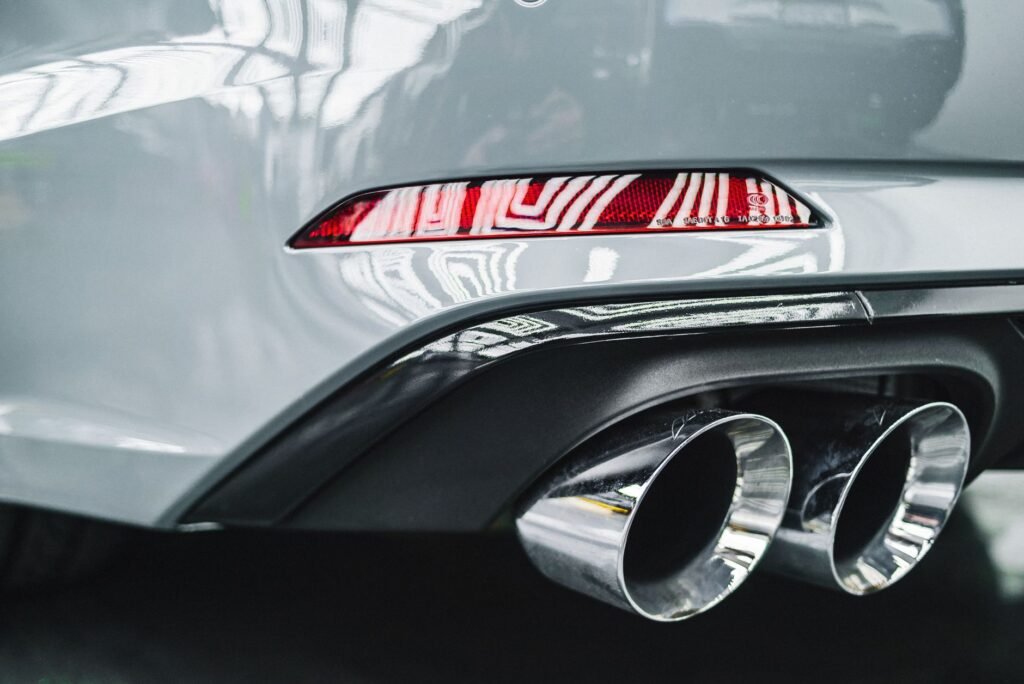
A cat-back system replaces the section of exhaust after the catalytic converter. It is fully road-legal, it generally helps mid-range torque, and it is the default choice for most Stage 2 cars used on public roads.
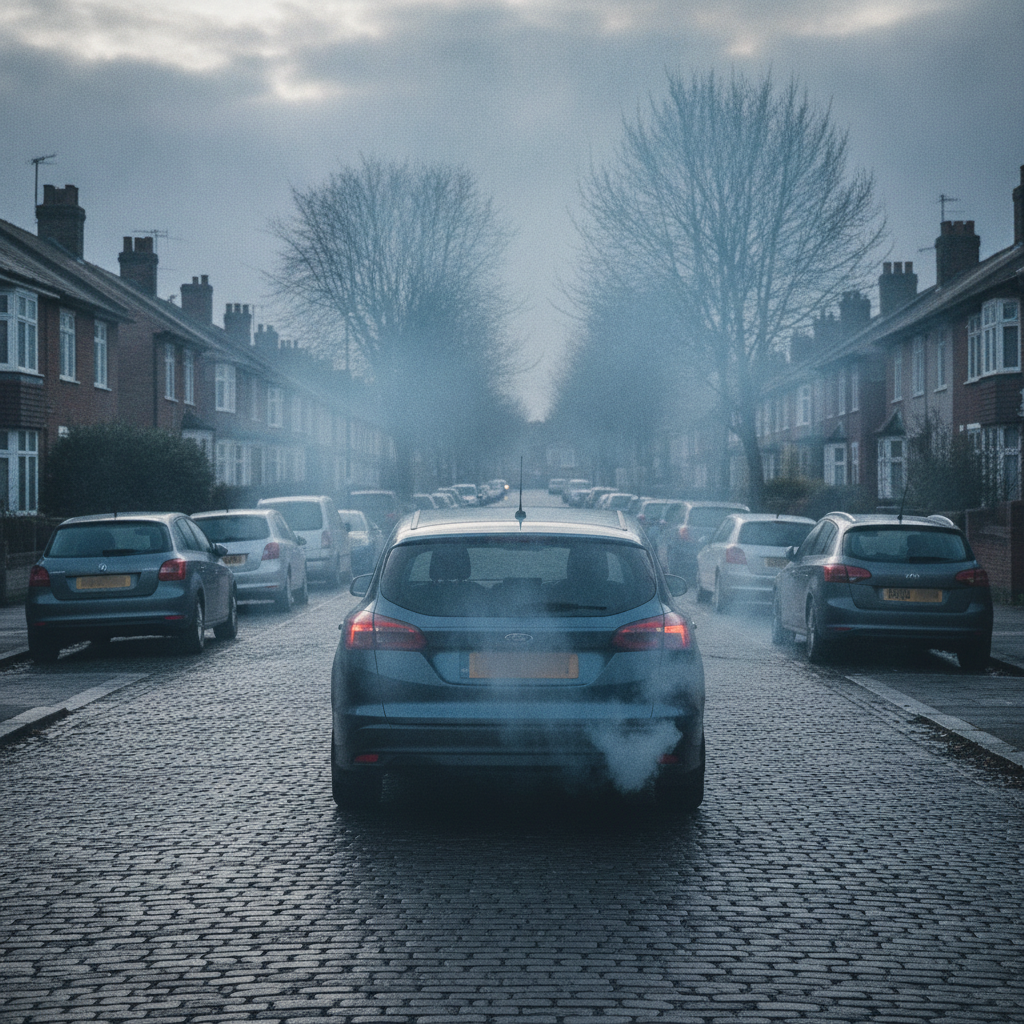
A decat removes the catalytic converter itself. This is a step further, and it has legal implications around MOT and emissions for road use. We have a separate, detailed guide on DPF, EGR and decat MOT rules that walks through the current rules — please read that before deciding.
What about a sports downpipe?
A high-flow sports downpipe is one of the most effective single mods for a turbocharged Stage 2 build. It transforms turbo response, particularly on smaller-capacity engines. It is also the part where road-legality varies most, so we always discuss this in person before committing.
Honest note on legality
We will not tune a road car in a way that knowingly puts it outside MOT rules. If a build needs decat or DPF removal that conflicts with your intended use, we will say so — and recommend a different combination of parts that gets you the result you actually want.
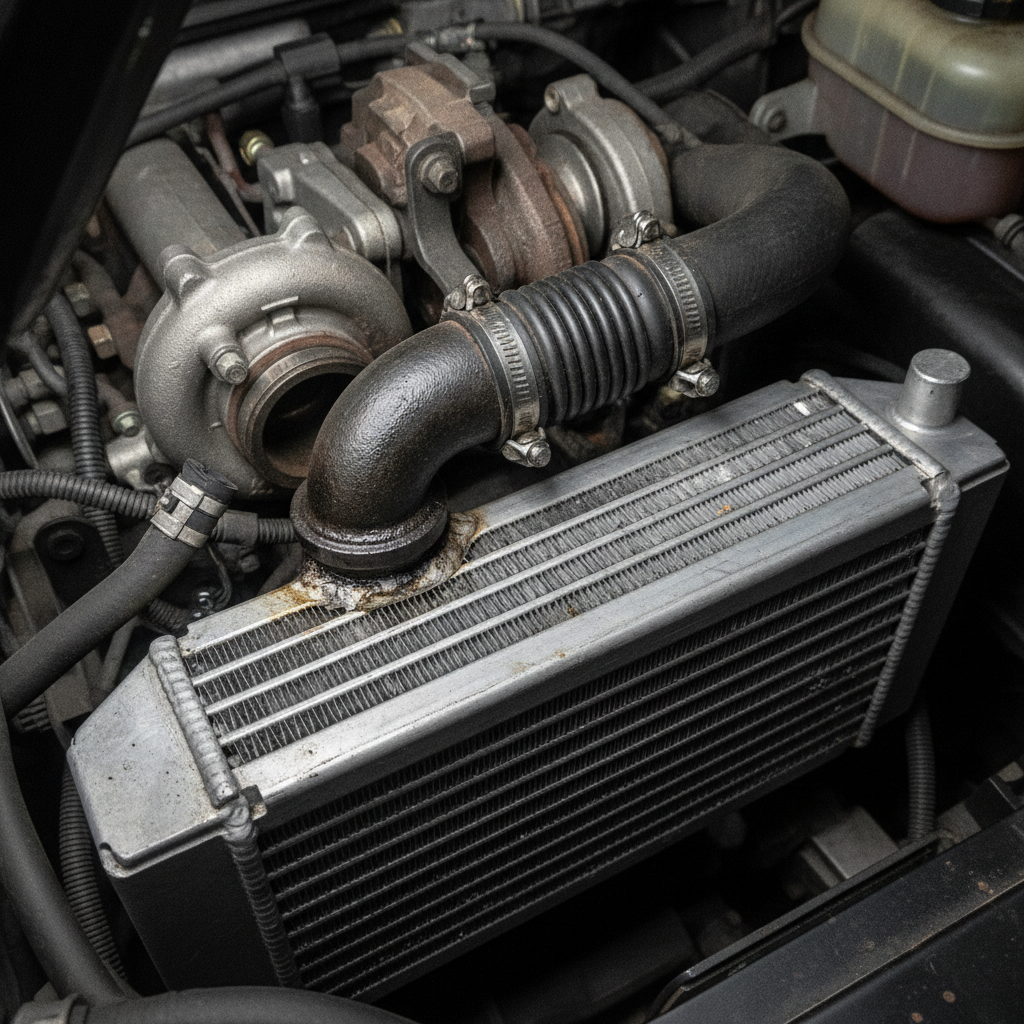
Intercooler upgrade — when it actually helps
Not every Stage 2 build needs a bigger intercooler. The factory unit is often perfectly adequate for moderate boost increases, especially on diesel platforms with conservative original tuning.
An intercooler upgrade earns its money when:
- The car is used hard back-to-back, such as towing on long motorway runs or repeated full-throttle pulls.
- The factory intercooler is small for the engine — often the case on smaller petrol turbos.
- You are pushing toward the upper end of what the factory turbo will safely deliver.
For a daily-driven Stage 2 around Leicester, the honest answer is often: keep the factory intercooler unless we see heat-soak issues during the test phase. Spending the budget on the right exhaust and the right tune usually delivers more.
Fuelling, injectors and high-flow pumps
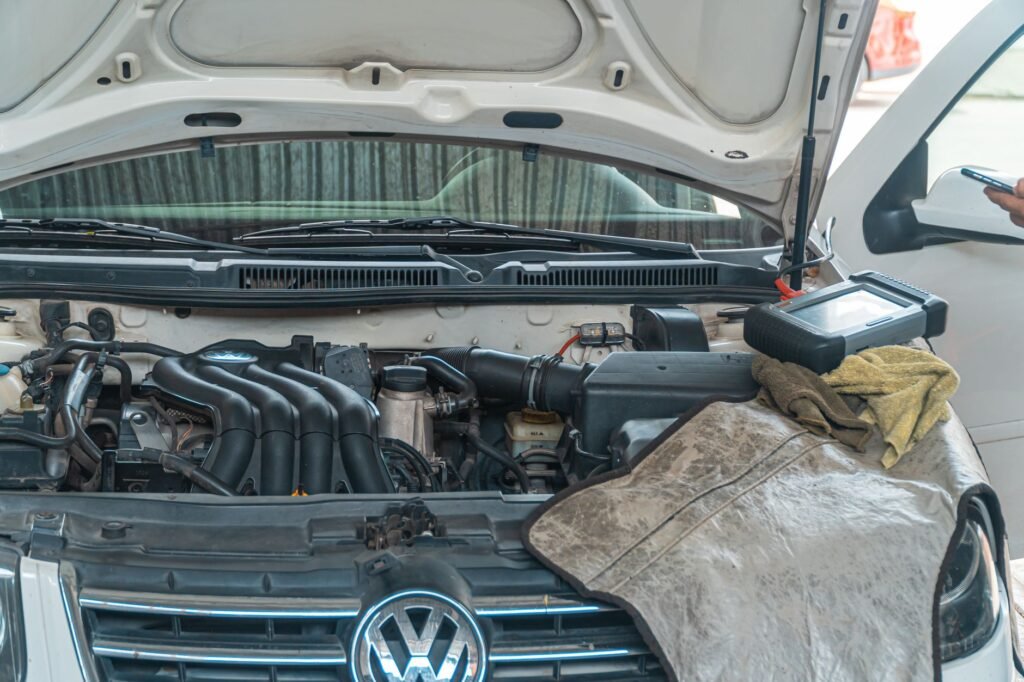
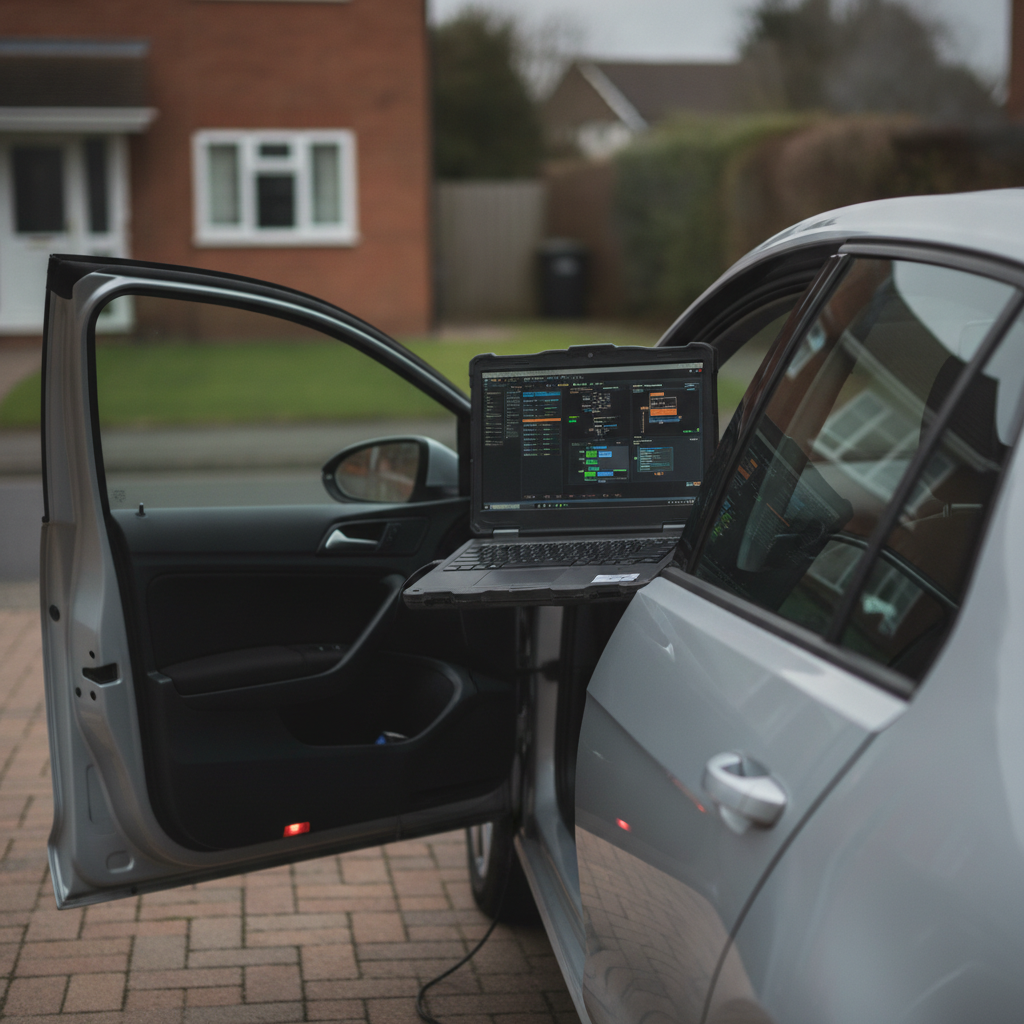
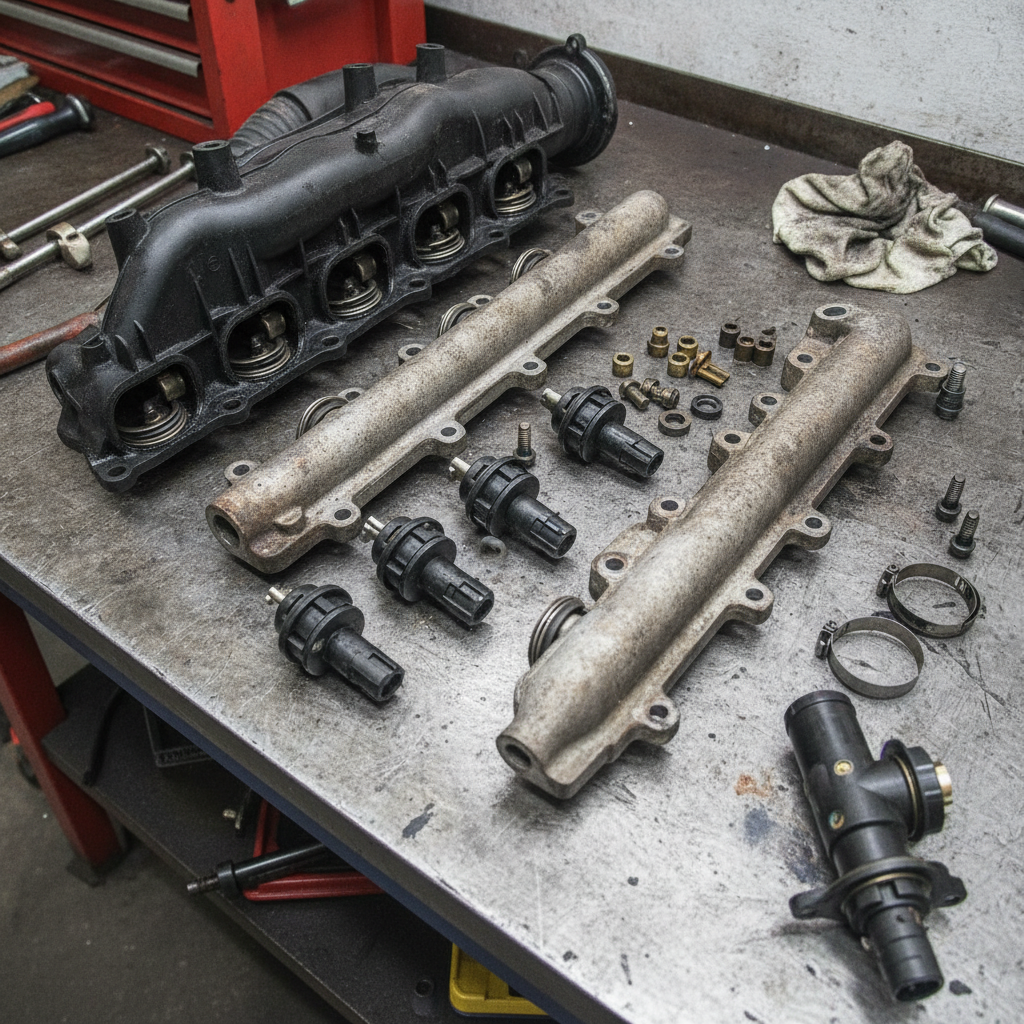
Fuelling is the part most owners do not think about until something flags up on the diagnostic scanner. The factory fuel system is sized for the factory power output, with a sensible margin. Push the engine harder, and at some point the injectors or the high-pressure pump become the limit.
For most Stage 2 diesels
Standard injectors and pumps are usually fine for a well-judged Stage 2 tune that respects engine-out temperatures. Where we see problems is on heavily worn cars where injector spread is already wide before tuning. In that case, having the injectors tested before mapping is the responsible step.
For hot-hatch and performance petrols
This is where fuelling becomes a real consideration. High-pressure direct-injection pumps can be the bottleneck. Many platforms have a well-known uprated pump option that opens up genuine extra capacity. Whether you need it depends on the specific engine and your power target.
Cooling, oil and supporting mods
The unglamorous mods are often the ones that protect your investment. A Stage 2 build is asking the engine to work harder, and the supporting systems should reflect that.
- Oil quality and interval: stick to the manufacturer-specified grade and bring the change interval forward. This is the cheapest insurance you will ever buy.
- Coolant condition: if the coolant is more than two years old, refresh it. Boost increases run hotter, and a tired coolant is a quiet liability.
- Cooling system integrity: hoses, clamps, expansion tank caps. Anything tired now will fail under boost later.
- Clutch (manuals): a stock clutch will usually hold a Stage 2 torque figure short-term, but if yours is already worn, plan for the upgrade.
Practical view
None of these supporting items add headline figures. All of them protect the headline figures you already paid for. We always look at them on appointment day before we commit to a Stage 2 calibration.
The right order to fit everything
Order matters. Fitting hardware in the wrong sequence can mean wasted money, two trips to the tuner, or a remap that has to be redone. Here is how we usually recommend doing it.
Step 1 — Service the car
Fresh oil, fresh filters, healthy battery, no fault codes. Anything weak shows up here, before money is spent on parts.
Step 2 — Fit the breathing hardware
Panel filter, cat-back exhaust, and high-flow downpipe where appropriate. Drive the car for a week so it settles.
Step 3 — Fit fuelling upgrades if required
Only if the engine and target power genuinely need them. Many Stage 2 builds skip this entirely.
Step 4 — Custom Stage 2 calibration
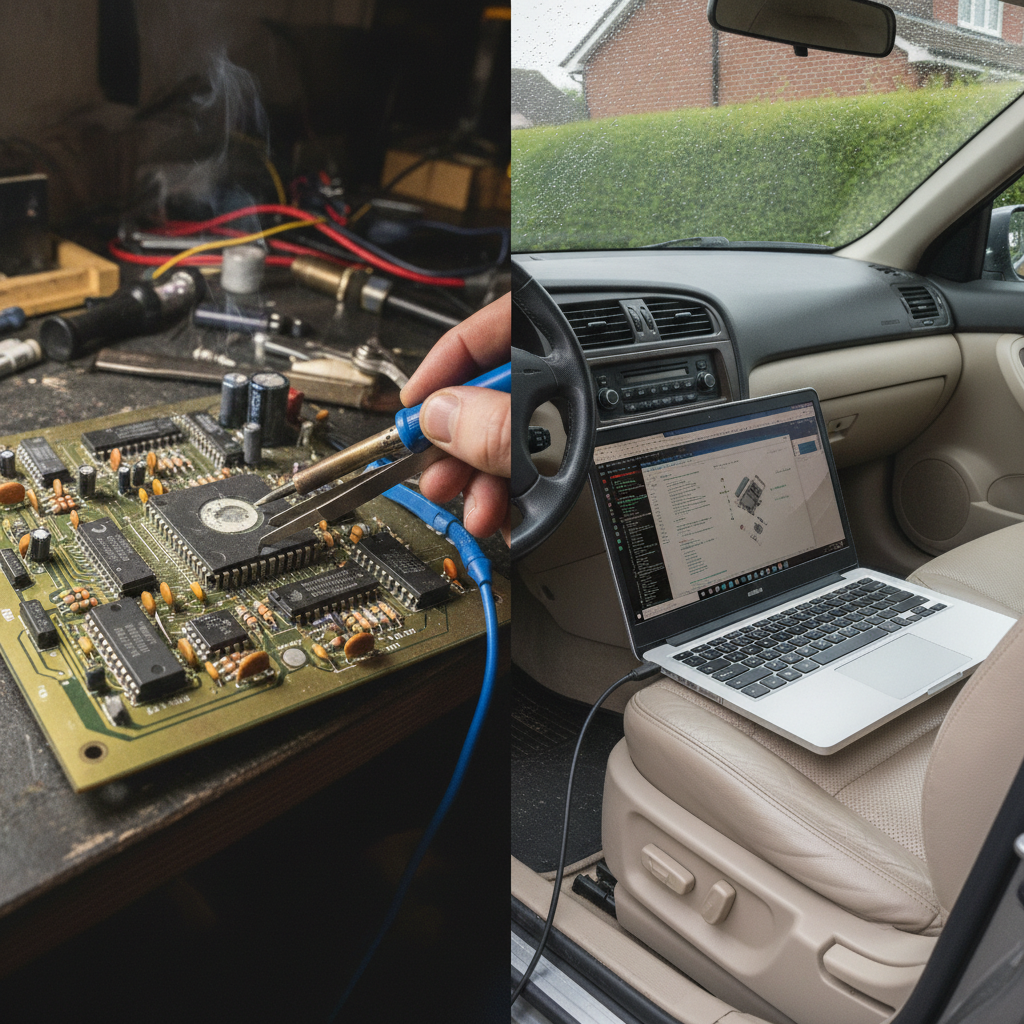
This is the step we do. With the hardware fitted, we read the original file, design the calibration around your specific build, and write the new map. We test, refine on the road, and confirm there are no fault codes.
Step 5 — Drive sensibly for the first 200 miles
Let the new air, fuel and exhaust paths settle. Avoid back-to-back hard pulls in the first week. After that, drive normally.
Stage 2 questions we hear most often
Can I go straight from standard to Stage 2 in one visit?
Technically yes if the parts are fitted before we arrive, but we usually recommend a short shake-down period in between. It catches any installation issues before the new map is written.
How much extra power does Stage 2 add over Stage 1?
It varies by platform, but the Stage 1 to Stage 2 step is usually smaller than the standard to Stage 1 step. The bigger benefits are response and consistency under sustained load — not just peak figures.
Is Stage 2 a good idea for a daily-driven van?
For some vans, yes — especially where towing or loaded motorway driving dominates. For others, a well-judged Stage 1 with the right supporting service work delivers better long-term results. We will be honest about which side your van is on.
Will my insurance still be valid?
You must declare any tuning, and that includes the hardware mods on a Stage 2 build. We have a separate guide on remapping and UK insurance with the practical steps.
Where can you do this?
Across Leicester, Leicestershire and the wider Midlands — including Loughborough, Hinckley, Coalville, Melton Mowbray, Market Harborough, Ashby-de-la-Zouch, Castle Donington, Lutterworth, Shepshed, Rugby, Coventry, Nottingham, Tamworth and parts of Birmingham.
Not sure yet whether Stage 2 is the right choice for your car? Our Stage 1 vs Stage 2 remap comparison guide covers power gains, cost differences, and how to decide which stage suits your driving goals before committing to hardware.
Plan a Stage 2 build the right way
If you are thinking about Stage 2, the first conversation should be about the car, the use case and the realistic budget — not the headline figures. We will help you sequence the hardware, choose what actually matters, and deliver a custom calibration that holds up day after day.
- Stage 2 remap service — what is included and how we work.
- Talk to us — share your car details and we will give honest feedback.