Mobile ECU Remapping: What To Expect On The Day
A clear, honest walkthrough of how a mobile remap actually runs — from the moment we arrive on your driveway to the test drive afterwards. No surprises, no exaggerated claims, just what really happens.
Leicester
Process
Stage 1
Why a mobile remap rather than a workshop visit
One of the most common questions we hear at Leicester Remaps is whether mobile remapping is genuinely as good as taking a car to a tuning shop. The honest answer is yes — and for most everyday drivers and van owners across Leicester, Loughborough, Hinckley, Coalville and the wider Midlands, a mobile service is the more practical choice.
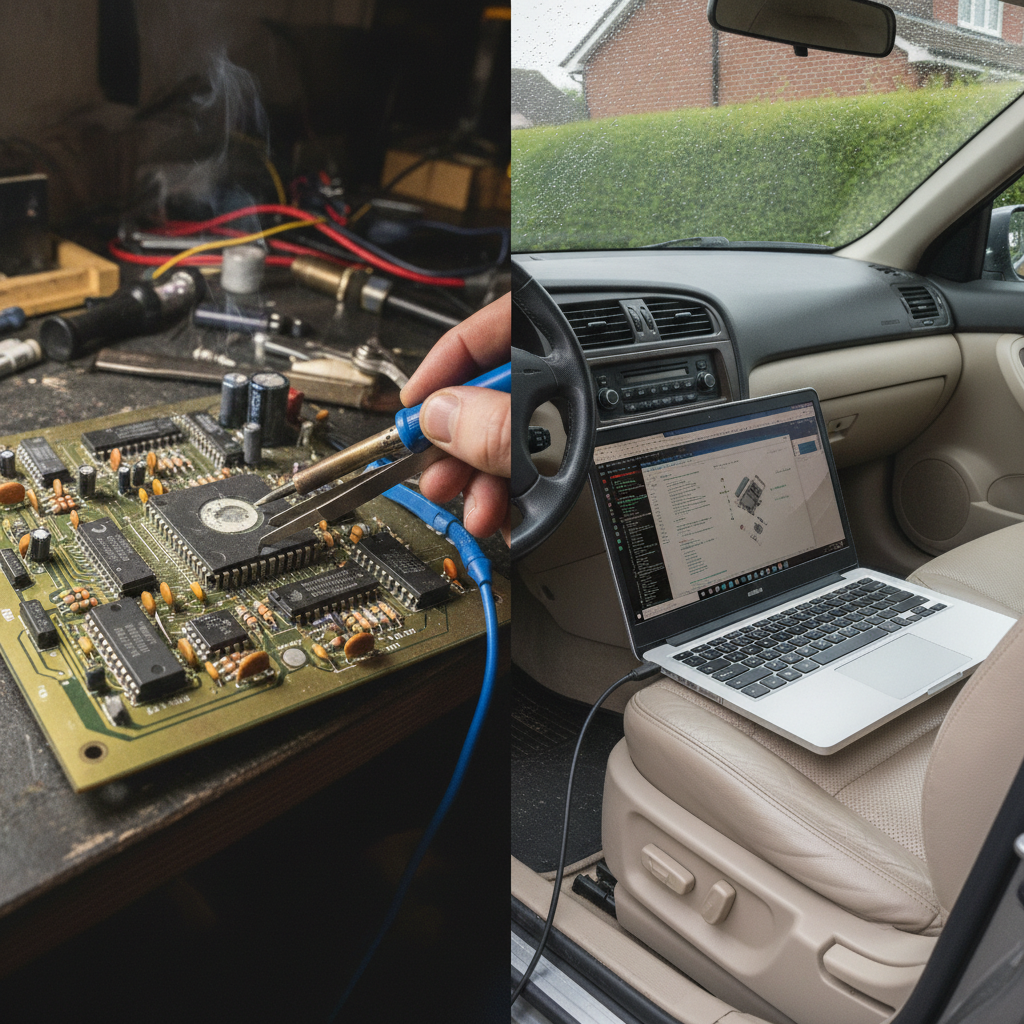
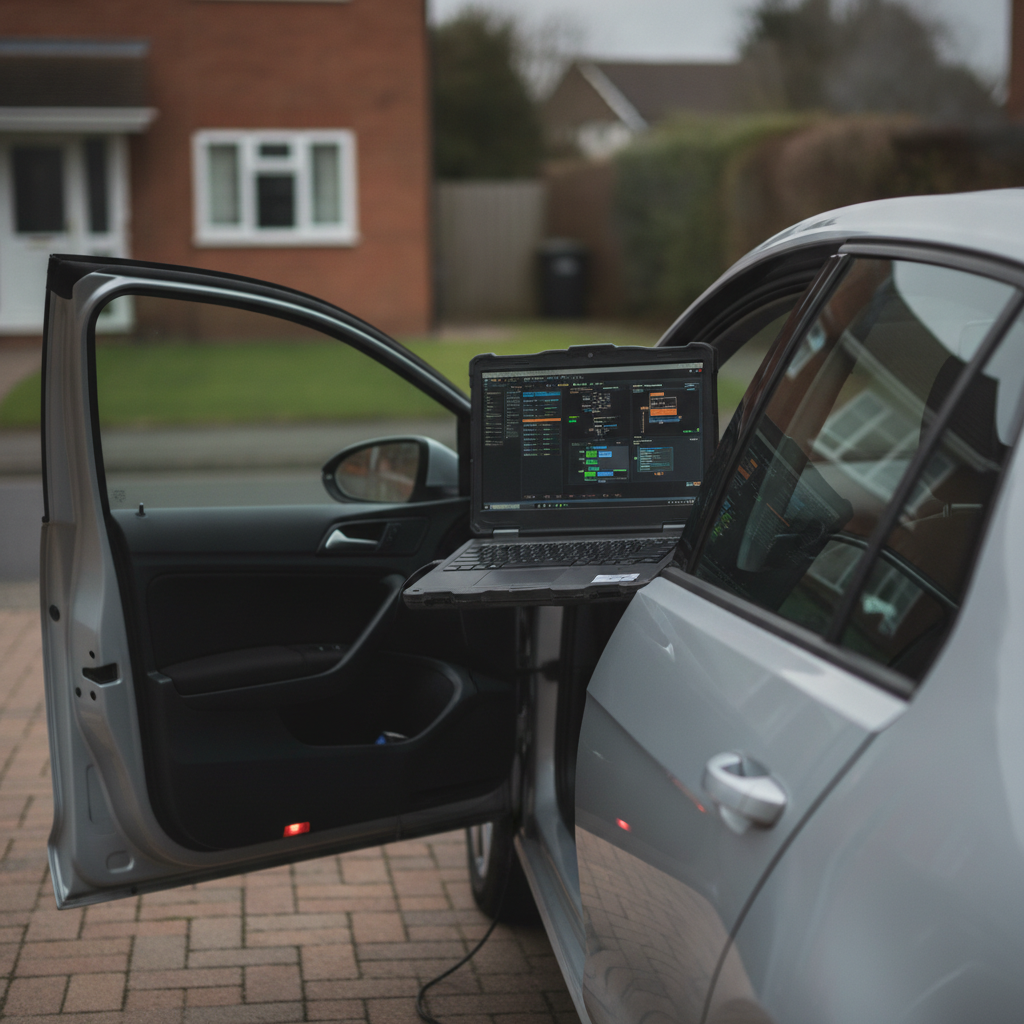
The reason is simple. ECU remapping today is done with professional handheld tools, laptops and cabling that connect either through the OBD port or, where required, by reading the ECU on the bench. None of that needs a permanent ramp or a workshop building. What it needs is a calm, sheltered spot, a charged battery, and an experienced technician working to a tested process. That is exactly what mobile mobile ECU remapping delivers.
For business drivers and trades, the time saving alone is significant. There is no booking-out a half day to drop off and collect a vehicle. The work happens at your home, your yard, or your office car park, and you carry on with the rest of your day around it.
Quick fact
Most Stage 1 mobile remaps are completed in around 60–90 minutes from arrival to handover, depending on the vehicle and how the ECU communicates with the tuning tool.
Before we arrive: how to prepare your car
A small amount of prep makes the appointment smoother. None of it is complicated, and we will confirm everything when we book the slot, but it helps to know what we are looking for.
Battery health is non-negotiable
Modern ECUs do not respond well to a battery that drops voltage during writing. A weak or older battery is the single most common reason a mobile remap appointment runs longer than expected, because we will not begin writing to the ECU until we are confident the supply is stable. If your battery is more than five or six years old, or if the car has shown any signs of slow cranking, please mention it when you book.
Park somewhere sensible
A flat driveway, a private yard, or a quiet office car park is ideal. We do not need a ramp, but we do need enough room to open the bonnet fully, and ideally enough shelter that heavy rain will not become an issue. A garage with the door open works perfectly.
Make sure the car is mechanically sound
Remapping changes the engine software. It does not fix mechanical faults. If your car has an active engine warning light, a known turbo issue, a coolant leak, or a problem you have been meaning to address, please tell us in advance. In some cases we will recommend resolving the underlying issue first so the remap is built on a healthy foundation.
Have your service history mentally ready
We will ask a couple of straightforward questions before we begin: when the car was last serviced, the rough mileage, and whether any aftermarket parts have been fitted. None of this is invasive — it just helps us calibrate sensibly for your specific vehicle and how it is used.
On arrival: diagnostic checks and original file backup
When we pull up, the appointment does not start with the laptop. It starts with a conversation and a look at the vehicle. We want to understand what you are hoping for from the remap — better mid-range pull for towing, calmer throttle response for daily driving, more usable torque on motorway runs, or a balance of all three. Vague tuning helps no one, so we get specific early.
From there, the technical part begins:
- A diagnostic scan to read any stored fault codes and confirm the ECU is healthy.
- Battery and charging system check, with a stabiliser fitted where needed during writing.
- Identification of the ECU type, software version, and the correct read/write method for your vehicle.
- A full read of the original factory file, which is then saved twice — once locally and once securely off-site.
Why the original file backup matters
Saving the factory map before any changes are written is what makes a remap reversible. If you sell the car, return it for service, or simply want it back to standard for any reason, we can write the original file straight back. This is part of every Leicester Remaps appointment, never an extra.
The remapping process itself
With the original file safely backed up, the actual tuning work begins. This is where genuine custom calibration matters. A generic file pulled from a database and flashed into your ECU is not the same thing — it might run, but it ignores the small differences between vehicles, fuel quality, climate, hardware condition, and how you drive. We work to a tested calibration approach that respects how your specific engine wants to behave.
For most Stage 1 remaps, we adjust:
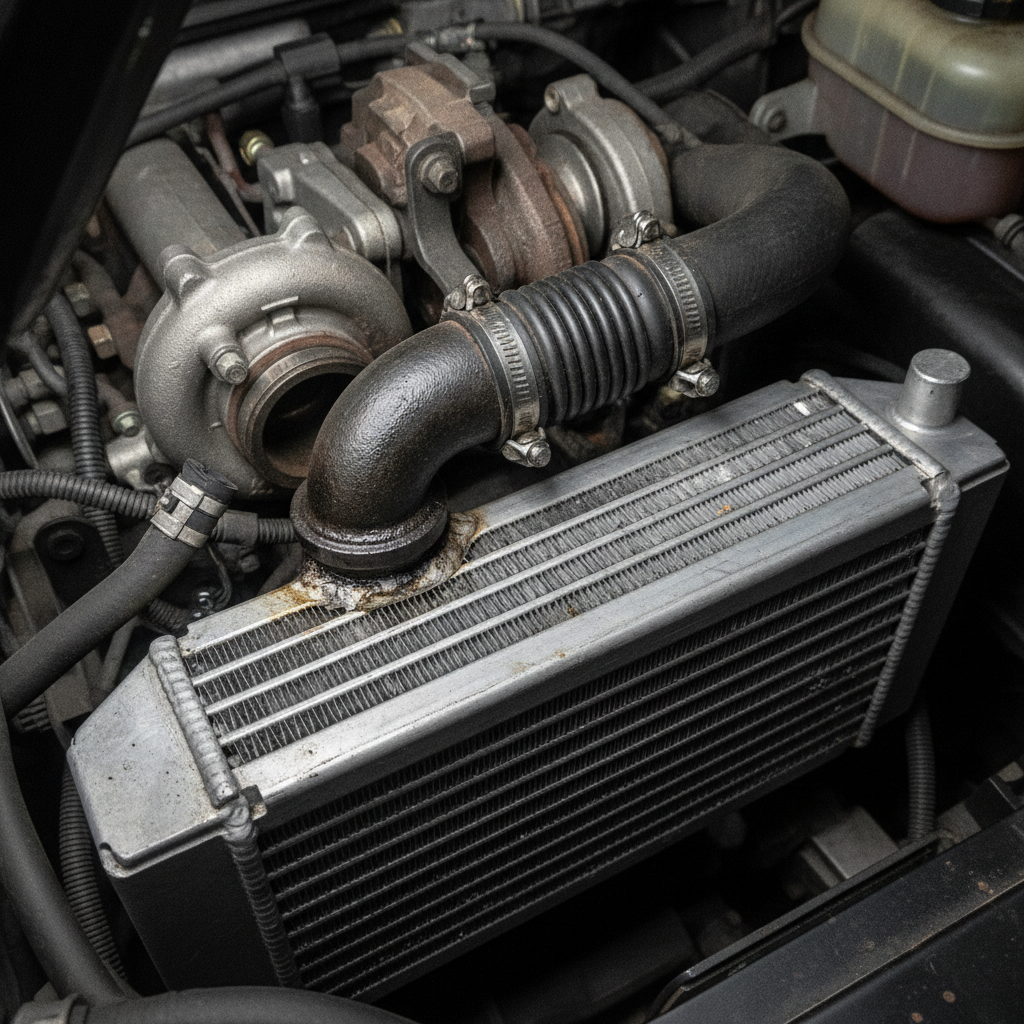
- Boost pressure targets — within safe mechanical limits for the turbo and intercooler fitted.
- Fuelling and injection timing — keeping exhaust gas temperatures sensible and fuel economy realistic.
- Throttle response curves — so the pedal feels sharper without becoming twitchy.
- Torque limiters — opened where the drivetrain can comfortably support it.
The map is then written to the ECU, the ignition is cycled, and the vehicle is brought back to a ready state. At no point are we writing in the dark — every change is staged, checked, and rolled back if anything looks off.
What a responsible remap will not do
It will not push your turbo past its safe operating range, it will not tune out emissions hardware that has to remain functional for legal road use, and it will not make any change that we cannot reverse cleanly with the original file. If a tuner ever offers more aggressive numbers without checking your car, that is a red flag.
Final checks and the test drive
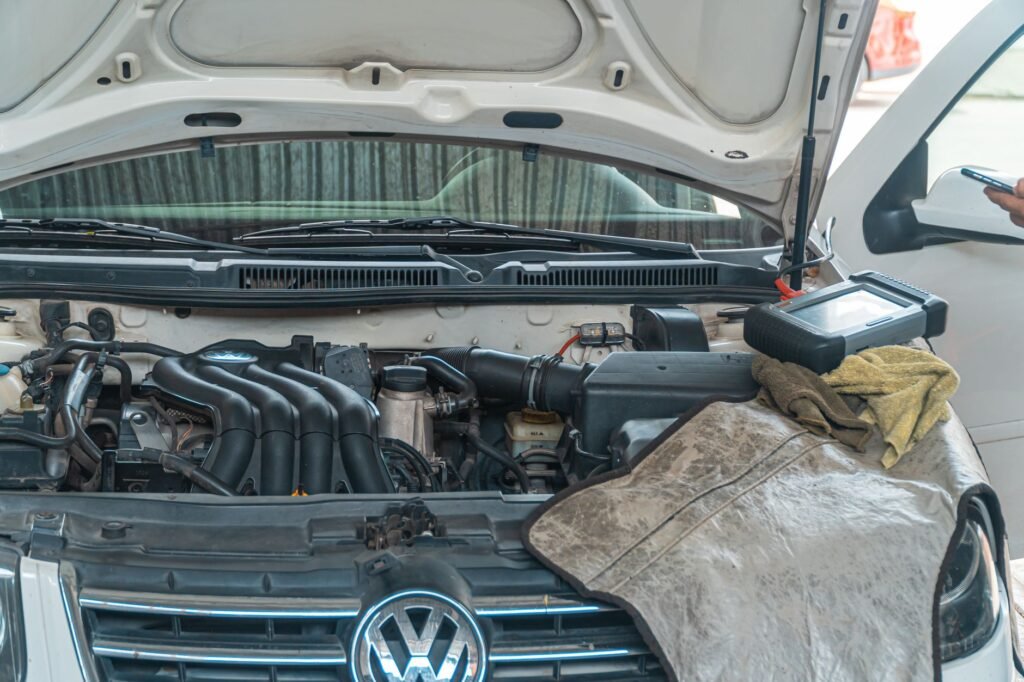
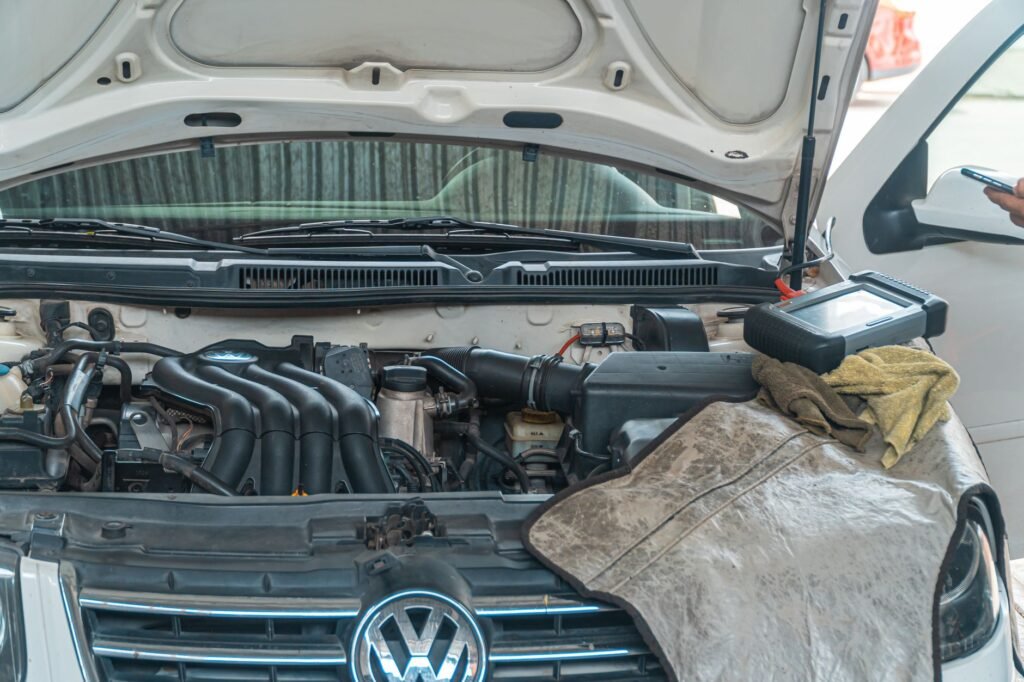
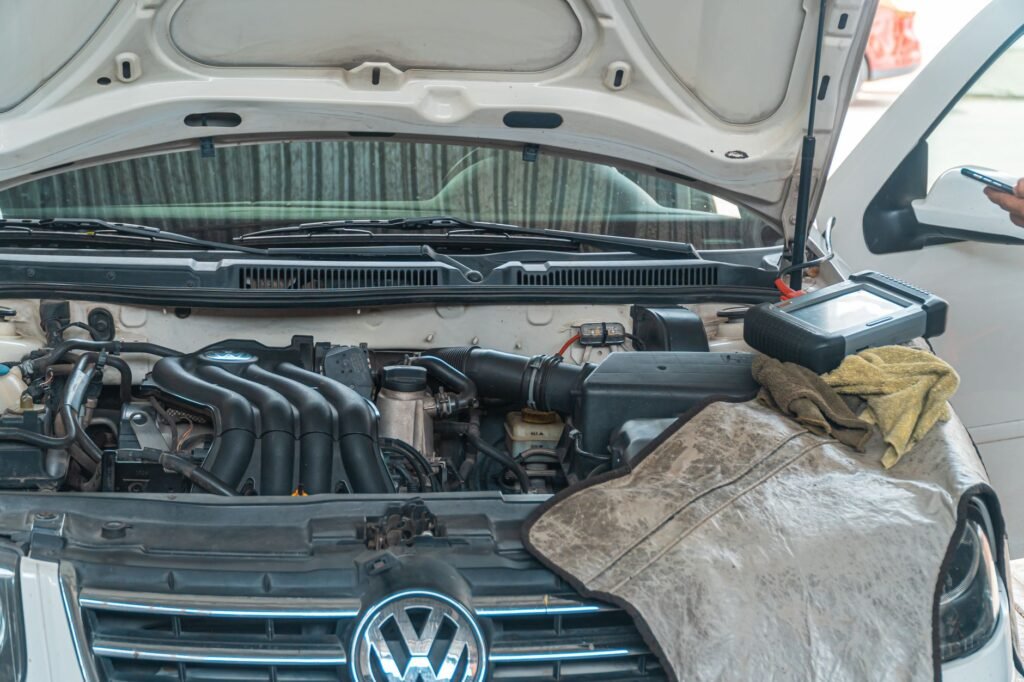
Once the new map is in, we run a second diagnostic scan to confirm there are no new fault codes and that the ECU is communicating cleanly. The bonnet stays up while everything is double-checked.
The next stage is a short test drive with you in the passenger seat where possible. The aim is not to red-line the car — it is to feel real-world behaviour. We typically include a low-speed pull-away, a steady cruise in a higher gear to listen for anything unusual, and a couple of mid-range overtakes to confirm the new torque delivery is smooth and predictable.
If anything feels off, we adjust. Custom calibration is not a one-shot job — small refinements are part of the process and they happen there and then.
What you should feel
- Cleaner pull from low revs without lag.
- More usable torque in the mid-range, where most real driving happens.
- A smoother throttle pedal, especially when accelerating from 30 to 60 mph.
- No vibration, no smoke, no warning lights, and no hesitation.
Aftercare and what good drivers notice in week one
A successful remap should slot quietly into your normal driving life. We hand over notes about what was changed, the safe driving guidance for the first 100 miles or so, and the contact information you will need if anything ever feels different.
In the first week, drivers usually report a few consistent things: easier overtakes on A-roads around Leicester and Loughborough, less gear-changing in slow traffic because the engine pulls cleanly from lower revs, and on diesels, slightly better fuel economy when driven gently on motorway runs. None of these are guaranteed numbers — they depend on your driving style and the vehicle — but they are the patterns we see again and again.
Servicing and the remap
A remapped car still wants the same servicing intervals as before. Good oil, clean filters, and quality fuel are exactly as important as they always were. If anything, a calibrated engine rewards a well-maintained engine.
Warranty and insurance
If your vehicle is still under manufacturer warranty, we will be straight with you about how a remap may interact with that. We always recommend declaring a remap to your insurer — it is a simple call and it keeps your cover valid. We have a separate guide on the site that walks through this in detail.
Common questions answered honestly
How long does a mobile remap really take?
For a Stage 1 remap on most modern diesels and petrols, plan for around 90 minutes on site. Some vehicles that need bench reading take longer. We will tell you the realistic timing for your car when you book.
Is mobile remapping safe in cold or wet weather?
Yes, provided we have shelter and a stable surface. Heavy rain on an open driveway is the only case where we may suggest moving the appointment to a covered spot or rebooking — protecting your ECU is always the priority.
Can you reverse the remap?
Yes. Because we save your original factory file before any change, we can write it back at any time. Reversibility is part of how we work, not a paid extra.
Do I need any modifications first?
For a Stage 1 remap, no. The whole point of Stage 1 is that it works within the limits of your factory hardware. If you are interested in Stage 2, that is a different conversation — and we have a separate guide on the hardware checklist for that.
Where do you cover for mobile remapping?
Leicester is the primary service area, with regular coverage across Leicestershire and the wider Midlands — including Loughborough, Hinckley, Coalville, Melton Mowbray, Market Harborough, Ashby-de-la-Zouch, Castle Donington, Lutterworth, Shepshed, and into parts of Nottingham, Coventry, Rugby, Tamworth and Birmingham.
Book a mobile ECU remap in Leicester
Whether you want sharper throttle response, better towing torque, or a calmer drive on long motorway runs, our mobile service brings the full appointment to your door. Custom calibration, original file backup, and an honest test drive — every time.
- Mobile ECU remapping service — the dedicated service page with what is included.
- Get in touch — book a slot or ask a quick question first.