Preparing Your Car for a Remap: A Complete Checklist
A smooth remap starts with proper preparation. Follow this checklist to ensure your vehicle is ready for our mobile service—minimising delays and maximising results.
1. Service History & Fault Codes
- Gather recent service invoices.
- Note any oil, filter, or sensor changes.
- Record fault codes (if any) from your dashboard.
2. Vehicle Health Check
- Ensure engine oil level is within spec.
- Top up coolant and screenwash.
- Check tyre pressures and tread depth.
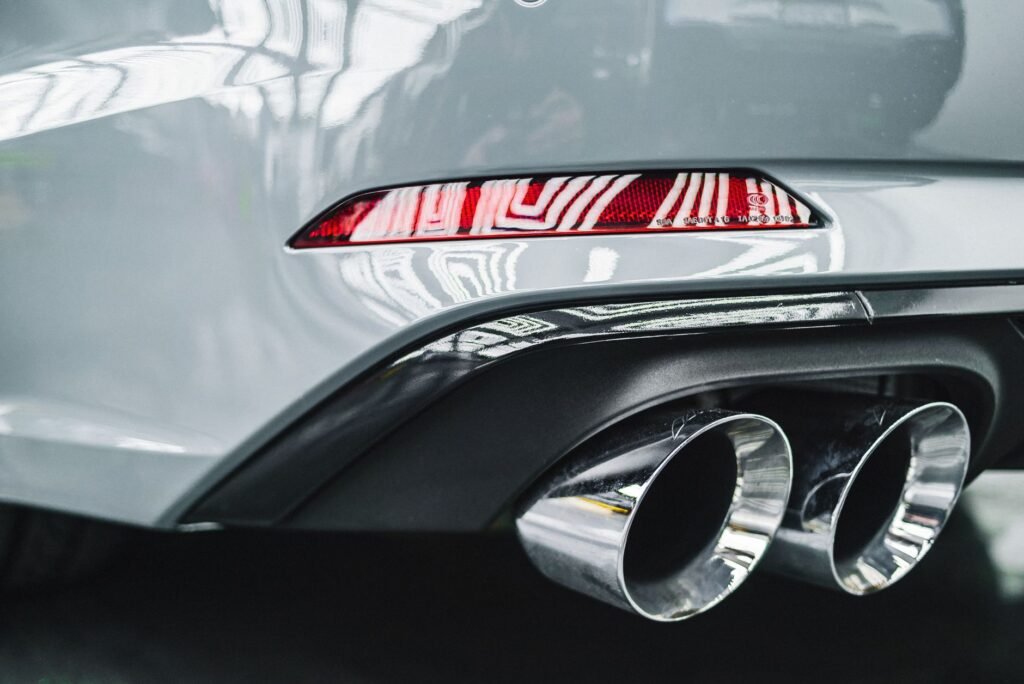
- Inspect for exhaust leaks or damage.
3. Software & ECU Access
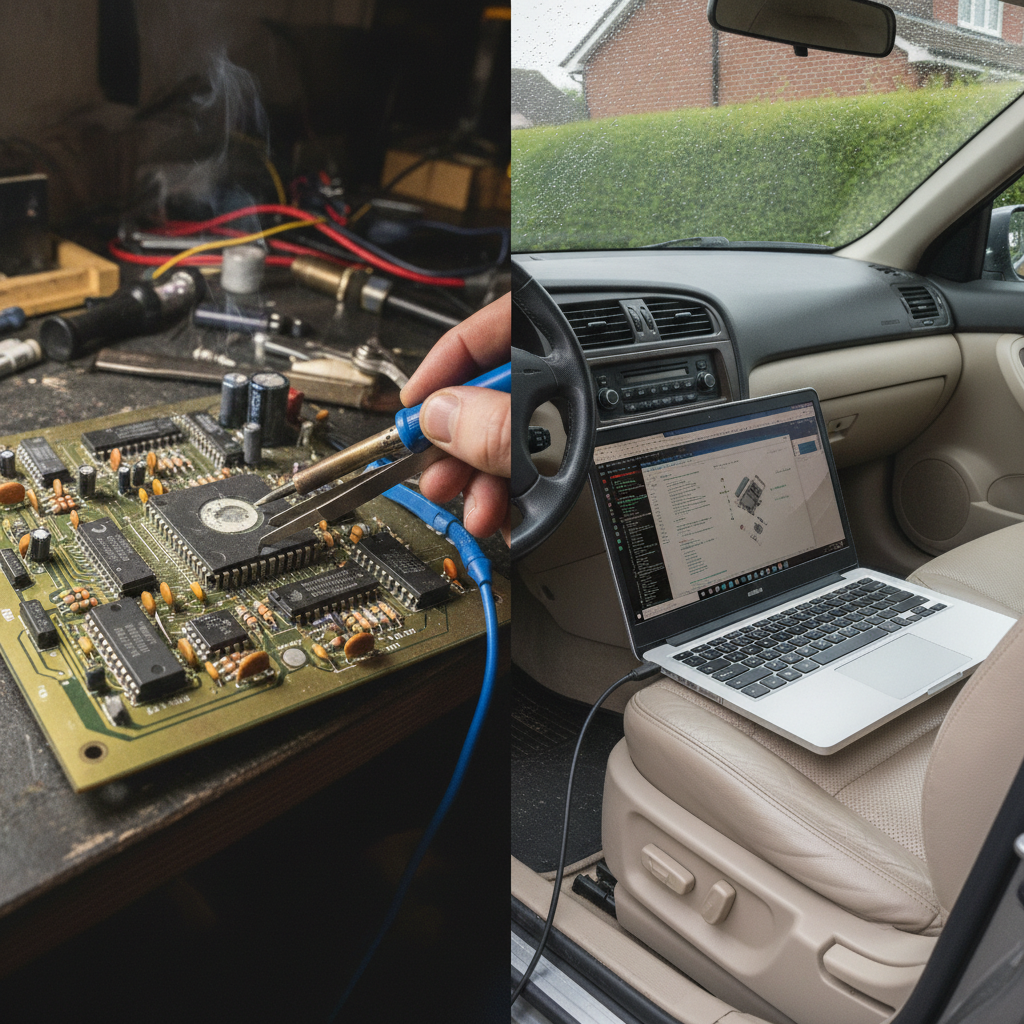
- Confirm ECU model (we’ll verify via VIN).
- Provide remote key or fob if immobiliser active.
- Ensure battery is charged—no low-voltage warnings.
4. Location & Logistics
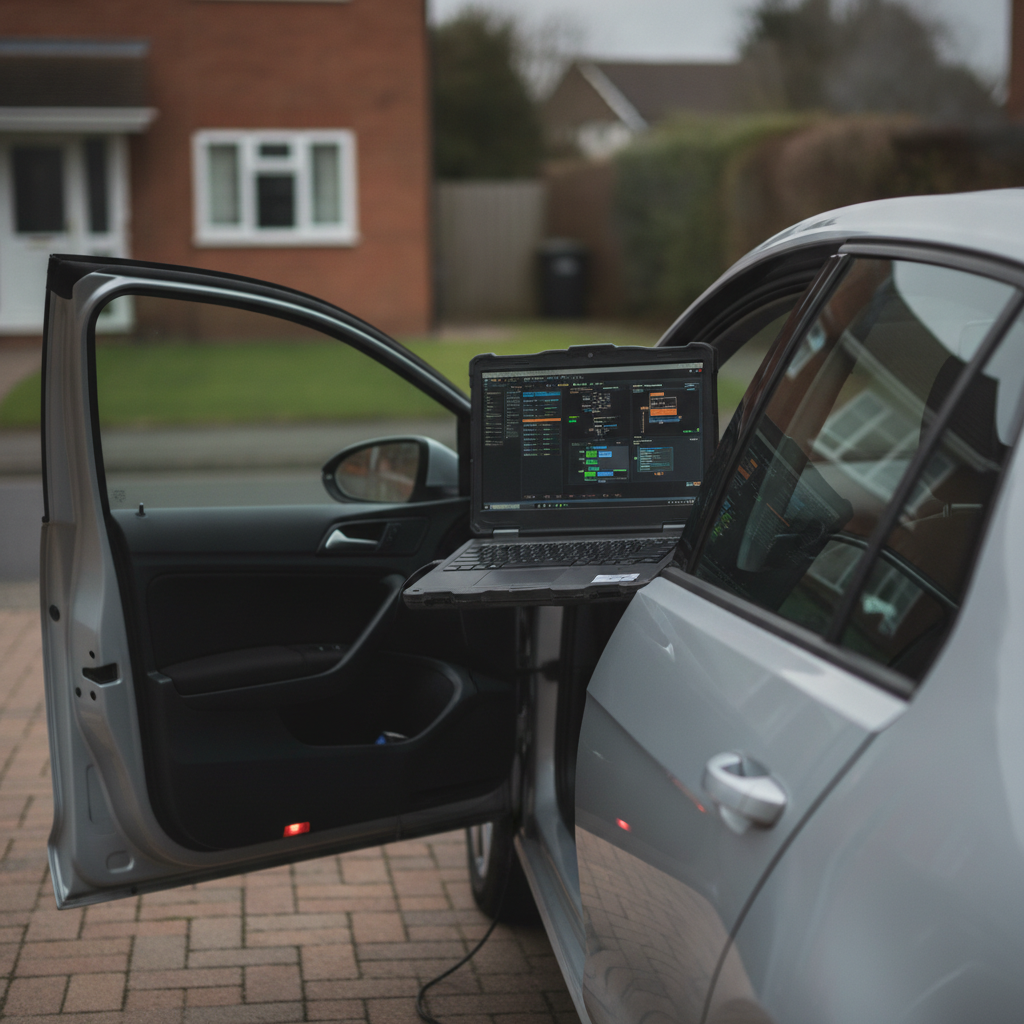
- Park on level, hard surface with bonnet clearance.
- Reserve space for our van (about 6x3m).
- Clear personal items from footwells and boot.
5. During the Remap
- Stay nearby; our tech may need quick access.
- Expect a 2–3 hour window (service dependent).
- Use this time for errands or a walk—no need to stay inside.
6. Post-Remap Checks
- Verify no warning lights after startup.
- Test drive gently for 10–15 minutes.
- Note any pulling or hesitation; report immediately.
Additional Tips
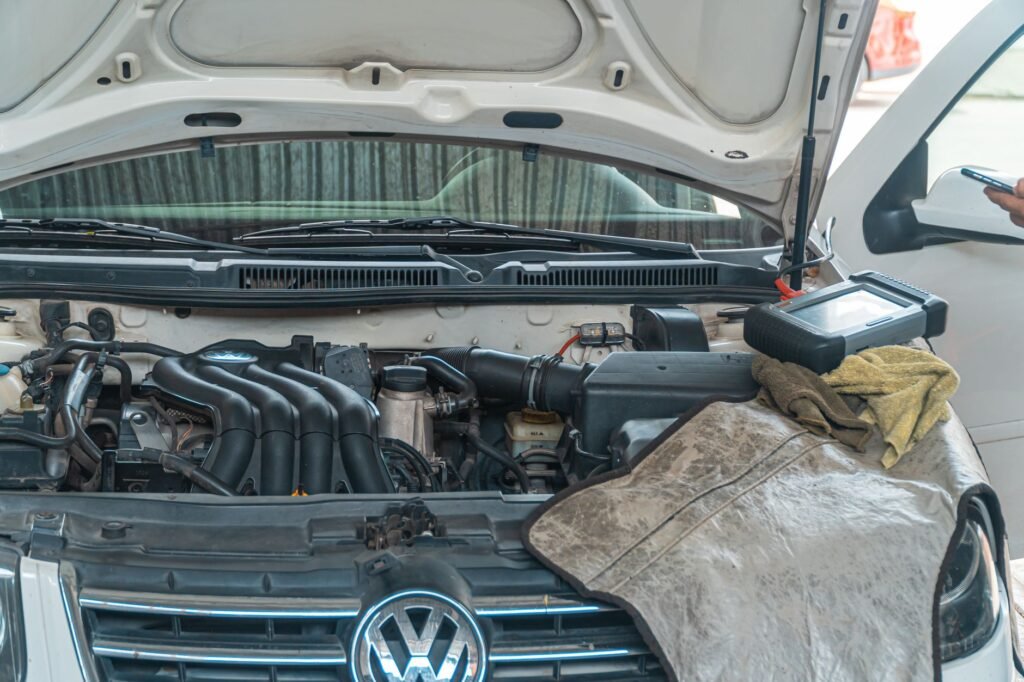
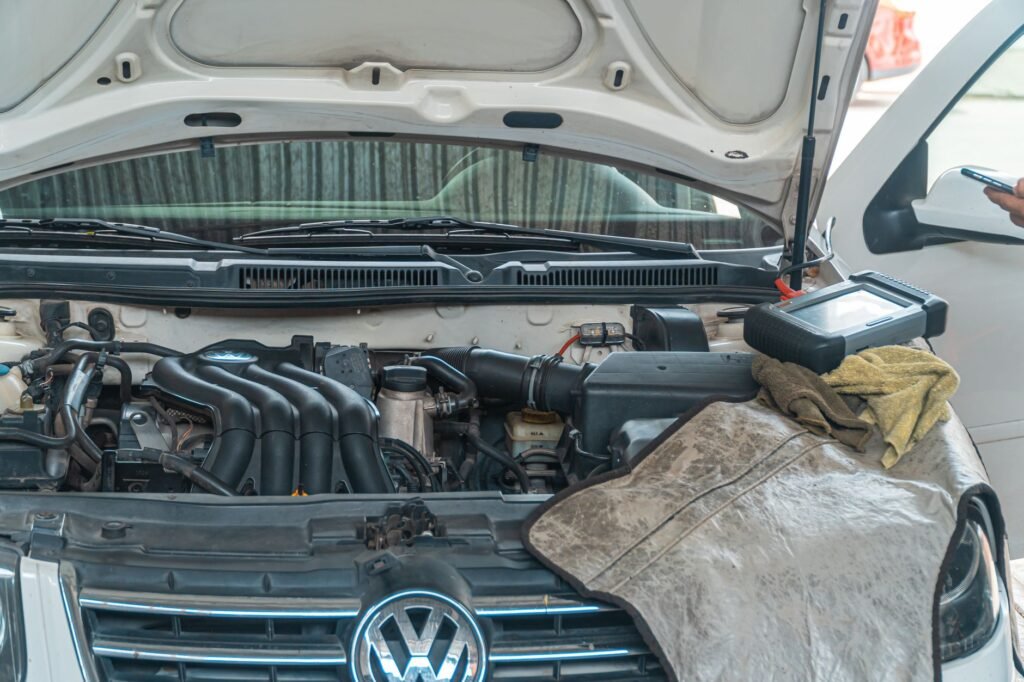
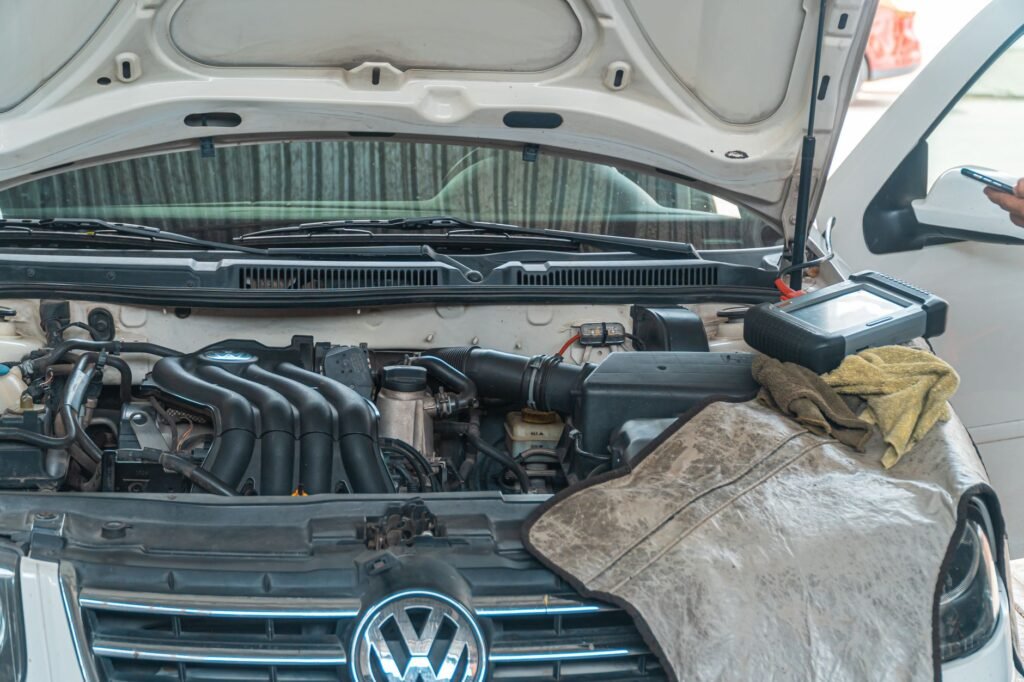
- Clean your engine bay for better access.
- Inform household members—avoid moving the car.
- Have charging points clear if your battery needs a jump start.
What You Need to Remap a Car: The Short Answer
To remap a car you need a mechanically healthy engine with no unresolved warning lights, a battery that holds a steady voltage for the whole write, enough fuel for a test drive afterwards, and access to the car with all its keys. If any of those is missing, the remap should wait until it is sorted.
Battery, Fuel and Fault Codes
- Battery: the ignition stays on with the engine off while the ECU is read and written. A voltage drop partway through reprogramming can leave a control unit unusable (Clore Automotive). If the car has been slow to start or showing low-voltage messages, charge or replace the battery first.
- Fuel: the car is road-tested after the remap, so do not arrive on the reserve light.
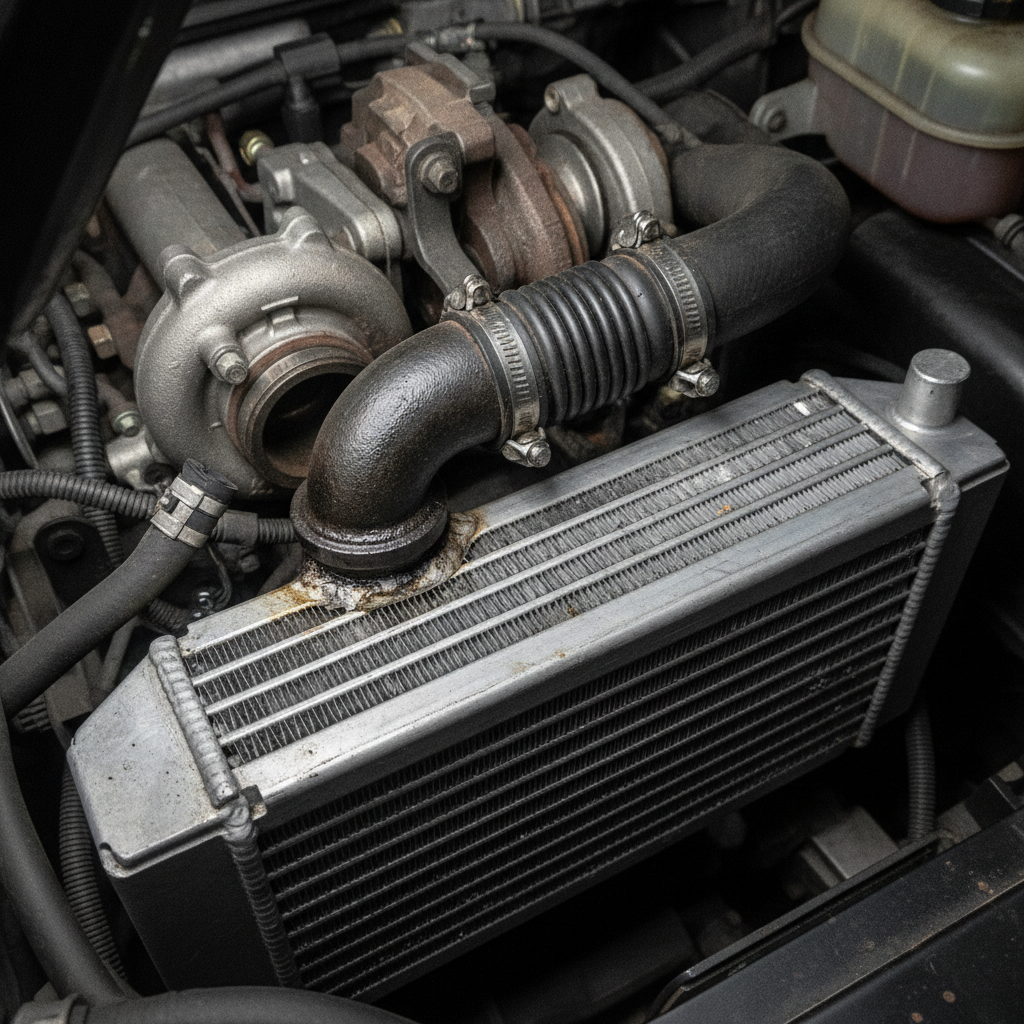
- Fault codes: tell us about any warning light, even one that comes and goes. Codes are read before work starts, because a remap does not repair a failing sensor, a boost leak or a blocked filter, and an engine light that stays on is a major MOT defect on its own (GOV.UK MOT inspection manual, section 8.2). Our guide to remapping before or after a service covers this in more depth.
What Stops a Remap on the Day
- An active fault that needs repairing first, such as limp mode or a DPF, EGR or AdBlue warning
- A battery that will not hold its voltage
- Nowhere safe to work: soft ground, a steep slope, or no access to the driver’s door and bonnet
- Missing keys
What to Have Ready
- All keys and your registration number
- Your service history, especially the date of the last oil change
- A note of any warning lights or symptoms and when they started
- Your insurer’s details: a remap is a modification, so read does remapping affect your insurance before the day
- If the car is under a manufacturer warranty, read does remapping void your warranty first
Ready to Go?
Tick off this list, then book your remap or contact us for any questions. Find all articles in our Blog sitemap.
Post Views: 629