Diesel Turbo Fault Symptoms: How to Tell If Your Turbo Is Failing
A failing turbo doesn’t always announce itself dramatically. More often, it starts with subtle changes —
slightly less power on hills, a faint whine, or a small puff of blue smoke on a cold start. Left unchecked,
those early warning signs become expensive repairs. This guide explains what to look and listen for, what
causes turbo problems in modern diesels, and what your options are when the ECU is involved.
Leicester & Midlands
Diesel engines
ECU remapping
Jump to a section
How a diesel turbo works
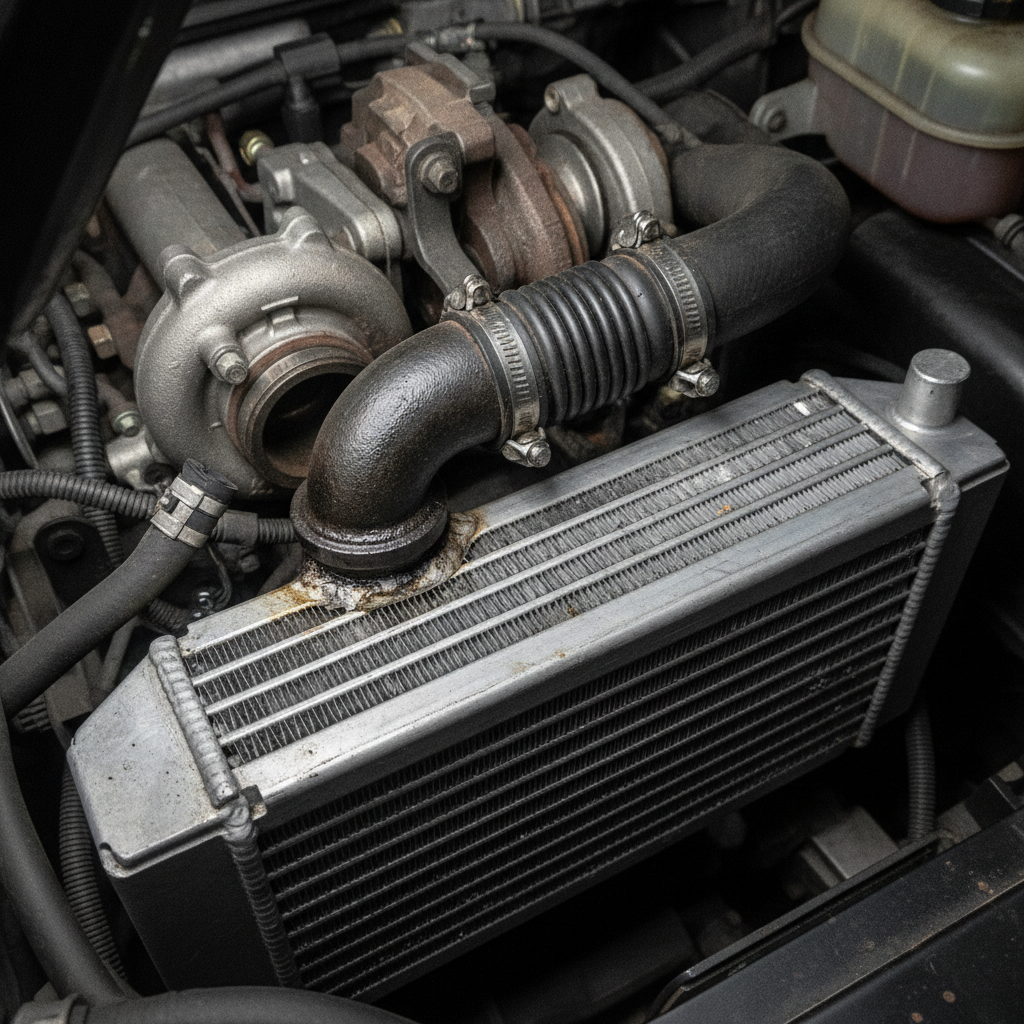
A turbocharger uses exhaust gas energy to spin a turbine, which drives a compressor wheel that forces more
air into the engine’s combustion chambers. More air means more fuel can be burned, which means more power
from the same engine displacement. That’s why most modern diesels — from hatchbacks to heavy vans — rely
on a turbo to hit their performance and fuel economy targets.
Most modern diesel turbos are variable geometry turbines (VGT), also called variable vane turbos. Instead
of a fixed turbine housing, they use a set of movable vanes that adjust the angle of incoming exhaust gases.
This gives the ECU precise control over boost pressure across the full rev range — low-rev torque delivery
and high-rev power output are both possible from the same unit.
The ECU controls vane position constantly based on throttle input, engine speed, load, and temperature.
This makes VGT turbos highly effective — but it also means there are more moving parts, more sensors, and
more ECU-controlled components that can develop faults.
Early warning symptoms to watch for
Early-stage turbo problems are easy to miss because the symptoms often feel like general engine tiredness
rather than a specific fault. Here’s what to pay attention to:
Gradual loss of power or acceleration
If the car feels progressively less eager than it used to — particularly above 2,000 rpm where boost
pressure should be highest — this can indicate a turbo that isn’t delivering full pressure. It might be
subtle at first: a slight flatness when overtaking, less pull on a motorway incline, or the car feeling
heavier than usual on a loaded run.
Unusual noises from the turbo
A healthy turbo is mostly inaudible during normal driving. Warning sounds include:
- Whining or whistling under acceleration: can indicate worn bearings or a blade nick in the compressor
- Surging or chattering: inconsistent boost delivery, sometimes linked to vane sticking
- Rattling at idle: shaft play or a loose component — this is more serious and needs attention quickly
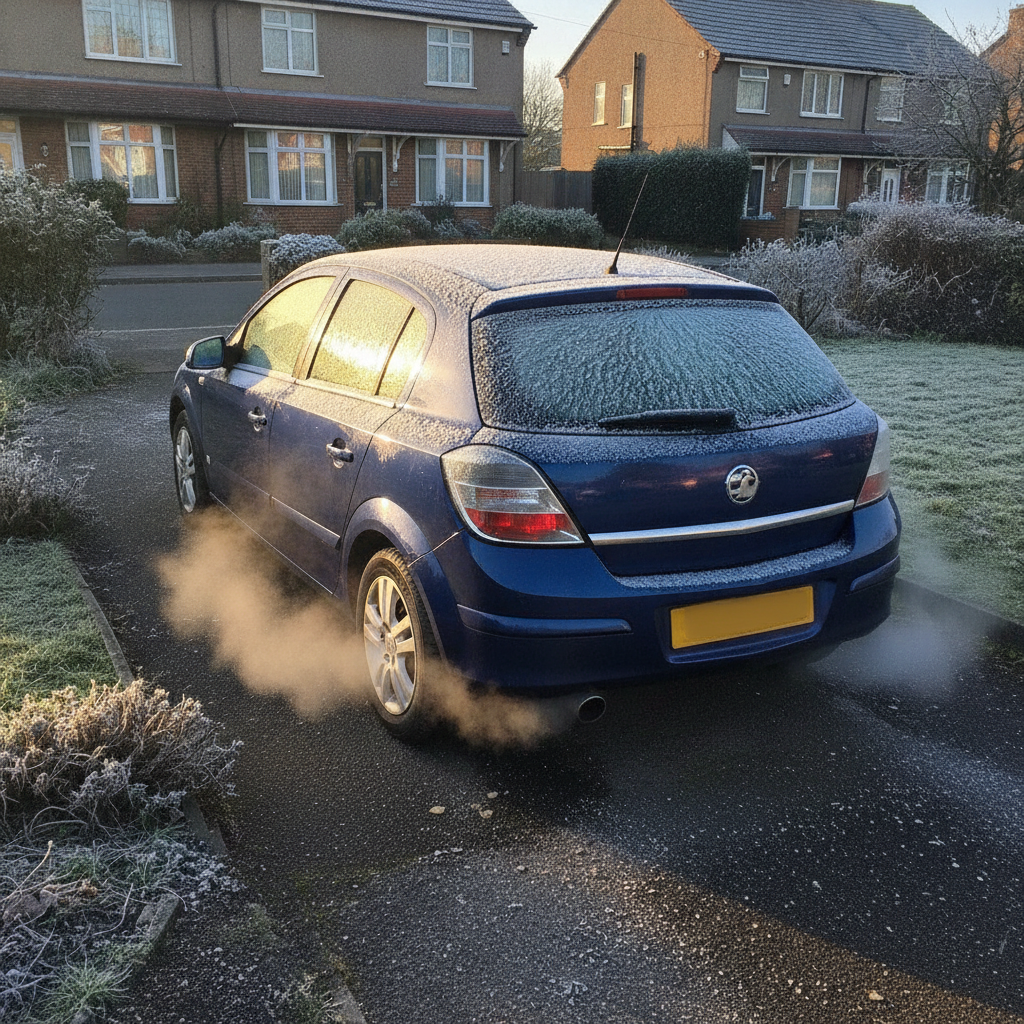
Blue or white smoke on start-up or under load
Blue smoke indicates oil burning — which often means oil is passing through the turbo seals into the intake
or exhaust. A small puff on a cold start is not always a concern, but persistent blue smoke, or smoke that
appears when the engine is warm and under load, warrants investigation.
White smoke combined with power loss can indicate a boost leak rather than turbo damage — a split intercooler
pipe or loose connection is worth checking first.
Increased oil consumption
If you’re topping up oil more frequently than usual without an obvious leak, the turbo seals are a candidate.
Oil passing through the turbo often burns cleanly enough not to produce obvious smoke, but you’ll see it in
reduced oil level between services.
Early diagnosis saves money
A turbo in early-stage decline can often be managed — vane cleaning, oil feed issue resolution, or a
software-led approach through ECU recalibration. A turbo that has been ignored until it fails completely
typically means a full replacement, which is far more expensive.
Common causes of turbo failure in modern diesels
Oil contamination or starvation
The turbo shaft spins on an oil-fed bearing. If oil supply is restricted — through a blocked oil feed pipe,
an oil pressure problem, or simply neglected oil changes — the bearing wears rapidly. This is the single
most common cause of turbo failure across all engine types. Turbos are designed to be adequately oiled from
the moment the engine starts; if the oil is degraded, too viscous from cold, or delayed in reaching the
turbo, wear begins immediately.
Short journey operation (diesel-specific)
Modern diesel turbos accumulate oil residue when the engine is regularly used on very short journeys where
the oil never fully reaches operating temperature. This residue builds up in the oil feed and drain passages,
restricting flow. Van and car owners who primarily do urban driving — short school runs, local deliveries,
town centre trips — are particularly susceptible.
Foreign object ingestion
Anything entering the intake — whether it’s a failed air filter, a detached hose, or debris from elsewhere
in the intake system — can contact the compressor blades. Even a small nick on a compressor blade creates
vibration that accelerates bearing wear dramatically.
Overspeed from boost pressure faults
If the VGT vane mechanism sticks open, the turbo can overspin beyond its design limits. This typically
produces a fault code first, but if ignored, the result is bearing failure, blade damage, or compressor
wheel contact with the housing.
VGT actuators: a specific weak point
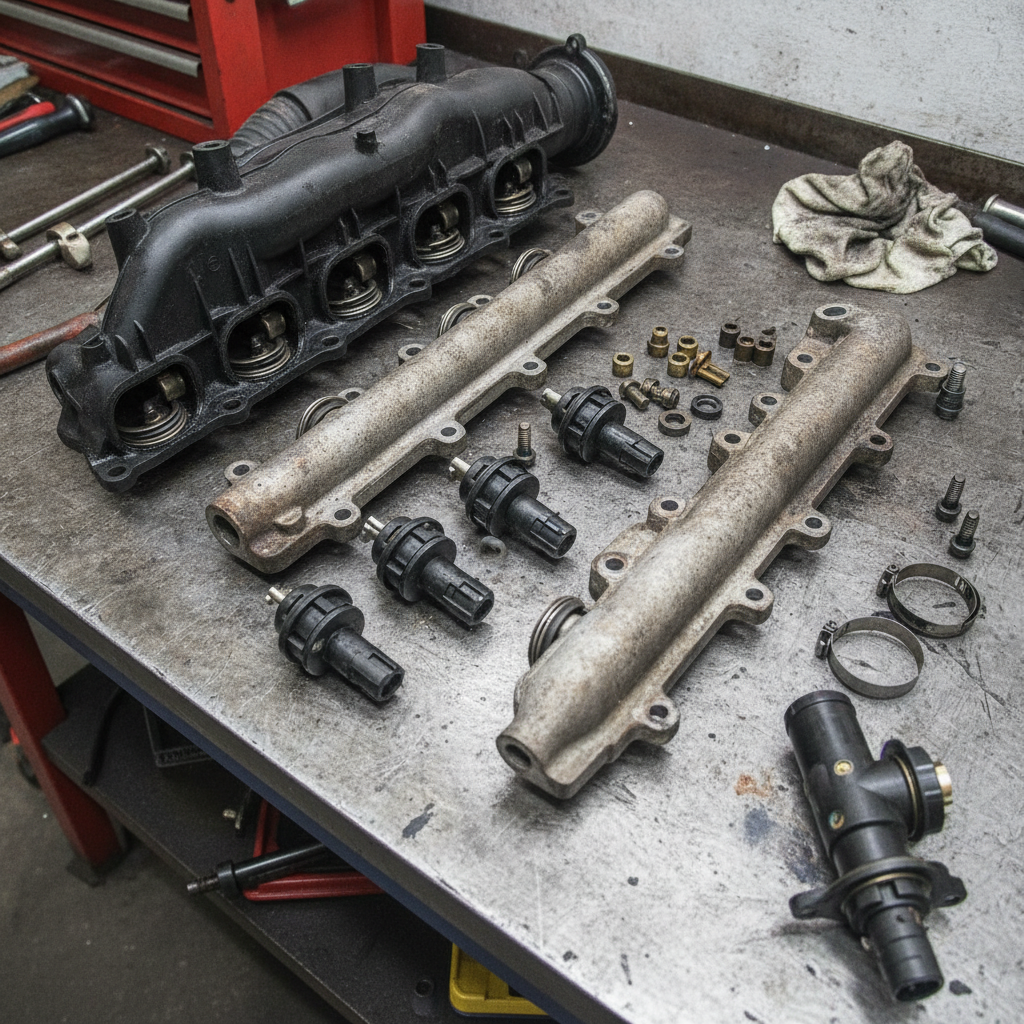
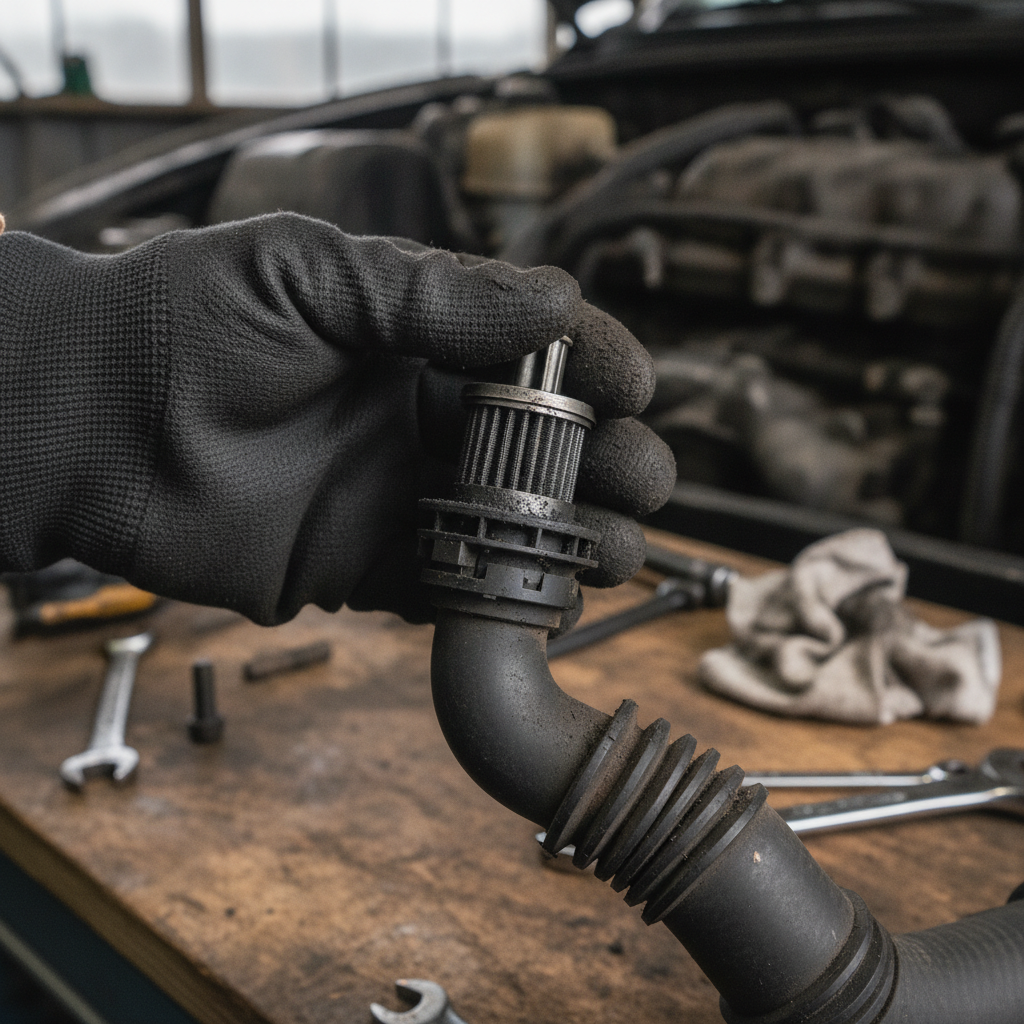
On variable geometry turbos, the actuator is the component that controls vane position. Modern diesels
typically use electronic actuators — small motors that receive position commands directly from the ECU.
Older designs used pneumatic actuators, which are simpler but still prone to wear.
Electronic VGT actuators can fail in several ways: the motor can wear out, the position sensor can drift,
or carbon deposits can cause the vane ring to stick. When the vanes stick, the ECU loses its ability to
control boost pressure accurately. This typically shows up as:
- Loss of power at mid and high rev ranges
- Limp mode engagement during harder acceleration
- Fault codes P0234 (overboost) or P0299 (underboost)
- Inconsistent boost delivery — power comes and goes
Vane cleaning — either chemically or mechanically — can resolve sticking vanes without turbo replacement.
However, if the actuator motor or sensor has failed, replacement is usually necessary.
Don’t mistake vane sticking for a failed turbo
A stuck VGT vane ring produces very similar symptoms to a failing turbo. Before authorising a full turbo
replacement, it’s worth having the actuator tested specifically. In many cases, a far cheaper vane clean
or actuator replacement resolves the fault completely.
Turbo faults and limp mode
When the ECU detects a turbo-related fault — whether that’s a boost pressure sensor reading outside expected
parameters, an actuator position error, or an overboost condition — it will typically initiate a limp mode
(reduced power) response. This is a protective measure: the ECU limits boost and fuelling to prevent
potential engine damage.
Limp mode from a turbo fault usually presents as:
- Severe power reduction — often less than half normal output
- Engine management light illuminated
- Reluctance to rev beyond 2,000–2,500 rpm
- The fault may clear temporarily after a restart, returning under load
Repeatedly clearing the code and driving in this state without addressing the underlying fault tends to
accelerate turbo damage. Limp mode exists because the ECU has decided the engine needs protection —
it’s worth taking that seriously.
Fault codes associated with turbo problems
| Fault Code | Description | Common Cause |
|---|---|---|
| P0234 | Turbocharger overboost condition | VGT vane stuck open, boost control fault, wastegate issue |
| P0299 | Turbocharger underboost condition | Boost leak, VGT vane stuck closed, failing turbo |
| P0045 / P0046 | Turbo boost control solenoid open/range | Actuator electrical fault, wiring issue |
| P2563 | Turbocharger boost control position sensor | VGT actuator position sensor fault or failure |
| P0101 | Mass airflow sensor out of range | Dirty or failing MAF — can also affect boost targets |
These codes alone don’t tell you whether the turbo needs replacing. Context matters — how the car drives,
what other codes are present, and what the live data shows during a diagnostic session. A proper diagnostic
scan will reveal whether the fault is in the actuator, the sensor, the hardware, or the ECU calibration.
What to do if you suspect a turbo fault
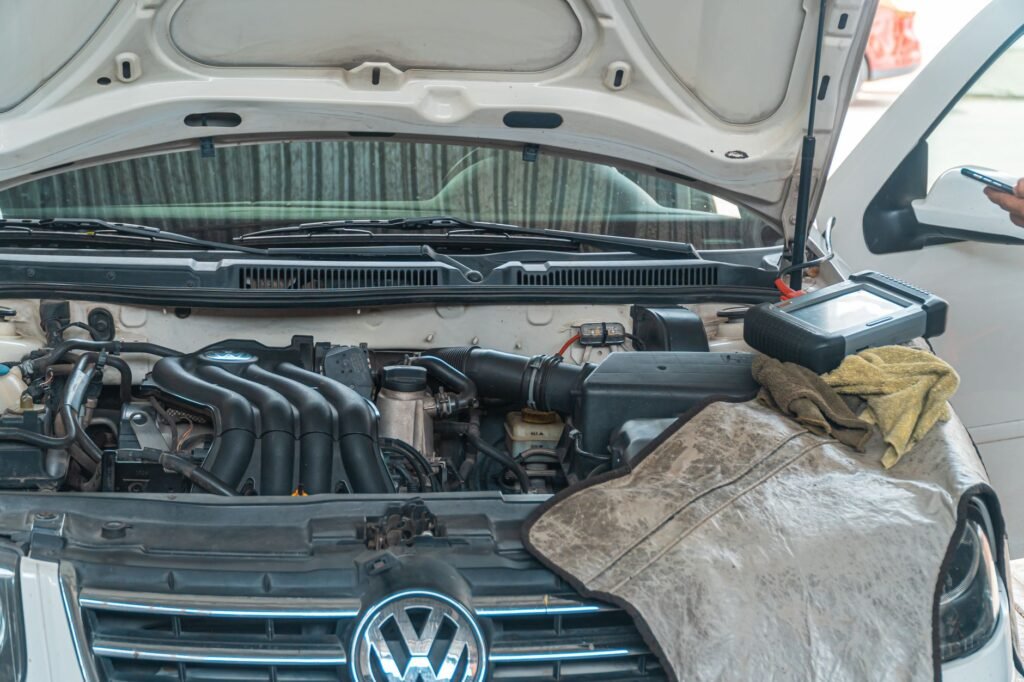
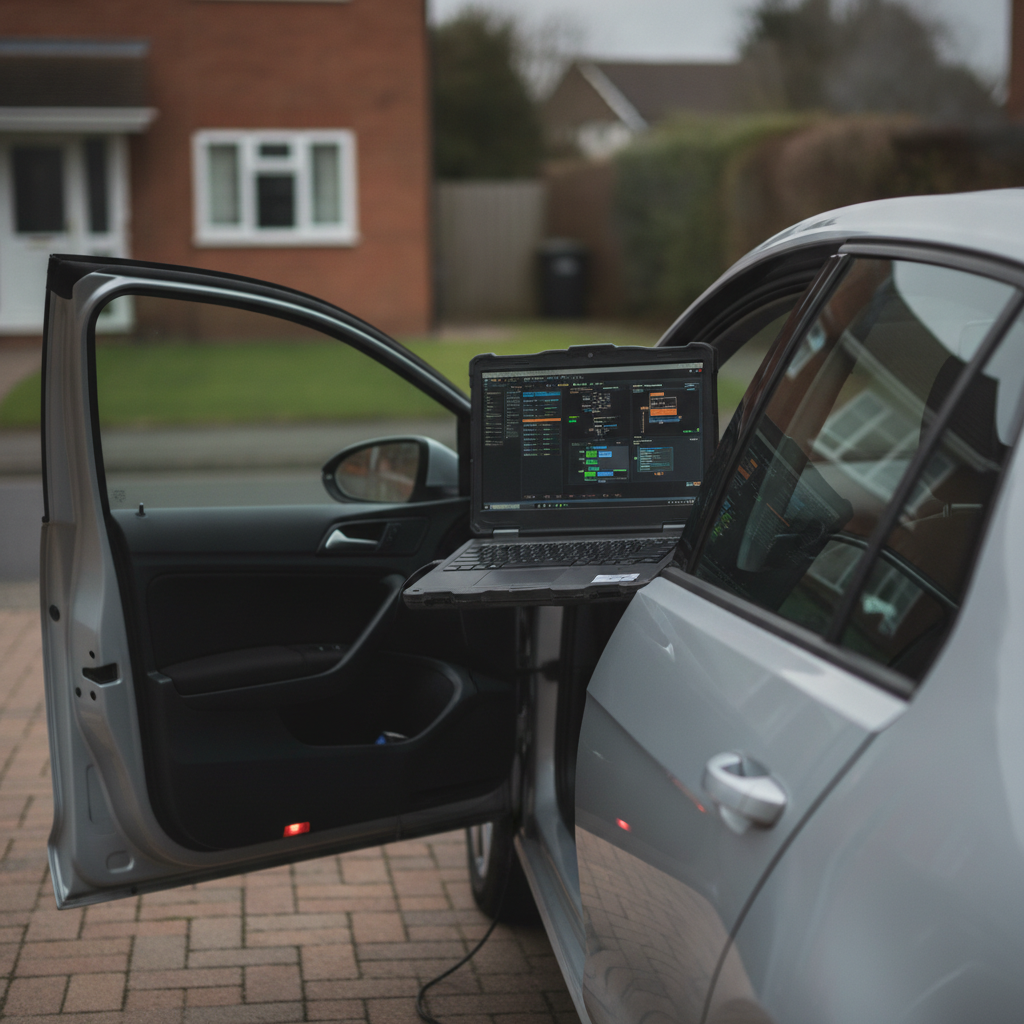
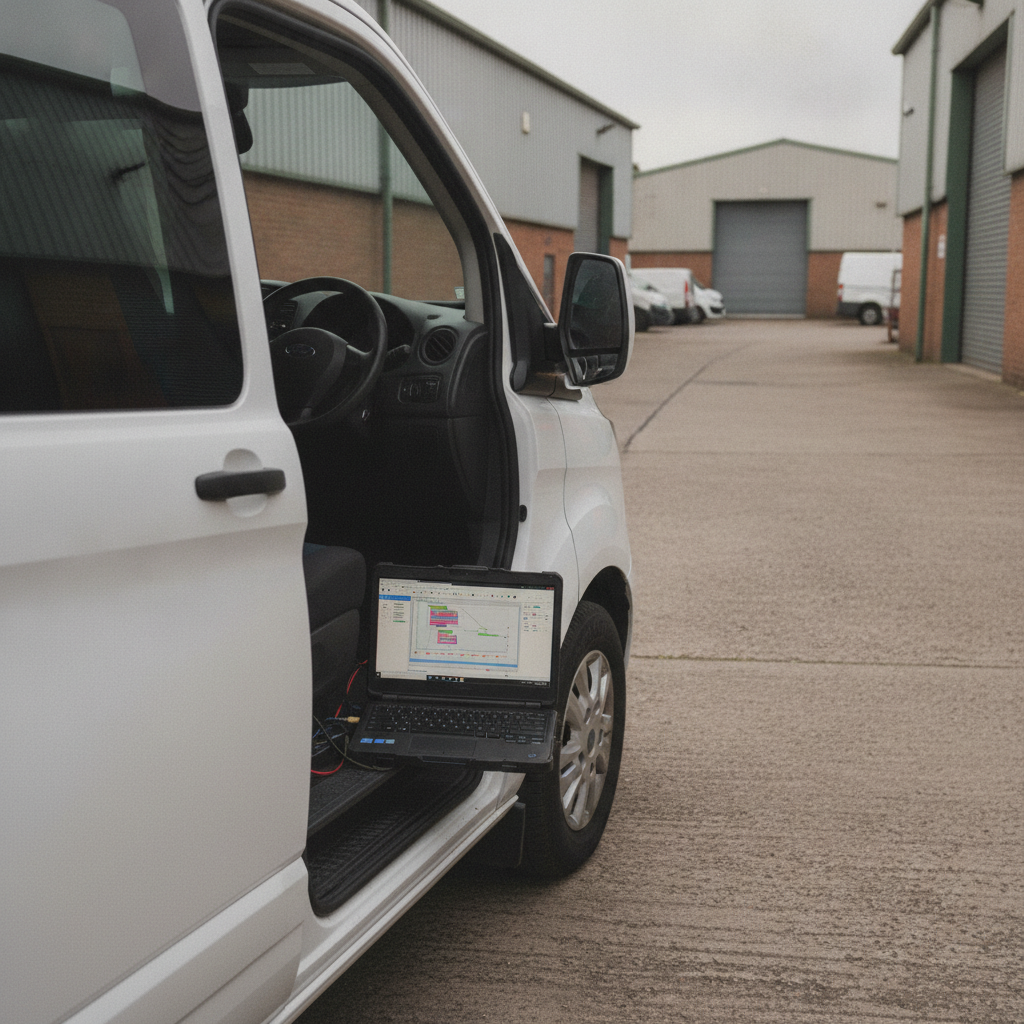
If you’re noticing any of the symptoms described above, the first step is a diagnostic scan. This will pull
any stored or pending fault codes and, with the right equipment, allow live data to be read — including
actual boost pressure versus requested boost pressure, VGT position, and actuator feedback. This data tells
you whether the fault is mechanical, electrical, or ECU-related.
From there, the options depend on what’s found:
- Vane sticking: vane clean, actuator test, or replacement if needed
- Boost leak: pressure test the intake system to find split pipes or loose clamps
- Bearing wear: oil feed inspection, turbo assessment, replacement if necessary
- Actuator failure: electrical test, actuator replacement, ECU calibration check
If the turbo hardware is sound but boost control is inconsistent, ECU recalibration can sometimes restore
correct boost delivery — particularly if the fault has introduced learned parameters that are now skewing
the calibration away from the correct target values.
ECU remapping and turbo health
A Stage 1 remap on a diesel typically increases boost pressure and adjusts fuelling targets to unlock
power that the manufacturer left on the table for cost, emissions, or durability reasons. When carried out
on a healthy turbo with a fully functioning VGT system, a Stage 1 remap is safe and works within the
turbo’s rated capability.
The critical point is that the turbo must be in good health before remapping. A remap on a turbo that’s
already working hard to compensate for worn bearings or sticking vanes adds stress to a system that’s
already under strain. This is why diagnostics before remapping matter — a good remapper will check live
boost data and flag any concerns before proceeding.
If you’re dealing with an existing turbo fault and considering a remap, be upfront with your remapper.
In some cases — particularly with VGT-related boost instability — remapping can actually improve
consistency by correcting the ECU’s control parameters. In other cases, the mechanical fault needs to
be addressed first. An honest assessment before the session is always the right approach.
Mobile diagnostics before any remap
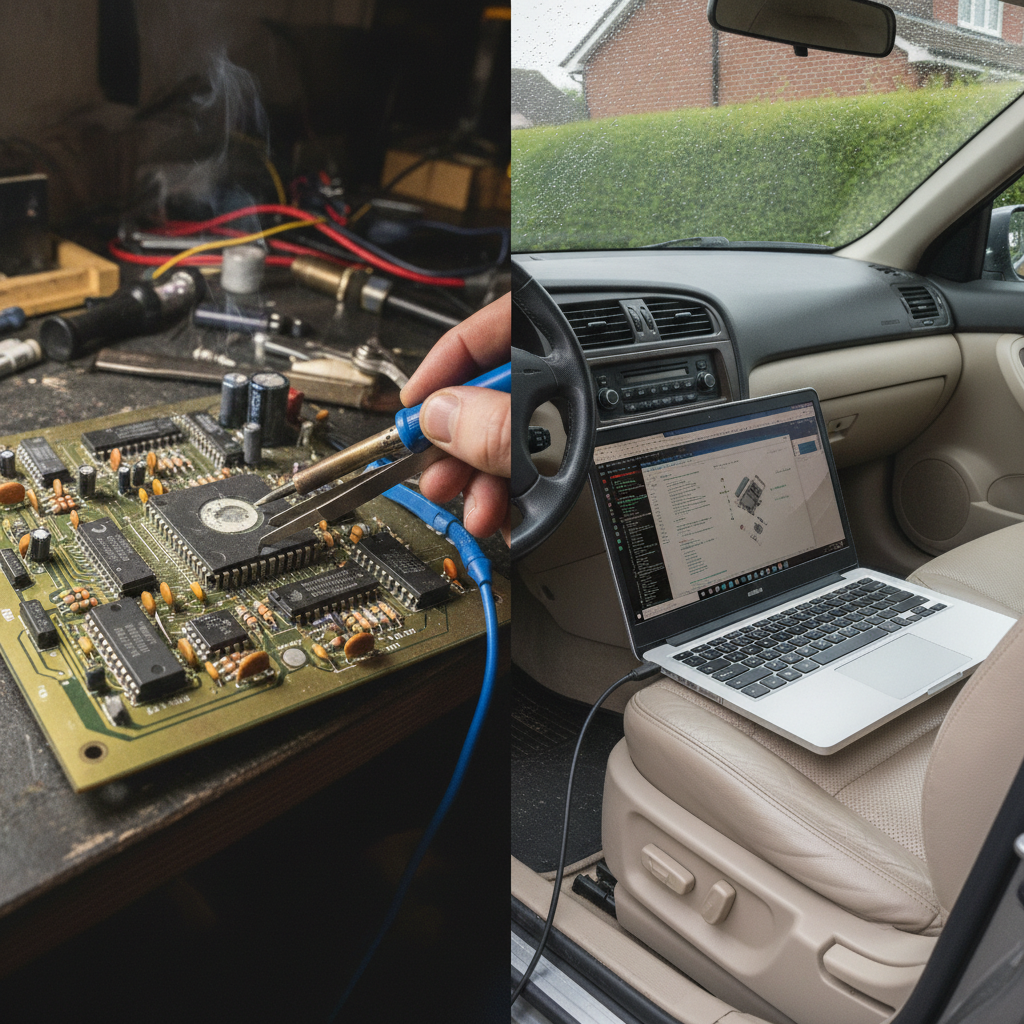
Leicester Remaps runs a full diagnostic scan before every remap session, including live boost data where
relevant. If a turbo issue is flagged, you’ll be advised before any work is carried out. The mobile service
operates across Leicester, Loughborough, Hinckley, Market Harborough, Coventry, Nottingham, and the wider
Leicestershire and Midlands area.
Turbo concerns before a remap? Let’s check it first.
If you’re unsure about your turbo’s health or have fault codes you want investigated before booking a remap,
Leicester Remaps can help. Diagnostics are included as part of the remapping process — mobile, at your home
or workplace, across Leicester and the Midlands.
Get in touch to book or
learn more about the mobile remapping service.