Remapping a High Mileage Car: Is It Safe and Worth It?
Your car has 100,000 miles on it — maybe more. You want to know whether remapping makes sense at this stage,
what checks need to happen first, and whether the gains are worth the investment.
This guide gives you the straightforward answers.
Pre-remap checks
Realistic gains
When to remap, when not to
Jump to a section
What counts as high mileage?
There’s no universal definition. In general conversation, most UK drivers consider anything above 100,000 miles to be
“high mileage” — though this varies significantly by vehicle type, engine, and how well the car has been maintained.
A diesel estate that’s covered 120,000 miles with full service history, regular oil changes, and no major faults is
a very different proposition to a 100,000-mile petrol that’s been patchy on maintenance.
Mileage is a useful starting point, but condition and maintenance history are what really matter for remapping suitability.
For this guide, we’re treating “high mileage” as broadly meaning 80,000 miles and above — a point at which certain
components start to show wear and where a professional assessment before remapping becomes particularly important.
Can a high mileage car be remapped?
Yes — mileage alone does not disqualify a car from being remapped. Many high mileage vehicles are excellent candidates
for a Stage 1 remap, provided the engine is in good mechanical health.
The ECU doesn’t know how many miles are on the clock. What matters is the current state of the engine:
whether there are active or pending fault codes, whether the engine is breathing and fuelling correctly,
and whether the key wear components are in reasonable condition.
A well-maintained diesel with 130,000 miles on it can respond to a remap just as well as the same engine at 50,000 miles.
The remap recalibrates software parameters — it doesn’t depend on the engine being new.
Mileage is not the barrier — condition is
The question isn’t “how many miles?” It’s “is the engine healthy?” A high mileage car in good condition
is a better remap candidate than a lower mileage car with active faults or deferred maintenance.
Pre-remap checks that matter for high mileage vehicles
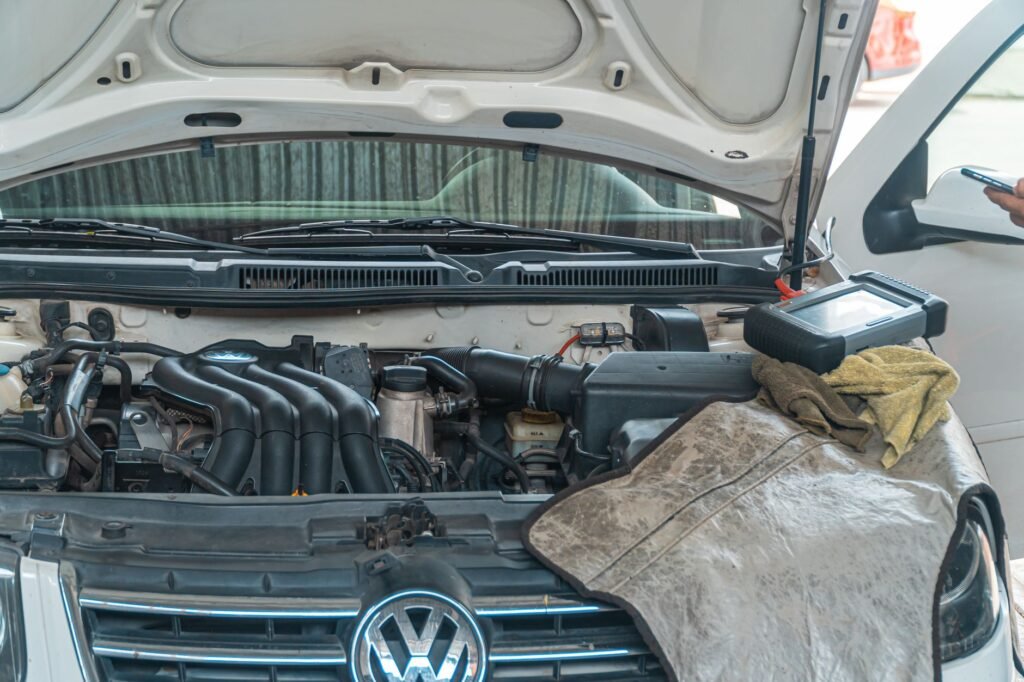
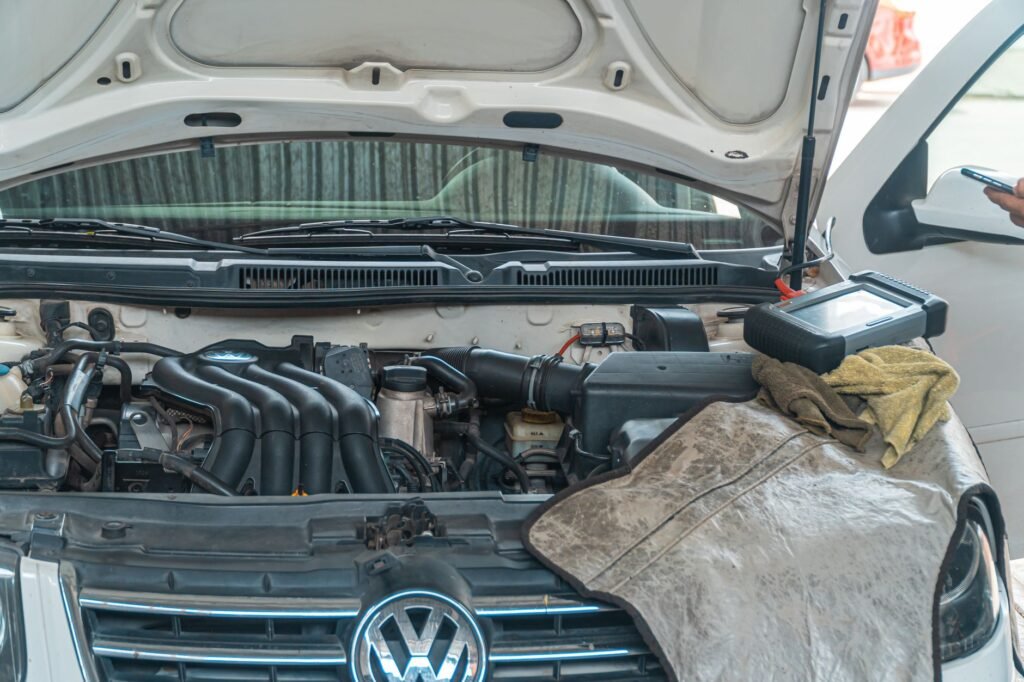
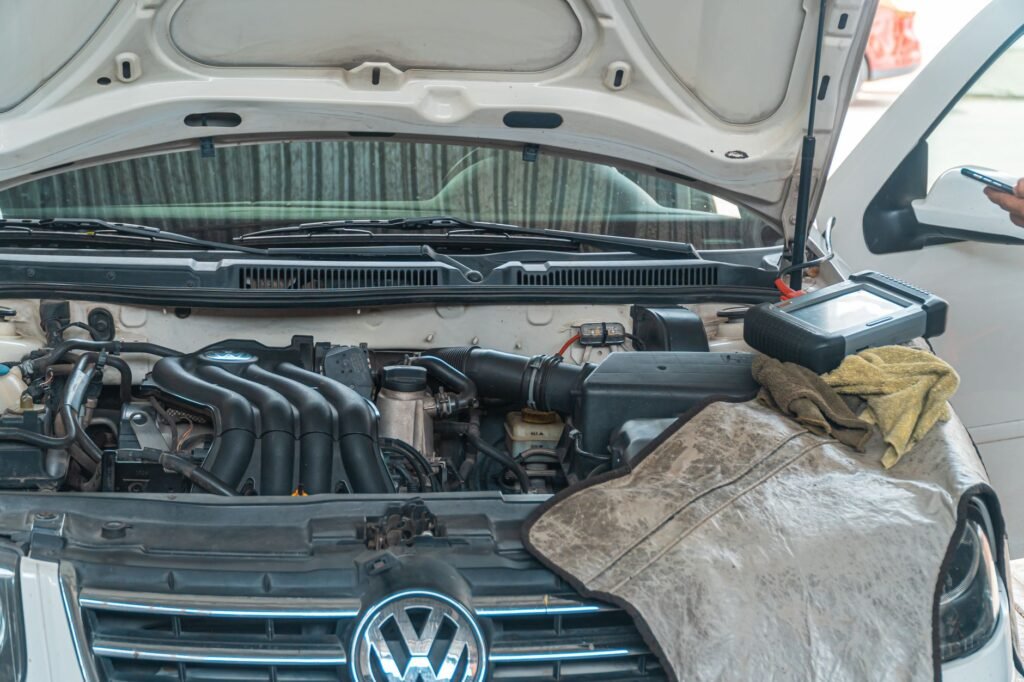
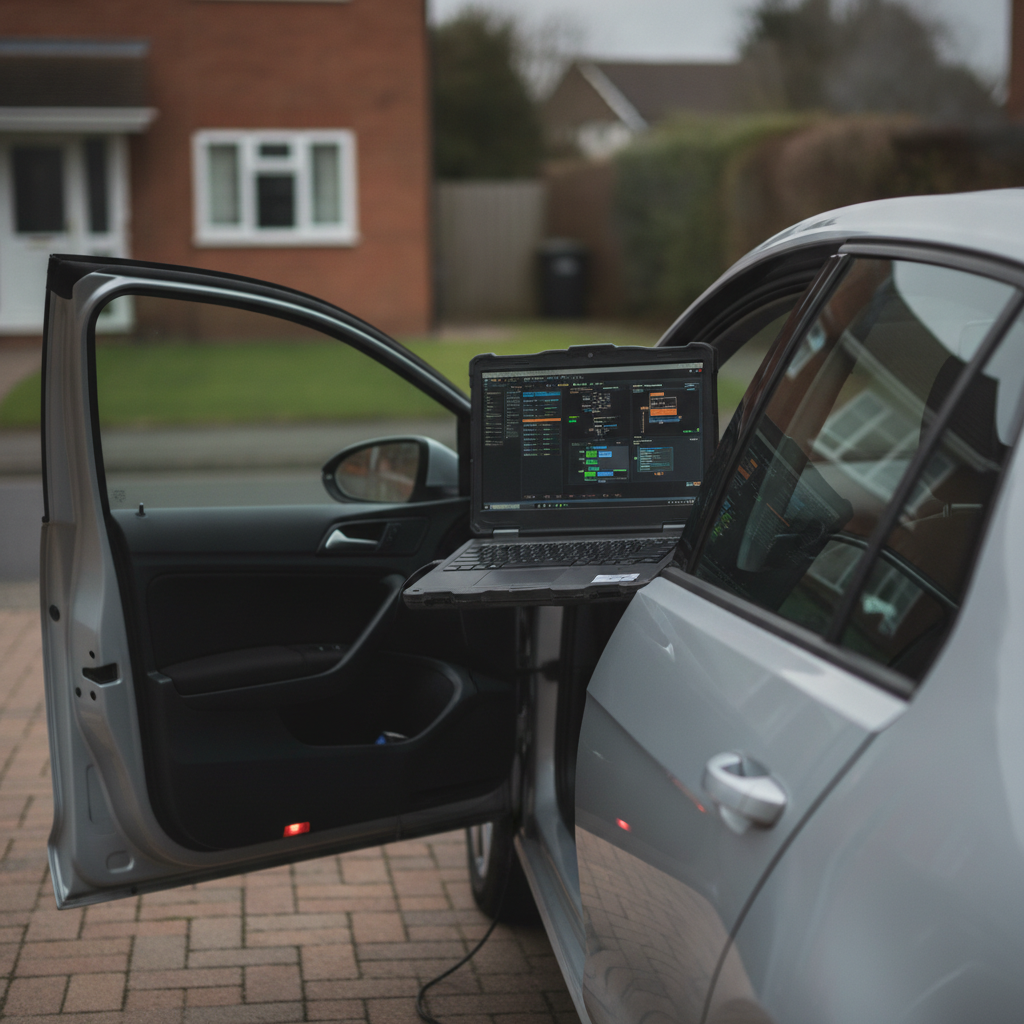
A professional remapper will run a diagnostic scan before touching the ECU. For high mileage vehicles, there are several
additional areas worth assessing before the session:
1. Diagnostic scan for fault codes
Active and stored fault codes need to be reviewed before remapping. If the engine management system is already
flagging issues — with sensors, actuators, the fuel system, or emissions components — these should be addressed first.
Remapping over unresolved faults can produce unpredictable results and may mask underlying problems.
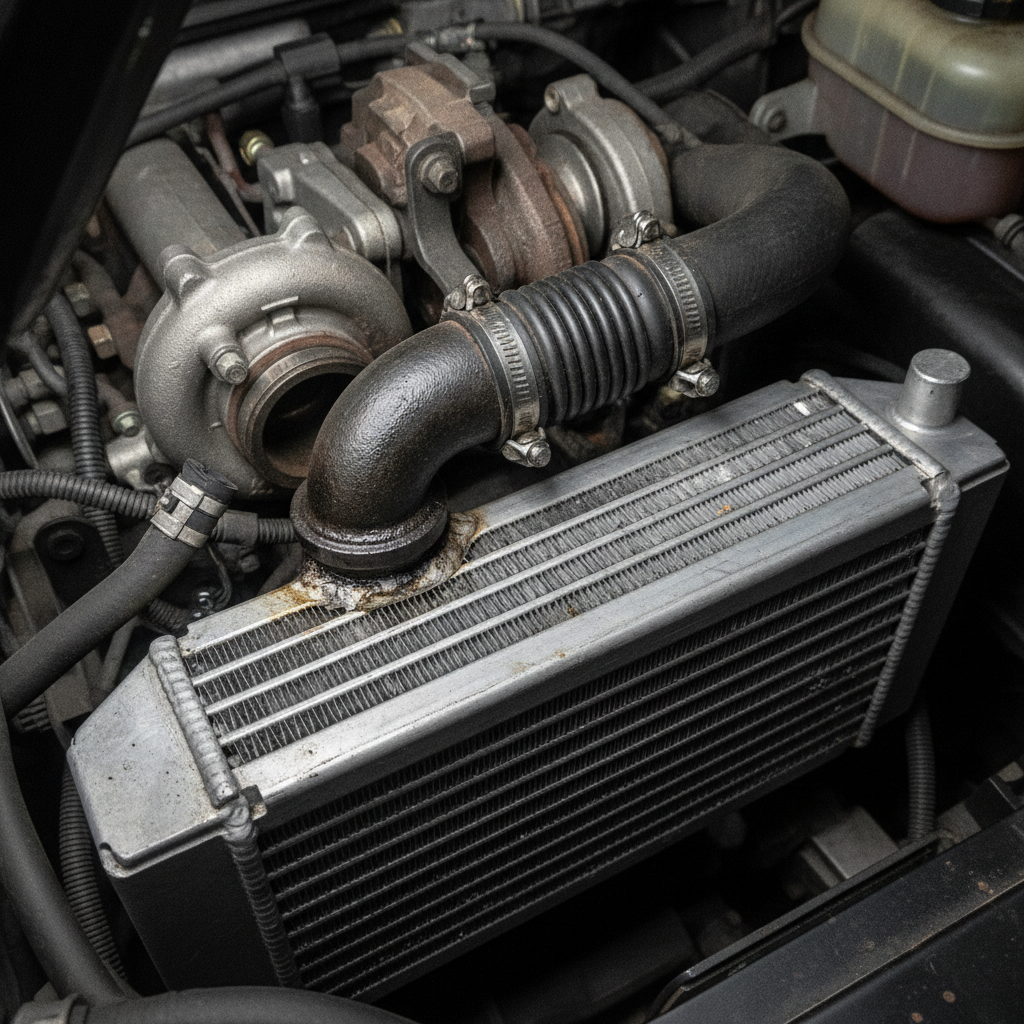
2. Turbocharger condition
A remap will push the turbo harder by increasing boost pressure. If the turbo has wear — shaft play, sluggish spool,
oil leaks — increasing boost will accelerate that deterioration. It’s worth having the turbo checked or at minimum noting
any symptoms (unusual noise, slow boost build, blue smoke at startup) before remapping.
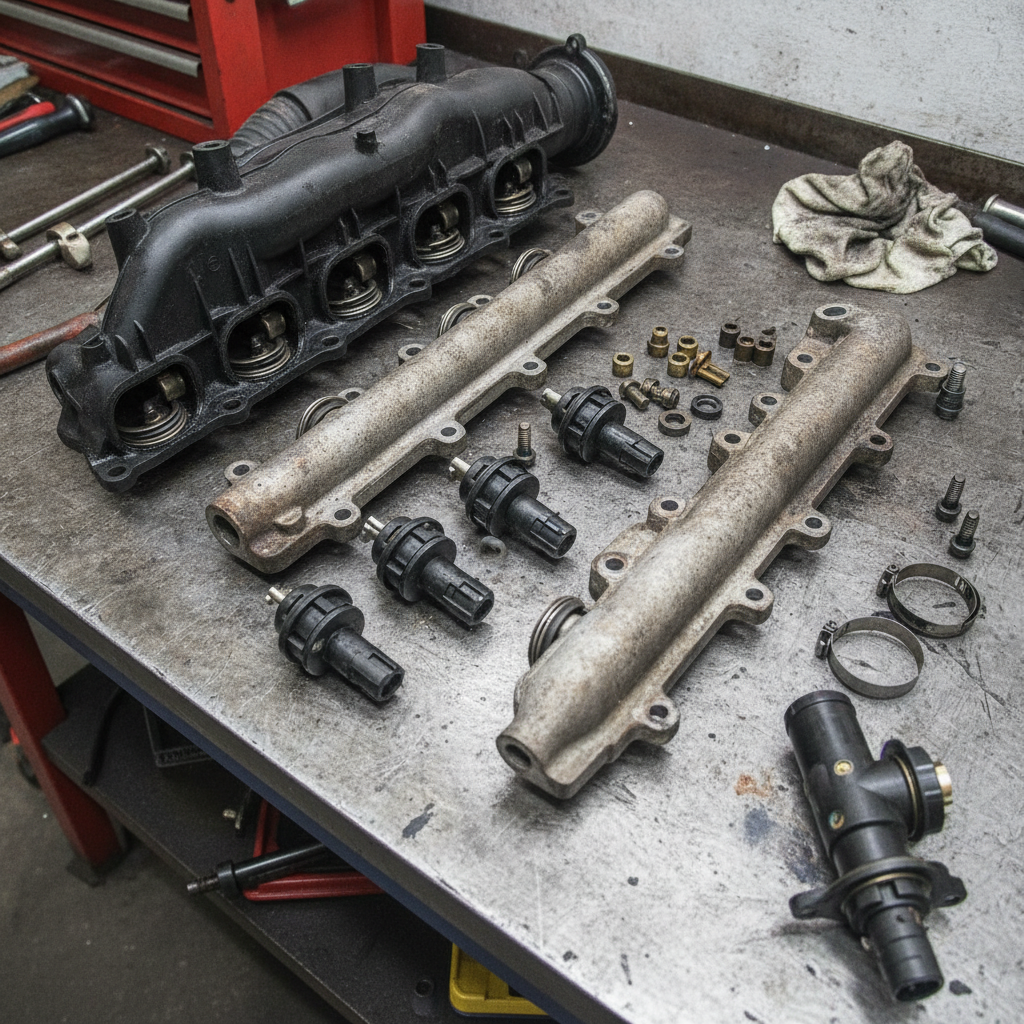
3. Injector health
At high mileages, injectors can develop wear that affects their spray pattern and delivery accuracy.
A remap that asks more of worn injectors may produce rough running or, in extreme cases, over-fuelling issues.
Signs of injector wear include rough idling, black smoke, or uneven power delivery. These are worth investigating before you remap.
4. Air intake and filtration
A blocked or dirty air filter restricts airflow and limits how effectively the engine responds to remapping.
It’s an inexpensive check — make sure the filter is clean before your remap session.
5. Coolant and oil condition
A remapped engine running at optimised parameters benefits from good quality, clean oil and correct coolant levels.
If the car is due a service, complete it before the remap rather than after.
6. DPF and emissions components
High mileage diesel cars are more likely to have partially blocked or struggling DPFs.
A remap on a car with DPF issues may not deliver clean results — the DPF restriction can limit how the engine performs
even after calibration. If there’s a DPF warning or high soot loading, this needs addressing first.
The pre-remap checklist for high mileage
Diagnostic scan clear · Turbo in reasonable condition · Injectors not showing obvious wear · Air filter clean ·
Oil and coolant fresh · Service up to date · No active DPF or emissions warnings. Tick these off and the remap can proceed with confidence.
What gains are realistic on a high mileage engine?
Assuming the engine is in reasonable health, a high mileage car can deliver very similar remap gains to a lower mileage equivalent.
The ECU calibration changes are the same — the response depends on the engine’s ability to make use of them.
For a turbocharged diesel in good condition at 100,000–150,000 miles, you can reasonably expect:
- Power gain: 15–25% increase in peak power, consistent with a lower mileage vehicle of the same model.
- Torque gain: 20–30% improvement in mid-range torque — often the most noticeable improvement in everyday driving.
- Fuel economy: 5–10% improvement with economy-conscious driving, particularly at motorway speeds.
These figures assume the engine checks described above have been completed and no significant wear issues are present.
A high mileage engine with worn injectors or a struggling turbo will deliver lower gains, because the hardware can’t
fully respond to the revised software.
Lower gains than expected? The engine may need attention first
If a remapped high mileage car doesn’t feel markedly different after the remap, that’s often a sign of hardware wear —
injectors, turbo, air delivery — rather than a problem with the remap itself. A diagnostic check will confirm the cause.
Risks to understand before booking
Remapping a high mileage car carries slightly different risk considerations compared to a low mileage vehicle.
These aren’t reasons to avoid remapping — they’re reasons to be informed and prepared.
Unmasking pre-existing issues
A remap increases the demands placed on the engine. If there are borderline components that were functioning adequately
at factory settings, pushing them harder may cause them to fail sooner.
This isn’t caused by the remap — it simply reveals a problem that was already developing.
A pre-remap diagnostic check reduces this risk considerably.
Turbocharger stress
Increasing boost pressure on a turbo that already has significant wear accelerates the rate of further deterioration.
For vehicles with turbos known to be reaching end of life, it may be better to replace the turbo and then remap,
rather than remap and hope the turbo holds out.
Injector response under increased demand
Worn injectors may struggle to deliver fuel cleanly at the levels requested by a remapped map.
In most cases this results in rough running rather than serious damage, but it’s worth addressing injector wear
before adding more demand to the system.
When a high mileage remap makes sense — and when it doesn’t
Good candidates for a high mileage remap
- Turbocharged diesel with full or mostly complete service history
- Engine passing a pre-remap diagnostic scan without active faults
- Car that’s been maintained and driven regularly (not left standing)
- No known turbo, injector, or DPF issues
- Driver planning to keep the vehicle and wanting more from it
Less suitable candidates
- Engines with active or unresolved fault codes
- Turbos showing significant wear (shaft play, noisy, lazy to spool)
- Injectors known to be at the end of their service life
- DPF warning lights or high soot loading issues
- Cars with sketchy or unknown service history
- Vehicles being prepared for sale in the near term (remap may not add resale value and complicates warranty disclosure)
When in doubt, a pre-remap diagnostic session will give you a clear picture of whether the engine is ready.
A professional remapper will tell you honestly if the car needs attention before a remap proceeds.
Getting a high mileage remap done properly
The principles for remapping a high mileage car are the same as for any vehicle — the pre-work is just more important.
Before you book:
- Check the service history and confirm the car is up to date on oil, filters, and any due maintenance.
- Note any symptoms you’ve observed: rough idle, smoke, hesitation, unusual noise.
- Ask the remapper if they’ll run a pre-remap diagnostic scan — any professional will, and it protects you both.
On the day:
- The original ECU file should be backed up before any changes are made.
- The remapper should check for fault codes before and after writing the new map.
- A short test drive or idle check confirms the remap has applied correctly.
After the remap:
- Drive it normally for the first few hundred miles. There’s no “break-in” requirement, but driving sensibly gives you a clear baseline for noticing any issues.
- Note any warning lights or unusual running behaviour and report them to the remapper promptly.
- If the car runs noticeably rougher or a warning appears that wasn’t present before, get it diagnosed — it may point to a pre-existing hardware issue that the remap has made apparent.
A high mileage remap is a sensible choice when the groundwork is done
Tens of thousands of high mileage cars are remapped in the UK every year without issues.
The key is treating the pre-remap checks seriously and using a professional who will tell you honestly
if anything needs attention before proceeding.
Thinking about remapping your high mileage car?
Leicester Remaps offers mobile ECU remapping across Leicester, Leicestershire, and the wider Midlands.
Every session includes a pre-remap diagnostic scan, original file backup, and an honest assessment of whether
your vehicle is ready for remapping — whatever the mileage.
View our Stage 1 remap service or
contact Leicester Remaps for an assessment and quote.