Mass Airflow Sensor Fault: Symptoms, Causes and What an ECU Can Do About It
A faulty mass airflow sensor is one of the most common causes of limp mode, black smoke and poor fuel economy in diesel vehicles. This guide explains how to spot the symptoms, understand the root cause, and know whether a remap or software fix is part of the solution.
Diesel Diagnostics
Limp Mode
ECU Remapping
Diesel Engine Faults
In This Guide
What Does a Mass Airflow Sensor Do?
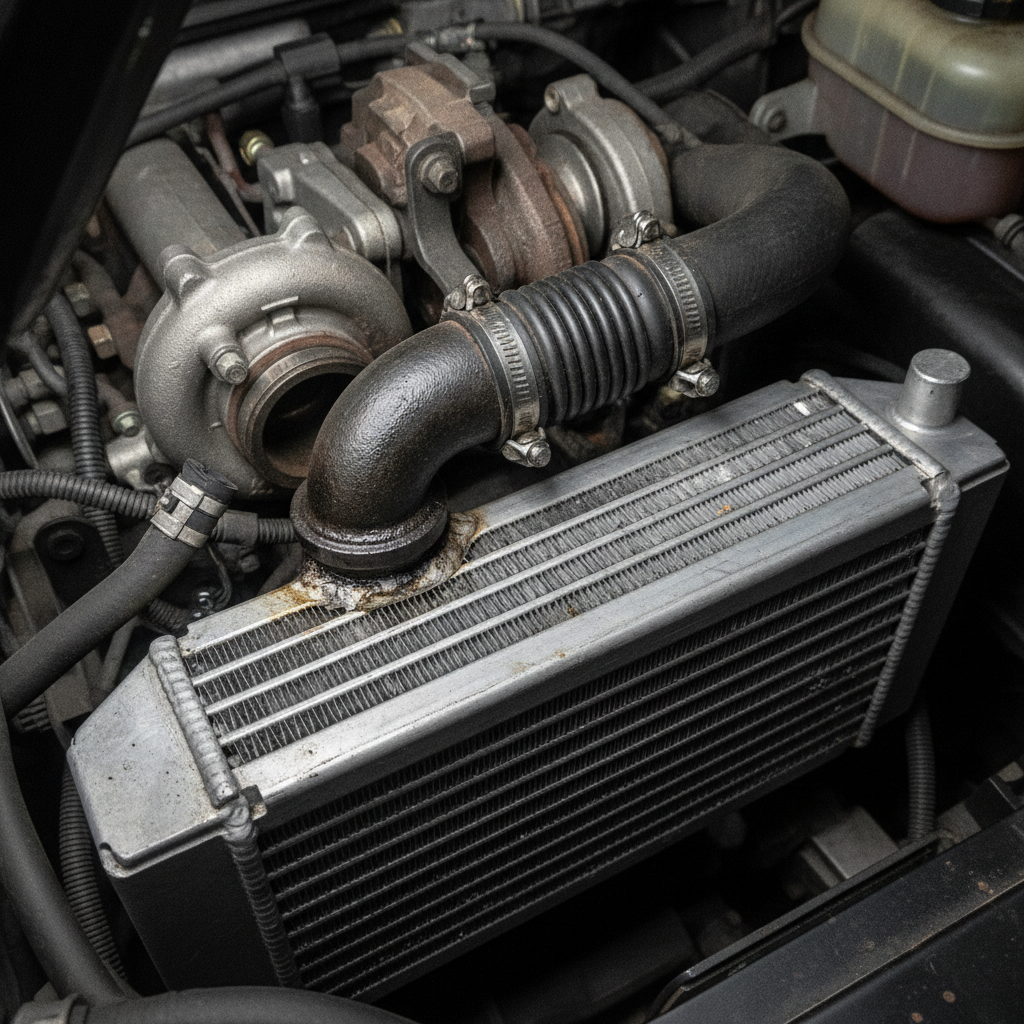
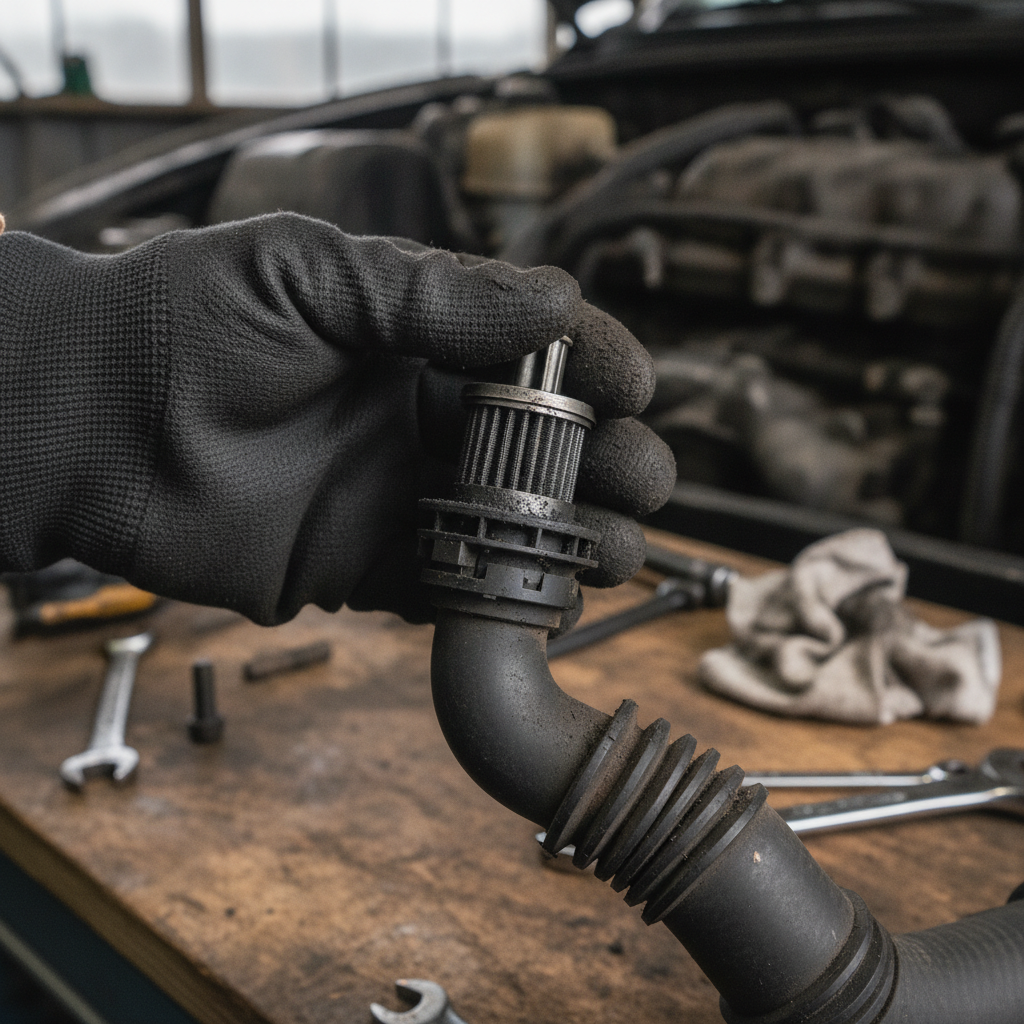
The mass airflow sensor — commonly called the MAF sensor — sits in the air intake path between the air filter and the throttle body or turbo inlet. Its job is to measure the volume and density of air entering the engine so the ECU can calculate the correct amount of fuel to inject.
On a diesel engine, this calculation is critical. Too little air reading tells the ECU to reduce fuel delivery — leading to low power and black smoke as the fuel-to-air ratio goes wrong. Too high a reading causes its own set of problems including rough running and excessive fuel consumption.
The MAF sensor communicates directly with the ECU in real time. When its readings drift away from the true airflow — whether due to contamination, wear or failure — the ECU starts making incorrect fuelling decisions based on bad data.
MAF vs MAP sensor: they are different components
The MAF sensor measures air mass flowing into the engine. The MAP (manifold absolute pressure) sensor measures boost pressure inside the intake manifold. Both talk to the ECU and both can cause similar-looking symptoms when faulty. Proper diagnostic scanning identifies which is involved.
Symptoms of a Faulty Mass Airflow Sensor
MAF sensor problems do not always trigger an immediate warning light. Some faults develop gradually and the symptoms appear before any dashboard alert. The most common signs are listed below.
Loss of power and limp mode
If the ECU detects an implausible reading from the MAF sensor — either too high, too low, or absent — it will often enter limp mode as a protective measure. Power is restricted to prevent potential engine damage from incorrect fuelling. The van or car feels sluggish, will not rev beyond a certain point, and may struggle to accelerate past 50mph.
Black smoke from the exhaust
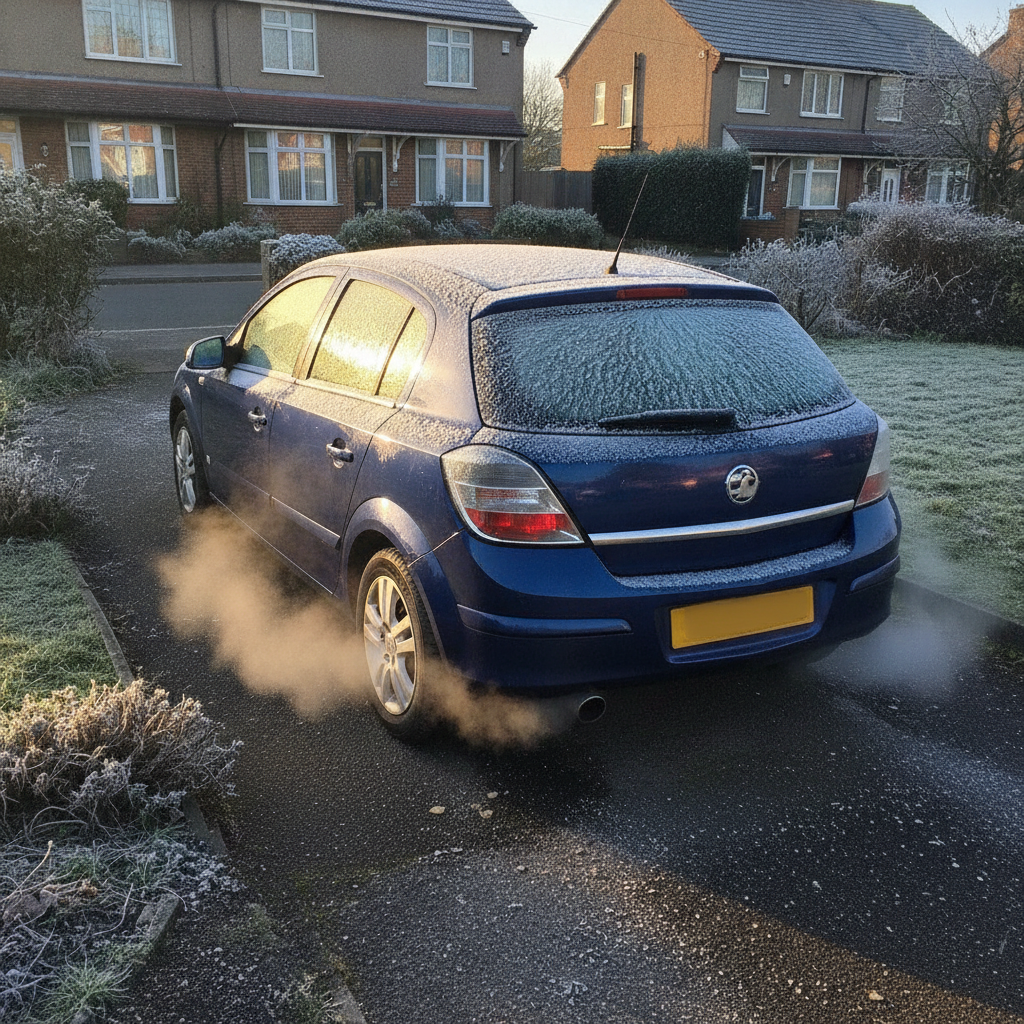
Black smoke indicates the engine is burning too much fuel relative to the available air. If the MAF sensor is reading low — reporting less air than is actually entering — the ECU under-fuels initially, but as the imbalance compounds through the combustion cycle, rich running and black smoke can result. This is particularly noticeable under load or during acceleration.
Poor fuel economy
Incorrect air mass readings lead to consistently wrong fuelling decisions. Even when the car is not in limp mode, a drifting MAF sensor can cause the engine to run slightly rich across the rev range, reducing fuel economy noticeably over time.
Rough idle and hesitation
At idle, the engine needs accurate air readings to maintain a steady combustion cycle. A failing MAF sensor causes the idle to feel rough or unstable. Hesitation on initial acceleration — a momentary flat spot before power arrives — is also common and is often the first noticeable symptom before the fault develops further.
Engine management light
Once the fault becomes persistent, the ECU will log a fault code and illuminate the engine management light. Common codes associated with MAF sensor problems include P0100 to P0104 on OBD systems. These codes indicate a signal range, performance or circuit issue with the MAF sensor circuit.
What Causes Mass Airflow Sensor Failure in Diesel Vehicles?
MAF sensors fail for several different reasons, and understanding the cause is important before deciding on the fix.
Contamination from a dirty air filter
The most common cause on high-mileage diesel vehicles is contamination. Oil vapour from the crankcase breather system, oil mist from a failing air filter, or simply heavy carbon deposits from extended running can coat the sensing element inside the MAF housing. Once coated, the element cannot accurately measure airflow and readings start to drift.
Damage from a poorly fitted aftermarket air filter
Some performance air filters — particularly oiled cotton gauze types — can transfer filter oil onto the MAF sensing wire if over-oiled or improperly installed. This coats the element and mimics the same contamination pattern as crankcase oil. Symptoms may appear shortly after a filter change.
Electrical connector or wiring fault
The MAF sensor relies on a clean electrical connection to the ECU. Corroded terminals, a fractured wiring loom near the connector, or intermittent contact can cause erratic readings that fluctuate rather than staying consistently wrong. This type of fault is harder to pin down because it may disappear during a cold diagnostic session only to return under heat or vibration.
Physical failure of the sensing element
On high-mileage vehicles or those with a history of poor air filtration, the sensing wire or hot film element inside the MAF housing can physically fail. At this point, cleaning will not help and replacement is necessary.
Do not clean the MAF sensor with a standard electrical contact spray
Only MAF-specific sensor cleaner should be used if attempting to clean the sensing element. Standard electrical contact cleaner or brake cleaner can permanently damage the fragile sensing wire. If in doubt, leave cleaning to a professional.
How to Diagnose a MAF Sensor Fault Properly
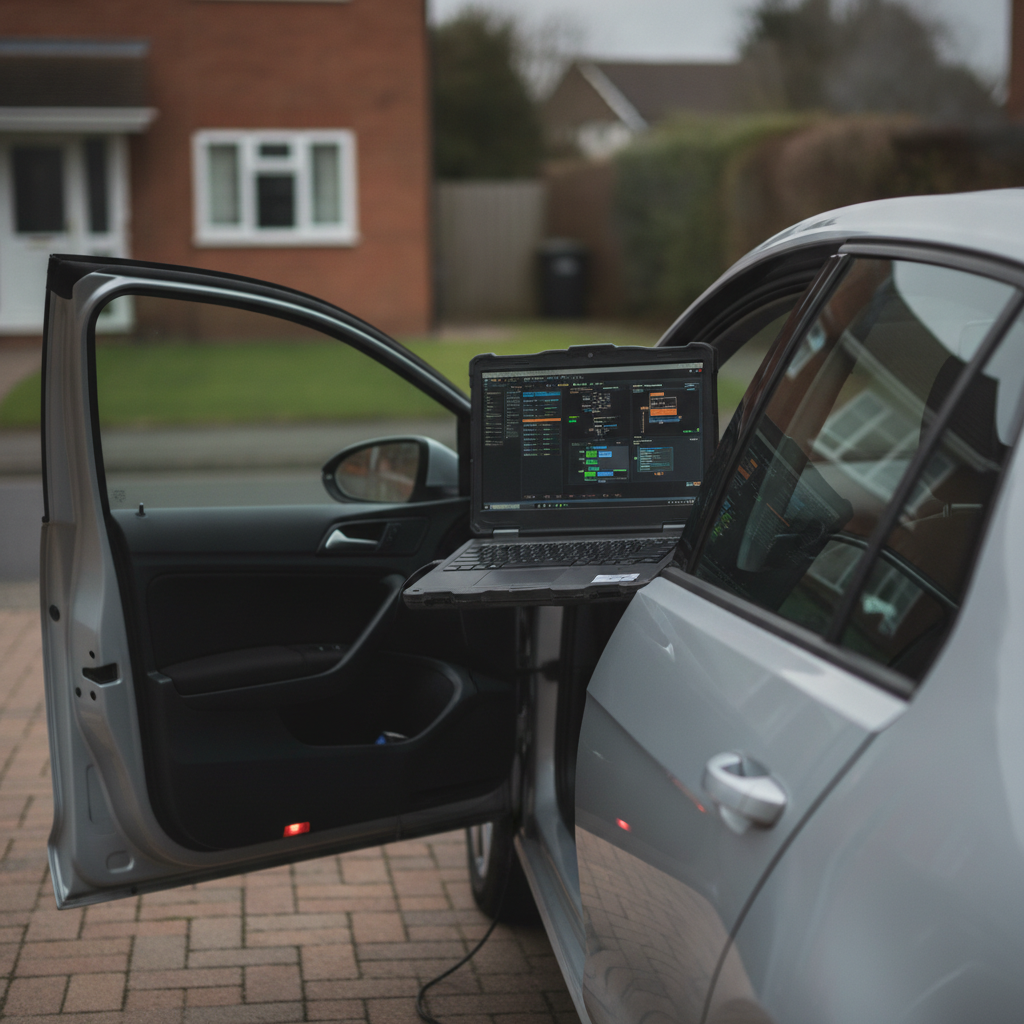
Because MAF sensor symptoms overlap with many other diesel faults — including turbo underboost, EGR problems, injector faults and DPF restriction — proper diagnosis requires OBD scanning and live data review rather than just reading the stored fault code.
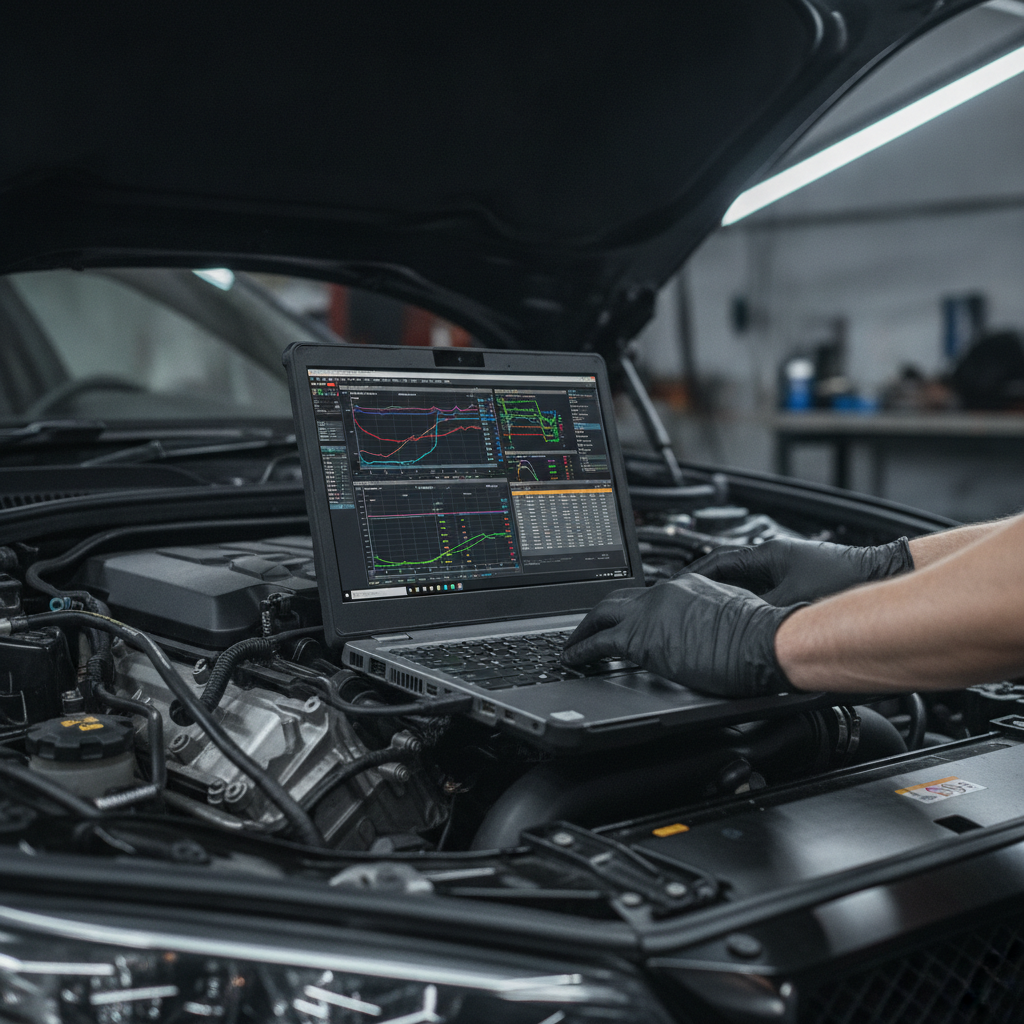
A stored P0100 code confirms the ECU flagged a MAF circuit issue at some point, but it does not tell you whether the sensor is fully failed, intermittently faulty, or contaminated. Reading live airflow data at idle and under load gives a much clearer picture.
A diesel engine at idle should show approximately 2–4 grams per second on the MAF reading. At full throttle, values of 50–100 g/s are typical depending on engine size. Readings that sit significantly below these ranges, or that respond slowly to throttle input, point to a contaminated or failing sensor rather than a simple wiring fault.
Diagnostic approach for a suspected MAF fault
1. Connect an OBD scanner and read all stored codes across all modules
2. Clear codes and check for immediate return — intermittent faults may not return immediately
3. Review live data: MAF g/s at idle, at 2000rpm, and under load
4. Check the air filter condition and crankcase breather routing
5. Inspect the MAF electrical connector for corrosion or pushed-back pins
6. If values are low or sluggish, remove and inspect the sensing element for contamination

What a Remap Can and Cannot Fix When the MAF Sensor Is Faulty
This is where some drivers get confused, so it is worth being direct. A MAF sensor fault is a hardware or electrical problem — the sensor itself is measuring incorrectly. An ECU remap adjusts the software calibration but cannot fix bad sensor data. If the MAF is sending wrong readings to the ECU, remapping the ECU to use those wrong readings more aggressively would make things worse.
That said, there is a legitimate connection between MAF sensor readings and ECU remapping in certain specific situations.
Where a remap can genuinely help after MAF replacement
Once a faulty MAF sensor has been replaced and the readings are accurate, a remap can optimise how the ECU interprets and uses that data. On a standard factory map, the ECU is calibrated conservatively around a relatively wide tolerance band. A custom remap tightens the fuelling and boost response around the now-accurate airflow readings, improving throttle response and efficiency.
In other words: fix the sensor first, then remap for the full benefit.
MAF deletion or rescaling maps
On some older diesel systems, specialist calibrators can apply a MAF deletion map — removing the MAF sensor from the fuelling calculation entirely and running the engine on load and RPM tables instead. This is not a common recommendation and is not suitable for modern Euro 5 or Euro 6 vehicles. It is mentioned here because some drivers encounter this option and wonder about it; for most applications it creates more problems than it solves.
If limp mode returns after replacing the MAF sensor
If the engine re-enters limp mode after a new MAF sensor has been fitted, the fault likely lies elsewhere — turbo boost pressure, EGR, injectors or DPF restriction are common secondary causes. A further diagnostic scan with live data will identify what is now driving the ECU protection response.
Replace the Sensor, Remap, or Both?
For a vehicle with a confirmed MAF sensor fault, the correct sequence is always to fix the hardware problem first. Remapping before the sensor is replaced is counterproductive — the calibration will be based on inaccurate airflow data.
Once the MAF is replaced and the engine is running cleanly with accurate readings, a remap becomes a useful next step if the driver wants to go beyond factory performance. The improved airflow data gives the calibration much better source material to work with, and the result is cleaner, more responsive performance than either the old faulty setup or a standard factory map alone.
Leicester Remaps can advise on whether a remap is appropriate after a MAF-related repair. If the vehicle has not been through a full diagnostic before the remap enquiry, this is flagged during the conversation — it is in nobody’s interest to remap a vehicle that has an underlying fault affecting the results.
ECU Remapping and Diagnostics in Leicester
If your diesel is showing symptoms that could be MAF-related — limp mode, black smoke, sluggish throttle response — get it scanned before any remap conversation. Leicester Remaps provides mobile ECU remapping across Leicester, Leicestershire and the wider Midlands.
- Stage 1 remapping for diesel and petrol vehicles
- Mobile service — we come to your location
- Advice on fault diagnosis before and after remapping
- DPF, EGR and Lambda solutions also available
Can I drive with a faulty MAF sensor?
If the vehicle is in limp mode, driving is possible but not advisable for any extended distance. Limp mode is a protective state — the ECU has reduced power to prevent potential damage from incorrect fuelling. Get the fault diagnosed and resolved as soon as practical.
How much does a MAF sensor replacement cost?
The sensor itself varies from around £30 for basic aftermarket units to over £150 for OEM parts on certain vehicles. Labour for fitting is relatively low as the sensor is usually accessible. Total cost at an independent garage typically falls in the £80–£200 range depending on the vehicle.
Will cleaning the MAF sensor fix the problem?
Sometimes, if the fault is contamination rather than physical failure. Use only dedicated MAF cleaner — not general electrical spray — and allow the element to dry completely before refitting. If symptoms return, the sensor likely needs replacing rather than cleaning again.
Can a remap cause MAF sensor problems?
A properly executed remap from a reputable calibrator does not damage the MAF sensor. If MAF-related symptoms appear after a remap, it is more likely that the sensor was already in marginal condition and the increased load from the remapped calibration pushed it into fault territory. In that case, the sensor is the root cause, not the remap.
My car has a MAF fault code but runs fine — should I still fix it?
Yes. A stored fault code with no current symptoms usually means an intermittent fault — the sensor is failing but not yet permanently. Left unaddressed, the fault will typically worsen over time. Fixing it while the vehicle still drives normally is cheaper and less disruptive than waiting for full failure.
Leicester Remaps provides mobile ECU remapping services across Leicestershire and the East Midlands. For advice on whether remapping is appropriate for your vehicle’s current state, get in touch via the contact page.