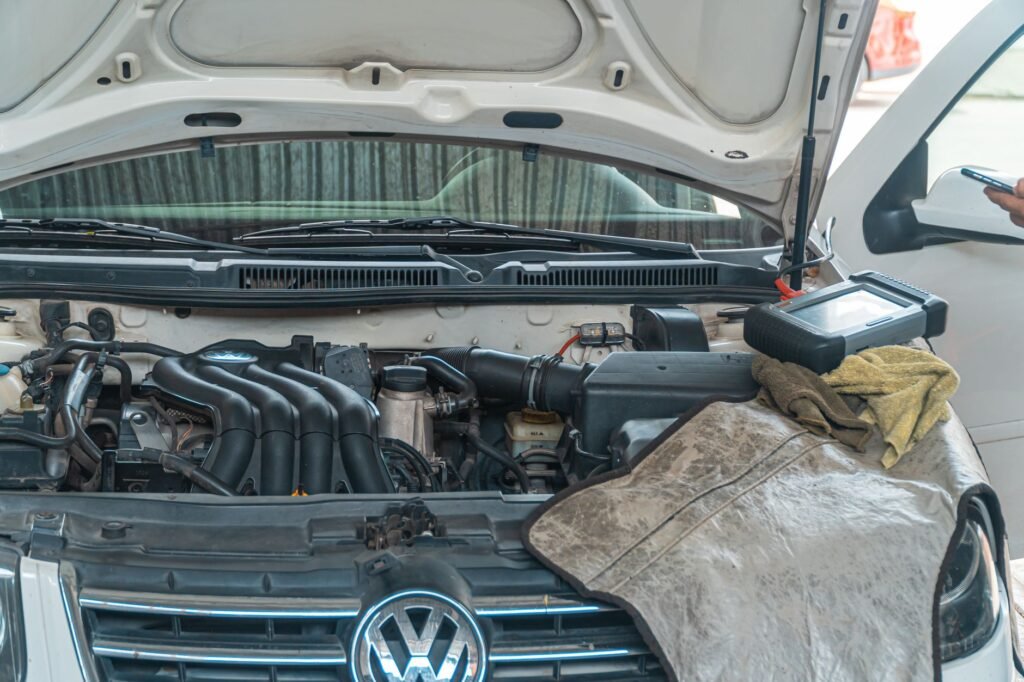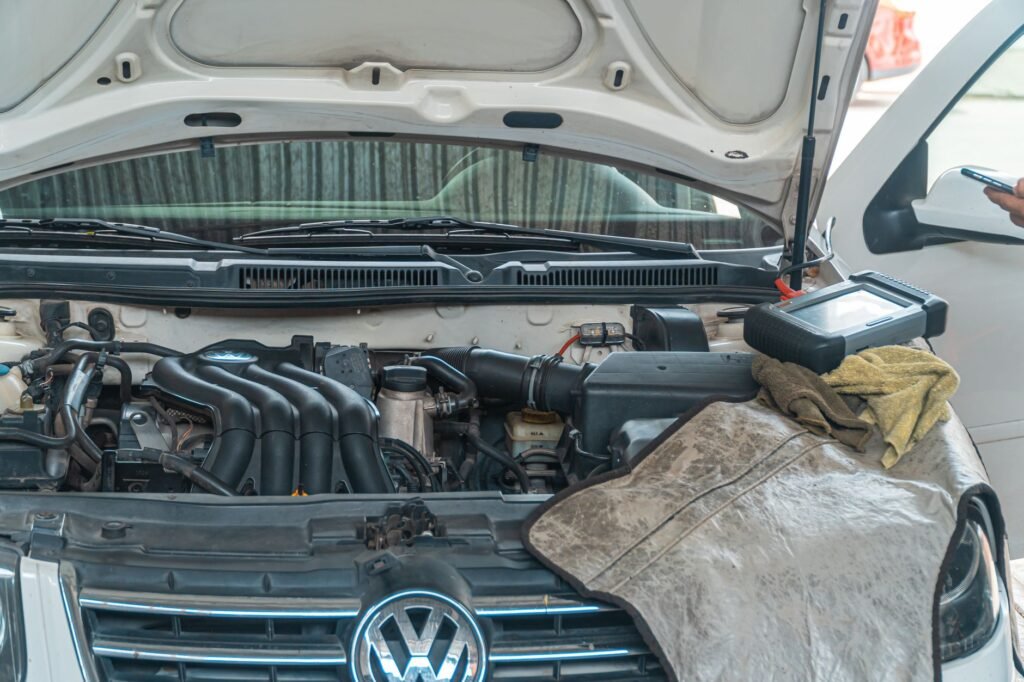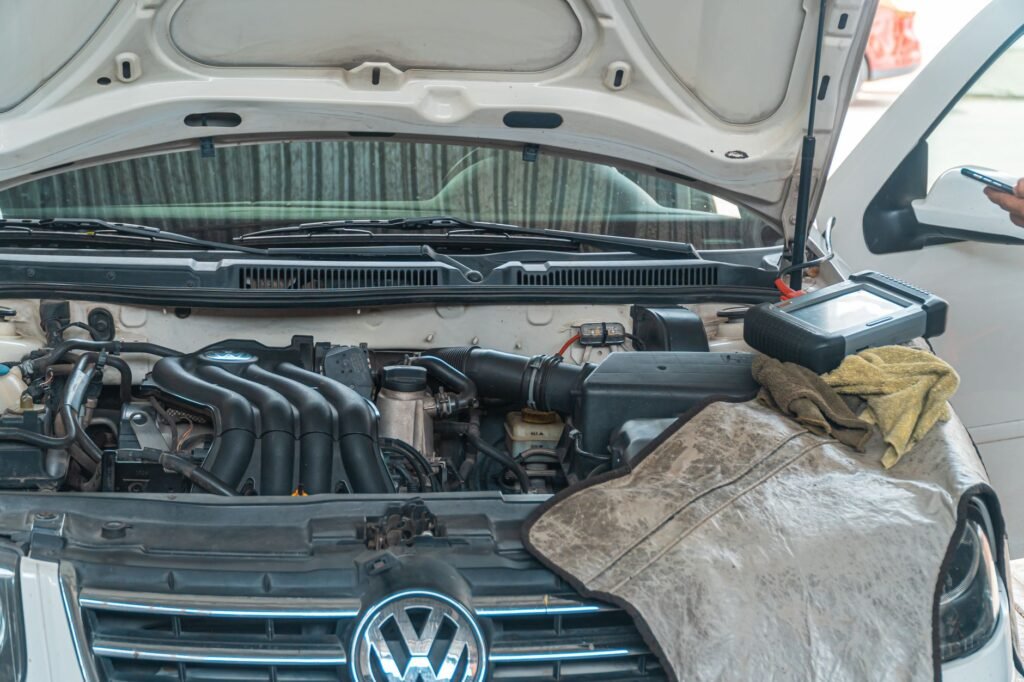
Stage 1 Remap vs Manufacturer Software Update: What’s the Difference?
If you are deciding between a Stage 1 remap and a dealer software update,
you are not alone.
Both change the software inside your ECU.
Both can alter how the car drives.
The difference lies in purpose, power, control, and long-term intent.
This guide breaks down stage 1 remap vs software update clearly,
so you know which route suits your situation.
Comparison intent
UK drivers
Performance vs factory updates
Table of contents
What is a Stage 1 remap?
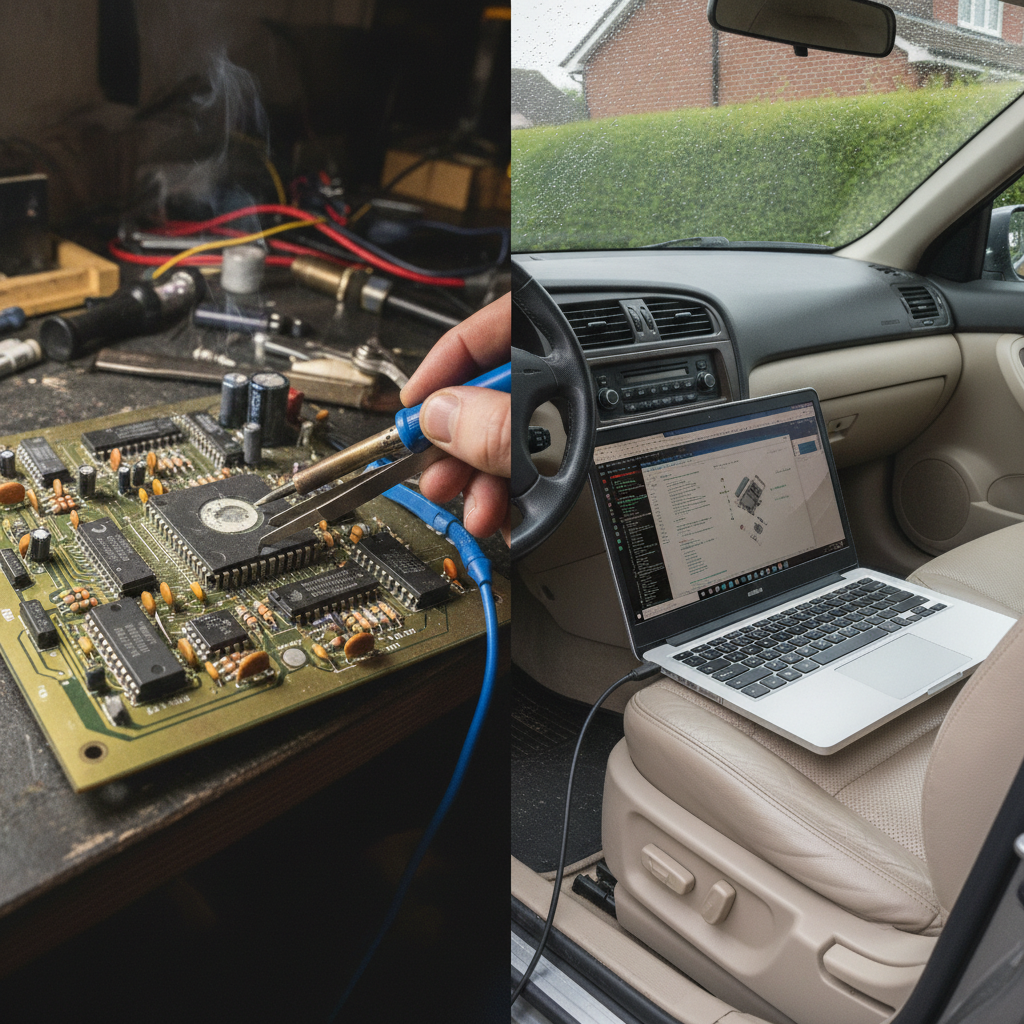
A Stage 1 remap modifies the factory ECU calibration to safely increase performance
without hardware changes.
It adjusts parameters such as:
- Boost pressure
- Fuel delivery
- Torque limiters
- Throttle response
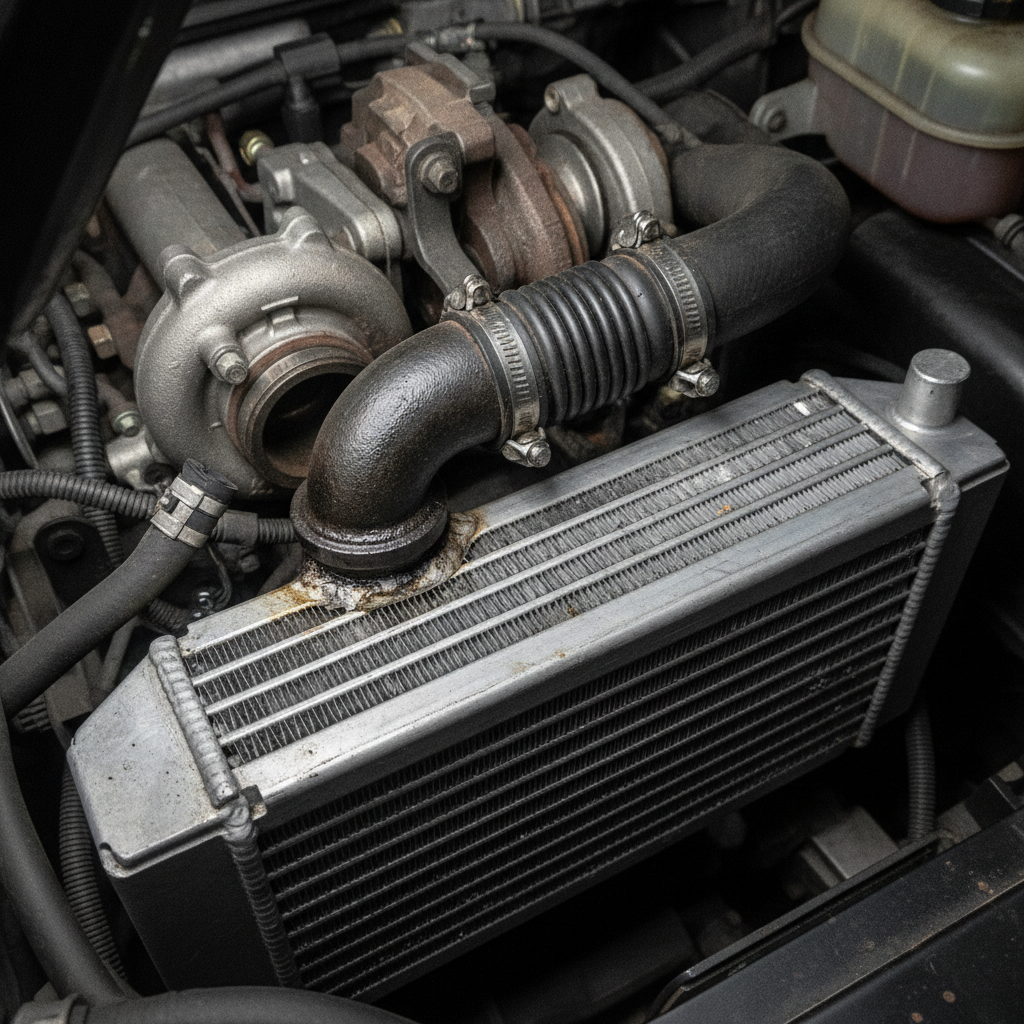
- Turbo control strategies
The aim is simple.
Improve drivability.
Increase torque.
Make the car feel stronger and smoother.
On many modern turbo diesels,
gains of 20–35% torque are common within safe mechanical limits.
What is a manufacturer software update?
A dealer software update is issued by the vehicle manufacturer.
It may be part of:
- A recall campaign
- An emissions update
- A driveability refinement
- A bug fix for known issues
These updates rarely increase power.
In most cases, they maintain factory outputs.
Sometimes they reduce peak torque to protect components.
The goal is compliance and stability,
not performance enhancement.
Stage 1 remap vs software update: direct comparison
| Factor | Stage 1 Remap | Dealer Software Update |
|---|---|---|
| Purpose | Increase performance and drivability | Maintain or adjust factory settings |
| Power output | Usually increased | Typically unchanged |
| Torque delivery | Stronger mid-range torque | Factory torque limits retained |
| Customisation | Tailored to vehicle and condition | Standardised manufacturer file |
| Warranty impact | May affect manufacturer warranty | Fully compliant with dealer records |
Power and torque differences in real terms
This is where most drivers focus.
A manufacturer update keeps the vehicle within its original certified output.
You may not feel any difference at all.
A Stage 1 remap transforms how the car feels.
You will notice:
- Stronger pull in third and fourth gear
- Less need to downshift
- Improved overtaking confidence
- Smoother torque delivery at lower RPM
A 2.0 TDI producing 150 bhp from factory may increase to around 180–190 bhp with a safe Stage 1 calibration.
Torque gains are often more noticeable than peak horsepower.
Safety and long-term reliability
This is where hesitation usually sits.
Is a Stage 1 remap safe?
When written correctly within mechanical tolerances,
it does not push the engine beyond its safe operating limits.
A dealer update prioritises factory durability targets.
A good remap respects those limits while optimising unused headroom.
not from the concept of remapping itself.
Always choose a reputable calibration.
If you want deeper detail on reliability,
see is car remapping safe?
Warranty and dealer considerations
A dealer software update keeps your vehicle fully aligned with manufacturer records.
There are no modification flags.
A Stage 1 remap may:
- Be detected by dealer diagnostic tools
- Impact certain warranty claims
- Need to be declared to insurers
Many drivers choose to remap once outside the main warranty period.
Others accept the trade-off for improved performance.
Which one should you choose?
Choose a dealer software update if:
- Your car is under full manufacturer warranty
- You want to maintain strict factory specification
- The update addresses a known fault
Choose a Stage 1 remap if:
- You want more torque and responsiveness
- Your vehicle is mechanically healthy
- You understand insurance disclosure requirements
- You want improved driveability for towing or daily use
If performance is your goal,
the dealer update will not deliver it.
That is the core difference in the stage 1 remap vs software update debate.
Next steps in Leicester
Thinking about a Stage 1 remap?
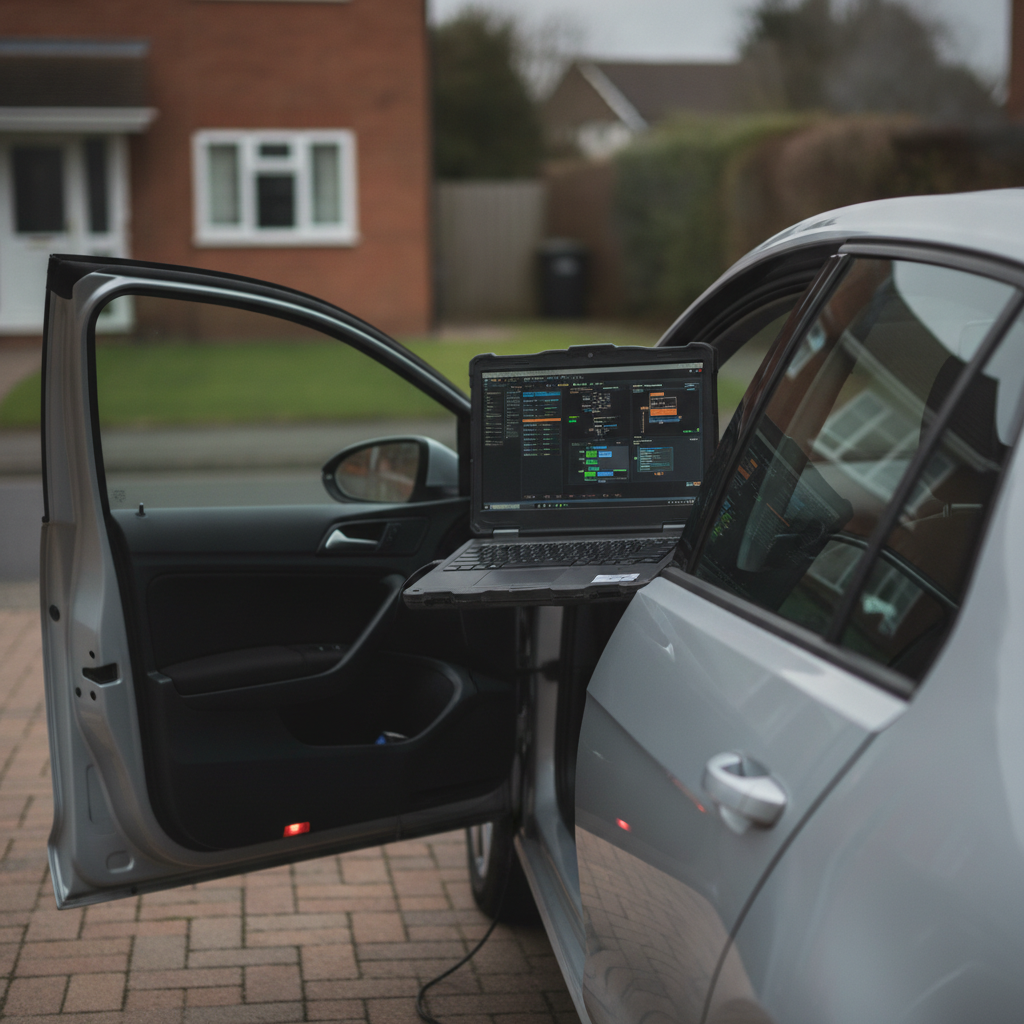
Leicester Remaps provides mobile ECU remapping across Leicester and Leicestershire.
You get a tailored calibration written to suit your vehicle and driving style.
See full details on the Stage 1 remap service page
or check current pricing at
Stage 1 remap cost guide.
Ready to ask questions?
Visit the contact page.
FAQs
Does a dealer update remove a Stage 1 remap?
Yes. If the dealer flashes new software,
it overwrites the existing calibration.
The vehicle returns to factory settings.
Is a Stage 1 remap detectable?
Modern diagnostic systems can detect software changes.
Flash counters and calibration signatures can show modification history.
Will fuel economy improve with a Stage 1 remap?
Many drivers see improved real-world MPG when driving normally,
due to increased torque and reduced throttle input.
Can a software update increase power?
Rarely.
Manufacturer updates aim to correct issues,
not increase output.
Which is safer long term?
Both are safe when applied correctly.
The key is using quality calibration and ensuring the vehicle is mechanically sound before remapping.