Can You Remap a Leased or Financed Car in the UK?
Lots of drivers want the smoother pull and extra torque a Stage 1 remap brings.
The question changes when the car is not fully yours yet.
If you searched “can you remap a leased car”, you probably want a straight answer.
You want to know what your agreement allows, what can go wrong at return time, and how to keep risk low.
This guide covers lease, PCP and HP in plain English.
UK finance
Lease return risk
Decision-stage
Table of contents
- Short answer: can you remap a leased car?
- Lease vs PCP vs HP: why the rules differ
- What your agreement usually says about modifications
- Is a remap detectable at service or return?
- What happens if you return a remapped car?
- How to keep risk low if you still want a remap
- Insurance is separate from finance
- Who should avoid remapping on finance
- Next steps with Leicester Remaps
- FAQs
Short answer: can you remap a leased car?
You can physically remap it.
The bigger issue is permission.
Most lease agreements treat remaps as a modification.
Many require written approval.
Some say you must return the vehicle in factory condition.
That means the practical answer is:
- If your agreement bans modifications, a remap creates risk at return time.
- If your agreement allows it with conditions, you need to meet those conditions.
- If you can return it to stock, you reduce return risk.
One key point
The finance company owns the asset during a lease or many PCP deals.
They care about resale value and compliance.
That is why the agreement matters more than what feels “fine” to do.
Lease vs PCP vs HP: why the rules differ
Lease (personal or business lease)
With a lease, you rent the vehicle for a fixed term.
You return it at the end.
Because you do not own it, the contract often has stricter modification clauses.
PCP (Personal Contract Purchase)
PCP sits in the middle.
You can hand the car back, trade it, or pay the balloon to keep it.
If you plan to hand it back or trade it at a main dealer, modifications can complicate valuation.
HP (Hire Purchase)
HP usually ends with you owning the car once the final payment clears.
While the lender still has an interest during the term, people often treat HP as “my car”.
The agreement can still include modification limits.
The risk tends to be lower than lease if you keep the car.
Quick decision check
If you already know you will return the car, treat remapping as high-risk.
If you know you will keep it long-term, risk drops.
What your agreement usually says about modifications
Agreements vary, but common wording includes:
- No modifications without written consent
- Vehicle must be returned in manufacturer specification
- Any changes that affect value may be charged at return
- Vehicle must follow service schedule and recall work
The word “modification” usually covers software changes.
Even if there is no physical part, it still changes the car’s behaviour.
What you should do before you book
- Find the modifications clause in your finance paperwork
- Check if it mentions ECU tuning, software, or performance changes
- Decide if you plan to keep or return the vehicle
- If you want certainty, ask the finance provider in writing
Is a remap detectable at service or return?
Many drivers think a remap is invisible.
It is not that simple.
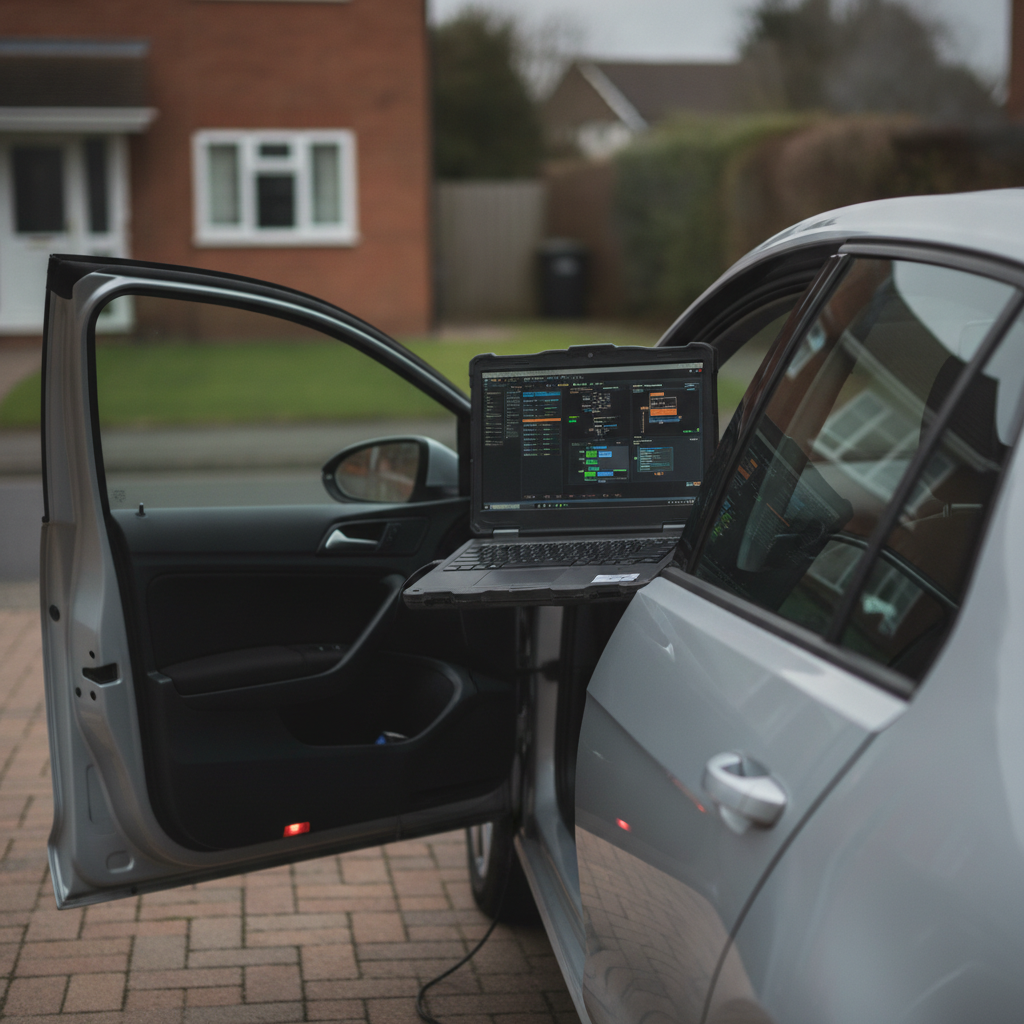
Dealer diagnostic systems can often detect software changes.
They may see:
- Flash counters
- Calibration signatures
- Non-standard ECU data
Some cars never get checked deeply.
Others do, especially if there is a warranty claim, emissions issue, or a software campaign.
Return inspections vary
Some returns are visual only.
Some include diagnostics, especially on newer vehicles.
You should plan as if it could be checked.
What happens if you return a remapped car?
Outcomes depend on the finance company and the route you return through.
Most of the time, the risk is about valuation and compliance.
Potential outcomes
- You get asked to return the car to factory condition
- They note a modification and reduce value
- They charge you for rectification
- They refuse a warranty-related claim during the term if they link it to tuning
None of these are guaranteed.
The point is you cannot control the inspection process.
You can control your preparation.
How to keep risk low if you still want a remap
Some drivers still remap a financed car because they keep it for years.
Others want better driveability for towing or motorway work.
If you decide to proceed, you can reduce risk by being deliberate.
Risk reduction steps
- Choose a sensible Stage 1 calibration, not an aggressive file
- Keep maintenance tight and fix warning lights early
- Plan for the possibility you need to return to stock
- Keep records of any ECU work carried out
Think about your exit plan
If you might return the car, your best option is a route that allows a return to factory software.
If you will keep it, the focus shifts to safe tuning and maintenance.
If you are unsure whether a car is already tuned, this guide helps:
buying a used car already remapped.
Insurance is separate from finance
Even if your finance company never checks, your insurer may still require disclosure.
Finance rules and insurance rules are not the same thing.
If you want the insurance side explained in detail, read:
ECU remapping and insurance in the UK.
Who should avoid remapping on finance
Remapping is not for everyone in a finance agreement.
You should probably avoid it if:
- You know you will return the car at the end of the term
- You cannot accept any chance of valuation disputes
- You rely on a full manufacturer warranty for peace of mind
- You are not willing to declare the remap to your insurer
If performance is still the goal, you can wait until the car is fully yours.
You can also focus on getting the car healthy first.
A strong, fault-free base car always tunes better.
Next steps with Leicester Remaps
Want to talk through your options?
Leicester Remaps offers mobile ECU services across Leicester and Leicestershire.
If you are considering a Stage 1 remap on a financed vehicle, we can talk through:
- Whether Stage 1 makes sense for your use
- How to keep tuning sensible for reliability
- What to consider if you might return the car
Start with the Stage 1 remap page
and reach out via the contact page.
If you are also weighing costs, read the Stage 1 pricing guide linked below.
FAQs
Can I remap a PCP car in the UK?
You can, but the PCP agreement may treat it as a modification.
If you plan to hand the car back or trade it at a main dealer, returning to stock can reduce risk.
Will a dealership know if my leased car is remapped?
Not always, but they can detect software changes on many vehicles during diagnostics.
You should assume it could be found if they look.
Do I need permission from my finance company?
Many agreements require written permission for modifications.
Check your paperwork.
If you want certainty, ask them in writing before you book.
Can I return a leased car to stock before handing it back?
In many cases, yes, if the vehicle can be restored to factory software.
Your agreement may still restrict modifications during the term, so read the clause carefully.
Do I need to tell my insurer if the car is on finance?
Yes. Insurance disclosure rules apply regardless of finance.
A remap counts as a modification for most insurers.