How Much BHP Does a Stage 1 Remap Add?
If you are thinking about a Stage 1 remap, this is usually the first question you want answered. How much extra bhp will you actually get, and will you feel the difference on the road? The simple answer is that a good Stage 1 remap can add noticeable power and torque on many turbo petrol and turbo diesel vehicles, but the final result depends on the engine, the ECU, the fuel, and the health of the car.
BHP gains
Torque gains
Mobile remapping
Quick answer
Most drivers should think of Stage 1 gains as a realistic increase in usable performance rather than one big headline number. On many turbo diesel cars, gains of around 20 to 40 bhp are common. On turbo petrol cars, the gain can be smaller or much bigger depending on the platform. The key change is often not just peak bhp. It is the stronger mid-range pull, sharper throttle response, and smoother delivery that make the car feel easier and quicker to drive.
That lines up with the live Leicester Remaps service pages, which focus on stronger torque, better throttle response, smoother power delivery, and vehicle-specific results rather than one flat promise for every car. :contentReference[oaicite:1]{index=1}
What Stage 1 really means
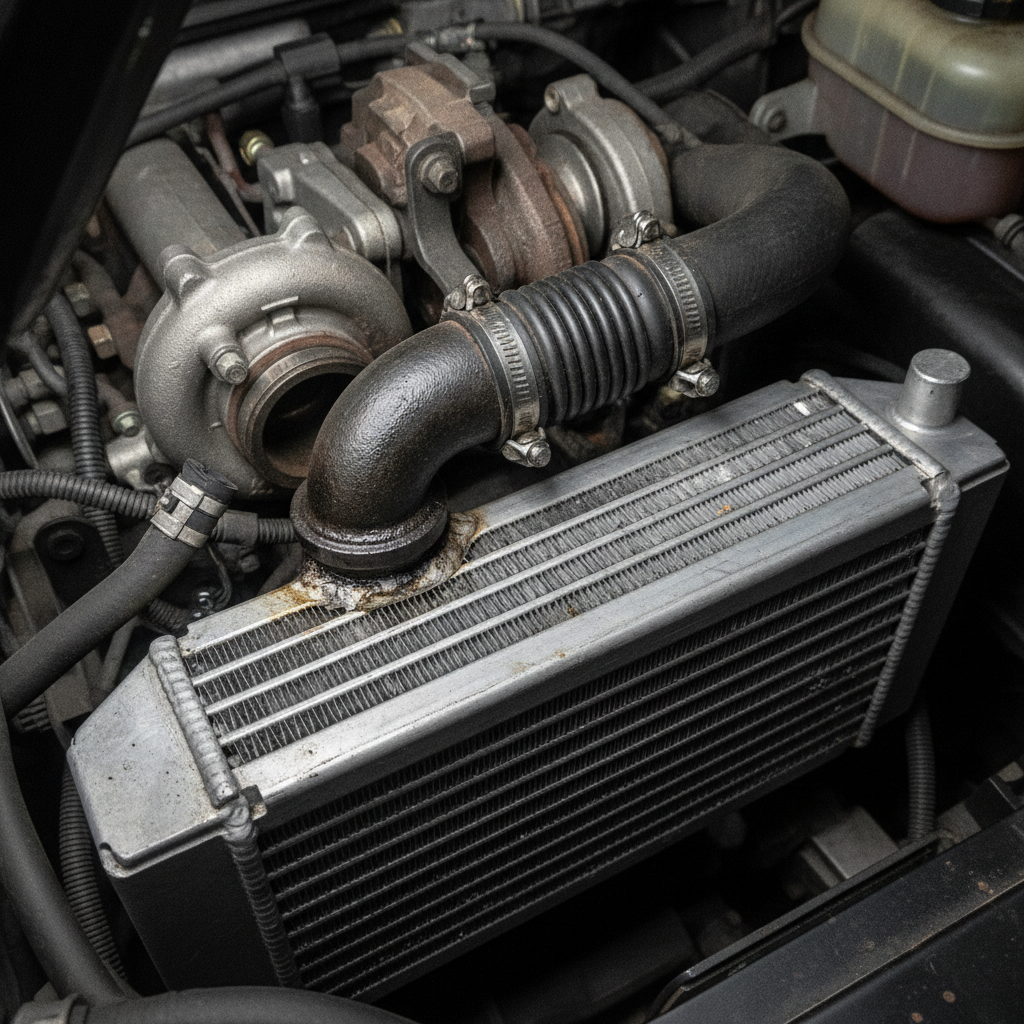
A Stage 1 remap is a software-only calibration. In plain English, that means the tune is written for a standard vehicle without asking you to fit supporting hardware first. No bigger turbo. No exhaust swap. No intercooler change. No intake upgrades as a requirement.
The aim is to make better use of what the engine and ECU already have. On a healthy turbocharged car or van, there is often safe performance left in reserve from the factory setup. A Stage 1 remap adjusts areas like boost control, fuelling, torque request, and throttle mapping to unlock stronger real-world performance.
This is why Stage 1 is such a popular first step. It is aimed at everyday drivability. You are not usually chasing a track build. You are looking for a car that feels less flat, pulls harder through the middle of the rev range, and responds better when you put your foot down.
Typical bhp gains you can expect
There is no honest one-size-fits-all number, and that matters. Two cars with the same badge can produce different results depending on engine code, gearbox, fuel quality, ECU version, and mechanical condition.
Still, there are some realistic patterns.
| Vehicle type | Typical Stage 1 gain | What drivers usually notice |
|---|---|---|
| Turbo diesel hatchback or saloon | Often around 20 to 40 bhp | Stronger pull, easier overtakes, smoother motorway driving |
| Turbo diesel van or tow vehicle | Often around 20 to 40 bhp, with a big torque lift | Better load carrying feel, less effort under load, improved flexibility |
| Turbo petrol performance model | Can vary from modest to very strong gains | Sharper response, stronger acceleration, more urgency through the revs |
| Naturally aspirated petrol | Usually much smaller gains | Less dramatic difference, often more about response than headline power |
Leicester Remaps already shows this variation on the live site. The Stage 1 page refers to typical gains of 20 to 40 percent on turbo diesels, while the remapping-near-me page shows example cars with very different outcomes. A BMW 320d example moves from around 190 bhp to 220 bhp. A Skoda Octavia vRS 2.0 TSI example moves from around 245 bhp to 290 bhp. That tells you something important straight away. The engine platform matters. :contentReference[oaicite:2]{index=2}
Why gains vary from one car to another
If you only remember one thing, make it this. Stage 1 is vehicle specific.
Here are the main reasons one car picks up more bhp than another.
1. Engine type
A turbocharged engine has more headroom than a naturally aspirated one. That is why most of the strongest Stage 1 results come from turbo diesels and turbo petrols.
2. Factory tune level
Some cars leave the factory in a heavily restricted state because the same engine is sold in several power outputs. In those cases, the jump can be strong. Other cars are already tuned closer to their practical limit from standard, so the gain is smaller.
3. ECU platform and tuning method
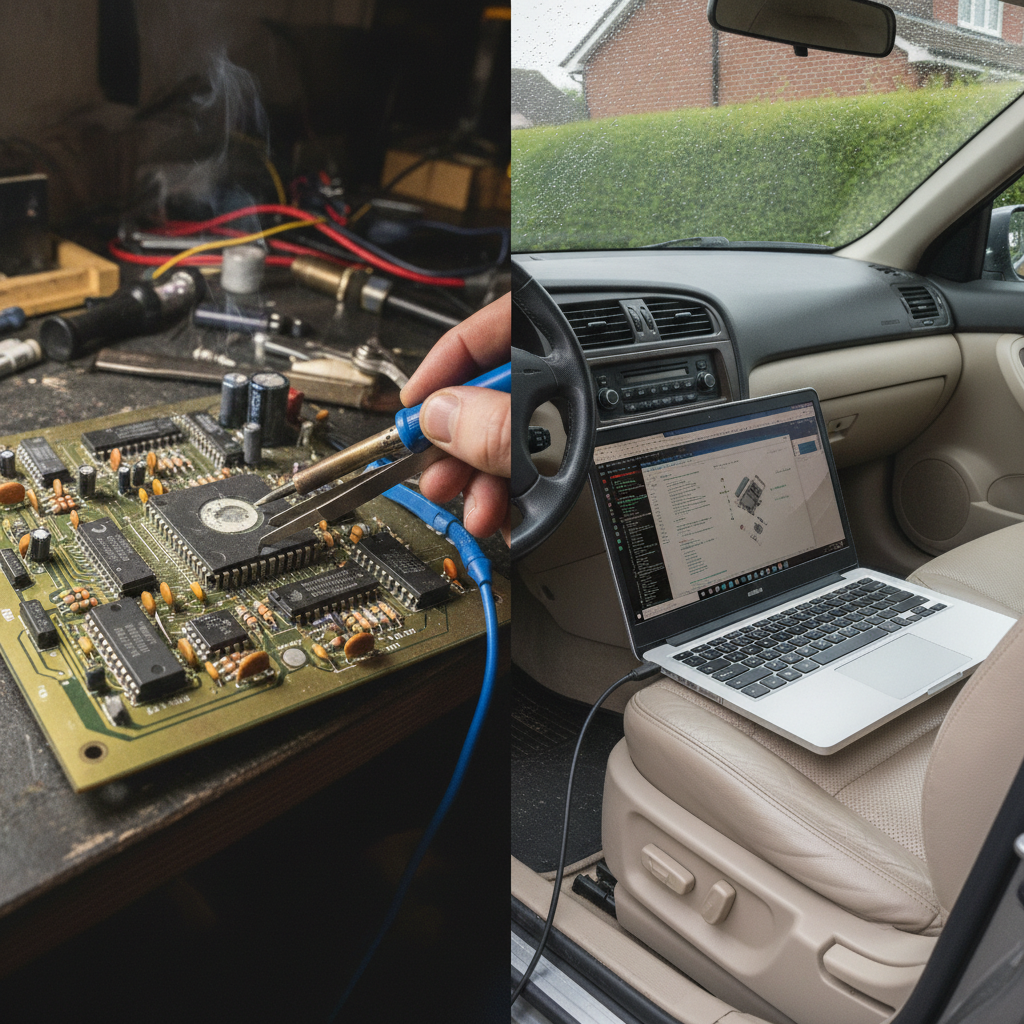
Not every ECU responds in the same way. Some are straightforward. Some need bench access or extra time. Some allow better calibration freedom than others. That is one reason Leicester Remaps quotes by vehicle rather than promising one fixed answer for everyone. :contentReference[oaicite:3]{index=3}
4. Fuel quality
On turbo petrol cars, fuel quality can affect the final calibration and how consistently the engine delivers the result. A car mapped for better fuel can often hold stronger performance more reliably.
5. Vehicle health
A tired turbo, boost leak, weak injector, clogged intake, or existing fault code can stop a car from delivering the result it should. A remap cannot fix a mechanical issue. It will only ever work properly on a healthy platform.
Why torque often matters more than bhp
A lot of drivers search for bhp because it is the easiest number to picture. There is nothing wrong with that. It is a useful benchmark. Still, on the road, torque is often what you actually feel first.
That is why many Stage 1 customers talk about the car feeling more alive rather than just saying it has gained a number. The engine needs less effort to get moving. It pulls more cleanly from lower revs. Overtakes feel shorter. Hills need fewer gear changes. Towing feels less laboured.
Leicester Remaps leans into that on the live Stage 1 page. The message is not only about peak output. It is about stronger mid-range pull, better overtaking, smoother delivery, and easier daily driving. That is the right way to judge a Stage 1 remap in the real world. :contentReference[oaicite:4]{index=4}
What the gains feel like in daily driving
For most people, the result shows up in five places.
- Less hesitation when pulling away
- Stronger acceleration through the middle of the rev range
- Cleaner overtakes without needing to push the car as hard
- Better flexibility when carrying passengers, tools, or towing
- A car that feels smoother and more settled in normal use
This is also why some drivers say the remap feels bigger than the raw bhp number suggests. A gain of 25 bhp spread through the usable part of the power band can make a bigger difference than people expect. It is not just about top-end bragging rights. It is about how often you feel the improvement.
If your goal is a car that feels sharper every day rather than a dyno-sheet conversation piece, Stage 1 is usually the right place to start.
Is your car suitable for a Stage 1 remap?
Many are. Not all are worth doing.
A healthy turbocharged vehicle is usually the best candidate. That includes plenty of diesel cars, diesel vans, petrol hot hatches, turbo petrol saloons, and daily drivers that feel slightly held back from factory.
Leicester Remaps already states that turbocharged petrol and diesel vehicles are usually suitable for a safe and effective Stage 1 remap, and the site lists examples across BMW, Ford, VAG, Mercedes, Peugeot, Citroën, and others. :contentReference[oaicite:5]{index=5}
Your car may be less suitable if:
- It already has active engine faults
- It has boost leaks, smoke issues, or poor injector performance
- It is heavily worn and overdue maintenance
- It is naturally aspirated and you are expecting turbo-style gains
- You want much bigger power than a software-only tune can sensibly deliver
That last point matters. If you want a bigger jump and your vehicle has the right supporting mods, that is where Stage 2 becomes the more suitable conversation, not Stage 1.
Why some cars do not deliver the headline gain
This is the part that often gets missed in sales-heavy content.
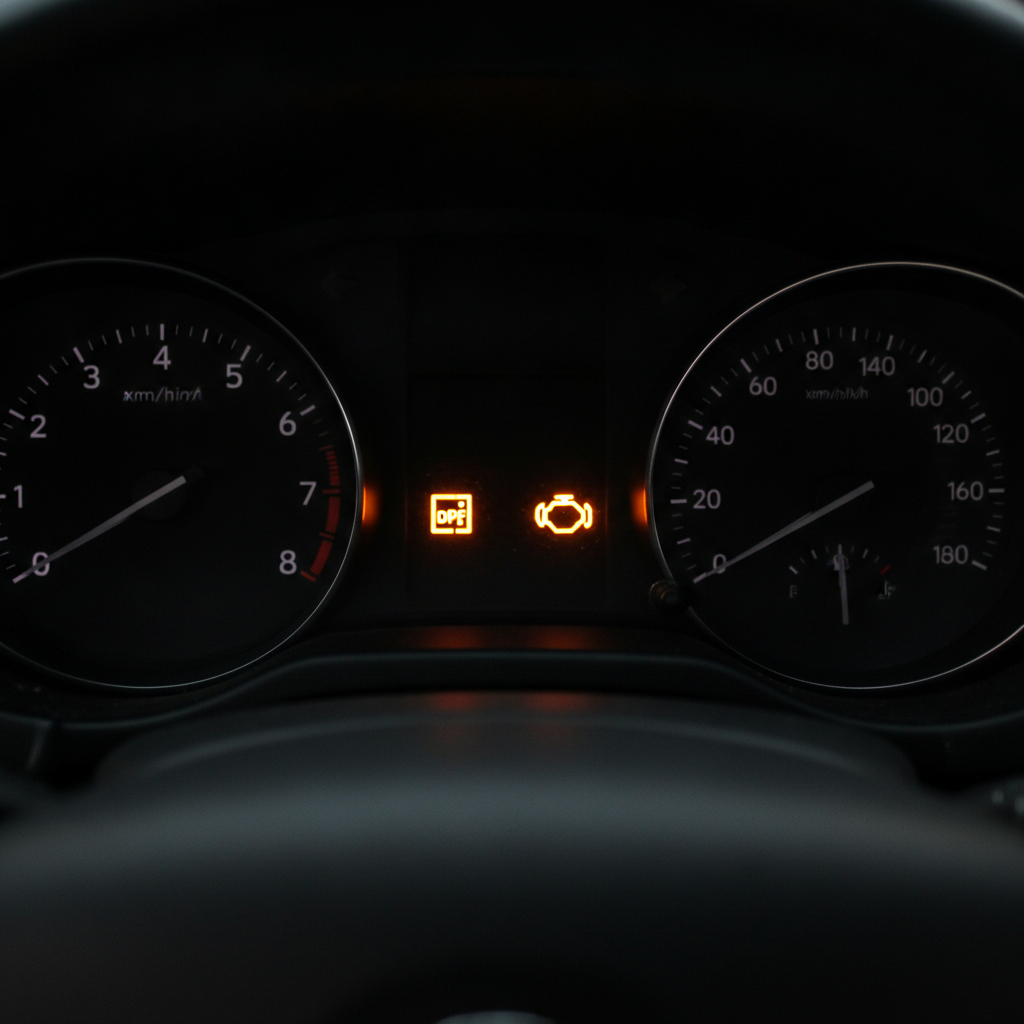
Some cars do not hit the top-end estimate because the estimate assumes a healthy vehicle, the right fuel, and a platform that responds well. If your engine has been lazy for months, a remap will not magically hide that. If your DPF is restricted, if boost control is unstable, or if the engine is already protecting itself, the result may be lower than expected.
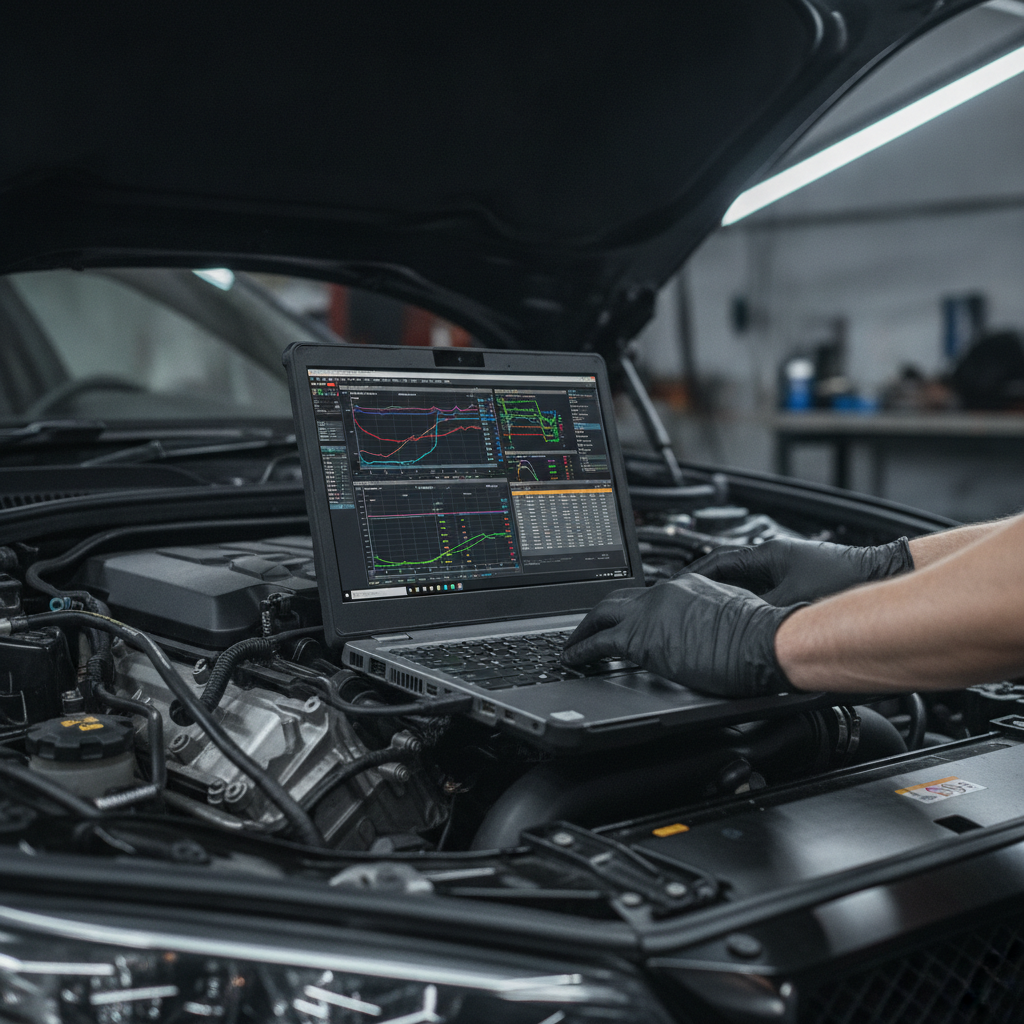
That is one reason Leicester Remaps places so much emphasis on diagnostics, original file backup, and vehicle-specific calibration instead of generic files. It is a safer way to approach tuning and a more honest one. :contentReference[oaicite:6]{index=6}
Be careful with fixed gain promises that ignore vehicle condition. A proper Stage 1 remap should be based on what your car can safely deliver, not what sounds best in a headline.
The safe way to chase more power
If you want extra bhp without drama, the process matters as much as the file.
- Confirm the vehicle is a good Stage 1 candidate
- Check for faults or health issues first
- Use proper tools and a vehicle-specific calibration
- Keep the gains realistic for the platform
- Judge the result by the drive, not just the number
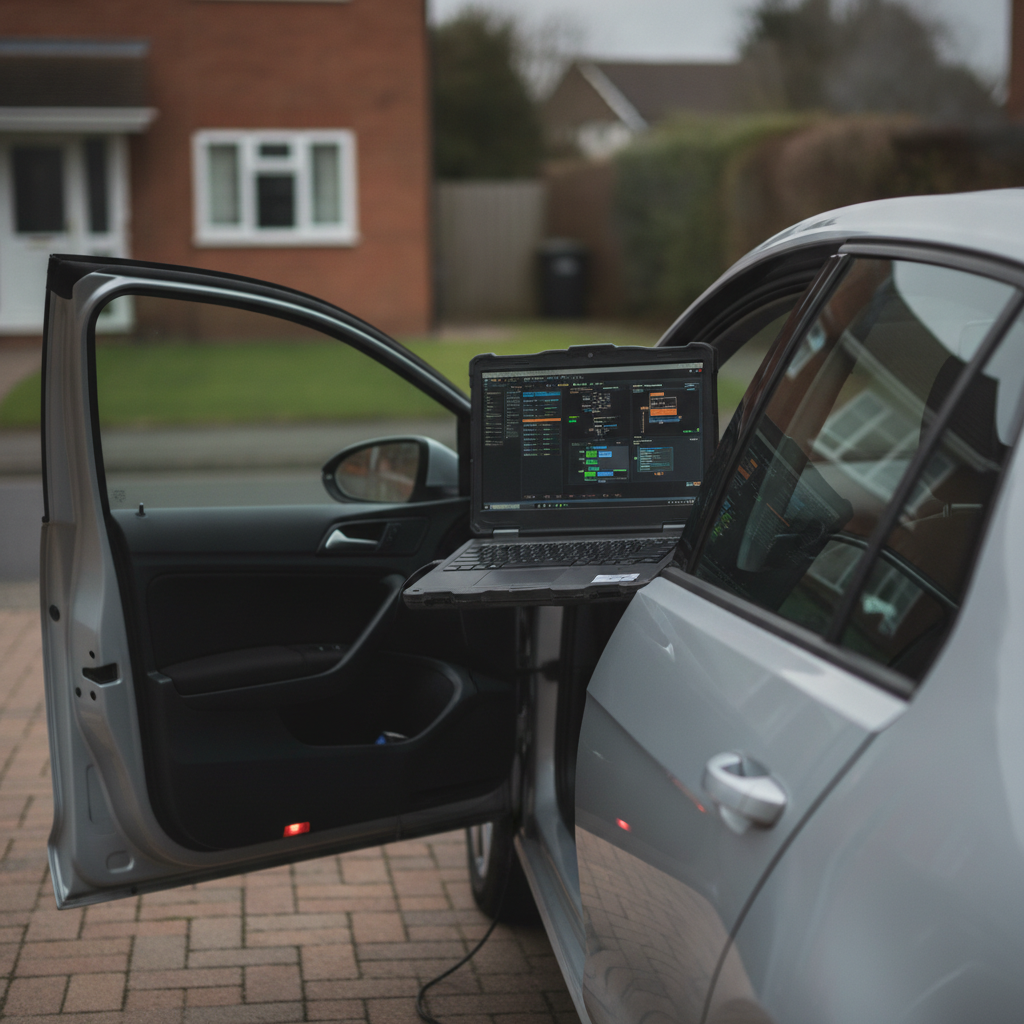
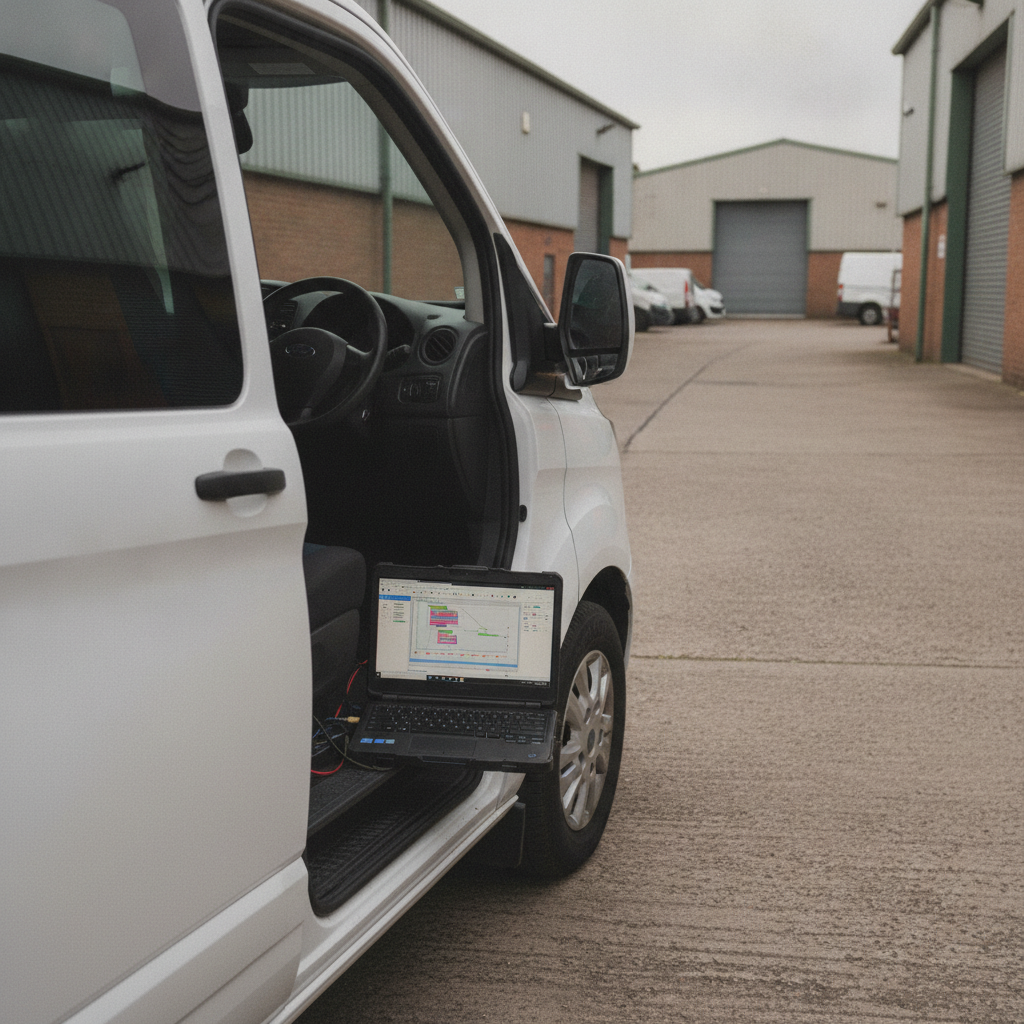
That approach fits the live Leicester Remaps positioning well. The business is built around mobile tuning at your home or workplace, professional tools, custom-written files, diagnostics before and after, and original ECU backup. The point is to make the car better to drive, not to chase risky figures. :contentReference[oaicite:7]{index=7}
When to book a Stage 1 remap
You are usually in the right place for Stage 1 if your car feels flat, you want better response for daily driving, or you want more usable performance without moving into hardware upgrades.
You are also in the right place if you want a clearer answer on your own vehicle rather than relying on generic bhp claims online. A quote based on your exact make, model, engine, and ECU will always be more useful than a broad estimate.
For Leicester and the surrounding service area, that means you can use the mobile route and have the work carried out at home or at work, which suits a lot of daily drivers and van owners better than workshop drop-off. :contentReference[oaicite:8]{index=8}
Want to know the real Stage 1 gain for your car?
If you want a realistic answer based on your exact vehicle, Leicester Remaps can confirm whether your car is suitable, what kind of bhp and torque increase you can expect, and whether Stage 1 is the right fit for how you use it.
Final thought
A Stage 1 remap is rarely about one magic number. Yes, the bhp gain matters. Still, the real value is how the car drives after the tune. On the right vehicle, a safe Stage 1 remap can make the engine feel sharper, stronger, and easier to live with every day. That is why it remains one of the most popular upgrades for drivers who want more from the car they already own.
FAQs
How much bhp can a Stage 1 remap add to a diesel?
On many turbo diesel vehicles, a Stage 1 remap can add around 20 to 40 bhp, though the exact result depends on the engine, ECU, and condition of the vehicle.
Do petrol cars gain less from a Stage 1 remap?
Not always. Some turbo petrol engines respond very well. Others gain less than a strong diesel. It depends on how restricted the factory calibration is and how much safe headroom the engine has.
Will I feel a 20 bhp gain?
In many cases, yes. A well-delivered 20 bhp gain with a healthy torque increase can make a clear difference in throttle response, mid-range pull, and overtaking feel.
Is the biggest change bhp or torque?
For daily driving, many people notice the torque increase first. The car often feels more flexible and responsive even before you think about the peak bhp number.
Can any car have a Stage 1 remap?
No. Turbocharged petrol and diesel vehicles are usually the best candidates. Naturally aspirated cars tend to see smaller gains, and cars with existing mechanical issues should be checked before any remap is considered.
Related reading: Tuning Box vs ECU Remap: What’s the Real Difference?.