Van Speed Limiter Removal: What It Costs and What to Expect
Bought a former fleet van only to discover it will not go above 60mph on the motorway? A software speed limiter is almost certainly the reason — and in most cases, it can be removed. This guide explains what type of limiter your van has, whether removal is legal, what the process involves, and what it typically costs.
Fleet Vehicles
ECU Reprogramming
Mobile Service
Most light commercial vans under 3.5 tonnes do not have a statutory speed limiter — which means any speed limit fitted to them is a fleet-configured software restriction, not a legal requirement. These can be legally removed via ECU reprogramming. The process takes around 30 to 60 minutes and can be done at your home or workplace. Cost varies depending on the vehicle and access method — contact us with your van’s details for a specific quote.
What a Van Speed Limiter Is and Why Fleet Vehicles Have Them
A speed limiter prevents a vehicle from exceeding a set maximum speed. On a van, this is usually a software-level restriction programmed into the ECU — the engine control unit that manages how the vehicle’s engine behaves. When the van reaches the programmed limit, the ECU cuts power delivery to prevent the vehicle from going faster, regardless of how far the accelerator is pressed.
Fleet operators — delivery companies, utilities providers, tradespeople managing multiple vehicles — routinely install these restrictions across their vans for several practical reasons:
- Insurance costs. Some fleet insurance policies offer lower premiums for vehicles that cannot exceed a set speed. A software limiter is an easy way to demonstrate that restriction.
- Fuel economy. Vehicles driven at lower speeds use less fuel. Across a fleet of vans covering high annual mileages, the saving is significant.
- Company liability. If an employee is involved in an accident while speeding, the employer can face legal consequences. Limiters reduce that risk.
- Fleet policy compliance. Some operators simply require all vehicles to be capped as a matter of internal policy, regardless of vehicle type or legal obligation.
When those fleet vans are sold at auction or through trade, they often go to private buyers or sole traders who have no interest in maintaining restrictions that were put in place for a previous employer’s purposes. The limiter stays in the ECU, and the new owner only discovers it once they try to pull out on a motorway.
The Legal Distinction That Determines Whether Removal Is Allowed
This is the most important thing to understand before making any decisions — and it is where a lot of conflicting information online causes unnecessary confusion.
In the UK, legislation requires goods vehicles over 3.5 tonnes gross vehicle weight to be fitted with calibrated speed limiters. These are statutory limiters — legally mandated, officially sealed, and tested as part of the vehicle type approval process. Removing or tampering with a statutory limiter on a vehicle in this weight class is illegal.
Most light commercial vans — the kinds commonly used by tradespeople, small businesses, and individuals — fall under the 3.5-tonne threshold. Vehicles in this category are not legally required to have a speed limiter at all. Any speed limiter found on these vehicles is not a statutory device — it is a software configuration applied by the previous fleet operator for their own operational reasons.
The key check is your van’s gross vehicle weight (GVW), which is shown on the VIN plate, typically found on the driver’s door jamb or inside the engine bay. If it reads 3,500kg or below, your van does not have a statutory speed limiter requirement and any limiter present is software-configured by a previous owner or operator.
If you are in any doubt about your van’s weight classification or the type of limiter fitted, confirm before proceeding. A reputable specialist will check this before undertaking any work. Leicester Remaps will not remove speed limiters on vehicles where removal is prohibited by law.
Which Vans Are Most Commonly Affected
Fleet speed limiters turn up across a wide range of popular light commercial vehicles. The vans most commonly brought in for limiter removal tend to be former utility, delivery, or multi-drop vehicles that have been sold on from fleet use.
| Van | Typical GVW (light variants) | Fleet limiter common? |
|---|---|---|
| Ford Transit Custom | Under 3.5 tonnes | Very common — widely used in utility fleets |
| Volkswagen Transporter (T5 / T6) | Under 3.5 tonnes | Common — popular with corporate fleets and local authorities |
| Renault Trafic | Under 3.5 tonnes | Common — frequently restricted in multi-drop and delivery use |
| Vauxhall Vivaro / Movano (smaller variants) | Under 3.5 tonnes | Common — often supplied to large fleet operators restricted from factory |
| Mercedes Sprinter (smaller variants) | Under 3.5 tonnes | Common — extensively used in courier and utility roles |
| Ford Transit (standard payload variants) | Under 3.5 tonnes | Very common — one of the most widely fleet-limited vans in the UK |
GVW figures shown are indicative for standard payload configurations. Larger or high-payload variants of the same model may exceed 3.5 tonnes. Always check your VIN plate.
If your van is not listed above, that does not mean it cannot be helped. The same software-based restriction turns up across many other makes and models. The starting point is always a conversation about your specific vehicle before any work is confirmed.
What Van Speed Limiter Removal Typically Costs
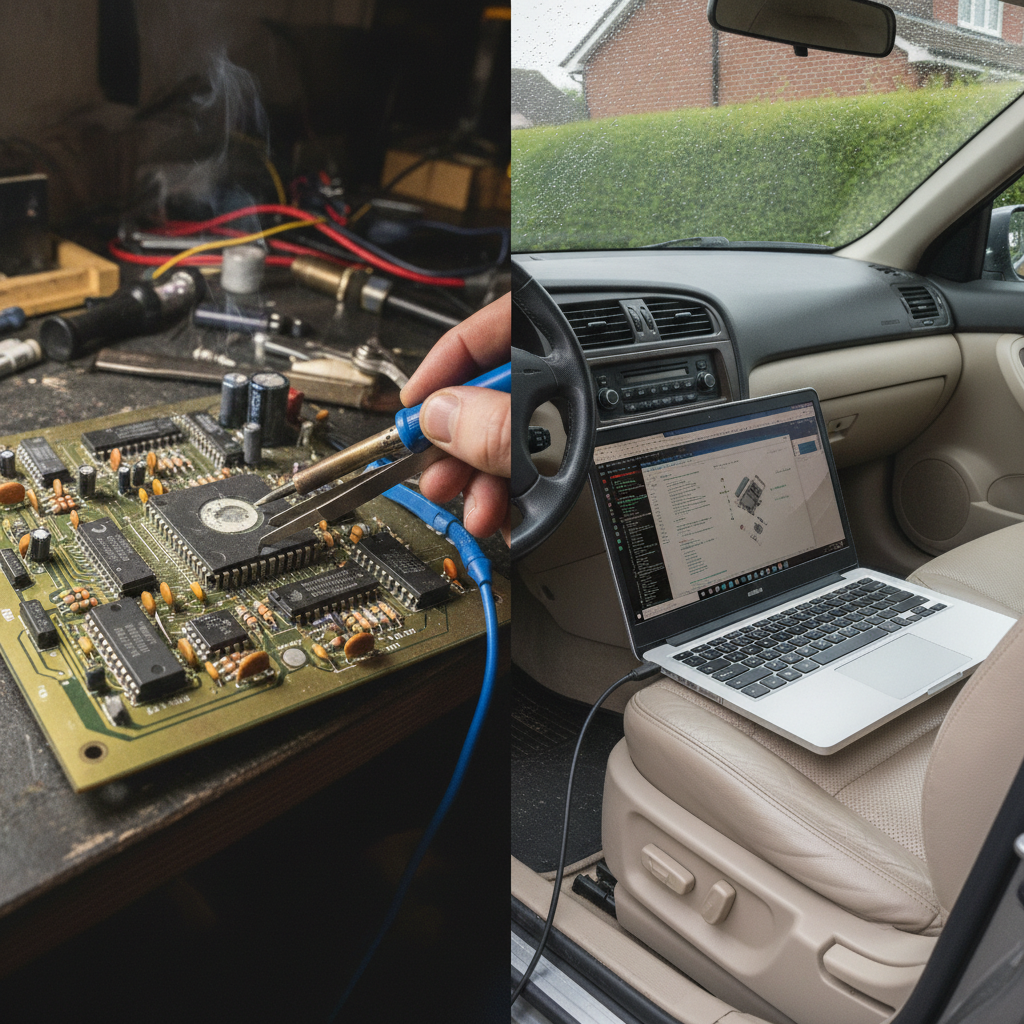
Cost varies depending on several factors: the make and model of the van, the ECU type, and the access method required to read and write to the vehicle’s software. Some vehicles allow the work to be done via the OBD port with no further preparation. Others require a different approach depending on how the limiter was implemented.
Across the market, van speed limiter removal typically sits in a price range that reflects the complexity of the access required for the specific vehicle. It is generally a straightforward, single-visit job — not an ongoing cost — and most work is completed within an hour at your location.
Leicester Remaps prices are quoted on a vehicle-by-vehicle basis. Provide your van’s make, model, year, and engine, and we can give you a clear figure before any booking is made. There are no hidden costs and no obligation to proceed.
One point worth raising: some traders advertise suspiciously low figures for speed limiter removal. The concern with very low-cost providers is whether the work is being done properly — with a genuine ECU read and a calibrated software change — or whether the limiter is being bypassed in a way that leaves other fault codes stored or creates issues with the vehicle’s wider management system. A proper removal clears the restriction cleanly and leaves no stored codes or error states.
What the Van Speed Limiter Removal Process Involves
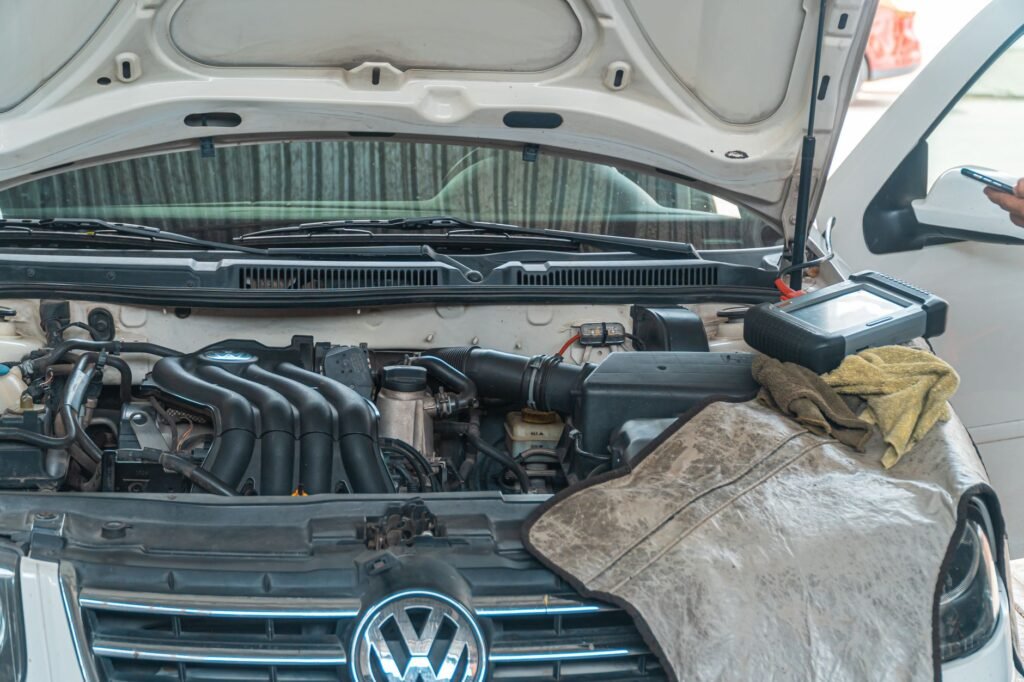
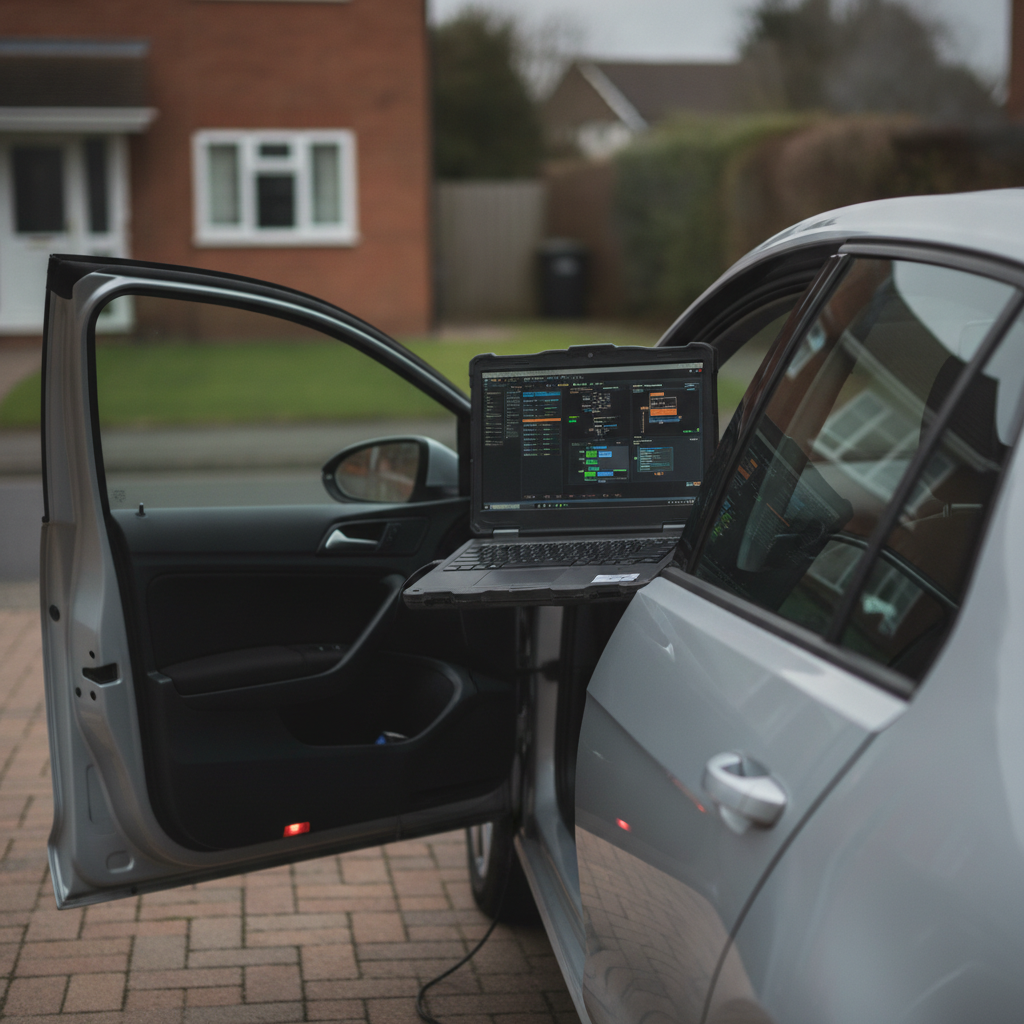
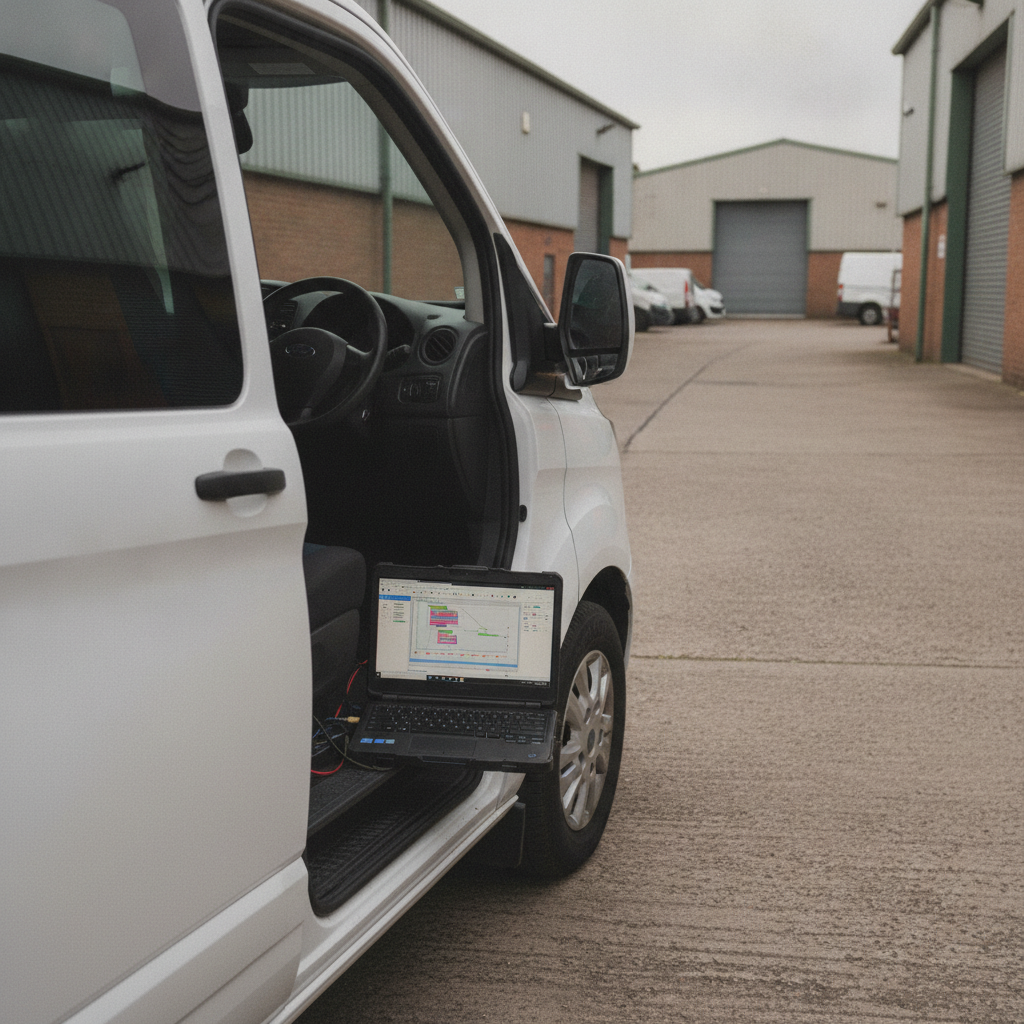
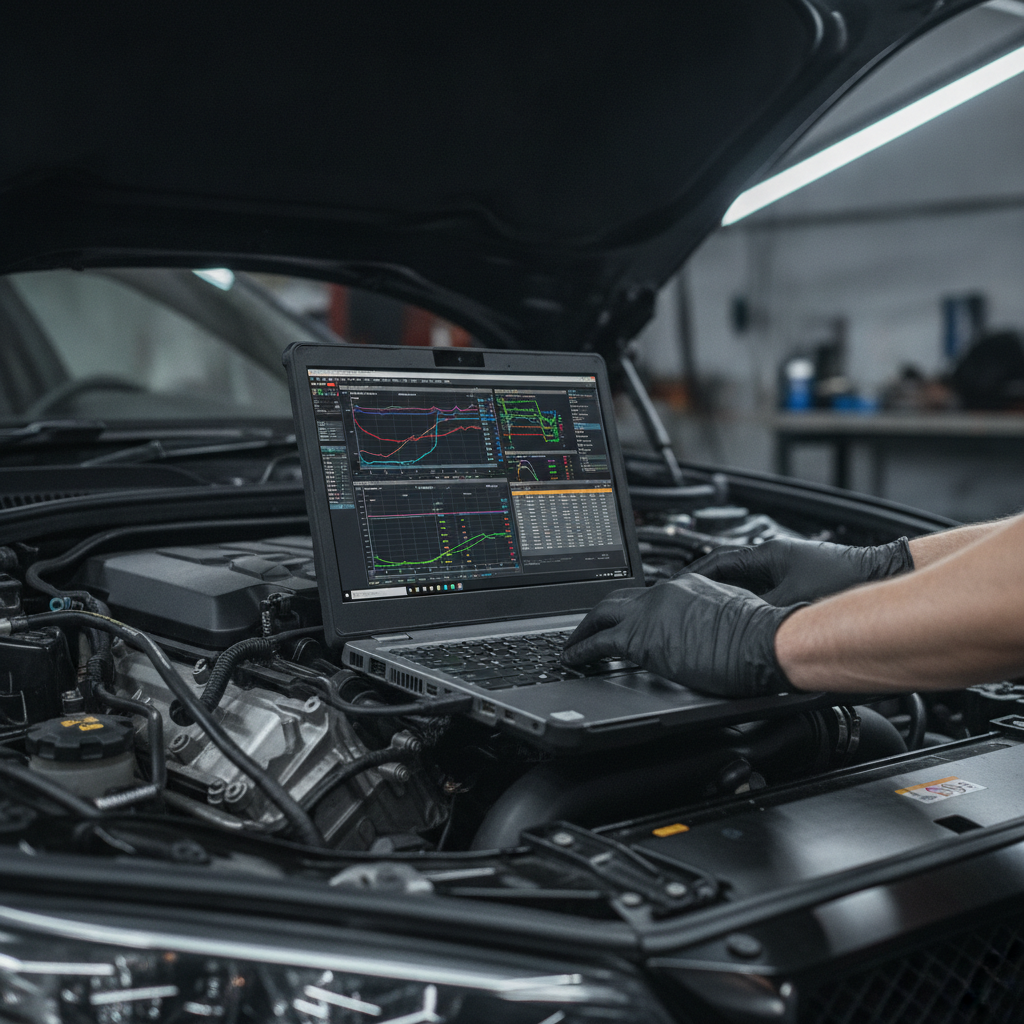
Leicester Remaps operates as a fully mobile service. There is no need to take the van to a workshop or arrange a collection. The work is carried out at your home or workplace using professional diagnostic and programming tools.
-
Vehicle check and confirmation. Before anything else, the van’s GVW is confirmed and the ECU is scanned. This identifies the exact type of limiter in place and confirms that removal is appropriate and lawful for that vehicle.
-
Original file backup. The current ECU file is read and saved before any changes are made. This preserves the van’s original configuration and ensures the process is reversible if required.
-
Speed limiter removal. The speed restriction is removed via a calibrated software change to the ECU. This is not a crude bypass — the ECU file is edited properly so the van behaves as it was designed to without the fleet restriction in place.
-
Post-removal confirmation. The ECU is scanned again after the work is done to confirm no fault codes have been introduced and the system is operating cleanly. The van is ready to drive immediately.
The entire process typically takes between 30 and 60 minutes depending on the vehicle. There is no waiting around and no need to leave the van with anyone. If you also want to discuss mobile ECU remapping for performance or economy improvements at the same visit, that can be assessed at the same time.
MOT and Insurance — What You Need to Know
MOT
Removing a fleet-configured software speed limiter does not cause an MOT failure. The MOT test does not check for the presence of a fleet-added speed restriction. There are no emissions implications and no mechanical changes — the work is purely software-based. As long as the van is otherwise roadworthy and all emissions systems are intact, the MOT is unaffected.
Insurance
This is where you need to take care. Any change to a vehicle that affects its operating characteristics should be declared to your insurer. Removing a speed limiter technically changes the maximum speed the van can reach, which is a modification in the eyes of most insurers. Failing to declare it does not necessarily mean your premium will increase — many insurers take a straightforward view of software-only changes on light commercial vehicles — but not declaring it creates a risk of a policy being voided if a claim is made and the modification is discovered during investigation.
The practical step is to contact your insurer before proceeding, let them know what you are planning, and get confirmation that your cover remains in place. Keep a note of the conversation and the person you spoke to. It takes ten minutes and removes any doubt.
Van Speed Limiter Removal — Mobile, Professional, Fully Backed Up
Tell us your van’s make, model, year, and engine and we will confirm whether we can help and what it costs. No obligation, no hidden fees.
Frequently Asked Questions
How do I know if my van has a fleet speed limiter or a statutory one?
Check the VIN plate on your van — typically on the driver’s door jamb or inside the engine bay. It shows the gross vehicle weight (GVW). If the GVW is 3,500kg or below, your van does not have a statutory speed limiter requirement, and any speed restriction fitted is fleet-configured software that can legally be removed.
If the GVW is above 3,500kg, the position is more complicated. Larger commercial vehicles in this weight class are legally required to have calibrated speed limiters and these cannot be removed. If you are unsure, we can check before any work is confirmed.
Will removing the speed limiter affect my van’s warranty?
Most former fleet vehicles being sold on are out of manufacturer warranty by the time a second owner buys them. If your van is still within a manufacturer or extended warranty period, making any software changes could affect the warranty position — the terms vary by manufacturer. Check your warranty documentation or contact the issuing party before proceeding if this is a concern.
Can the speed limiter be put back if needed?
Yes. The original ECU file is backed up before any work begins, so the van can be returned to its previous configuration if required. This is useful if you later sell the van to a fleet operator who needs the restriction reinstated, or if you have any other reason to restore the original settings.
My van also feels sluggish — can remapping help with that at the same visit?
Often, yes. Many former fleet vans have been driven conservatively and serviced on a schedule that prioritises economy over performance. If your van is in good mechanical health, a mobile ECU remap can improve throttle response, low-end torque, and in some cases fuel efficiency alongside the speed limiter removal. This is worth discussing when you make contact, as we can assess both at the same visit.
How long does van speed limiter removal take?
Most jobs are completed in 30 to 60 minutes. The time varies slightly depending on the make and model of the van and the access method required for the ECU. It is a single-visit job in almost all cases. You do not need to leave the van anywhere — the work is done at your location.