What Do You Need for a Stage 2 Remap?
Stage 2 remapping offers a step up in performance — but it only works properly if your car is already prepared for it. This guide covers the hardware requirements, how to check if your vehicle is ready, and what the process involves before you book.
Hardware Requirements
ECU Tuning
Performance Remapping
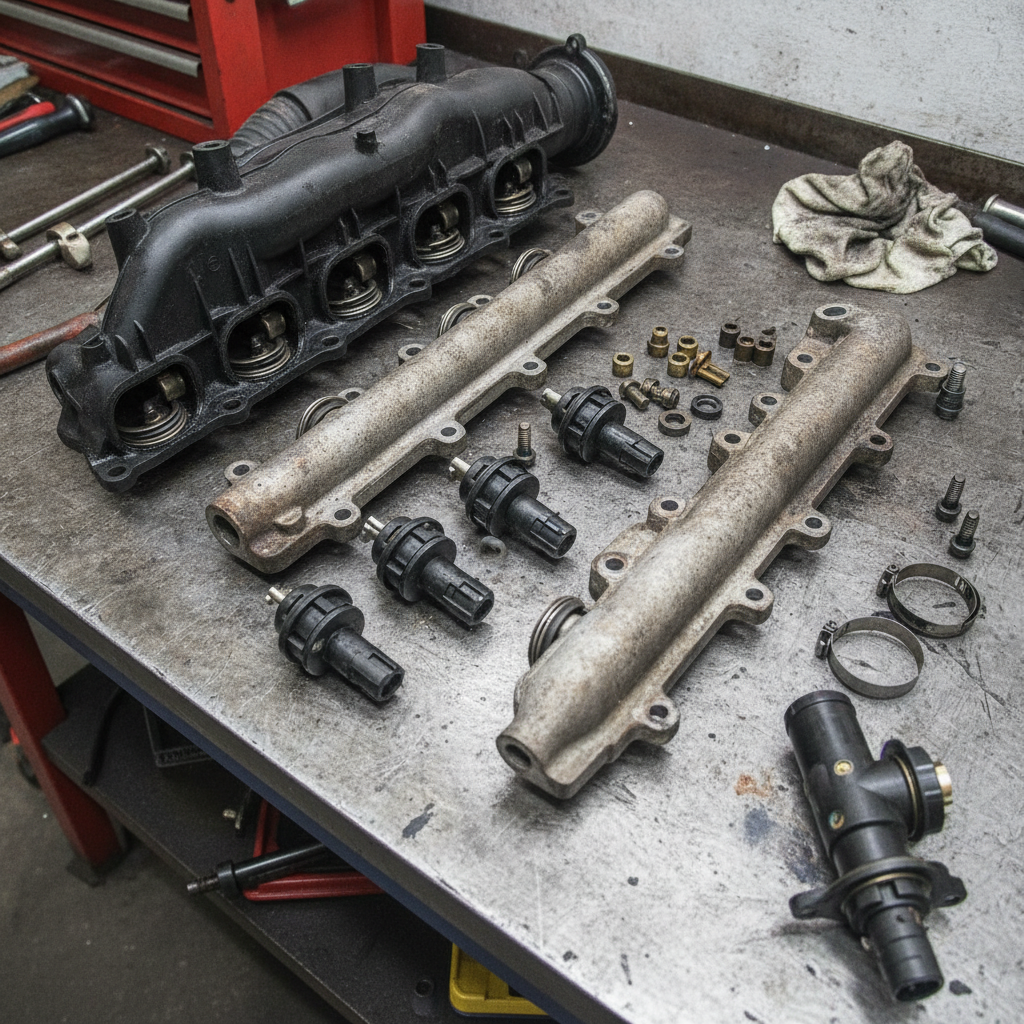
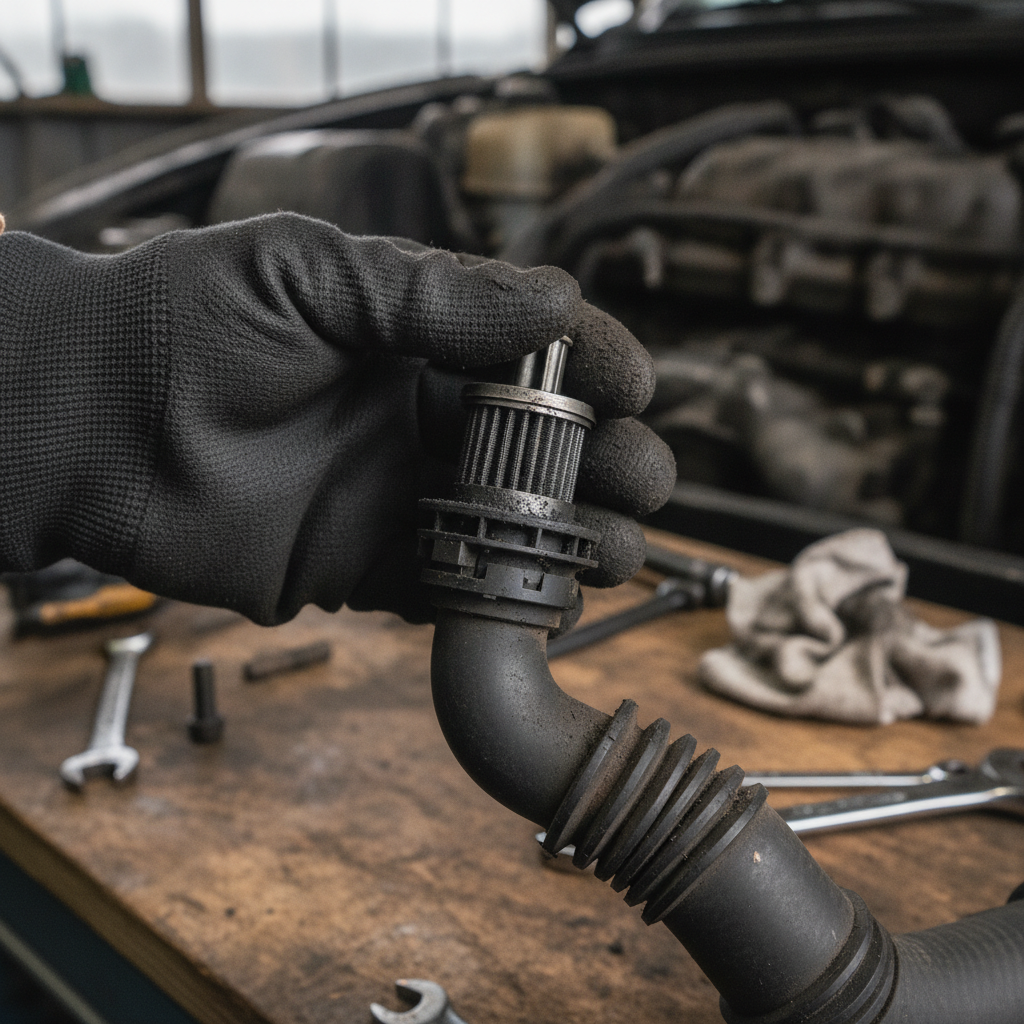
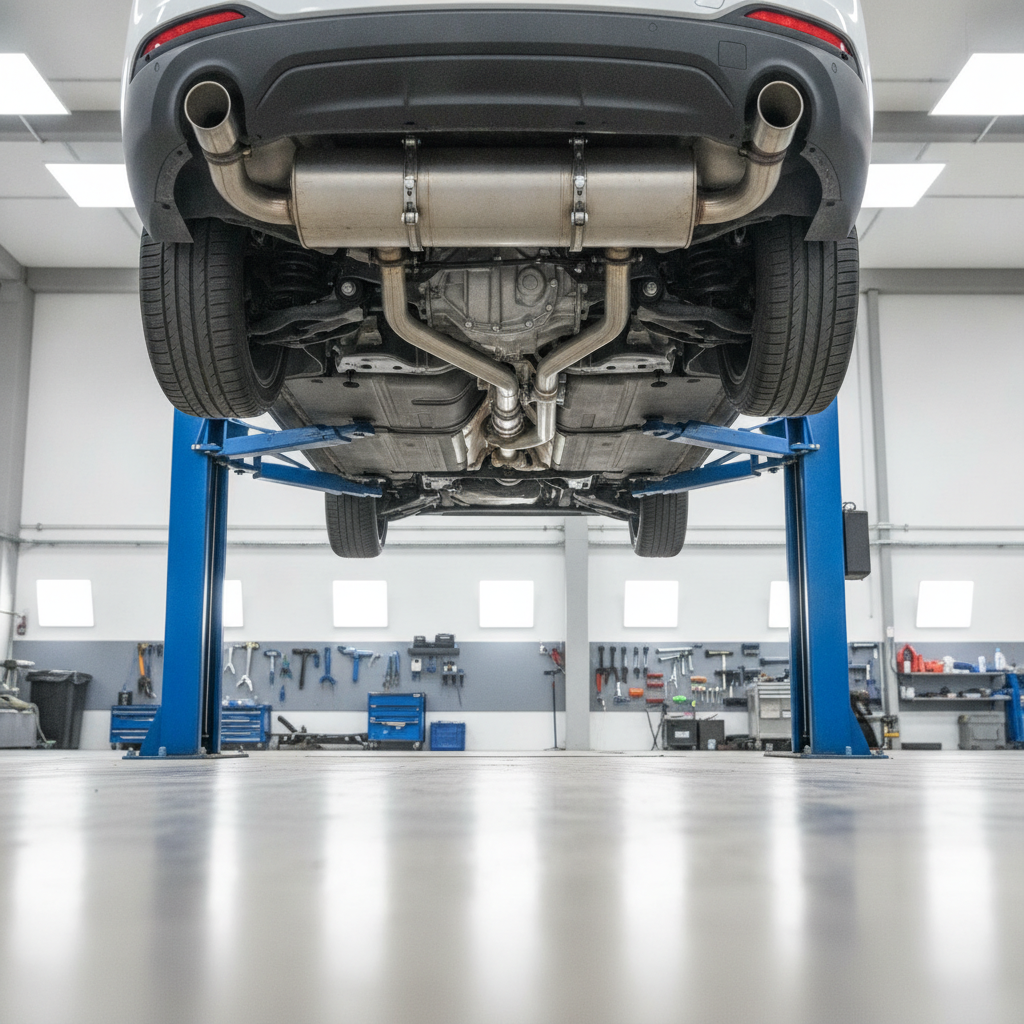
For a Stage 2 remap, your car typically needs a performance exhaust or sports cat, an upgraded intercooler, a high-flow air intake, and in many cases a clutch upgrade to handle the extra torque. Without the right hardware in place, the remap cannot deliver what it promises — and may put unnecessary stress on stock components.
What Makes Stage 2 Different from Stage 1?
A Stage 1 remap is a software-only change. It works with your car’s existing hardware and recalibrates the ECU to improve power delivery, throttle response, and in many cases fuel efficiency. No physical modifications are required before you start, which is why it suits most drivers who want a clean, low-risk improvement to how their car drives every day.
Stage 2 is a different proposition. It still involves ECU recalibration, but it is designed to work alongside hardware upgrades that allow the engine to breathe better, manage heat more effectively, and handle a higher level of output safely. The software and the hardware have to work together — the remap is calibrated around what the upgraded parts can deliver, not around the stock setup.
The stages of remapping are not a rigid ladder you have to climb in order. Some drivers come to Stage 2 having already fitted hardware upgrades for other reasons, such as a performance exhaust or an aftermarket intake. Others plan the hardware and the remap together. What matters is that the hardware is in place and confirmed before the ECU calibration is written.
The Hardware Your Car Typically Needs for a Stage 2 Remap
The exact requirements depend on your engine, make, and model. There is no universal Stage 2 parts list that applies to every car. That said, most Stage 2 setups involve some combination of the following.
Performance Exhaust or Sports Cat
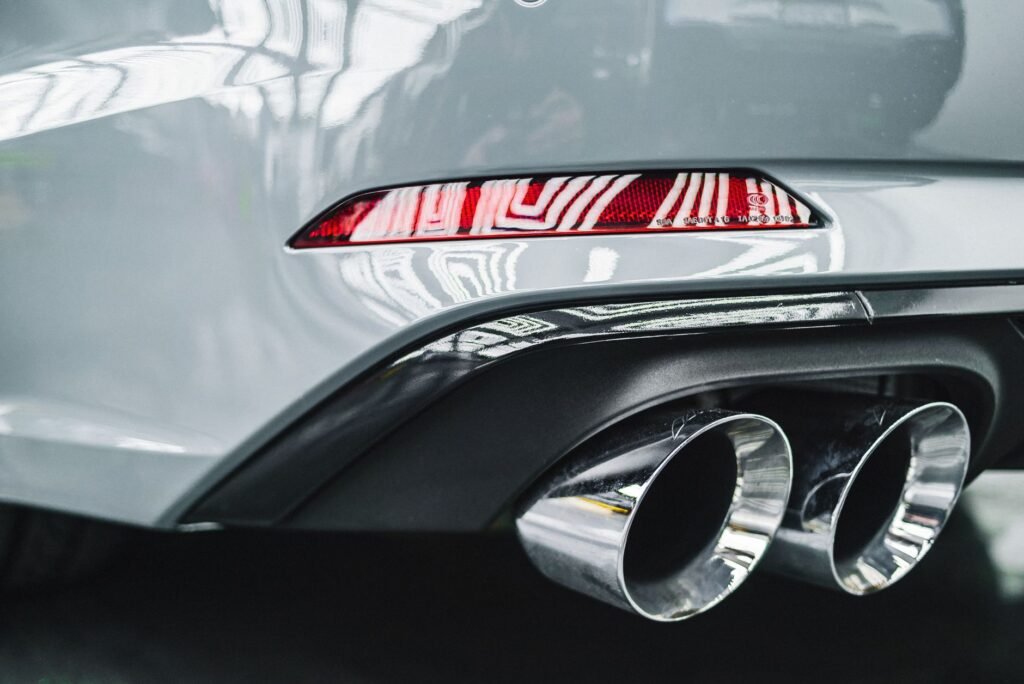
Improving exhaust flow is one of the most common Stage 2 prerequisites. A performance exhaust system — or at minimum a sports catalyst with better flow than the standard unit — allows exhaust gases to exit more freely, which reduces backpressure and lets the engine produce more power at the top end. On turbocharged cars in particular, a downpipe upgrade is often included to improve the turbo’s ability to spool and hold boost. If a decat is part of your setup, it is worth reading our guide on Stage 2 remapping with a decat before you make that decision, as there are legal and MOT considerations involved.
Upgraded Intercooler
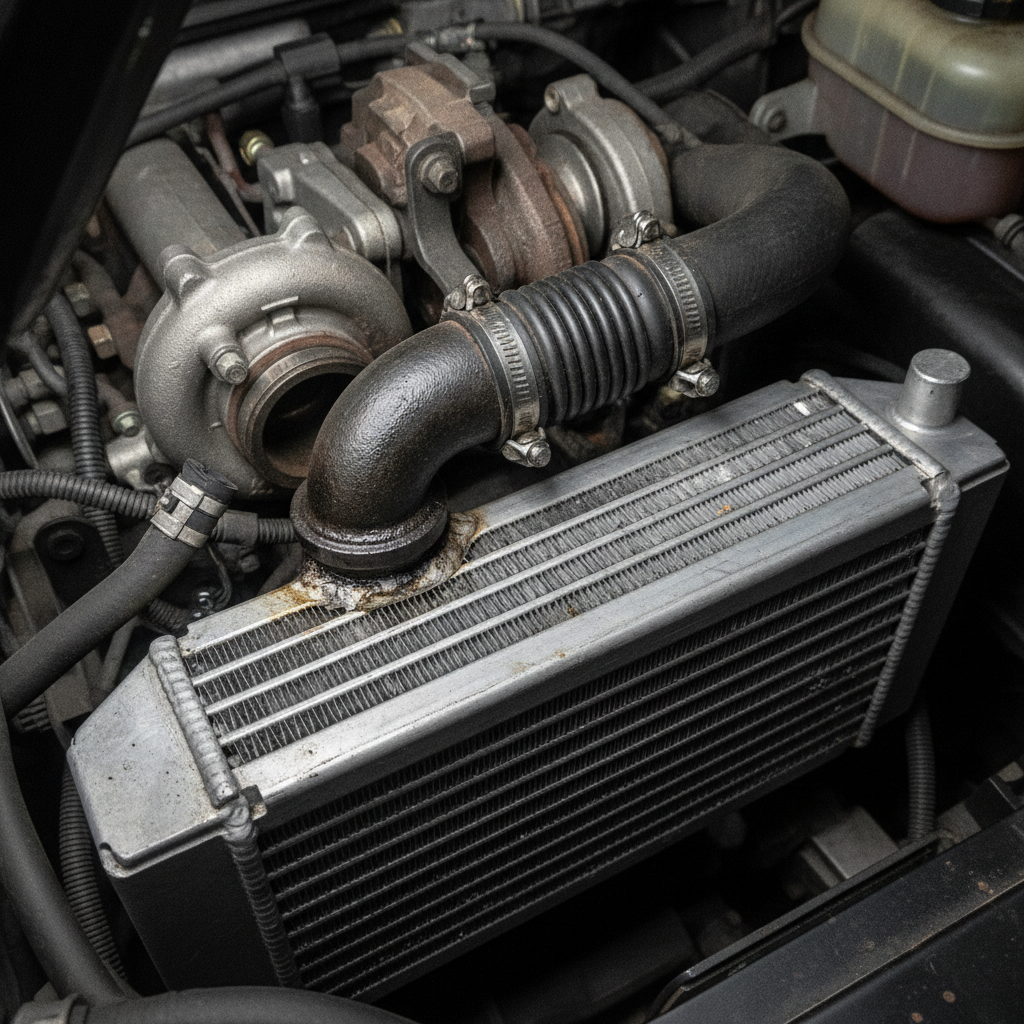
Turbocharged engines compress air before it enters the engine, and compressed air generates heat. The intercooler cools that air before it reaches the combustion chamber. On a standard map, the factory intercooler is usually sufficient. But at Stage 2 output levels — where boost is higher and the engine is working harder — intake air temperatures rise more quickly, and a stock intercooler may not cool the charge air fast enough to keep the ECU running the map as intended. An uprated intercooler keeps intake temperatures in a safe range so the remapped calibration can operate consistently, rather than pulling timing or boost to protect the engine.
High-Flow Air Intake
A performance air intake — whether a panel filter upgrade or a full induction kit — allows the engine to draw in a larger volume of air. This works alongside the exhaust improvements: better airflow in, better airflow out. On its own, an air intake produces modest gains. Combined with a turbo system already running higher boost and an ECU calibrated to use the additional airflow, the difference is more meaningful. Some Stage 2 builds use a full replacement induction kit; others are well served by a high-flow panel filter in the stock airbox. A good tuner will confirm what your specific engine benefits from most.
Clutch Upgrade (Where Relevant)
A Stage 2 remap increases torque, often significantly. On manual gearbox cars, the standard clutch is sized for the factory output level. If the clutch is already showing signs of wear — slip on hard acceleration, a high biting point, or a soft pedal feel — fitting the remap without addressing it first is likely to accelerate the problem. A clutch upgrade is not always required, but it should be assessed before Stage 2 work begins. On DSG or automatic gearboxes, the same principle applies: a gearbox calibration is sometimes appropriate alongside the engine remap to make sure the transmission can handle the increased torque without limiting it.
| Hardware | Why it matters for Stage 2 | Always required? |
|---|---|---|
| Performance exhaust / sports cat | Reduces backpressure, improves top-end power and turbo response | Usually yes, on turbocharged engines |
| Upgraded intercooler | Controls intake air temperatures under sustained load | Recommended for most turbocharged setups |
| High-flow air intake | Improves charge volume and works with exhaust improvements | Often yes — panel filter minimum on many builds |
| Clutch upgrade | Handles the extra torque without slip or premature wear | Depends on clutch condition and torque increase |
Requirements vary by engine, make, and model. Confirm what applies to your car before committing to parts or booking.
Why Hardware Matters — What Goes Wrong Without It
It is worth being clear about what happens if a Stage 2 calibration is written for a car that is not properly set up for it.
If the intercooler cannot manage intake temperatures at the higher output level, the ECU will begin pulling timing or reducing boost to protect the engine. This is the ECU doing its job — but it means the map is not running as intended, and you are not getting what you paid for. In sustained driving, this shows up as inconsistency: the car feels strong initially but falls off on repeated pulls or on motorway runs.
If the clutch is marginal and the torque increases significantly, slip becomes an issue. This is gradual at first — more noticeable under load, when pulling away sharply, or when changing gear quickly at higher revs. Left unaddressed, clutch replacement becomes inevitable sooner rather than later.
If exhaust flow has not been improved, the engine is trying to push more power through the same restriction it had before. The remap can compensate to a degree, but the hardware constraint puts a ceiling on what the calibration can actually achieve.
A Stage 2 remap written for a car with stock hardware in a condition that cannot support the output level will underperform and may accelerate wear on components that were already at their limit. The hardware and the software need to be matched to each other.
How to Know If Your Car Is Ready for a Stage 2 Remap
Before anything else, your car needs to be in good mechanical health. A Stage 2 remap is not a fix for underlying issues — it is a calibration built on top of a vehicle that is already running cleanly. If there are existing problems, they need to be resolved first.
Run through these checks before booking:
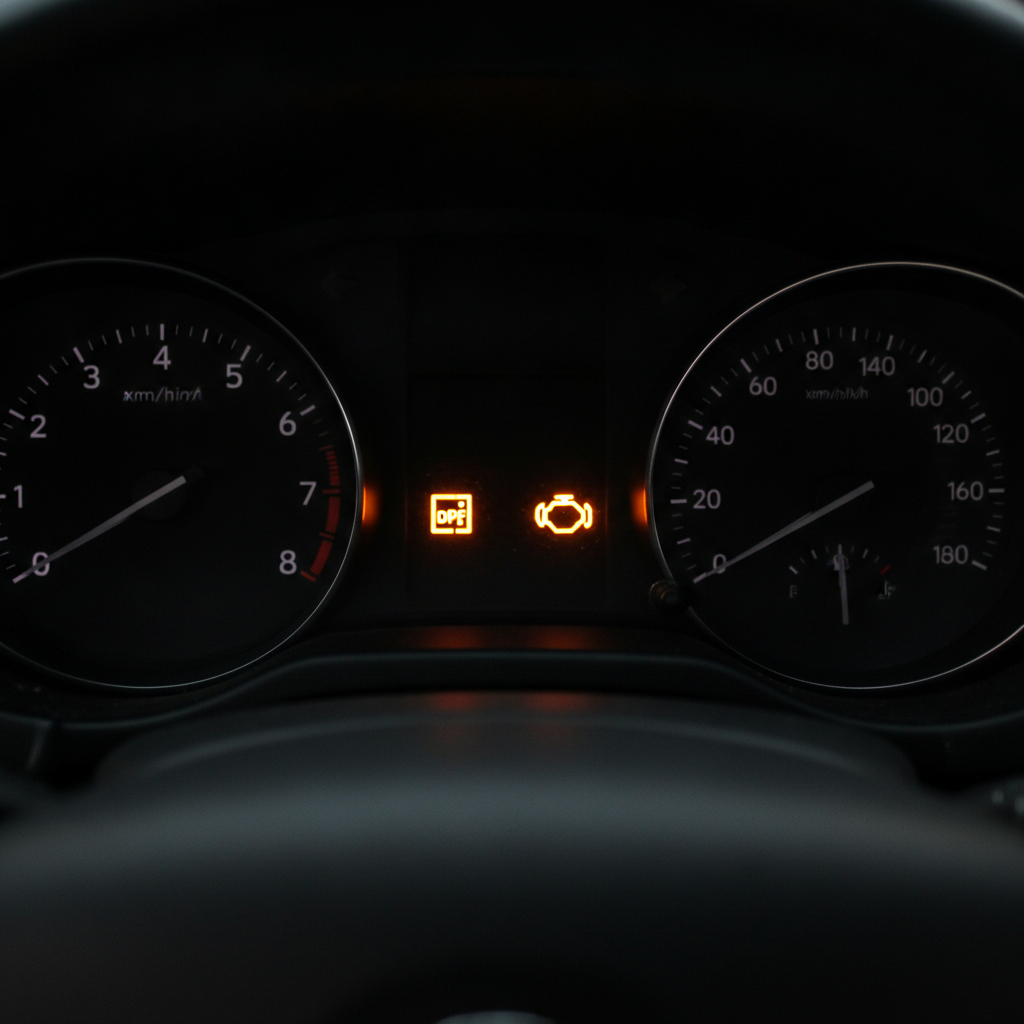
- No fault codes active. An engine with stored or live fault codes is not ready for remapping. Diagnose and clear any issues first.
- No smoke or oil consumption. Excessive smoke — particularly blue or white — points to engine wear or seal issues that remapping will not improve and may worsen under higher load.
- Turbo in good condition. A worn or leaking turbo cannot safely handle higher boost levels. If there is any hesitation, noise from the turbo, or loss of power at higher revs, get it checked.
- Cooling system healthy. Overheating under load is a risk at Stage 2 power levels. Ensure the coolant is clean, the thermostat is functioning, and there are no leaks.
- Confirmed hardware fitted and checked for leaks. Intercooler pipes, charge pipes, and intake connections should all be checked for boost leaks after fitment. A boost leak at Stage 2 will show up in the data immediately and will affect how the car drives.
If any of these are in doubt, a pre-remap diagnostic inspection will identify what needs attention. At Leicester Remaps, diagnostics are carried out before any tuning work begins, so nothing is guessed.
What the Diagnostic and Remapping Process Looks Like
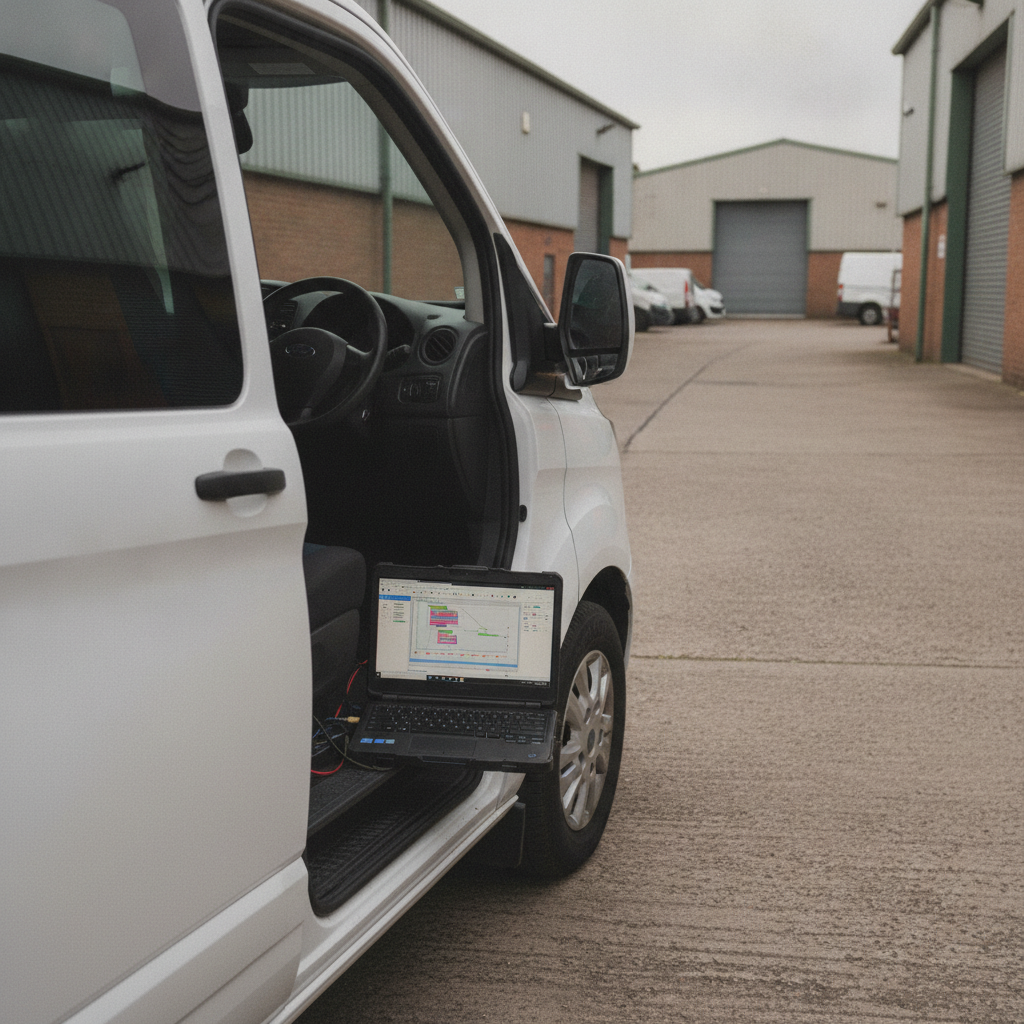
Once your car is confirmed ready and the hardware is in place, the remapping process itself is straightforward for a mobile operator with the right tools. Here is what to expect from a Stage 2 remap with Leicester Remaps.
-
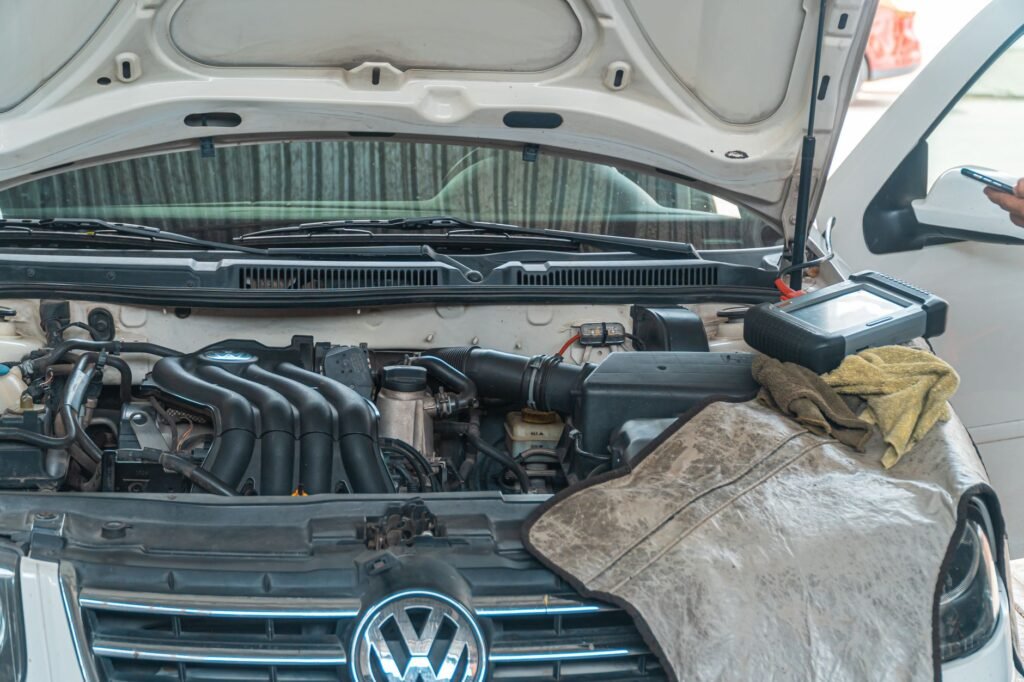
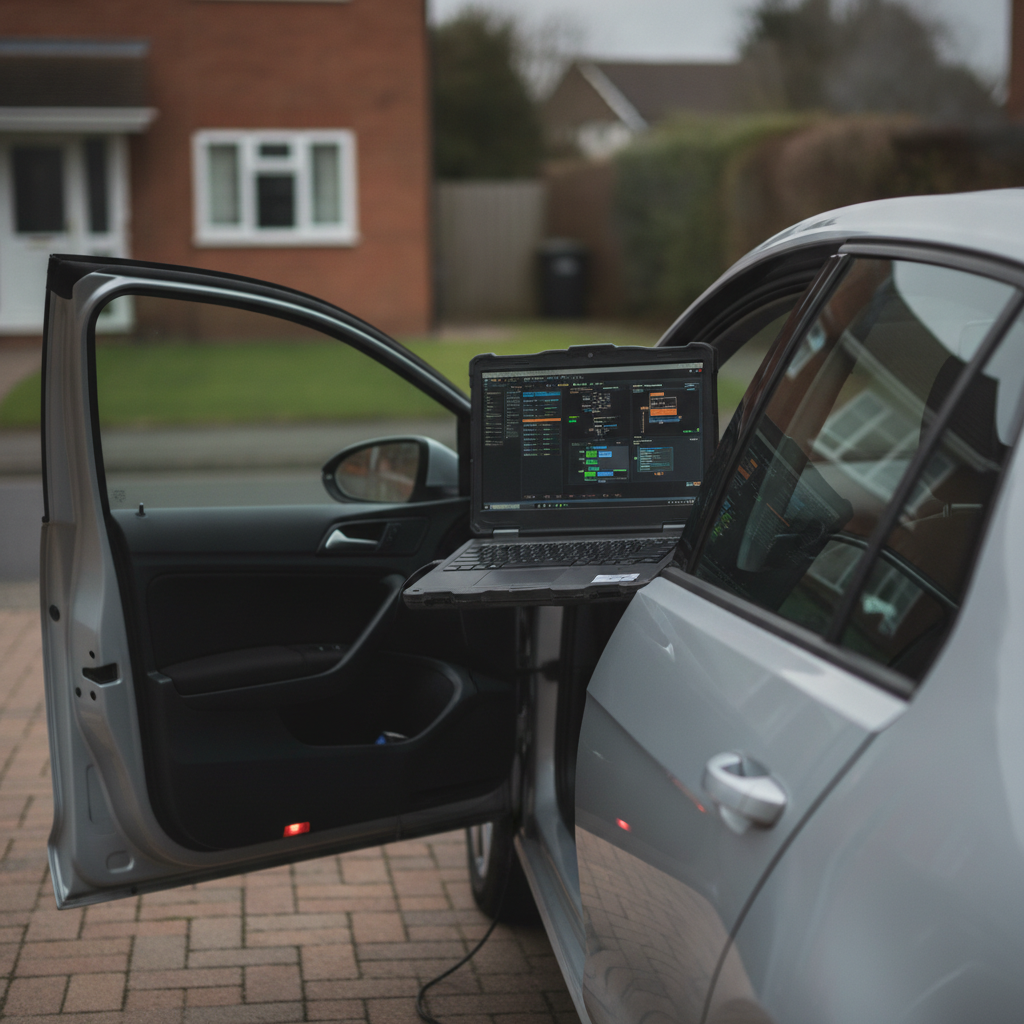
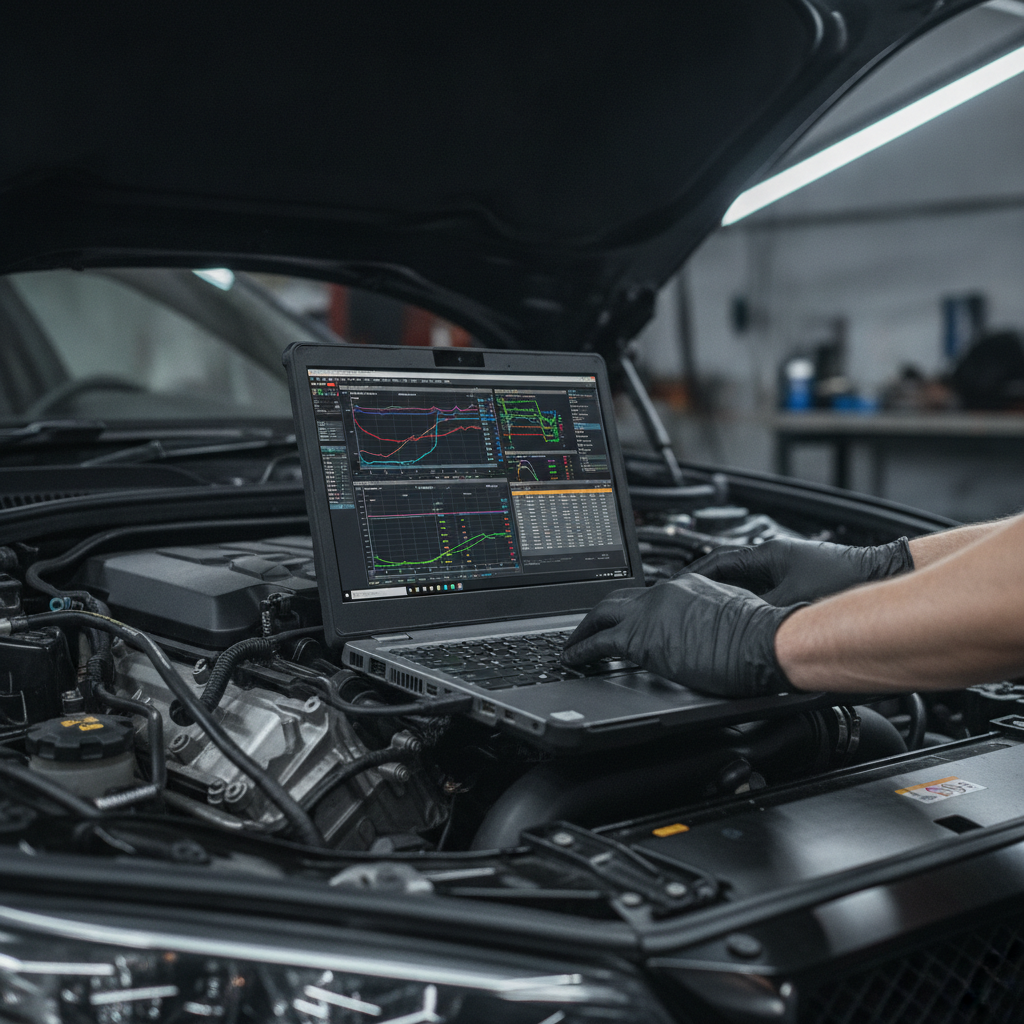
Pre-remap diagnostic check. The vehicle is scanned for fault codes before anything else. Live data is reviewed to check boost behaviour, fuel trims, temperatures, and any readings that might affect how the calibration is written or whether the car is ready to proceed.
-
Original file backup. Before any changes are made, the original ECU file is read and saved. This means your car’s factory settings are preserved and the process is reversible if needed.
-
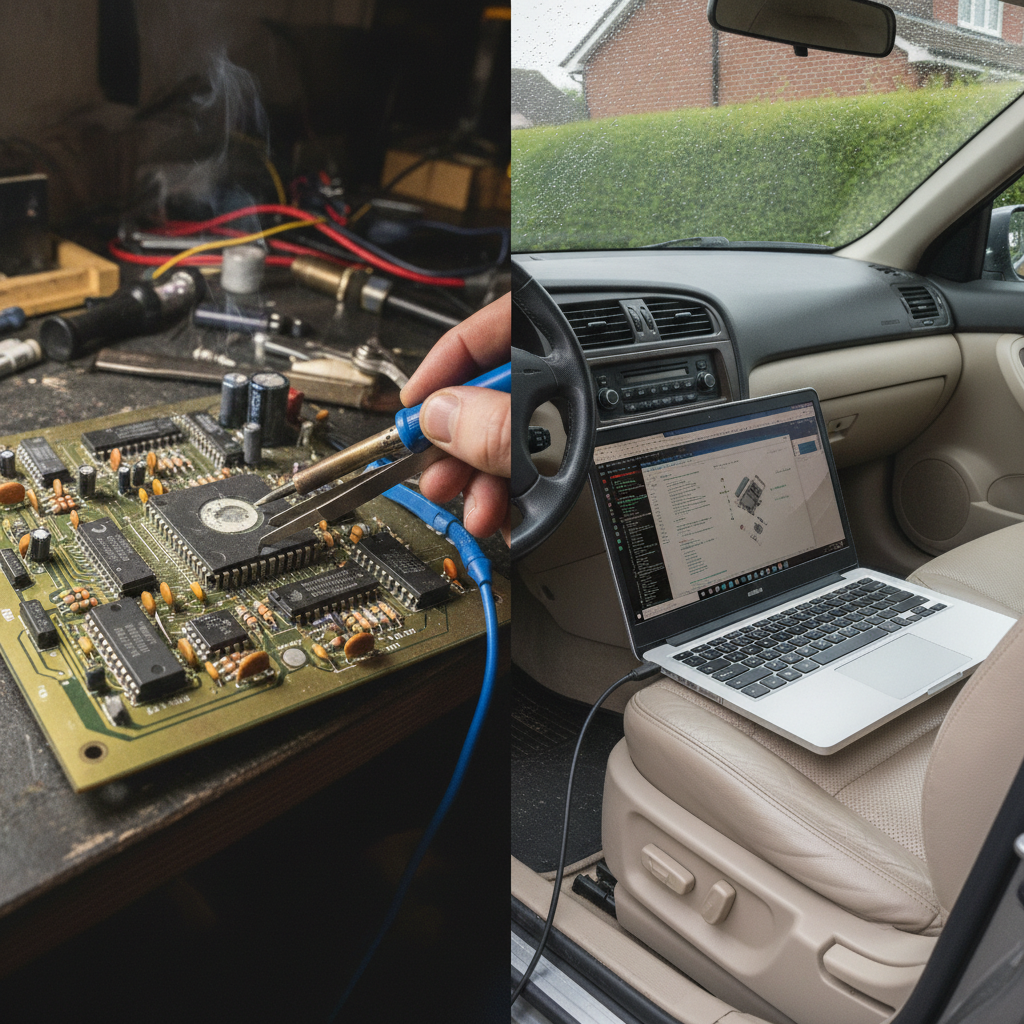
ECU calibration. The Stage 2 map is written to suit your engine, the hardware you have fitted, and the power targets that are achievable safely. This is not a generic file — the calibration accounts for your specific setup.
-
Post-remap check. After the new file is written, the car is checked again. Live data confirms the map is running as intended — boost levels, temperatures, and fuel delivery are all reviewed before the vehicle is handed back.
The entire process is carried out at your home or workplace. There is no need to drop the car at a workshop or arrange a collection. Once complete, the car is ready to drive immediately.
Ready to Talk Through Your Stage 2 Build?
Not sure whether your car is set up for Stage 2, or want to run through what hardware you still need? Get in touch and we can talk it through before you commit to anything.
Frequently Asked Questions
Can I go straight to a Stage 2 remap without doing Stage 1 first?
Yes. There is no rule that says you have to work through the stages in order. If your car already has the hardware in place and you want to skip Stage 1, that is a straightforward decision. Stage 2 is not dependent on having had a Stage 1 map previously — it is about whether your hardware is ready, not whether you have had previous remap work done.
If you are unsure, a pre-remap conversation will help clarify what is achievable given your car’s current state.
How much does a Stage 2 remap typically cost?
The cost of a Stage 2 remap varies depending on the vehicle, the ECU type, and the access method required. It is higher than Stage 1 because of the additional calibration time and the need to work around a modified hardware setup. Contact us directly with your vehicle details and we can give you a clear figure before you commit.
Will a Stage 2 remap affect my insurance?
Yes — any modification that affects performance should be declared to your insurer. This applies to both the hardware upgrades and the remap itself. Failing to declare modifications can invalidate your cover in the event of a claim. Speak to your insurer before making changes and get confirmation in writing that your policy still stands.
Will my car still pass its MOT after a Stage 2 remap?
An ECU remap itself does not cause an MOT failure. However, some of the hardware upgrades associated with Stage 2 — particularly decat exhausts — can affect emissions readings and result in a failure. If your setup includes a decat, it is worth reading the details on what that means for road use and testing before you proceed. A sports cat rather than a decat is the more MOT-compliant option for drivers who need to pass a standard test.
Is a Stage 2 remap reversible?
Yes. The original ECU file is backed up before any work begins, which means the car can be returned to its factory settings if needed. The hardware upgrades — exhaust, intercooler, intake — are physical modifications and are not affected by reversing the remap, but the software side of the work is always reversible.