Does Remapping Void Your Car Warranty?
It’s one of the most common questions before booking a remap: will this cost me my warranty?
The honest answer is more nuanced than yes or no. This guide breaks down exactly what changes,
what manufacturers and dealers actually look for, and how to protect yourself before you book.
UK warranty law explained
Stage 1 remap considerations
How to protect your cover
Jump to a section
- What does voiding a warranty actually mean?
- Manufacturer warranty vs dealer warranty
- What UK consumer law says
- What manufacturers typically say about remapping
- What dealers check when you bring a remapped car in
- Stage 1 remap and warranty risk
- Why original file backup matters
- Out of warranty and older vehicles
- How to protect yourself
What does voiding a warranty actually mean?
When people talk about voiding a warranty, they usually mean one of two things:
the manufacturer refusing to cover repairs under their new vehicle warranty, or a dealer
declining to honour their own warranty terms after discovering a modification.
In practice, a manufacturer or dealer can’t simply void your entire warranty because
you’ve added a modification. What they can do is refuse to cover a specific
repair if they can demonstrate the modification caused or contributed to the fault.
That’s a meaningful distinction, and one that works in the driver’s favour more often
than most people realise.
The fear of “voiding the warranty” is often driven by vague terms in paperwork rather
than a clear understanding of what UK law actually allows. Understanding that difference
puts you in a much stronger position before you make any decision.
Manufacturer warranty vs dealer warranty
There are two separate warranty types to consider. They work differently and carry different
levels of risk for remapped vehicles.
Manufacturer warranty
This comes with the vehicle at the point of sale, typically covering three to seven years
depending on the manufacturer. It’s provided by the brand — Volkswagen, Ford, BMW, Mercedes —
and terms vary between brands. Most manufacturer warranties include language that allows
them to decline claims if modifications have affected the relevant components.
Dealer or extended warranty
This is a separately purchased or dealer-provided warranty, often sold at the point of
buying a used vehicle. These terms are set by whoever sold you the warranty. They vary
widely, and some specifically exclude modified vehicles from all cover the moment any
modification is detected — remapped or otherwise.
Check your specific warranty terms
If you’re unsure, read your warranty booklet carefully. Look for terms like “modifications”,
“software changes”, “ECU alterations”, or “non-standard tune”. The specific language
determines your risk level.
What UK consumer law says
In the UK, the Consumer Rights Act 2015 gives buyers meaningful protections that override
some of the more aggressive warranty language you’ll find in manufacturer documentation.
The key principle is this: a manufacturer or dealer cannot refuse a warranty claim simply
because a modification exists. They must be able to demonstrate that the modification
caused or directly contributed to the specific fault you’re claiming for.
If your remapped car develops a fault with the air conditioning, for example, a manufacturer
would struggle to demonstrate that an ECU tune caused that failure. The burden of proof
sits with the manufacturer, not with you.
This doesn’t mean remapping is consequence-free from a warranty perspective — but it does
mean blanket warranty voiding is harder than manufacturers sometimes imply. A legitimate
causal link between the remap and the fault is required before a claim can fairly be refused.
This doesn’t mean remapping is risk-free
UK law protects you from blanket warranty voiding, but a manufacturer can still refuse
claims for drivetrain or engine components if they can demonstrate the remap caused stress
or contributed to premature failure. Be realistic about what’s covered and what isn’t.
What manufacturers typically say about remapping
Most major vehicle manufacturers have clear positions on ECU remapping, and the majority
take a dim view of it — at least on paper.
The typical manufacturer position is that any software modification not approved by them
may affect warranty coverage on components they consider relevant to that modification.
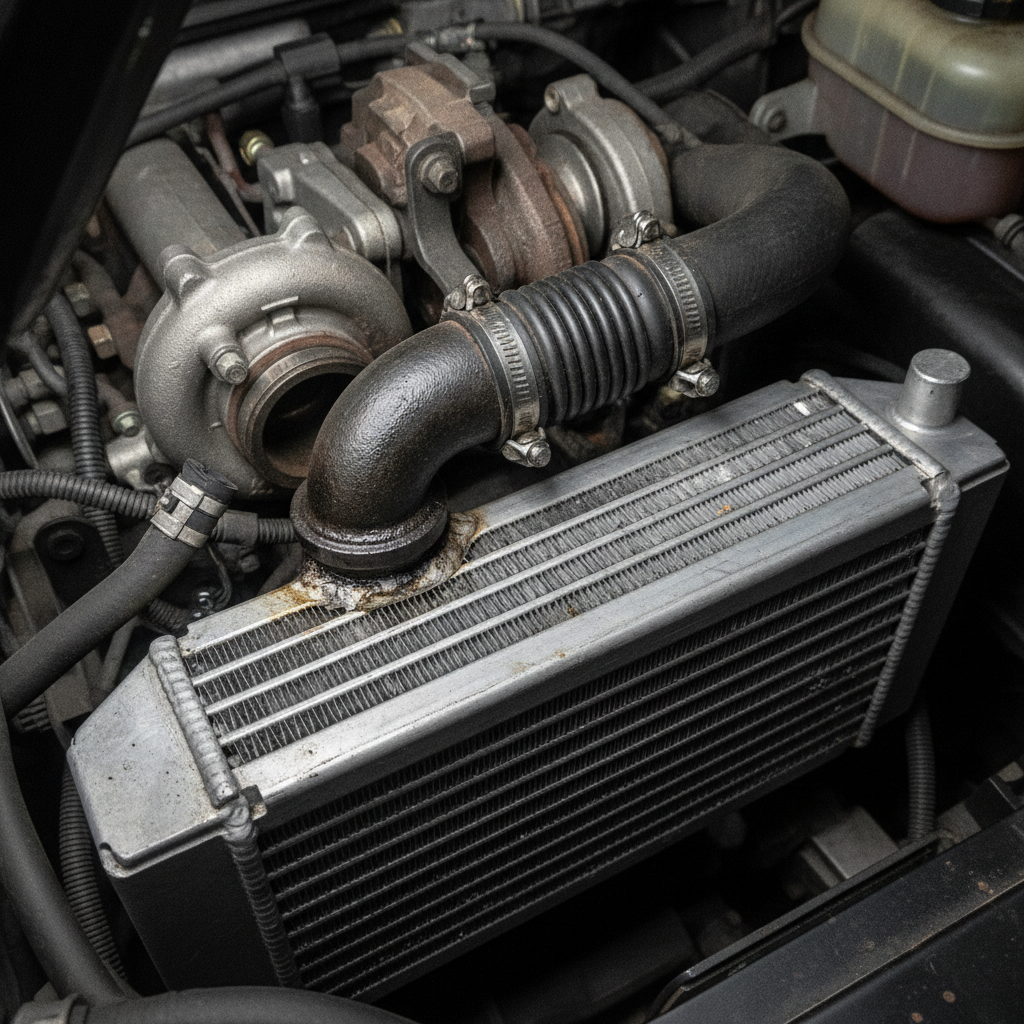
For engine remaps, that means the engine, gearbox, turbo, fuelling system, and emissions
components are all potentially affected.
Some manufacturers use systems that flag when the ECU has been modified or read by external
tools. These flags can remain visible even if the original calibration is restored, though
the detection level varies significantly between brands and model generations.
How aggressive is each manufacturer?
Enforcement varies widely. Some manufacturers take a pragmatic view and only refuse claims
they can directly link to the modification. Others flag any ECU access and use it as grounds
to decline drivetrain-related claims. If you’re on a current manufacturer warranty for a
newer vehicle, it’s worth researching your specific brand’s track record on this before
booking a remap.
What dealers check when you bring a remapped car in
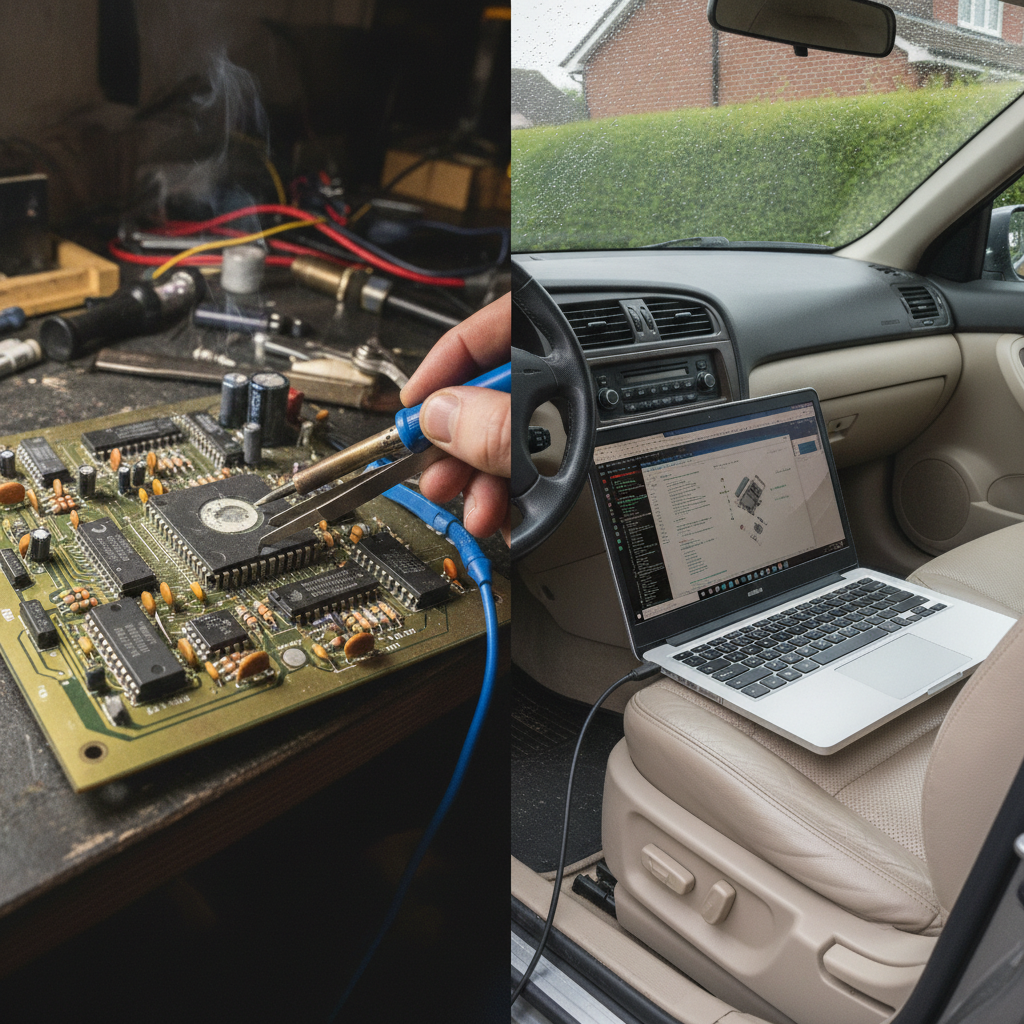
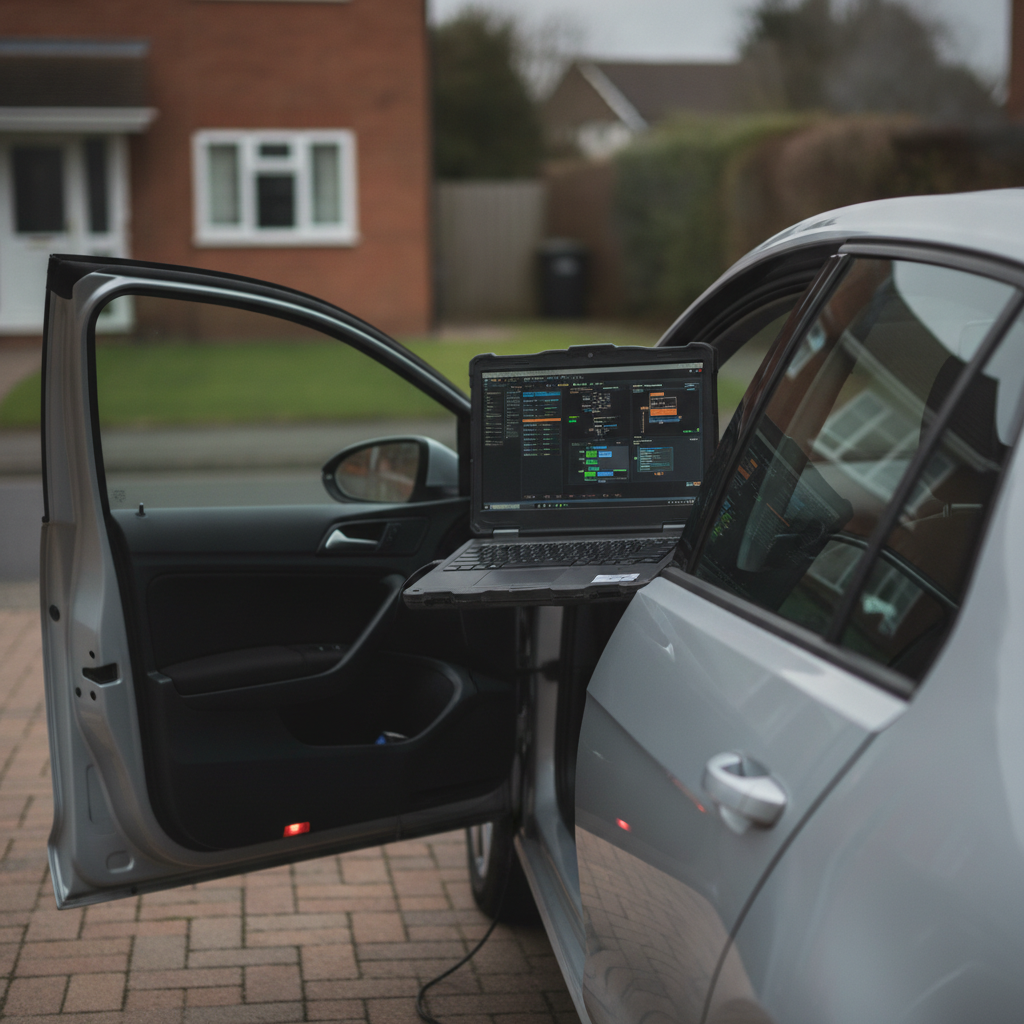
When a remapped vehicle is presented for warranty work, a dealer’s service technician
will typically connect a diagnostic tool to the OBD port and read current ECU data.
This can reveal whether the current software version matches the manufacturer’s expected
calibration for that vehicle.
Some ECUs log access events and software changes internally. Even if a remap has been
removed and the original calibration restored, the log may still show that the ECU was
accessed or modified. Whether a dealer checks this log depends on their process and
how motivated they are to investigate.
In reality, many routine warranty claims are processed without deep ECU investigation.
The level of scrutiny tends to increase when the repair is expensive or involves components
that could plausibly be linked to performance tuning.
Expensive drivetrain claims attract more attention
Claiming for turbo failure, gearbox issues, or engine damage on a vehicle with a known
remap is where manufacturers are most likely to investigate and potentially refuse the claim.
Smaller claims for non-drivetrain components are less likely to trigger scrutiny.
Stage 1 remap and warranty risk
A Stage 1 remap — software only, no supporting hardware modifications — carries the
lowest warranty risk of any remap type. It operates within the parameters the engine
was designed to handle, and a quality Stage 1 from a reputable tuner uses tailored
calibration rather than aggressive generic file flashing.
The reason Stage 1 carries lower risk is straightforward: the modifications being made
are within what the engine hardware can safely sustain. A responsible Stage 1 tune
uses the engine’s safety margins without exceeding them. This makes it harder for a
manufacturer to demonstrate a causal link between the remap and a component failure,
because the hardware has been operated within its design envelope.
That said, “lower risk” is not the same as “no risk”. If your vehicle is still under
a current manufacturer warranty and an expensive drivetrain repair is needed, having
a Stage 1 remap on file creates a complication — even if the legal position is on your side.
The practical risk question
For most drivers with vehicles that are two to three years past their original purchase,
the manufacturer warranty has either expired or is nearing its end. In those cases,
the warranty concern largely disappears. The calculus is different for a nearly-new
vehicle still covered by a comprehensive manufacturer warranty.
Why original file backup matters
One of the most important safeguards when getting a remap is ensuring the original ECU
calibration file is backed up before any changes are written. This means the vehicle
can be restored to its exact factory software state if needed.
A good remapping specialist will back up your original file as standard practice.
The ability to restore the original calibration provides a practical safety net — not
because it guarantees the remap won’t be detectable, but because it removes the
modified calibration from the ECU before a warranty claim is made.
Leicester Remaps backs up the original ECU file on every vehicle before writing a new
calibration. The original file is retained so the vehicle can be returned to factory
software if the owner requires it. This is part of a responsible remapping process,
not an optional extra.
Always confirm original file backup before booking
Before booking any remap, ask the tuner whether they back up the original ECU file
and whether restoration is available if needed. If the answer is no, walk away.
This is non-negotiable from a warranty protection standpoint.
Out of warranty and older vehicles
For vehicles that are already outside their manufacturer warranty period — typically
anything over three to five years old on a standard warranty — the warranty question
largely becomes irrelevant. The original manufacturer cover has either expired or
been superseded by a dealer or third-party warranty.
Many drivers bringing older diesel or petrol vehicles for a Stage 1 remap have no
active manufacturer warranty to consider. In these cases, the decision comes down to
whether the remap itself is appropriate for the vehicle’s condition and mileage,
rather than any warranty implication.
If you have an aftermarket warranty on an older vehicle, it’s worth reviewing the
specific terms before booking. Some third-party warranties explicitly exclude vehicles
with modifications from the point of modification. Others are less prescriptive.
Read the small print.
How to protect yourself
If warranty cover is a genuine concern, there are practical steps you can take to
reduce your risk without abandoning the idea of a remap entirely.
- Use a reputable specialist: A tuner using professional tools (such as Autotuner or KESS) and writing custom calibrations — not generic files — reduces the risk of aggressive or unsafe tuning that could genuinely stress components.
- Confirm original file backup: Always verify your original calibration is backed up and restorable. If you need to make a warranty claim, restoring the original file before presenting the vehicle is a practical precaution.
- Know what you’re claiming for: If a fault arises, consider whether it’s plausibly linked to the remap. Claiming for unrelated items (tyres, electronics, bodywork) is generally safe. Claiming for turbo or engine failure on a tuned car is where complications arise.
- Check your warranty terms first: Read your current warranty documentation before booking. Understand exactly what the terms say about software modifications and ECU changes.
- Consider the timing: If your vehicle is twelve months into a three-year manufacturer warranty, the warranty risk calculation is very different from a vehicle with eleven months of cover remaining. Factor in how much warranty you actually have left.
- Get a pre-remap health check: A pre-remap diagnostic confirms the vehicle is in good mechanical health before the tune is applied. This provides a clear baseline and removes any ambiguity about the vehicle’s condition at the point of remapping.
The short version: a Stage 1 remap from a professional specialist, with original file
backup, on a vehicle whose warranty situation you’ve reviewed, is not the warranty
catastrophe that some drivers fear. But it pays to understand the position properly
before you book.
Ready to book a mobile remap in Leicester?
Every Leicester Remaps booking includes a pre-remap diagnostic, original ECU file backup,
and a custom calibration using professional tuning tools. If you have warranty questions,
get in touch before booking — we’re happy to give you a straight answer.
Learn about our mobile remapping service or
contact Leicester Remaps to discuss your vehicle and warranty situation.