
Motorhome Remapping: What ECU Tuning Actually Changes on a 3.5-Tonne Coachbuilt
A motorhome is a van engine carrying a house. Most owners who ask about motorhome remapping are not after speed — they are tired of dropping two gears on every hill and sitting at 3,000rpm to hold 60mph.
Ducato & Boxer
Transit & Sprinter
Mobile Service
The short answer
Motorhome remapping rewrites the base vehicle’s ECU software to deliver more torque lower in the rev range, which is what a heavy, permanently loaded chassis actually needs. The realistic result is fewer gearchanges on hills and easier cruising — not a faster motorhome, because weight and speed limits set the ceiling, not the engine.
Why a Motorhome Feels Slow When the Same Engine Feels Fine in a Van
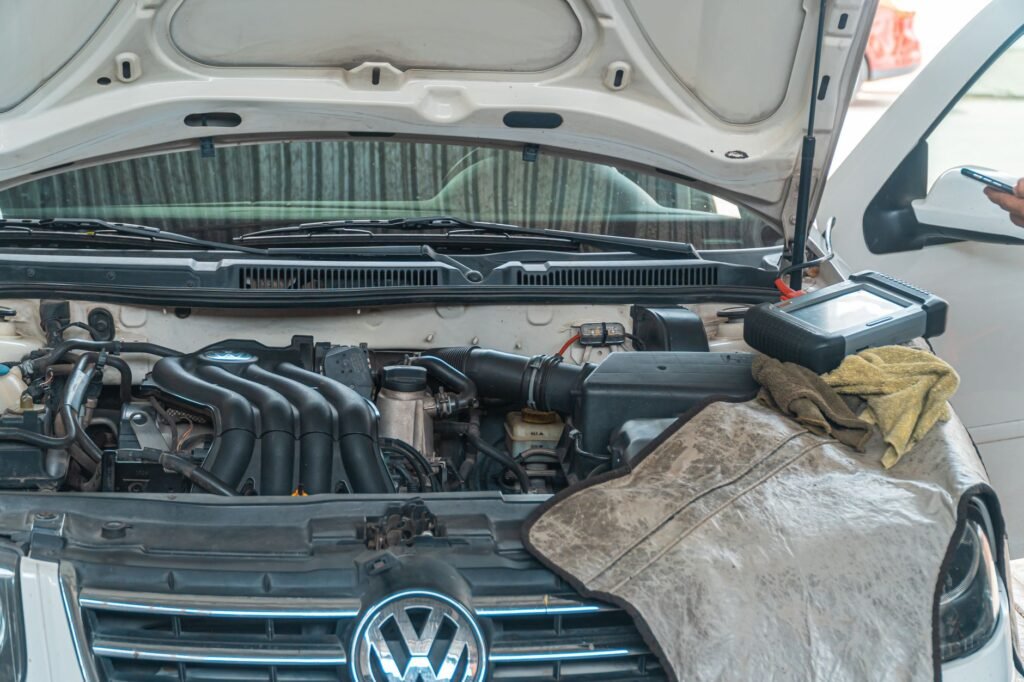
Nearly every UK coachbuilt sits on a panel-van chassis — Fiat Ducato, Peugeot Boxer, Citroën Relay, Ford Transit or Mercedes Sprinter. The engine and ECU were calibrated for a vehicle that is often empty.
Your motorhome is never empty. It carries its own furniture, water, gas, an awning and everything you packed, all day, every day of the trip. The chassis is running near the top of its plated weight before you have added a passenger.
That changes what the driver feels. A van at half load pulls away from 1,500rpm without complaint. The same engine under a habitation body wants another 800rpm and a lower gear to do the same job, which is why hills feel like an event and motorway gradients cause endless downshifting.
The factory calibration is not wrong. It is a compromise written for a wide range of loads, emissions test conditions and fuel qualities across dozens of markets. On a vehicle that only ever operates at one end of that range, there is room to move.
What a Remap Changes — and What It Will Not Fix
Being specific about this matters, because motorhome owners are sold a lot of vague promises.
| Complaint | Can tuning help? | What is really going on |
|---|---|---|
| Drops two gears on every hill | Yes | Mid-range torque arrives later than the weight needs it |
| Feels breathless overtaking | Yes | Part-throttle response is conservative from the factory |
| Sits at high revs to hold a cruise | Often | More torque lower down lets you hold a taller gear |
| Slow off the line fully loaded | Sometimes | Partly gearing and weight, which software cannot change |
| Automatic hunting between gears | Sometimes | Depends entirely on the gearbox and how it is controlled |
| Limp mode or a warning light | No | That is a fault to diagnose, not a calibration to rewrite |
| Worn turbo, injectors or clutch | No | Hardware. Fix it first, or the remap just finds the weak point faster |
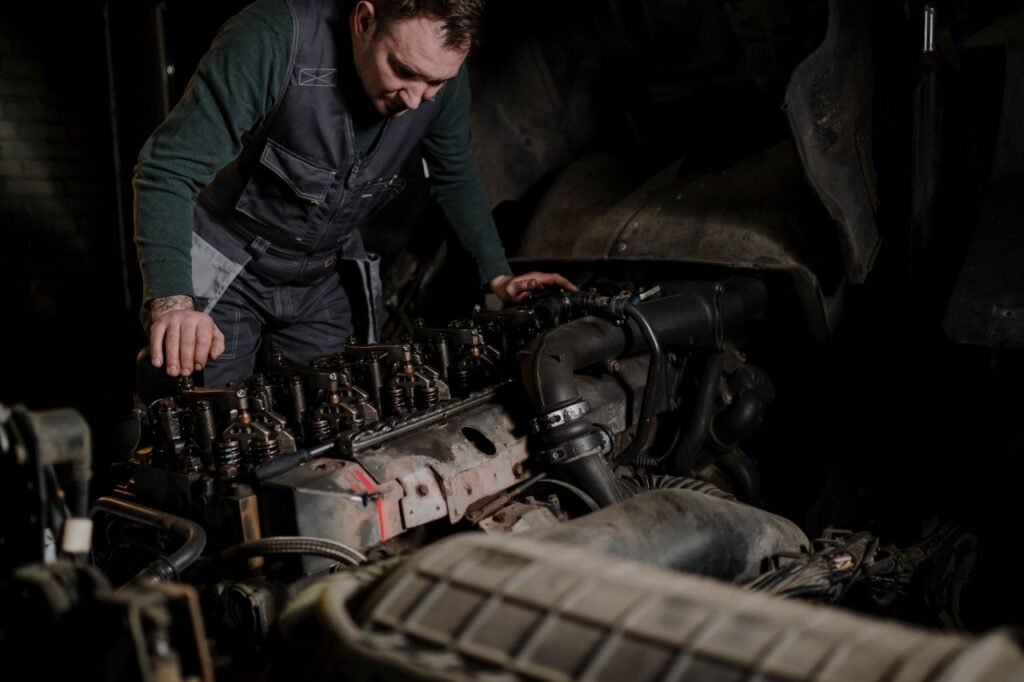
The honest framing is that a remap changes how the existing engine delivers what it already has. It does not add capability the hardware never possessed, and on a vehicle this heavy the clutch and gearbox deserve a thought before anyone touches the software.
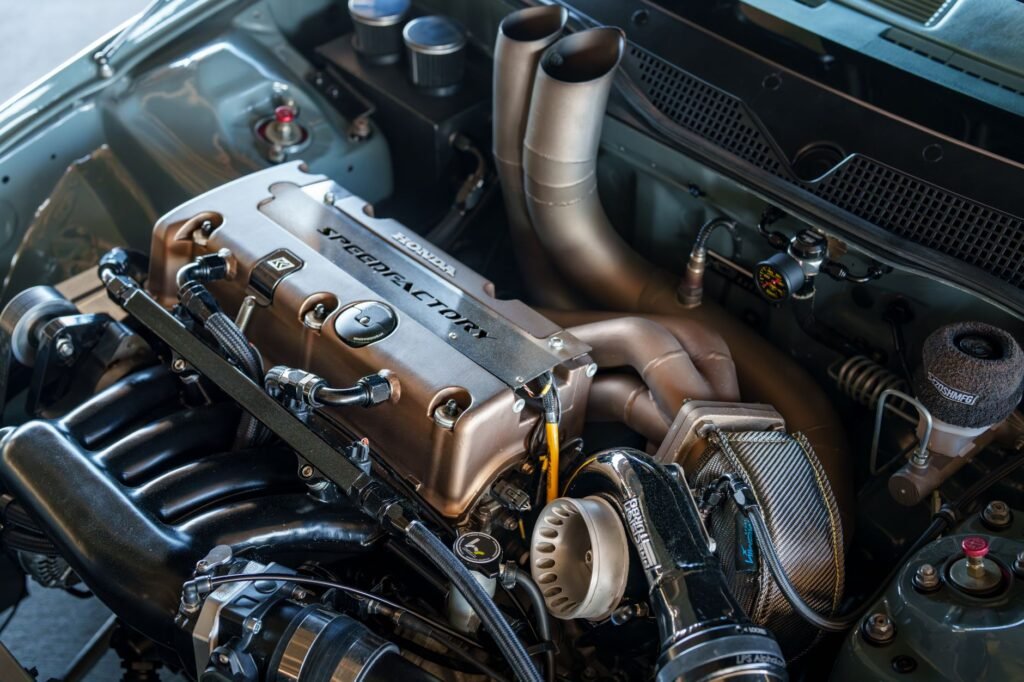
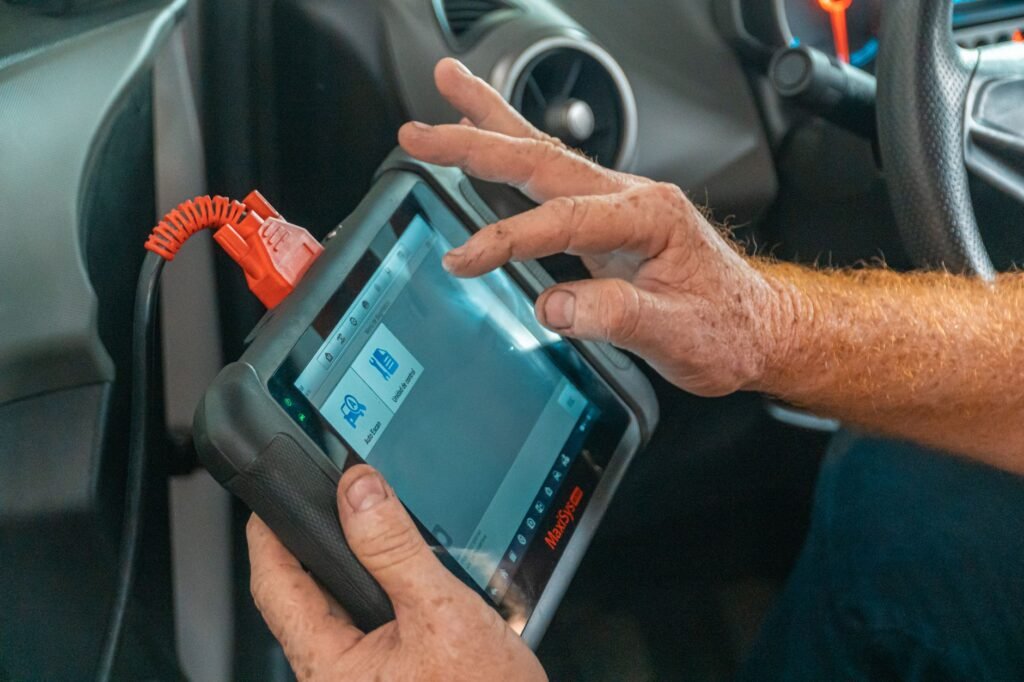
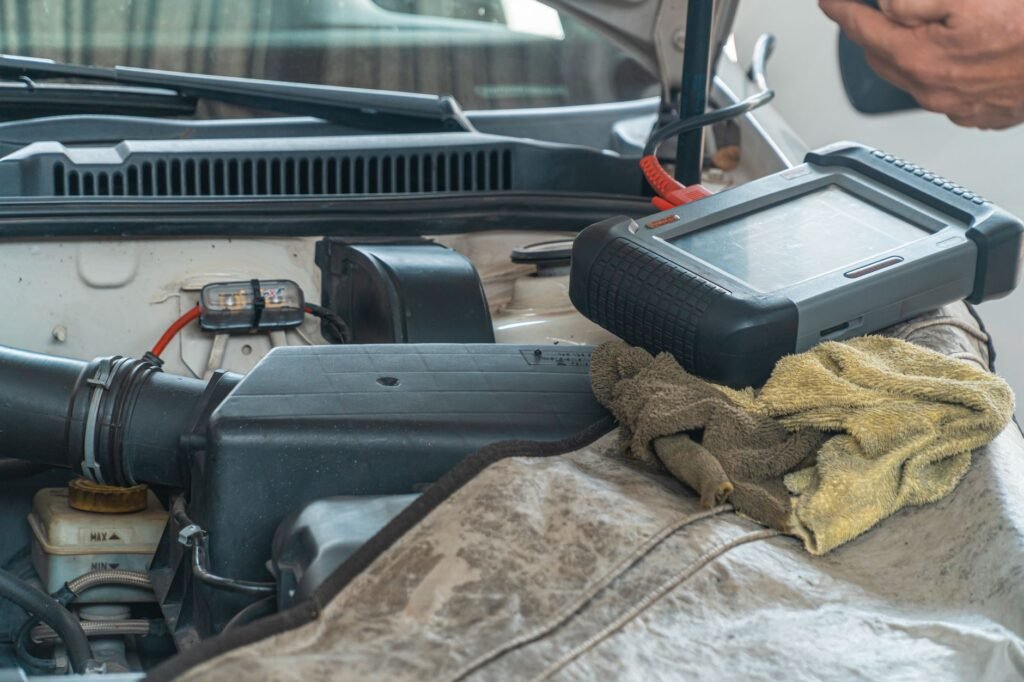
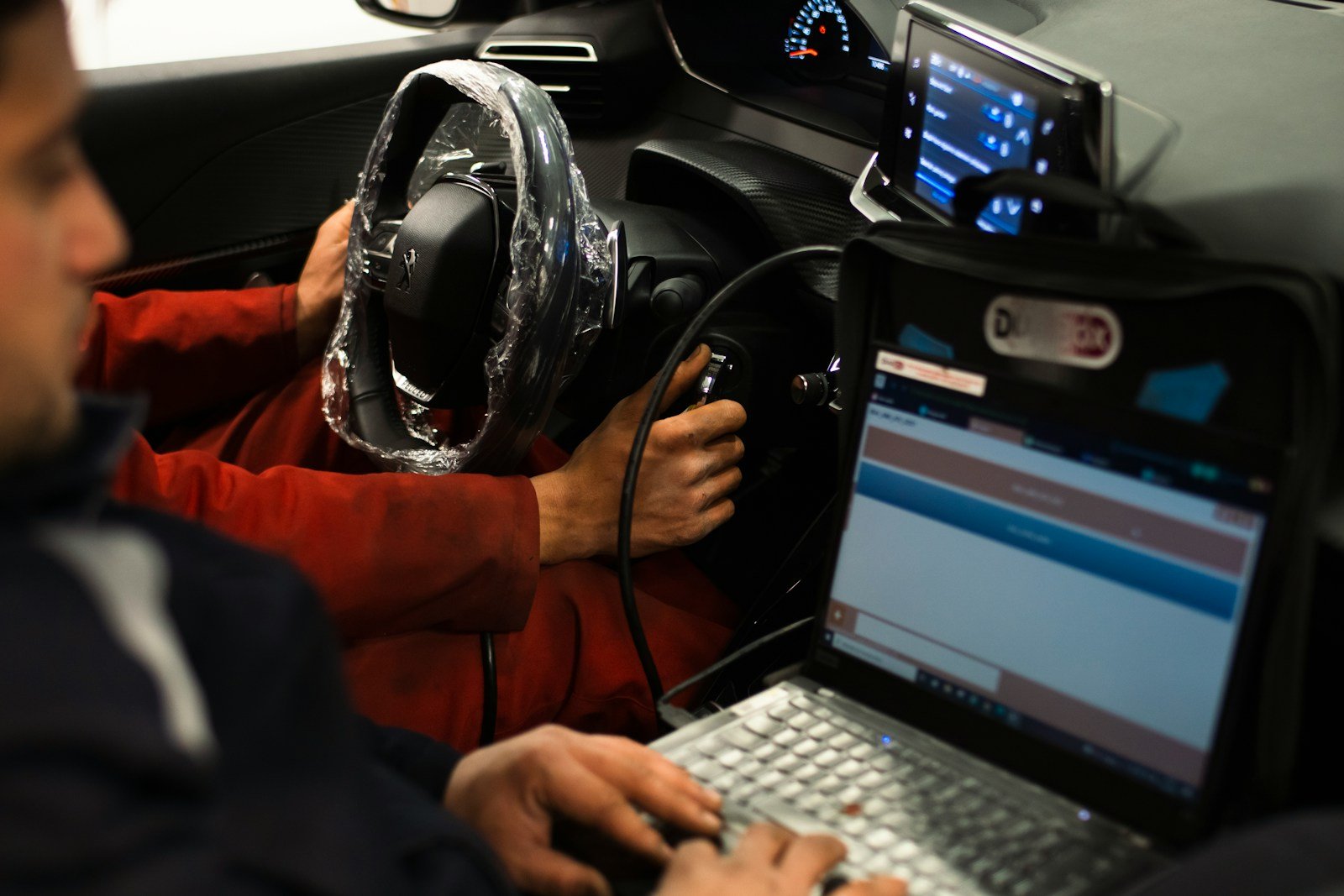
The mechanics of the process itself are no different from any other diesel: read the original file, write a calibration matched to that exact engine and ECU, road test with live data. Our page on Stage 1 remapping covers how that works in general terms.
The Weight and Licence Rules That Actually Cap You
This is the part most tuning articles skip, and for motorhomes it is the part that decides whether a remap is worth having at all.
Speed limits for motorhomes are set by unladen weight, not by engine output. A motor caravan with an unladen weight over 3.05 tonnes is restricted to 50mph on single carriageways and 60mph on dual carriageways, where a lighter one gets the car limits of 60 and 70. Motorways stay at 70 for both.
So if you are over that threshold, no amount of extra power raises your legal cruising speed. What tuning can do is let you hold the speed you are already allowed without the engine working as hard to get there.
Licensing works on a different measure again — maximum authorised mass. A category B licence issued on or after 1 January 1997 covers vehicles up to 3,500kg MAM, and anything between 3,500kg and 7,500kg needs category C1.
Uprating is not a tuning question
Owners sometimes ask whether a remap can help with a payload problem. It cannot. Plated weight is a chassis and licensing matter handled through the converter or an uprating specialist, and it is entirely separate from what the ECU is doing.
The Honest Position on Fuel Economy
Fuel is usually the second question, and it deserves a straight answer rather than a sales one.
A torque-focused calibration can improve real-world consumption on a heavy vehicle, because the engine spends less time at high revs and in lower gears to do the same work. On long steady touring runs that effect is real and owners do notice it.
It is also entirely conditional on the right foot. The same extra torque used enthusiastically will burn more fuel, not less. Anyone quoting you a guaranteed percentage saving before they have seen the vehicle is guessing.
We take the same line on motorhomes that we take on light commercials generally — the case for tuning a working diesel is drivability first, with economy as a likely bonus rather than the promise. Our write-up on remapping a commercial van for fuel savings sets out that reasoning in more depth.
Seasonal Use, Layup and Emissions Systems
Motorhomes have a duty cycle that modern diesel emissions equipment genuinely dislikes, and it is worth understanding before you blame the tuning for anything.
The pattern is stark: months parked on a drive or in storage, then two thousand miles in a fortnight, then parked again. In between there are short moves — to the fuel station, to the storage yard, round to a friend’s to load up — where the engine never reaches proper working temperature.
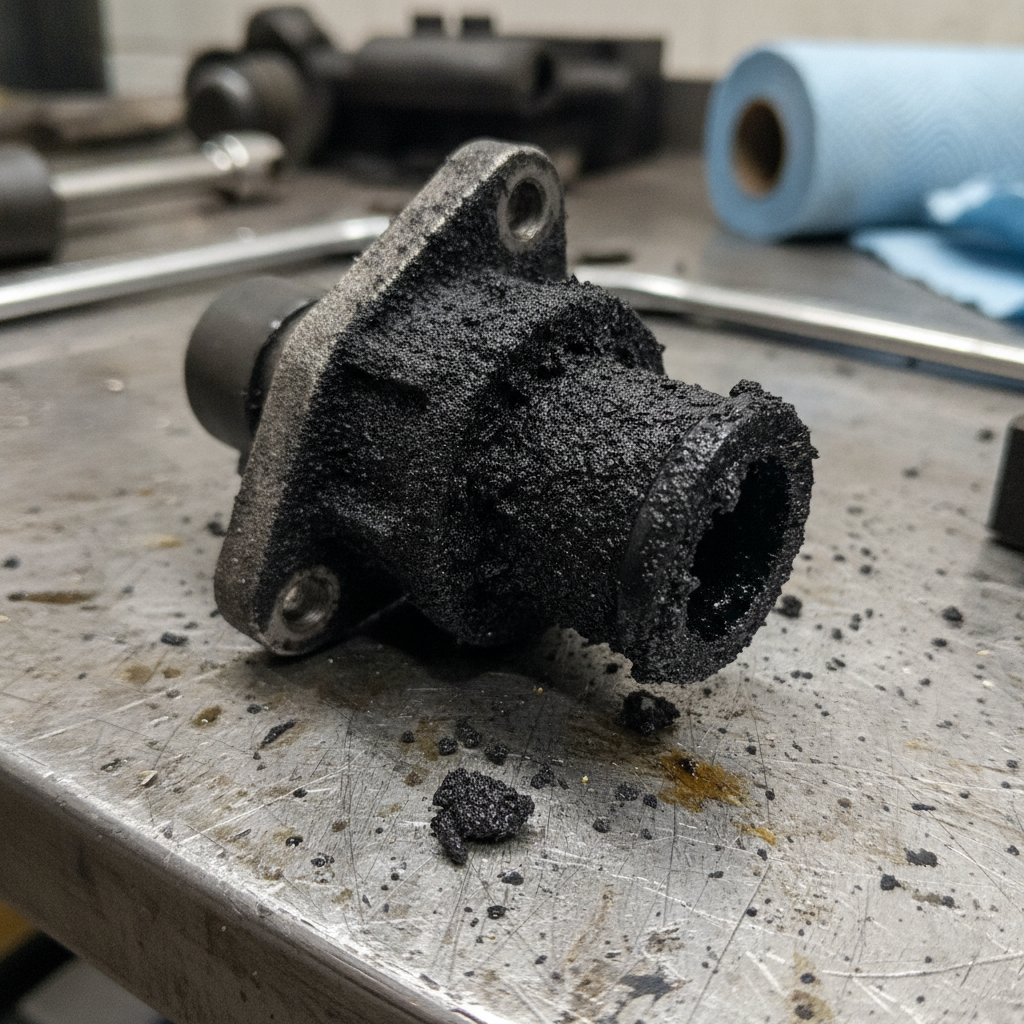
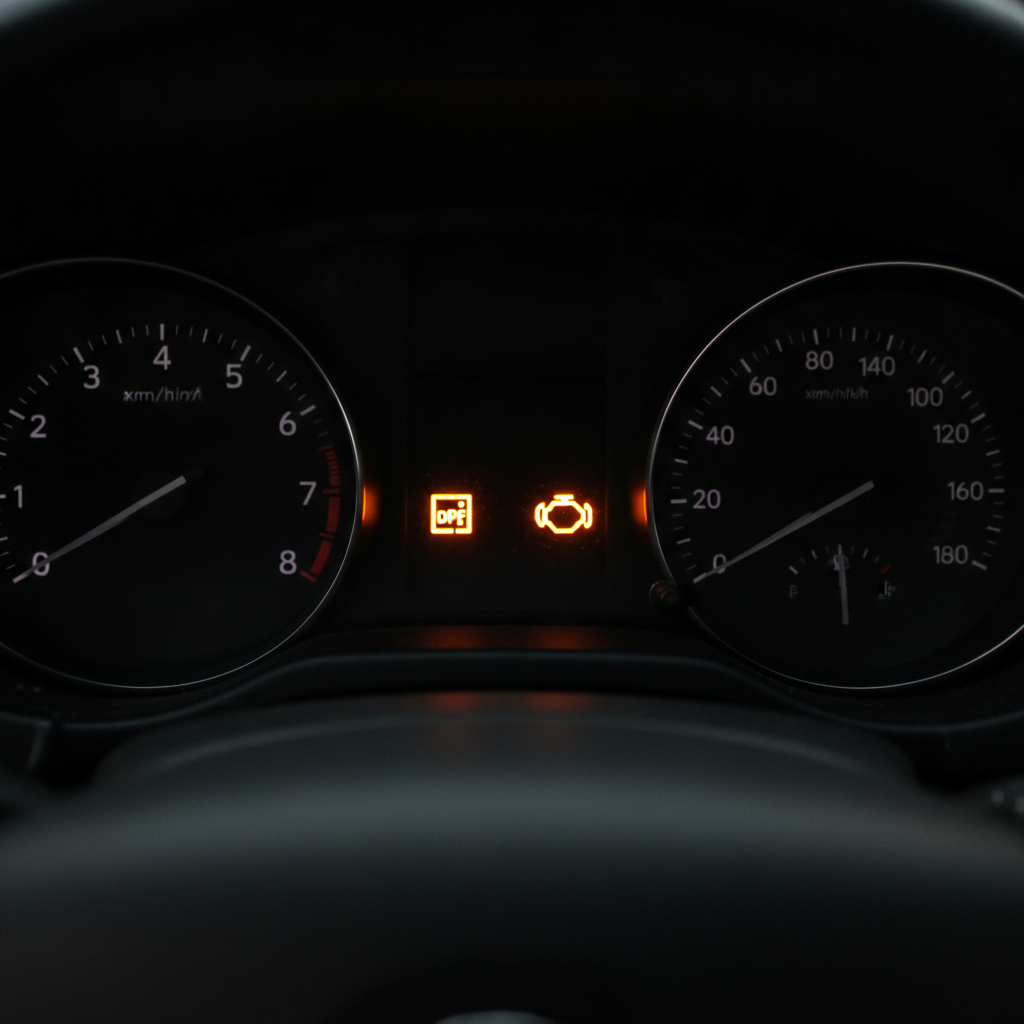
Those short cold trips are the ones that cause trouble. Particulate filters need sustained heat to regenerate, and a vehicle that only ever does five cold miles at a time accumulates deposits faster than it clears them. The warning light then appears in spring, on a vehicle that has done almost nothing.
This is the same mechanism that affects delivery vans on urban rounds, which we covered in why modern diesel vans struggle with short journeys. If a light is already on, that is a diagnostic job before it is a tuning job, and our DPF diagnostics and solutions start by measuring what the system is actually doing.
Practical habit
If your motorhome is going to sit, give it a proper run rather than a five-minute one when you do move it. Long enough for everything to reach temperature does more for a diesel emissions system than any additive.
Insurance, Warranty and Reversibility
Three points, all of which we would rather you heard from us than found out afterwards.
First, declare it. A remap is a modification, and motorhome policies are no more forgiving about undeclared changes than car policies. Our guide to how remapping affects your insurance covers how to have that conversation.
Second, warranty. If the base vehicle is still inside its manufacturer warranty, understand where you stand before you book, not after a claim.
Third, reversibility. The original factory file is read and stored before anything is written, so the ECU can go back to standard software whenever you want — before a dealer visit or a sale, for instance. Reversible is not the same as undetectable, so it does not remove the need to declare it.
Frequently Asked Questions
Is remapping a motorhome worth it?
It is worth it if your complaint is drivability — constant downshifting, a struggle on gradients, high revs to hold a cruise. It is not worth it if you are hoping for a faster or lighter motorhome, because weight and the legal speed limits set that ceiling regardless of engine output.
Will a remap affect my motorhome’s speed limits?
No. Motorhome speed limits are set by unladen weight, not power, so a vehicle over 3.05 tonnes unladen keeps the lower single and dual carriageway limits whatever the ECU is doing.
Can you remap a Fiat Ducato-based motorhome?
Yes, and it is the most common base vehicle we are asked about, along with the Peugeot Boxer, Citroën Relay, Ford Transit and Mercedes Sprinter. The calibration is written for the specific engine, ECU and gearbox rather than for the conversion on top.
Does a remap put more strain on the gearbox and clutch?
More torque does load the driveline more, which is why the health check comes first on a heavy vehicle. If the clutch is already slipping under load, that needs sorting before any file is written.
Do I have to bring the motorhome to you?
No. We are a mobile service, which suits motorhomes particularly well — parking a seven-metre coachbuilt at a workshop is its own problem. We come to the drive or the storage yard where it is kept.
Talk to Us About Your Motorhome
Mobile ECU work on van-based motorhomes and campervans across Leicestershire and the wider Midlands, carried out where the vehicle is parked.
- Health check and live data before any file is discussed
- Original ECU software saved first, so the change is reversible
- Torque-focused calibration written for that engine, not a generic map
- Straight answer if the vehicle needs mechanical work before software
Call or message 07849 475153, or get in touch here with the base vehicle, engine, year and plated weight. Prices are quoted per vehicle and nothing on this page is a quote.