Blue Smoke from a Diesel Engine: Causes, What It Means, and When an ECU Remap Can Help
Blue or blue-grey smoke from a diesel engine exhaust is almost always a sign that engine oil is entering the combustion process. A single puff on a cold start isn’t always serious — but persistent blue smoke under load or at running temperature means something needs attention. Here’s how to diagnose it and what to do next.
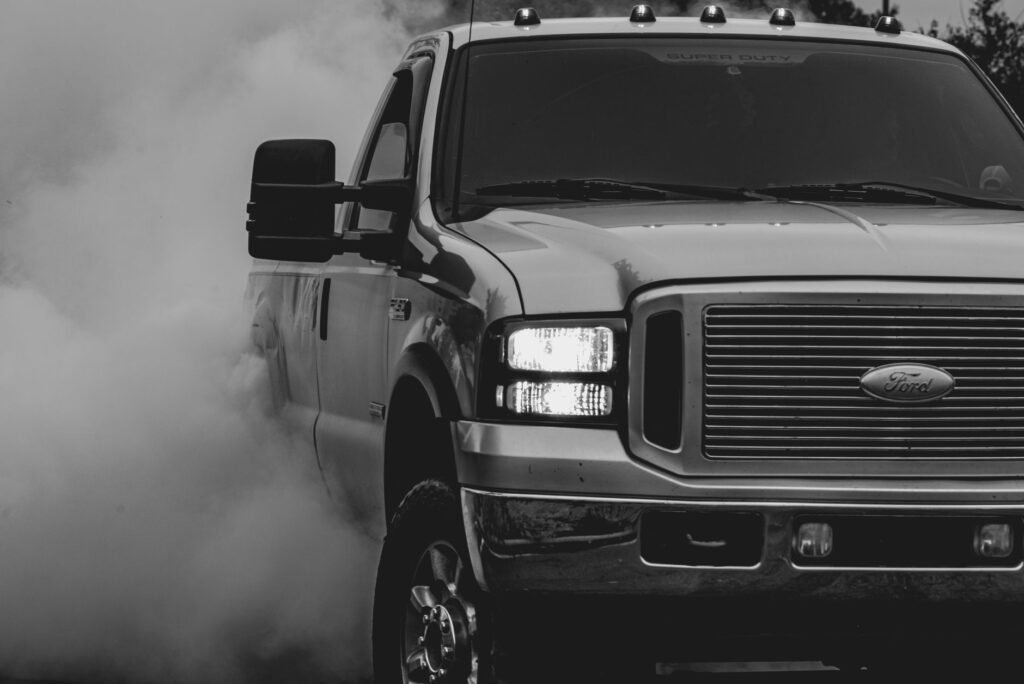
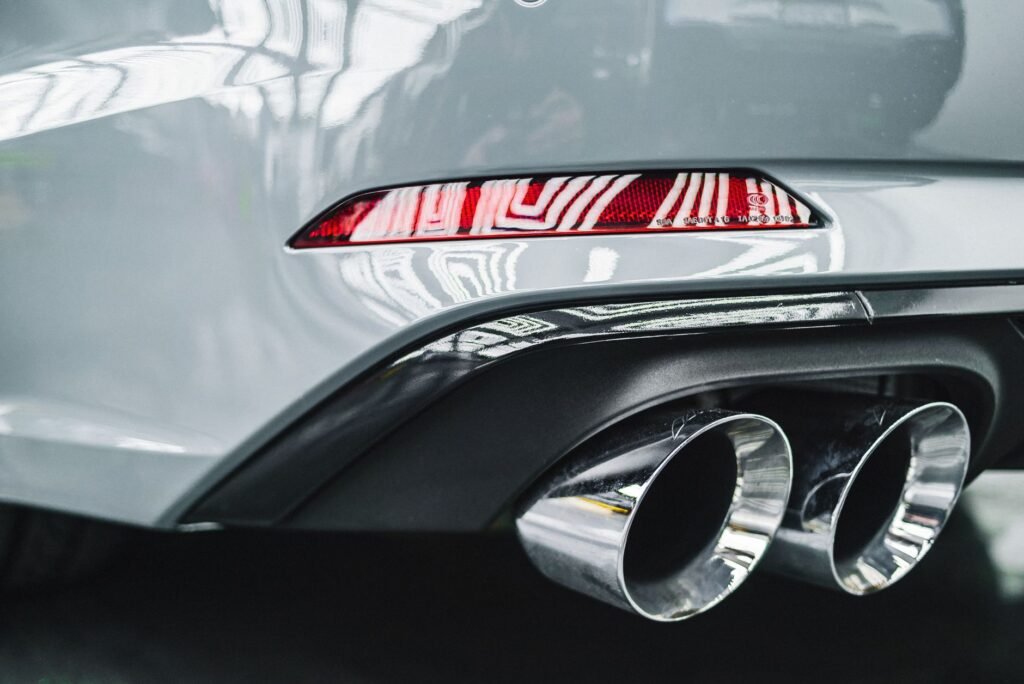
Blue Smoke
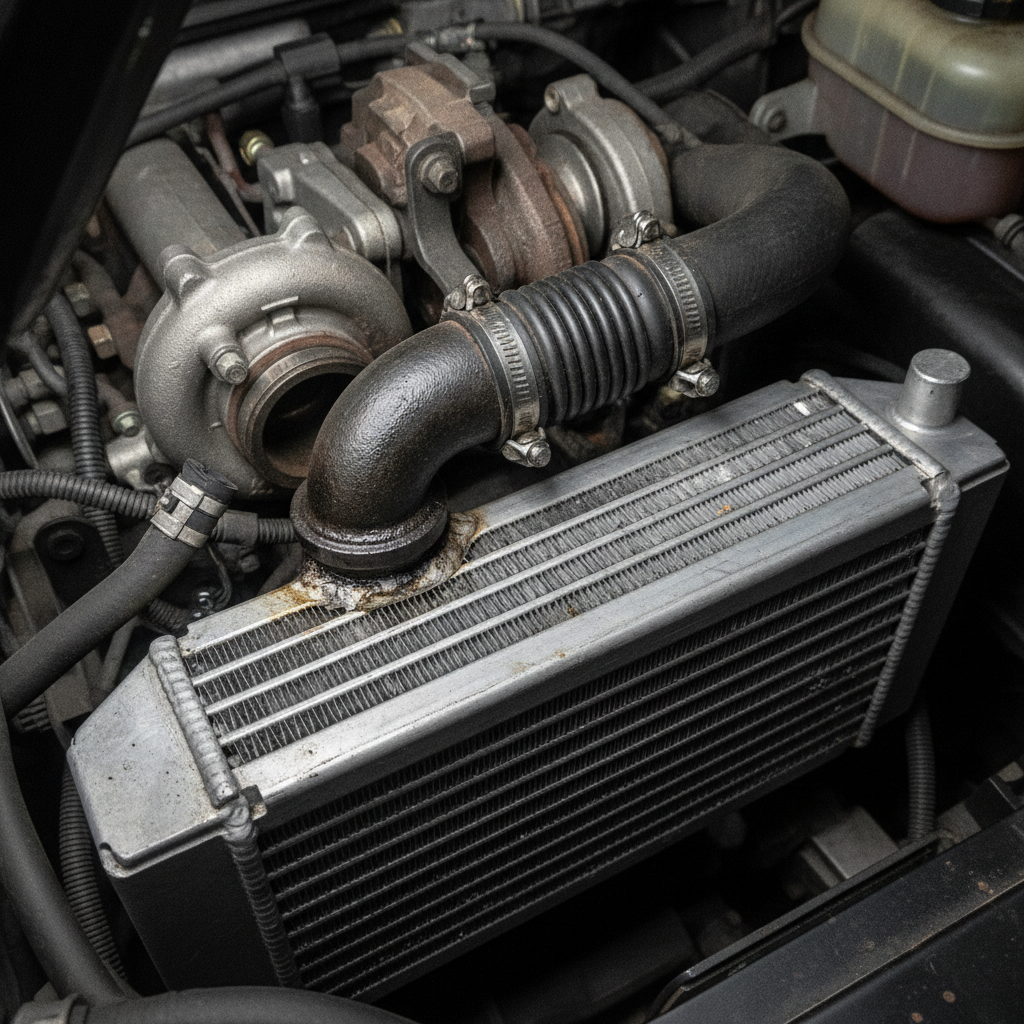
Turbo Seal Failure
Oil Burning
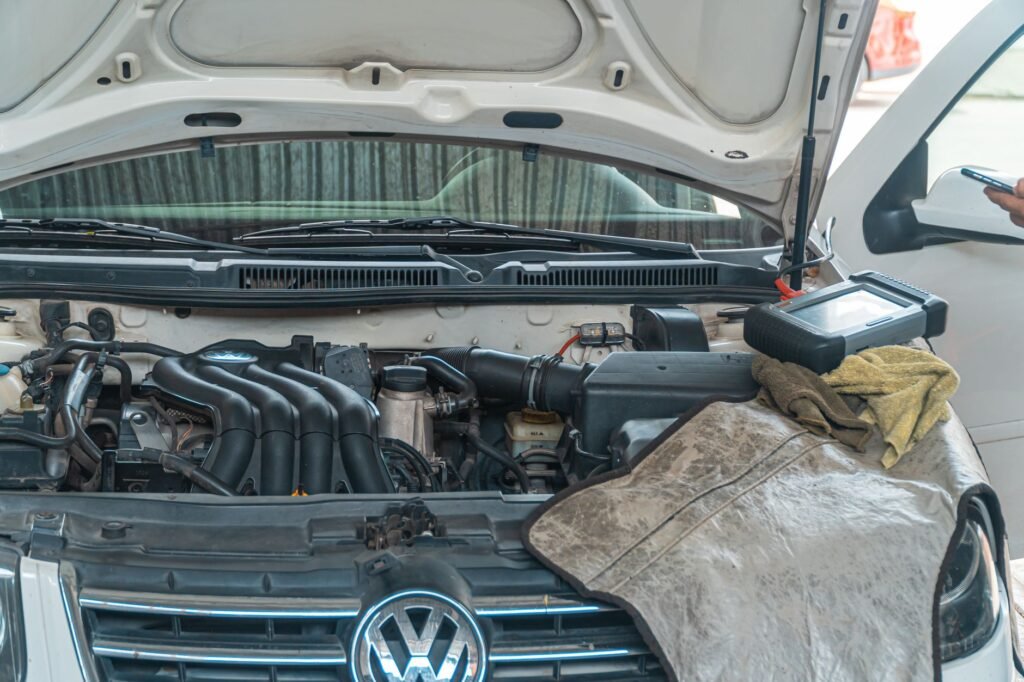
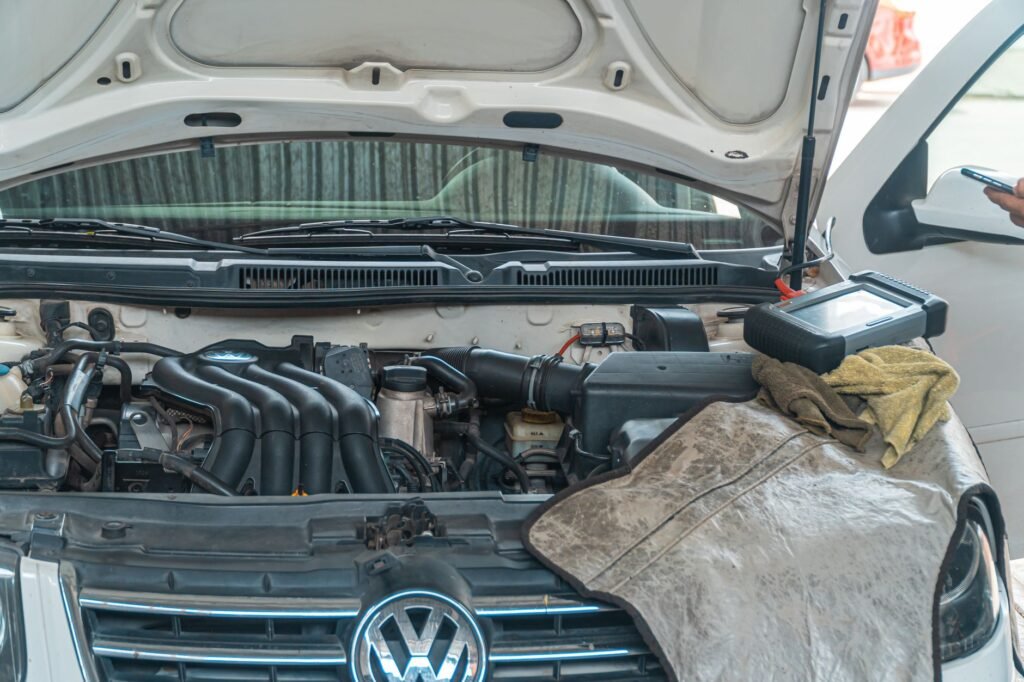
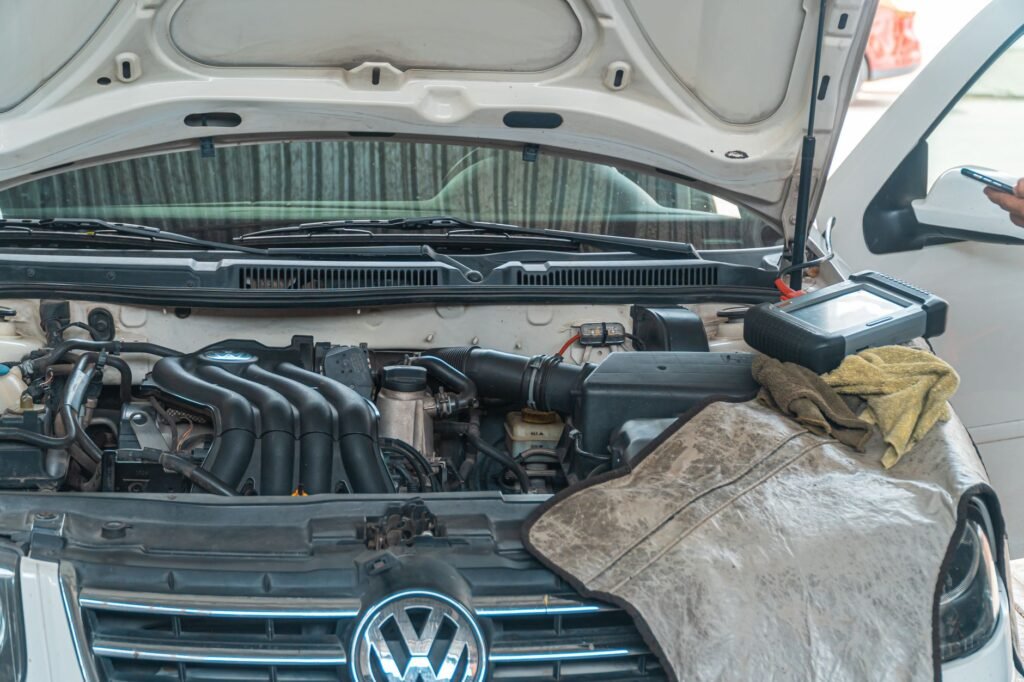
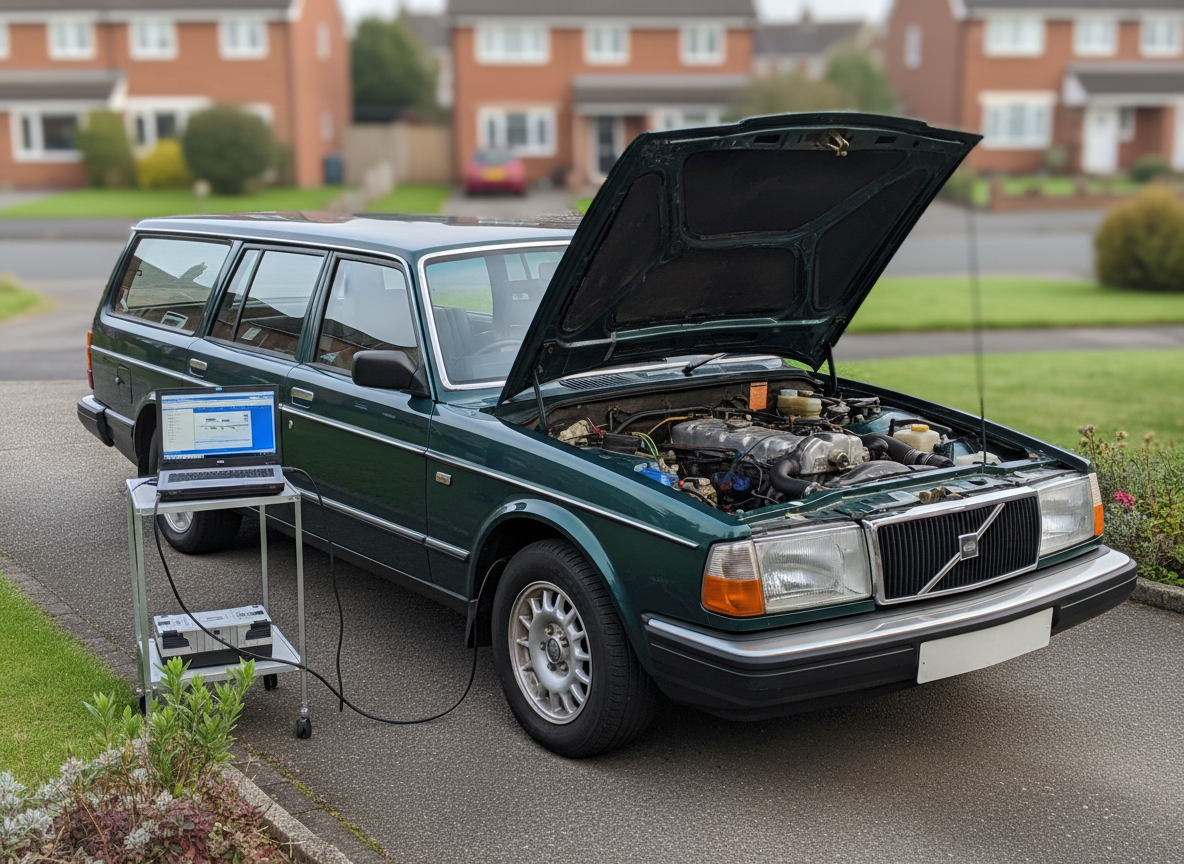
ECU Diagnostics
Blue vs White vs Black Smoke: A Quick Guide
Not all diesel smoke is the same. Understanding the colour helps you identify where the problem lies before spending money on diagnosis.
Blue or blue-grey smoke
This means oil is being burned in the combustion chamber. The cause is usually mechanical — worn seals, ring wear, or a turbocharger fault. It’s the least common type of diesel smoke but often the most concerning.
White smoke
White smoke on a cold start is usually unburned fuel vapour condensing in cold air and is normal in winter. Persistent white smoke at running temperature may indicate a coolant leak into the combustion chamber — possibly a head gasket fault.
Black smoke
Black smoke typically means the engine is running rich — too much fuel, not enough air. It’s common on diesel engines under hard acceleration and may point to a dirty air filter, blocked EGR valve, a failing DPF, or injector issues.
This article focuses on blue smoke, which specifically indicates oil entering the combustion process and is generally a sign of mechanical wear or turbo failure.
Common Causes of Blue Smoke in Diesel Engines
Worn piston rings or cylinder bores
Piston rings seal the combustion chamber from the sump. When they wear, oil from the sump can pass into the combustion chamber and burn alongside the fuel. This tends to produce blue smoke consistently across all engine speeds and is typically accompanied by increased oil consumption. It’s the most serious cause and generally indicates significant engine wear.
Diagnosis: a compression test or a leak-down test across cylinders will reveal uneven wear.
Turbocharger seal failure
The turbocharger spins on a shaft that passes through oil-lubricated bearings. If the oil seals on either end of the shaft fail, oil can be pulled into the compressor and intake side — and from there into the combustion chamber. Turbo seal failure is one of the most common causes of blue smoke on modern diesel engines.
Symptoms include blue smoke under hard acceleration, a burning oil smell, and sometimes a slight blue haze at idle after the car has been sitting. An OBD check may show boost-related fault codes.
Valve stem seals leaking
The valve stem seals prevent oil in the cylinder head from being drawn into the combustion chamber past the intake and exhaust valve stems. When they harden and crack with age, oil can seep past. The most distinctive sign is a puff of blue smoke on start-up, which clears after the engine has been running for a minute or two, before oil pools on the seals overnight can be burned off.
Overfilled engine oil
This is an easily overlooked cause. If the engine oil level is too high, excess oil can be pushed into the crankcase breather system, drawn into the intake, and burned. Blue smoke caused by overfilling tends to clear once the excess oil is at a normal level. Check this first before assuming mechanical wear.
How to tell if it’s serious
Blue smoke that appears only on cold start and clears within a minute is usually valve stem seal wear — relatively affordable to repair. Blue smoke under load or at running temperature, especially combined with higher oil consumption, typically points to turbo seals or ring wear — which need professional attention.
Can a Remap Cause Blue Smoke?
A properly written remap on a mechanically sound engine will not cause blue smoke. However, there are two scenarios where a remap can reveal or contribute to blue smoke appearing:
Pre-existing turbo weakness
If your turbocharger’s oil seals are already borderline — not quite leaking yet, but close — increasing the boost pressure through a remap can push them over the threshold. The remap itself didn’t damage the seals, but the higher boost revealed the weakness. This is why a pre-remap health check matters on high-mileage vehicles.
Incorrect remap on a modified vehicle
A remap that pushes boost pressure beyond what the factory turbocharger can reliably handle can accelerate turbo wear. This is most relevant when pairing a remap with modifications that demand more than the standard turbo can deliver — a Stage 2 setup without the appropriate hardware. A Stage 1 remap on a standard engine shouldn’t cause this issue.
Blue smoke after a remap? Get it checked
If you notice blue smoke after a remap that wasn’t there before, book a diagnostic promptly. In some cases the issue is pre-existing and the remap simply made it visible. In rare cases, it may indicate a remap setting that needs adjustment. Either way, it should be investigated rather than ignored.
How ECU Diagnostics Can Help with Blue Smoke Faults
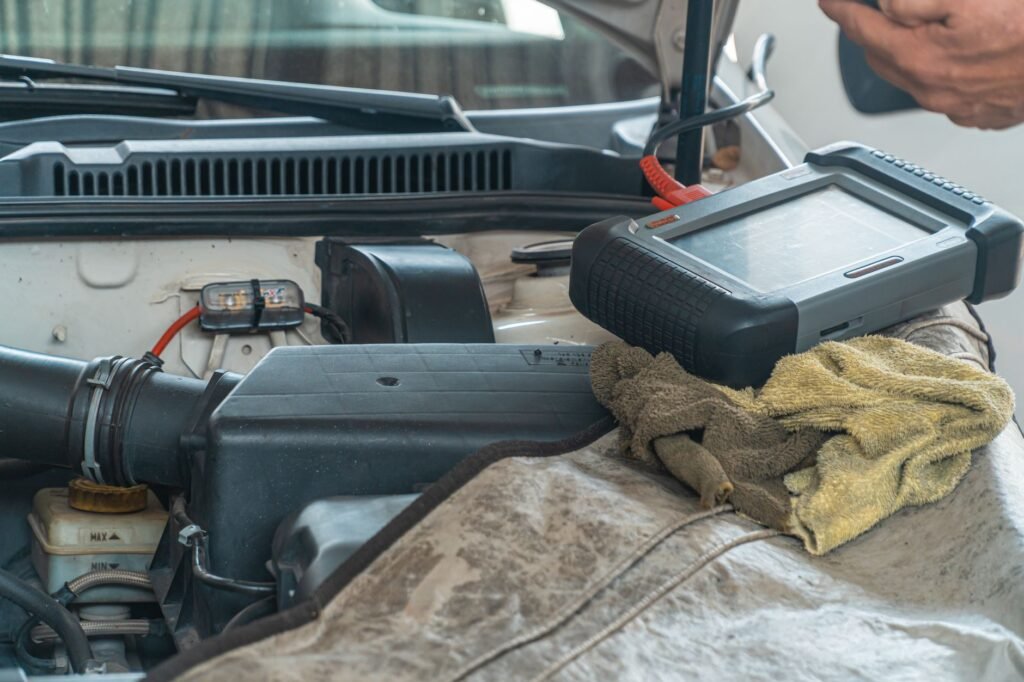
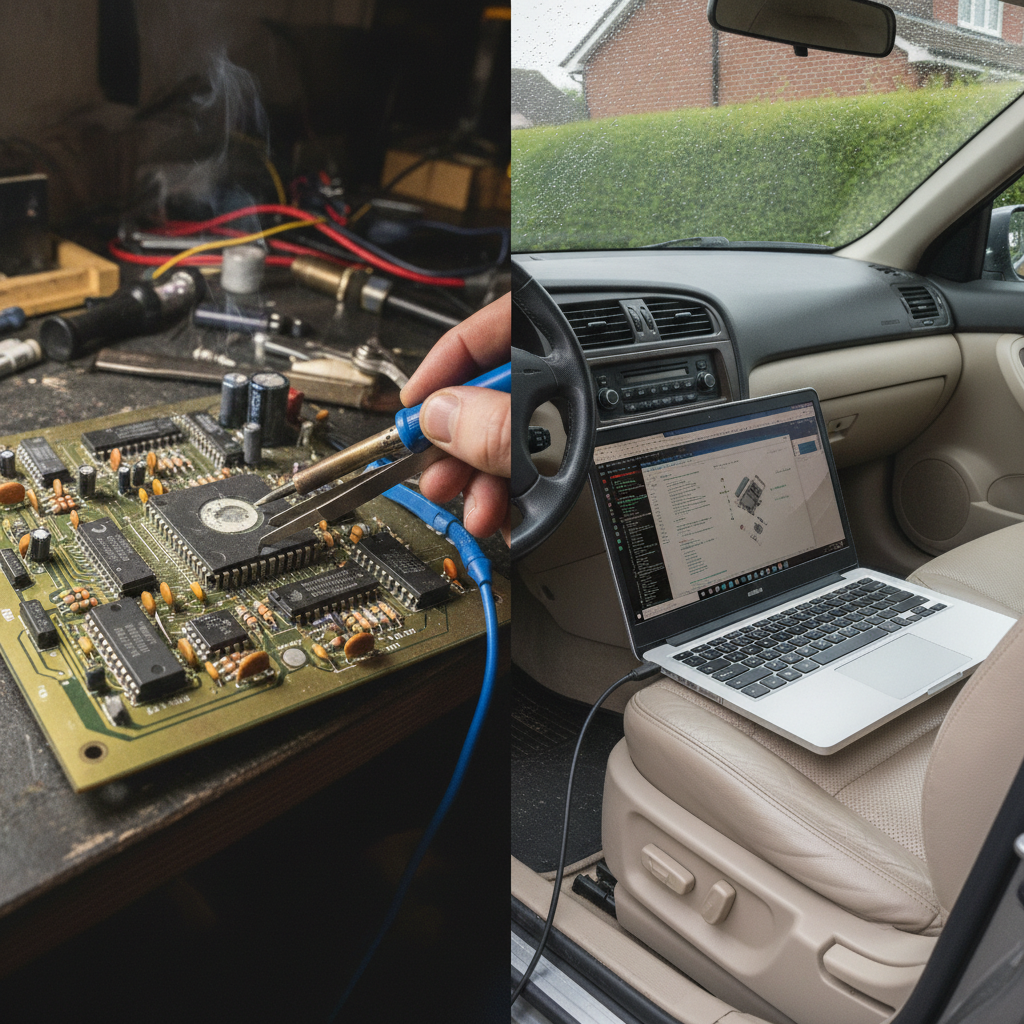
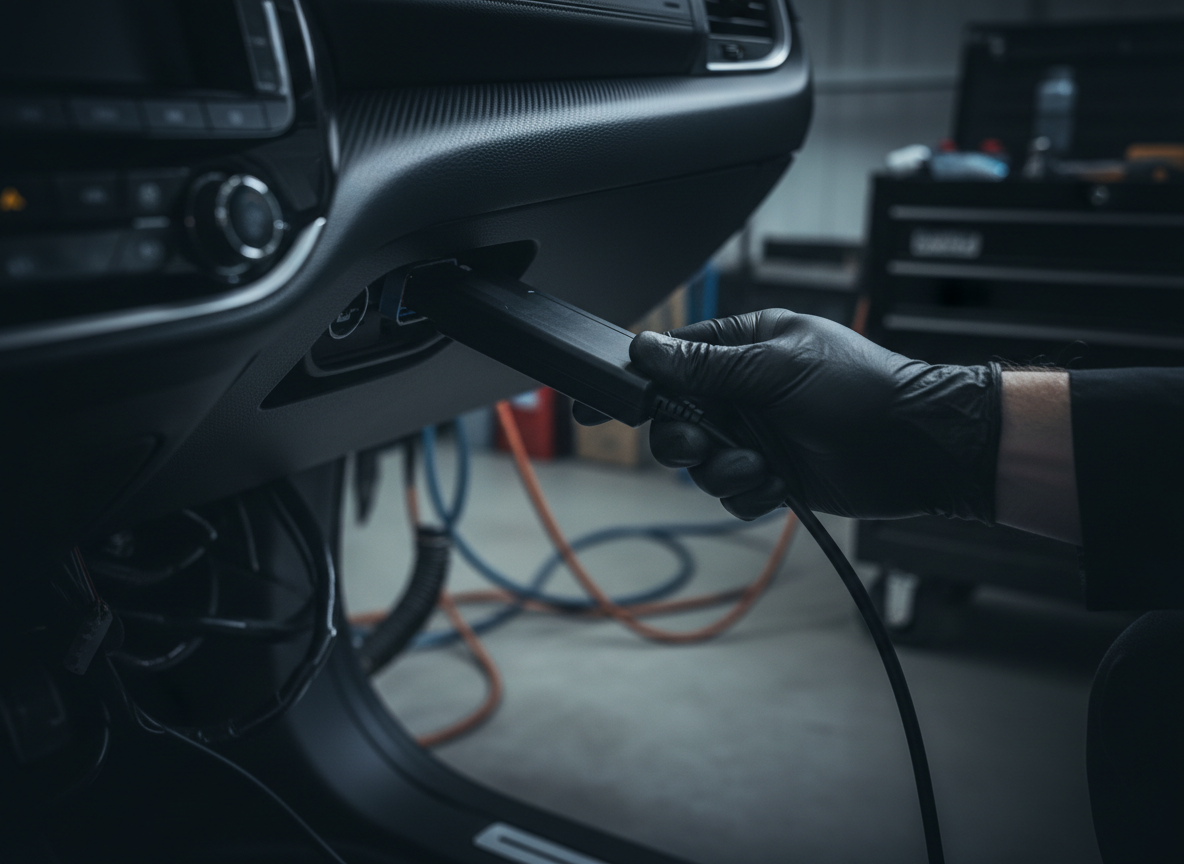
An OBD scan won’t directly tell you that you have blue smoke, but it can provide important supporting information:
- Boost pressure readings will show whether the turbocharger is reaching expected boost levels — a drop in peak boost can indicate a failing or oil-fouled turbo
- Fuel trim data can reveal whether the engine is compensating for oil contamination by adjusting fuel delivery
- MAF (mass airflow) sensor readings can indicate whether oil is fouling the sensor — a common secondary symptom of turbo oil leak
- Fault codes such as P0299 (underboost), P0300 (misfires), or P0101 (MAF sensor range) may accompany turbo seal failure
ECU data alone won’t confirm the cause of blue smoke — you’ll need a physical inspection too — but it provides useful context and can narrow down the investigation significantly before expensive dismantling work begins.
What to Do If You See Blue Smoke from Your Diesel
If you’re seeing consistent blue smoke — not just a cold-start puff — here are the steps to take:
- Check the engine oil level immediately. If it’s overfilled, drain to the correct mark and see if the smoke clears.
- Note when the smoke appears: cold start only, at idle, under acceleration, or constantly. The timing provides the clearest initial indicator of the cause.
- Check for oil consumption. If you’re losing oil between services, that points toward the combustion chamber rather than a simple external leak.
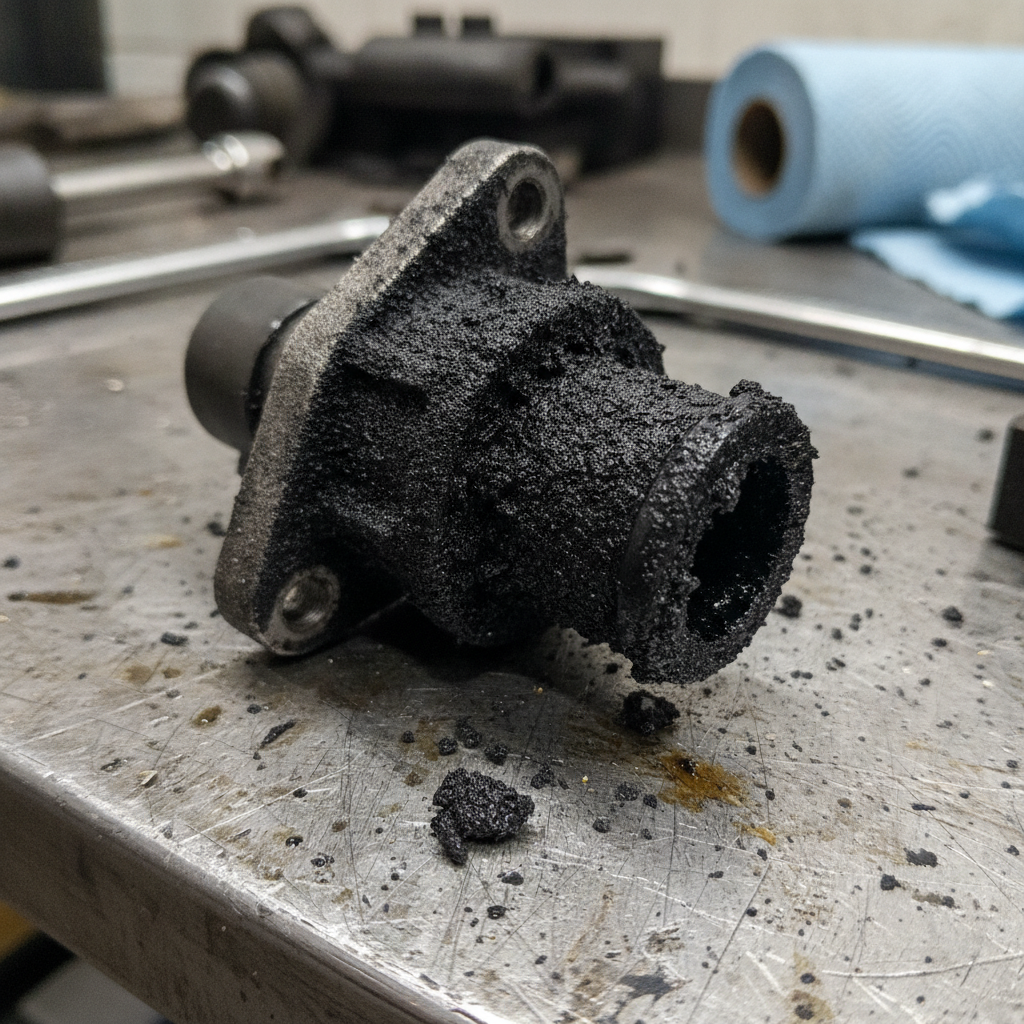
- Have the turbocharger inspected, particularly if smoke appears under hard acceleration or there’s a drop in power. Check the compressor housing for oil residue.
- Book an OBD diagnostic scan to check for boost, airflow, and fuel trim data alongside any stored codes.
Don’t continue driving heavily on an engine producing consistent blue smoke. The underlying problem is usually worsening with use, and the repair cost tends to increase the longer it’s left.
Remapping After an Engine Repair
If your diesel has had a turbocharger replacement, valve stem seal work, or ring and bore repair, a remap can be an excellent addition once the engine is confirmed healthy.
A rebuilt or replacement turbo on an engine that’s already remapped will need the remap to be checked and potentially re-applied, since turbos of the same specification can have slightly different characteristics. If you had a remap before the turbo was replaced, it’s worth having it verified after.
For vehicles that haven’t been remapped at all, a post-repair remap is a great opportunity to get improved performance and fuel economy from an engine that’s now in good working order. Leicester Remaps can advise on timing and what to check before booking the remap.
Book a Diesel Diagnostic or Remap Consultation in Leicester
If you’re dealing with blue smoke from your diesel or want to understand whether your engine is suitable for remapping, Leicester Remaps provides mobile diagnostic consultations and ECU remapping across Leicester, Leicestershire, and the Midlands.
- OBD diagnostic to support blue smoke investigation
- Pre-remap health check for high-mileage diesel engines
- Stage 1 remap for confirmed healthy diesel engines
- Mobile service — we come to your home or workplace
Find out more about our Mobile ECU Remapping service or contact us to discuss your diesel’s symptoms before booking.