Petrol vs Diesel Stage 1 Remap: Which Feels Better in Daily Driving?
A lot of drivers ask the same thing before booking a remap. Is a petrol Stage 1 remap better, or does a diesel feel stronger day to day? The honest answer is that both can work very well, but they deliver their gains in different ways. A remapped diesel usually feels stronger lower down the rev range. A remapped petrol often feels sharper, freer, and more eager as the revs rise. The better option depends on how you drive, what you use the car for, and what you expect to feel from the driver’s seat.
Petrol vs diesel
Daily driving
Mobile remapping
Quick answer
If you want easy low-down shove, relaxed overtaking, and a car that feels stronger without needing revs, a diesel Stage 1 remap often feels better in normal daily driving. If you want quicker throttle pick-up, a livelier engine, and a more eager feel through the rev range, a petrol Stage 1 remap often feels more enjoyable. Neither is automatically better. The best choice is the one that matches how you drive every day.
That matches the way Leicester Remaps presents Stage 1 tuning on the live site. The service page focuses on stronger torque, sharper throttle response, smoother delivery, and better day-to-day driveability rather than treating every vehicle the same. The site also confirms that both turbo petrol and turbo diesel vehicles are usually suitable for a safe Stage 1 remap. :contentReference[oaicite:3]{index=3}
What Stage 1 means on petrol and diesel
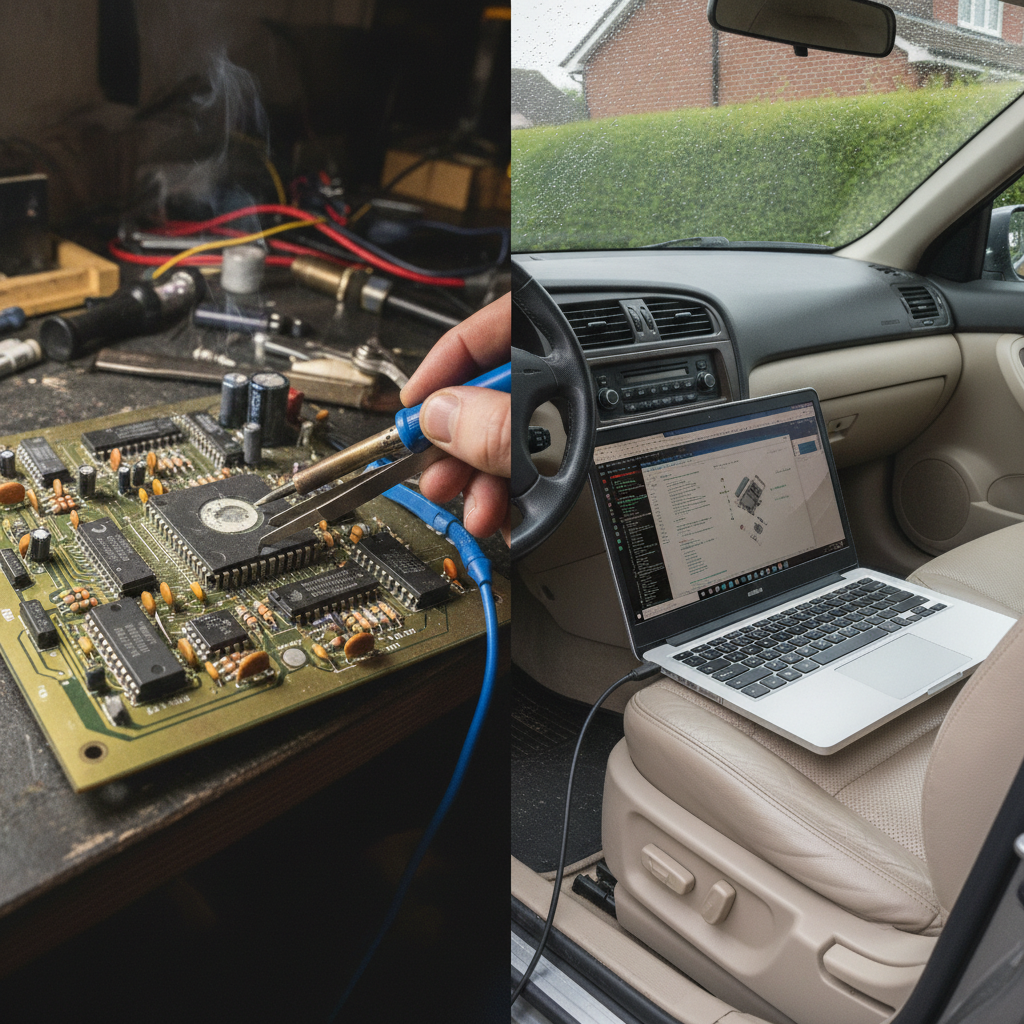
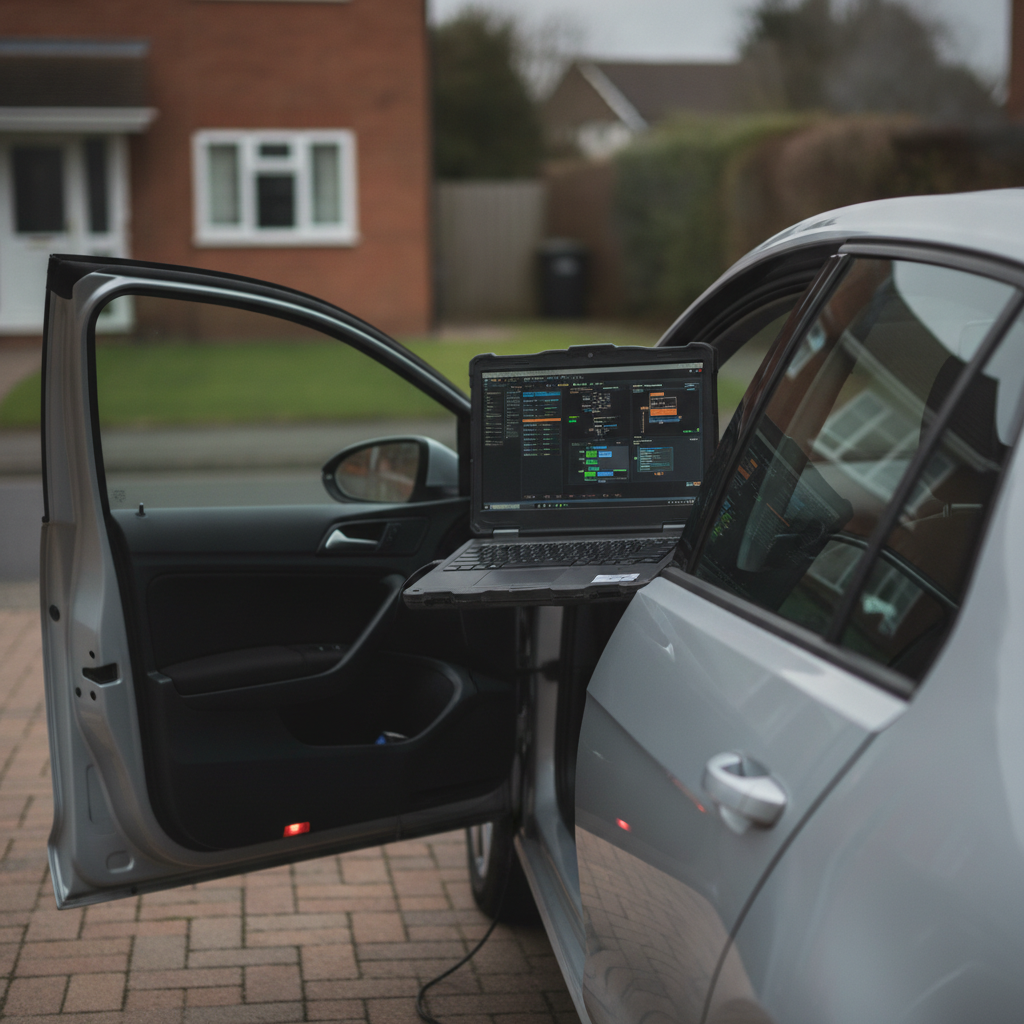
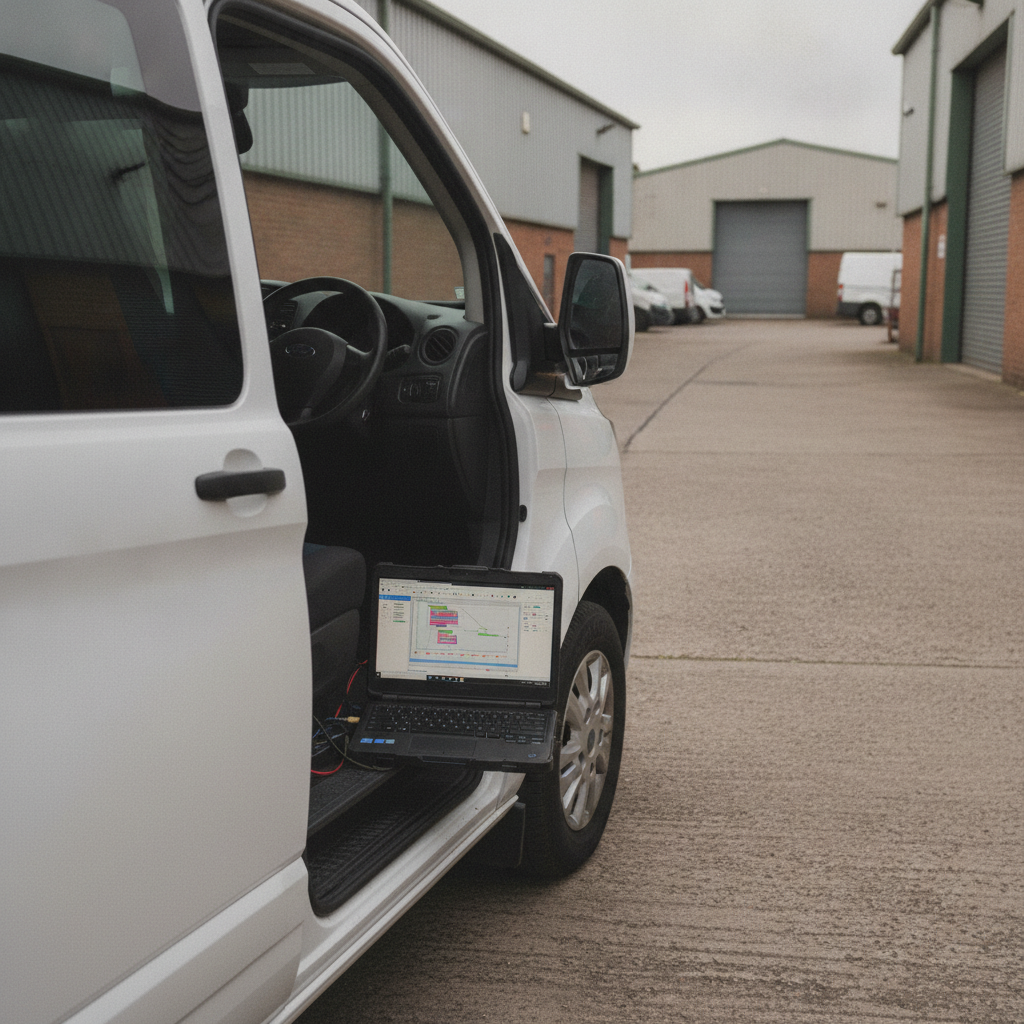
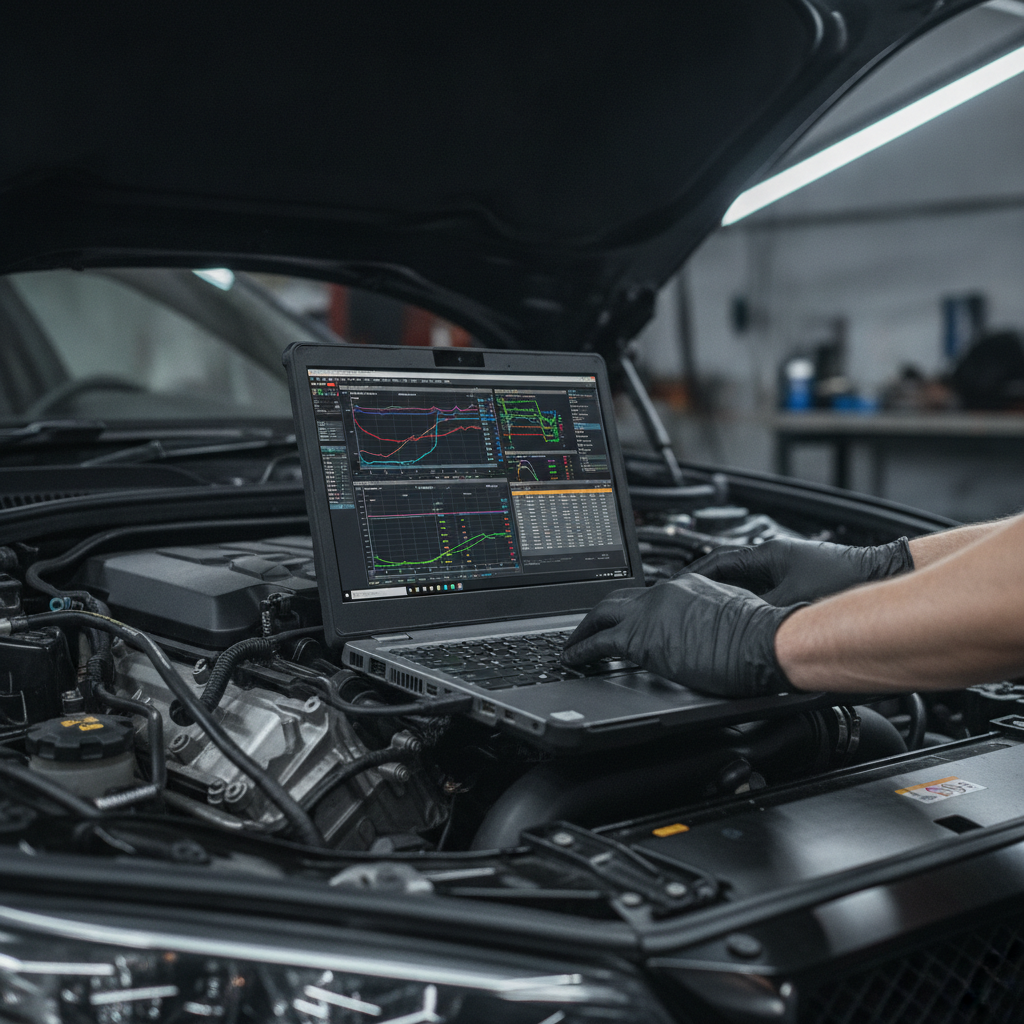
A Stage 1 remap is a software-only calibration. That means the gains come from adjusting the ECU setup rather than fitting hardware first. Leicester Remaps describes Stage 1 as a custom-written calibration with no hardware upgrades required on most vehicles, carried out with professional tools and mobile installation at your home or workplace. :contentReference[oaicite:4]{index=4}
On both petrol and diesel engines, the remap can alter things like throttle mapping, torque request, boost behaviour, and fuelling strategy. The reason the end result feels different is simple. Petrol and diesel engines make power in different ways. A diesel tends to build strong torque earlier. A petrol usually rewards revs more and often feels lighter and sharper when it comes on song.
That is why comparing headline bhp alone misses the point. Two cars can gain a similar number on paper and still feel completely different in town, on the motorway, or during an overtake.
The main difference you feel on the road
The shortest way to explain it is this.
- A remapped diesel usually feels stronger earlier
- A remapped petrol usually feels keener higher up
Diesels tend to give you that push in the back sooner. You press the throttle and the car gets on with it. That makes them feel easy, flexible, and effortless in everyday use. Petrols tend to feel more eager and responsive, especially if you enjoy using more of the rev range. That can make them feel more exciting even when the daily benefit is harder to measure in pure practicality.
Leicester Remaps already points to this on the Stage 1 page. The live copy talks about more torque at lower rpm, smoother acceleration, and easier overtakes. It also shows examples of both diesel and petrol vehicles responding well, but with different kinds of gains and notes about how they drive afterwards. :contentReference[oaicite:5]{index=5}
How a diesel Stage 1 remap usually feels
A good diesel Stage 1 remap often feels stronger the moment you pull away. You do not have to work the engine as hard to get moving. In normal traffic, that makes a big difference. The car feels less lazy. It picks up speed more cleanly. Overtakes can feel shorter and less stressful because the extra shove arrives where you actually use it.
This is why diesel remaps are so popular on daily drivers, family cars, vans, and tow vehicles. The benefit is easy to notice in the middle of the rev range, which is where a lot of real road driving happens. Leicester Remaps highlights stronger mid-range pull, better driveability when towing or carrying load, and increased bhp on turbo diesels on the Stage 1 page. It also gives a Ford Focus ST TDCi example that moves from 150 bhp to 185 bhp and from 350 Nm to 420 Nm, with notes about sharper mid-range pull and smoother motorway driving. :contentReference[oaicite:6]{index=6}
In plain English, a diesel Stage 1 remap often feels useful straight away. You notice it leaving junctions, climbing hills, joining faster roads, and carrying weight. It is less about chasing the top of the rev counter and more about making the car feel stronger in the range you use most.
| What drivers often notice on a diesel | How it shows up in daily use |
|---|---|
| Earlier torque | Less effort pulling away and easier overtakes |
| Stronger mid-range | Better motorway joining and fewer gear changes |
| Improved flexibility | More relaxed driving with passengers, tools, or load |
| Smoother response | Less flat feeling in normal traffic |
How a petrol Stage 1 remap usually feels
A petrol Stage 1 remap often feels more eager than a diesel rather than more muscular. You usually notice sharper response first. The engine picks up more cleanly. The car feels more alert. On the right turbo petrol platform, the extra punch can be very obvious, but it often arrives with a different character to a diesel.
Where a diesel says, “push now”, a petrol often says, “keep going”. It can feel smoother and more willing through the rev range, which suits drivers who enjoy a more lively feel. Leicester Remaps lists turbo petrol vehicles as suitable for Stage 1 and gives examples such as the Fiesta ST 1.5 EcoBoost moving from 200 bhp to 230 bhp and the BMW M140i moving from 340 bhp to 400 bhp on the live Stage 1 page. Those examples show why some petrol owners love Stage 1 so much. The gains can be strong, but the real change is often the extra urgency and sharper feel. :contentReference[oaicite:7]{index=7}
For daily driving, petrol often suits people who want the car to feel lighter on its feet rather than simply heavier in the mid-range. If you like a responsive throttle and a more energetic engine note and feel, petrol can be the more satisfying choice.
Petrol often feels more playful. Diesel often feels more effortless. That is usually the difference a driver notices first.
Which is better for daily use?
If you mean easiest, most effortless, and most noticeable in routine driving, diesel often wins.
If you mean most enjoyable for a driver who likes response and revs, petrol often wins.
That is not a vague answer. It is the most honest one. Daily driving means different things to different people.
Diesel may feel better daily if you:
- Do a lot of motorway miles
- Carry tools, passengers, or load
- Use a van or tow regularly
- Want strong overtaking without needing to rev hard
- Prefer relaxed, easy progress
Petrol may feel better daily if you:
- Do shorter mixed journeys
- Prefer a more eager and lively engine feel
- Enjoy sharper throttle response
- Drive a turbo petrol hatch or performance model
- Want the car to feel more fun rather than just more capable
Leicester Remaps supports both kinds of driver. The mobile remapping page talks about more pull, smoother throttle, better fuel economy, and stronger overtakes, while the Stage 1 page makes it clear that the tune is written around the exact ECU software, engine type, and driving needs. That matters because daily use is personal. A good Stage 1 remap should suit how the owner actually uses the car, not just what sounds good in a sales line. :contentReference[oaicite:8]{index=8}
What about fuel economy?
This is where people often expect a simple winner. Realistically, both petrol and diesel can benefit if the car is healthy and you drive in a way that takes advantage of the extra efficiency. Leicester Remaps says Stage 1 can improve fuel economy on some vehicles, especially on steady runs, and the wider mobile remapping page also references improved engine efficiency. The pricing page adds a more specific note that fuel efficiency can improve, while making it clear that results vary by vehicle condition and driving style. :contentReference[oaicite:9]{index=9}
In practice, diesel often has the easier route to mpg gains because the added low-down torque means less effort is needed in everyday driving. Still, that does not mean every remapped diesel will suddenly become much cheaper to run. Driving style still matters. Use the extra torque all the time and the saving can disappear.
Petrol can also improve slightly in the right conditions, but most drivers choosing a petrol remap are doing it for response and performance feel first.
Never treat fuel economy gains as guaranteed. Vehicle health, route type, and how you use the extra performance all affect the result.
Who should choose petrol and who should choose diesel?
Choose a diesel Stage 1 remap if your goal is usable shove, easier driving under load, and a car or van that feels stronger without fuss. Diesel is often the better fit for people who spend time on faster roads, cover decent mileage, or simply want the car to feel more capable every time they press the throttle.
Choose a petrol Stage 1 remap if you want the engine to feel sharper and more responsive, and you care as much about how the car reacts as the raw increase itself. Petrol usually suits drivers who want a more lively feel and enjoy using the rev range rather than just leaning on torque.
Neither answer is about one fuel being “best”. It is about matching the remap to the owner.
What to check before booking
Before choosing between petrol and diesel, check three simple things.
- Your real driving pattern
Think about where the car spends its time. Urban stop-start, motorway miles, mixed commuting, weekend fun, towing, or carrying load. - Your vehicle condition
A healthy car matters more than the fuel type. Leicester Remaps puts emphasis on diagnostics before and after tuning, original ECU backup, and custom-written files rather than generic maps. :contentReference[oaicite:10]{index=10} - Your expectation
Do you want easier everyday pace, or a more exciting engine feel? That answer usually points you in the right direction straight away.
The site also makes clear that vehicle quotes are specific to the engine type, ECU platform, and tuning method. That is another reason not to judge the decision by broad forum numbers alone. :contentReference[oaicite:11]{index=11}
The right next step
If you are stuck between petrol and diesel, the best next step is not guessing from online arguments. It is checking what your own vehicle is likely to gain and what kind of result suits the way you drive. Leicester Remaps offers a mobile service across Leicester and surrounding areas, with vehicle-specific Stage 1 calibration, home or workplace fitting, and checks around compatibility and expected gains. :contentReference[oaicite:12]{index=12}
That matters because the better daily driver is not always the one with the bigger number. It is the one that feels right in the way you actually use it.
Want to know whether petrol or diesel is the better Stage 1 option for your car?
Send your make, model, engine, and reg to Leicester Remaps and get a realistic answer based on your vehicle, ECU, and driving needs. That is the easiest way to find out whether your car will benefit more from diesel-style low-down shove or petrol-style sharper response.
Final thought
For sheer everyday effortlessness, diesel often feels better after a Stage 1 remap. For a sharper, livelier, more eager drive, petrol often feels better. The right answer depends on what you want the car to do for you each day. Get that part right and Stage 1 makes far more sense than chasing a headline figure alone.
FAQs
Is a diesel Stage 1 remap better for motorway driving?
It often is. The extra low-down torque and stronger mid-range can make motorway joining, overtaking, and carrying load feel easier and more relaxed.
Does a petrol Stage 1 remap feel faster than diesel?
Sometimes, yes. A petrol can feel sharper and more eager, especially if you enjoy using the rev range. A diesel may still feel stronger lower down.
Which is better for fuel economy after a remap?
Neither is guaranteed to be better in every case. Diesel often has the easier route to mpg improvements in steady driving, but vehicle condition and driving style still matter.
Can both petrol and diesel have a safe Stage 1 remap?
Yes, many turbo petrol and turbo diesel vehicles are suitable for Stage 1, provided the car is healthy and the calibration is written properly for the vehicle.
Should I choose by bhp gain alone?
No. Daily driving feel is often shaped more by torque delivery, throttle response, and where the engine makes its gains than by the peak bhp figure on its own.