Can You Clean an EGR Valve Instead of Replacing It? What Actually Works
EGR valve cleaning is the cheapest thing anyone will suggest to you, and on roughly half the valves we see it is genuinely the right call. The other half are electrically dead, and no amount of cleaner in the world brings those back.
Diesel diagnostics
Mobile service across Leicestershire
On this page
- The short answer
- Why EGR valves clog in the first place
- The three cleaning methods, and what each one really does
- Four faults cleaning will never fix
- Clean, replace or delete: an honest comparison
- Where the MOT sits in all this
- How to make a clean last longer than six months
- Frequently asked questions
EGR valve cleaning: the direct answer
Yes, you can usually clean an EGR valve instead of replacing it — but only when the fault is carbon fouling rather than an electrical failure. If the valve is sticking, slow to respond or throwing a flow-related code, cleaning often restores it. If the position sensor or the motor has failed, or the housing is cracked, cleaning changes nothing and the valve needs replacing.
That distinction is the whole article. Almost every guide online treats “EGR valve cleaning” as one decision with one answer, when in practice it is a diagnosis first and a job second. Get the diagnosis right and cleaning is excellent value. Get it wrong and you have spent an afternoon, or somebody’s labour bill, on a valve that was never going to recover.
Why EGR valves clog in the first place
Exhaust gas recirculation deliberately routes a measured amount of exhaust back into the intake. The point is to lower peak combustion temperature, because that is where oxides of nitrogen form. It works, and it is part of how modern diesels meet their emissions figures.
The side effect is that you are feeding soot-laden gas into an intake tract that also carries a fine mist of oil vapour from the crankcase breather. Soot plus oil mist equals a sticky, tar-like deposit that bakes hard against hot metal. Over tens of thousands of miles it builds up on the valve seat, the pintle and the passages behind it.
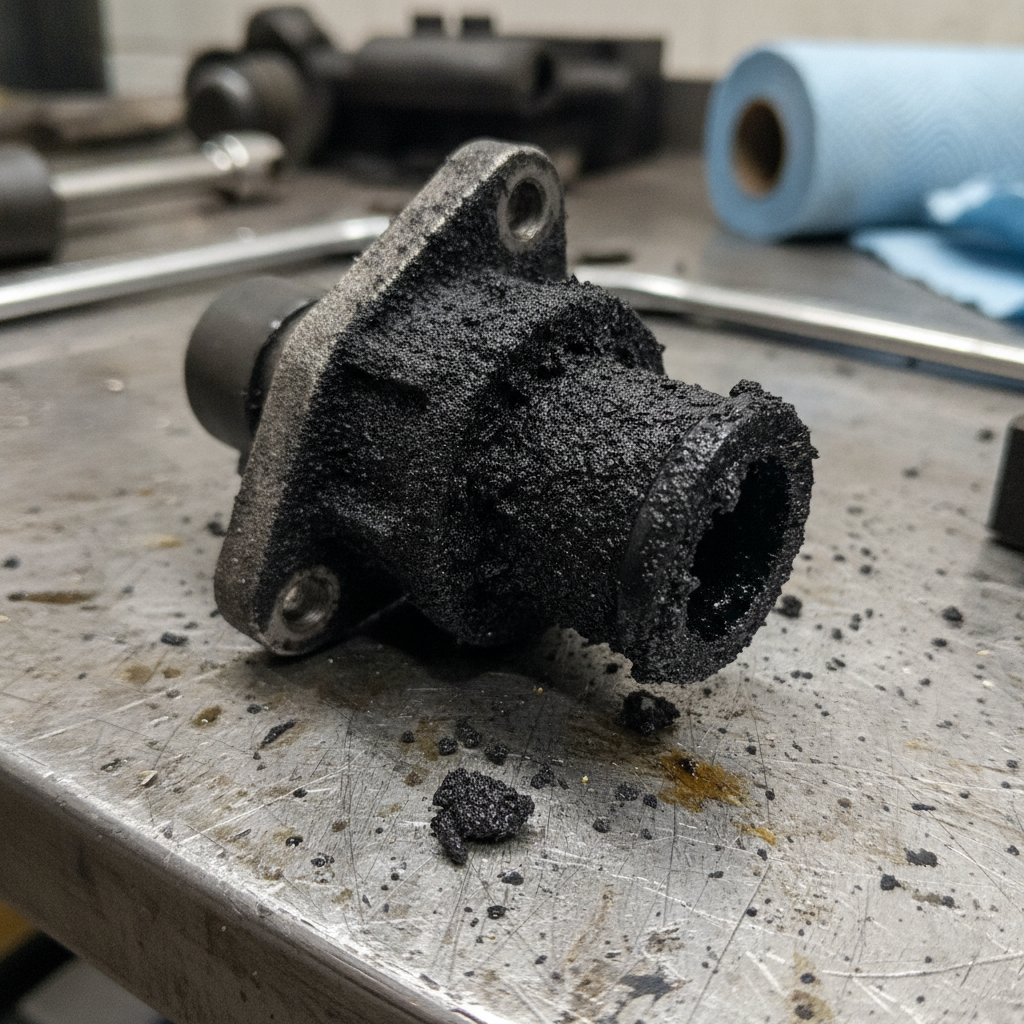
Two things accelerate it dramatically. The first is a duty cycle of short, cold journeys, where the engine never reaches the temperature at which deposits stay mobile. The second is an engine that is already producing more soot than it should — worn injectors, a leaking turbo seal, a restricted air filter.
That second point matters more than people expect. A valve that clogs solid again within a year is usually telling you about something upstream, not about the valve. We cover the wider picture in our guide to carbon build-up in a diesel engine, and if you want the component explained from scratch, start with what an EGR valve actually does.
The three cleaning methods, and what each one really does
These are not three grades of the same job. They are three different jobs with three different success rates, and they are frequently sold as though they were interchangeable.
1. In-situ aerosol and induction cleaners
A can of intake cleaner sprayed through the induction system, or a fluid drip-fed into the intake with the engine running. It is quick, cheap and requires no dismantling.
It also does the least. Aerosol cleaners soften surface deposits in the passages they can physically reach. They rarely reach the sealing face of the valve itself, which is where a sticking pintle actually binds. On a lightly sooted valve caught early it can buy time. On a valve that is already sticking, it is usually a way of postponing the real job by a few weeks.
2. Remove, strip and clean by hand
The valve comes off the engine, the carbon is softened with a proper carbon solvent and removed mechanically with picks, brushes and a lot of patience. Gaskets are replaced on refitting.
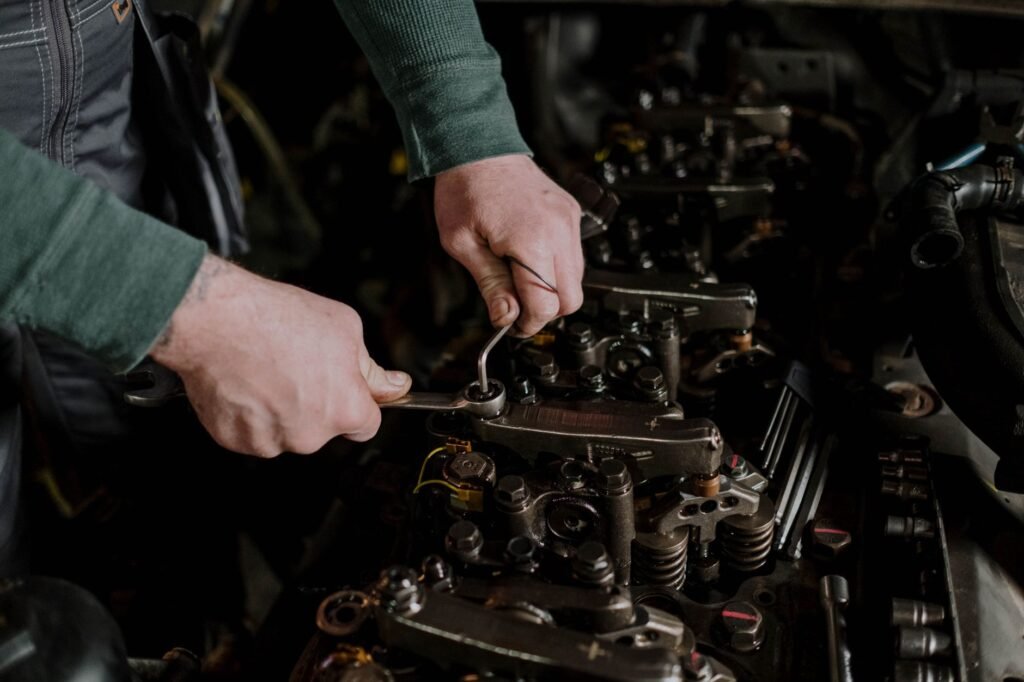
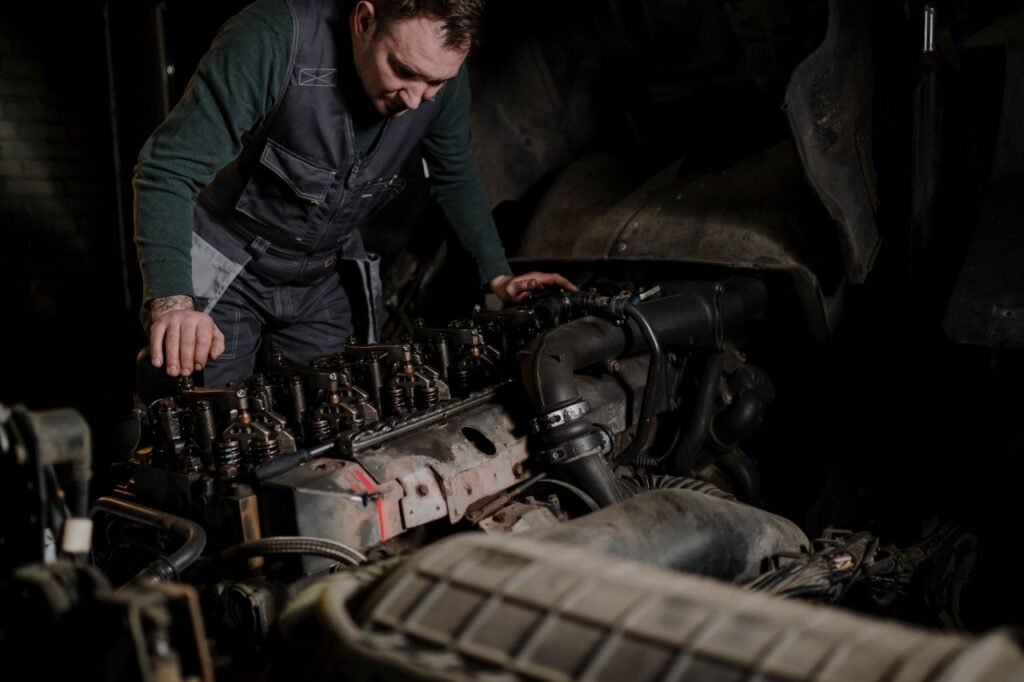
This is the method that works on the majority of fouled valves. It is also the method that tells you the truth, because with the valve in your hand you can feel whether the pintle moves freely, see whether the seat is pitted, and check the electrical side properly before you refit anything.
3. Ultrasonic tanks and media blasting
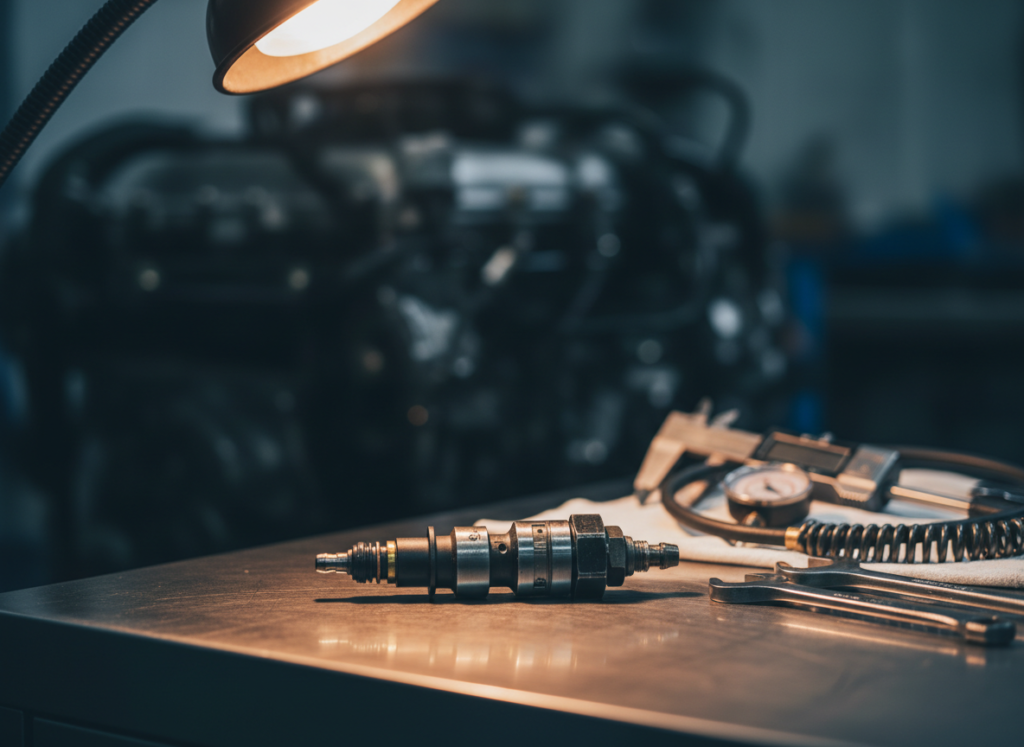
Workshop-grade processes. An ultrasonic bath lifts deposits out of passages a brush cannot reach; media blasting with a soft abrasive strips the housing back to clean metal. Both give the best finish and both cost the most.
They are worth it where the valve is expensive or slow to source, or where the intake manifold is coming off anyway. On a common valve that is cheap to buy new, the economics often point the other way, and an honest technician will say so.
The claim to be sceptical of
Nobody can tell you in advance how long a cleaned EGR valve will stay clean. It depends on the condition of the engine feeding it and how the vehicle is driven, and both vary enormously between cars of the same model and mileage. Any specific mileage figure quoted to you before the valve has been inspected is a guess dressed up as a specification.
Four faults cleaning will never fix
This is the part that decides whether you are spending money well. If any of the following apply, skip the cleaning conversation entirely.
- A failed position sensor. Electronic valves report their actual position back to the ECU. When that sensor drifts or dies, the ECU sees a valve that will not go where it is told, regardless of how clean it is.
- A failed stepper motor or solenoid. No drive, no movement. A spotless valve that cannot actuate is still a dead valve.
- A seized or scored pintle stem. Where carbon has been left long enough to score the bore, the valve will bind again almost immediately after cleaning.
- A cracked housing or a leaking cooler. Different fault, different part. Coolant getting into the exhaust stream is not a cleaning problem, and we cover its symptoms separately.
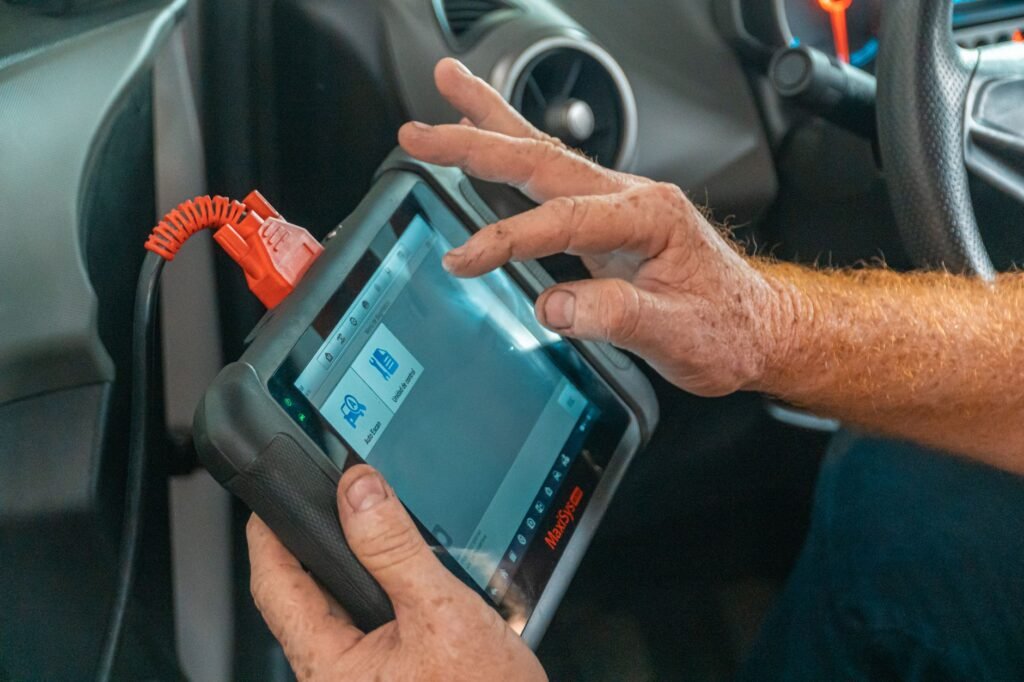
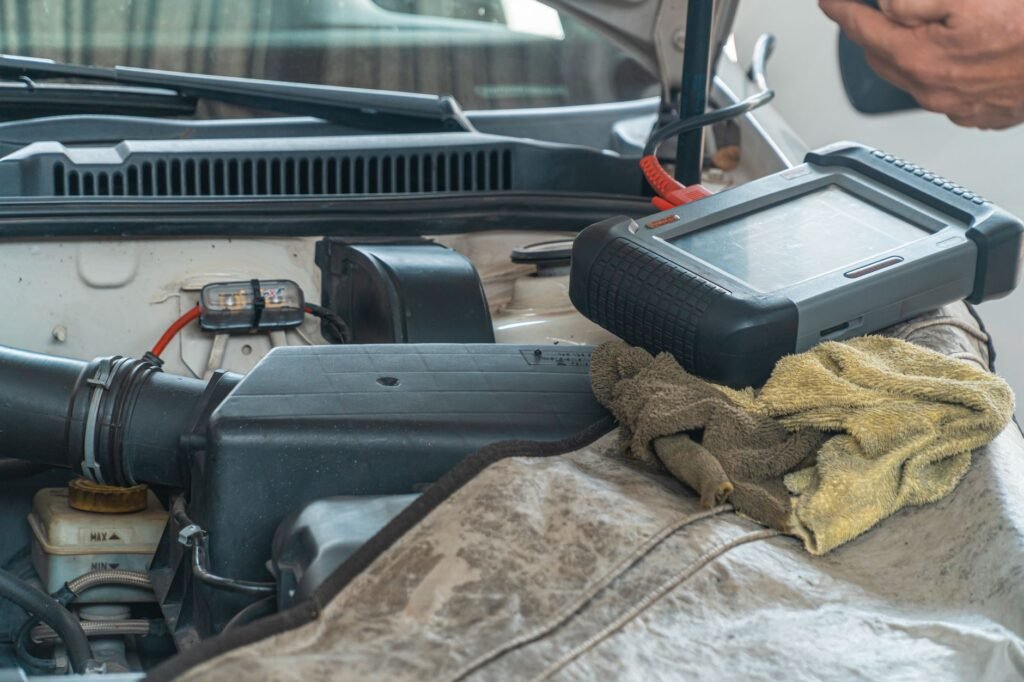
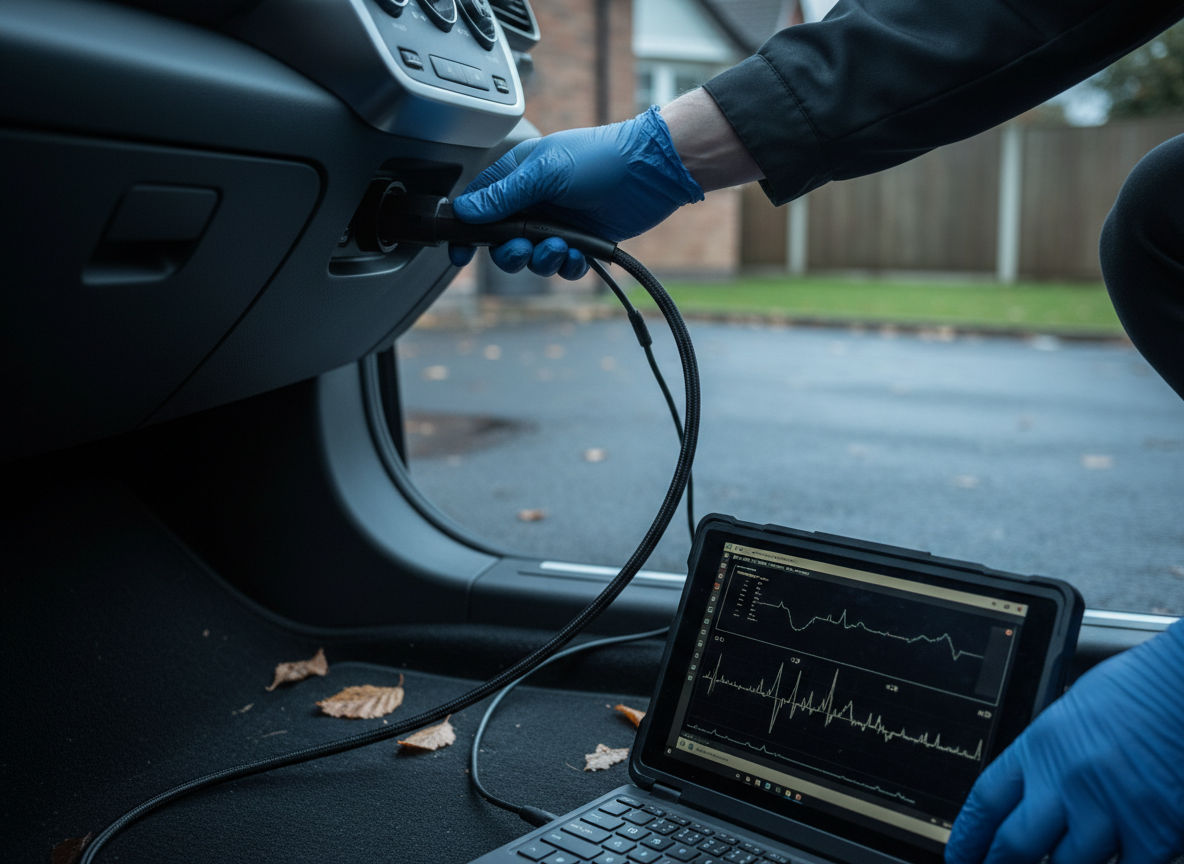
Distinguishing these takes live data rather than guesswork: commanded position against actual position, with the engine warm, watched while the valve is asked to sweep through its range. That is a ten-minute check with the right equipment and it is the single most useful thing anyone can do before quoting you for parts.
Clean, replace or delete: an honest comparison
Three options get put in front of drivers, and they are not equivalent in law or in outcome.
| Option | Fixes what | Leaves you with |
|---|---|---|
| Clean the existing valve | Carbon fouling, sticking, sluggish response | Original equipment in place, MOT position unchanged, fault may return if the cause upstream is untreated |
| Replace the valve | Everything cleaning fixes, plus electrical and mechanical failure | Original equipment in place, MOT position unchanged, highest parts cost |
| Delete or blank the EGR | Removes the symptom by removing the function | Emissions equipment no longer working as the manufacturer fitted it — see the MOT section below before considering it |
We are a remapping business, so it would be easy for us to steer every one of these conversations towards the software option. We do not, and the reason is simple: a valve that is merely dirty is a maintenance job, and selling somebody an irreversible change to fix a maintenance job is not good work.
We do not publish prices for cleaning or replacement on this page, because the labour varies enormously with how buried the valve is on your particular engine. Nothing here is a quote.
Where the MOT sits in all this
Cleaning and replacing are both MOT-neutral. You are putting the manufacturer’s emissions equipment back into working order, which is exactly what the test expects to find. Deleting is a different question, and the rules are more specific than most people realise.
The DVSA inspection manual tells testers they only need to check emission control components that are visible and identifiable, and for diesel engines it names diesel oxidation catalysts, diesel particulate filters, exhaust gas recirculation valves and selective catalytic reduction valves. Manufacturer-fitted emission control equipment that is missing, obviously modified or obviously defective is recorded as a Major defect, which is a fail.
There is a second route to a fail that catches people out. The engine malfunction indicator lamp is inspected on diesel vehicles with four or more wheels first used on or after 1 July 2008. If an unresolved EGR fault is holding the light on, the light alone is enough, whatever the smoke meter says.
For the full picture on what is and is not permitted, our guide to DPF and EGR delete MOT rules goes through it properly.
How to make a clean last longer than six months
A cleaned valve that fouls again quickly has not failed. It has been put back into the same conditions that ruined it the first time. Three things genuinely change the outcome.
- Give the engine sustained hot running. A weekly run long enough for the whole exhaust system to reach working temperature does more for deposit control than any additive. Short cold trips are the single biggest factor we see.
- Fix what is producing the extra soot. Injector condition, turbo seals, air filter restriction and breather condition all feed the problem. Clean the valve and ignore these, and you will be back.
- Use the correct oil specification and change it on time. Crankcase vapour is half the recipe for the deposit. Degraded oil produces more of it.
If the valve itself is sound but your engine keeps producing fault codes around EGR flow, the useful next step is a proper diagnostic session rather than another clean. Our overview of EGR solutions explains what we check and in what order.
Frequently asked questions
Can you clean an EGR valve without removing it?
You can treat it in place with an induction cleaner, and on a lightly fouled valve that sometimes helps. It will not reliably clean the sealing face or the pintle stem, which is where a sticking valve binds. If the valve is already sticking, removal is the only method with a decent success rate.
Will cleaning the EGR valve clear the fault code?
Not by itself. The stored code needs clearing with a diagnostic tool, and it will only stay cleared if the underlying fault is genuinely resolved. A code that returns within a few drive cycles after a clean usually means the fault was electrical, or that the real restriction is elsewhere in the EGR circuit.
How much does EGR valve cleaning cost?
It depends almost entirely on access. On some engines the valve is on the front of the manifold and out in twenty minutes; on others the inlet manifold has to come off first. That is why we quote after seeing the vehicle rather than publishing a figure — nothing on this page is a quote.
Is it better to clean or replace an EGR valve?
Clean it if the fault is carbon and the electrics test good, because you keep a known-working part and spend less. Replace it if the position sensor or motor has failed, if the stem is scored, or if the housing is damaged. The test result decides, not the price list.
Not sure whether your EGR valve is dirty or dead?
We read live commanded-versus-actual position data before anyone touches a spanner, and we will tell you plainly if cleaning is a waste of your money. Mobile diesel diagnostics across Leicester, Loughborough, Coalville, Hinckley and the wider county — we come to your driveway or workplace.
Contact Leicester Remaps to book a diagnostic, or read more about our EGR solutions.