Introduction:
In the realm of automotive performance enhancement, diesel engine remapping stands out as a popular technique for unlocking hidden power and torque. However, amidst the discussions of increased performance, a pertinent question arises: Can remapping a diesel engine also lead to improvements in fuel efficiency? In this comprehensive article, we’ll delve into the intricacies of diesel engine remapping and its potential impact on fuel economy.
Understanding Diesel Engine Remapping:
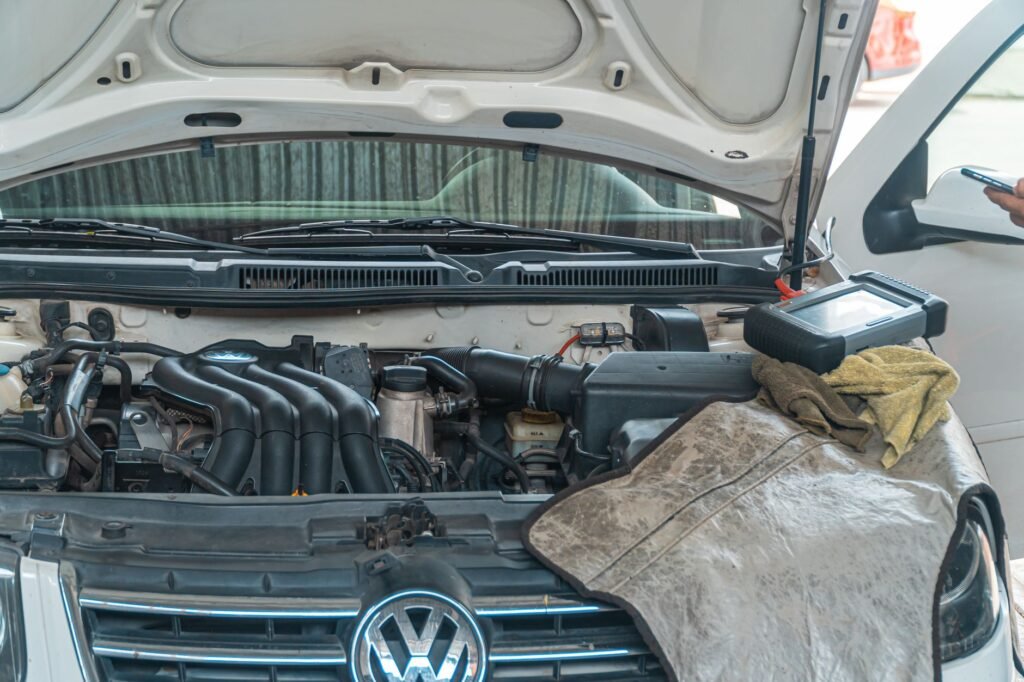
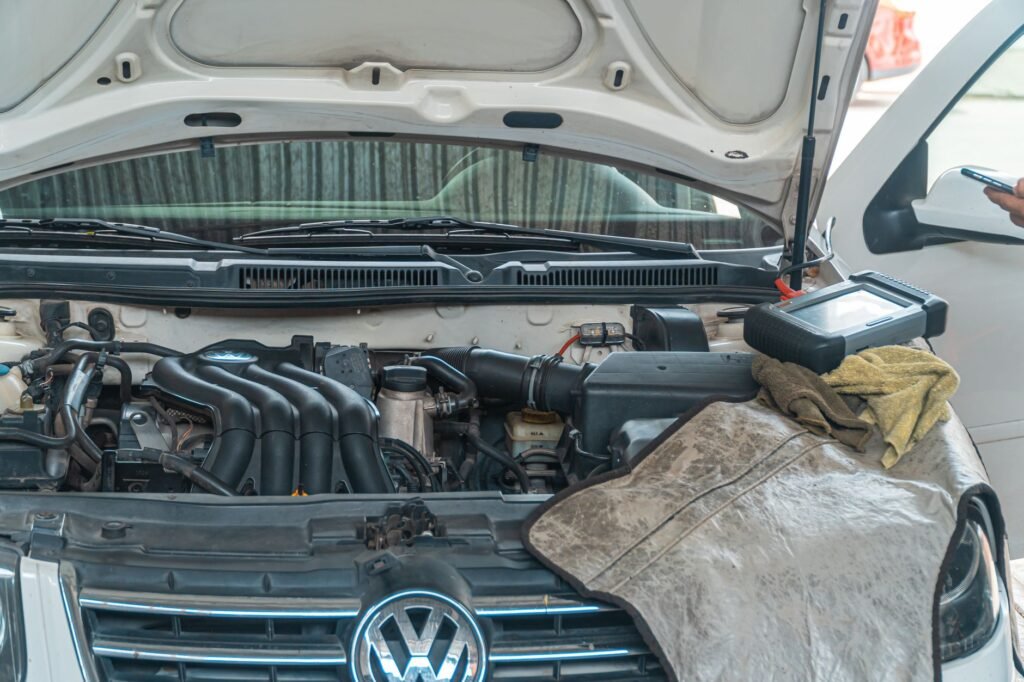
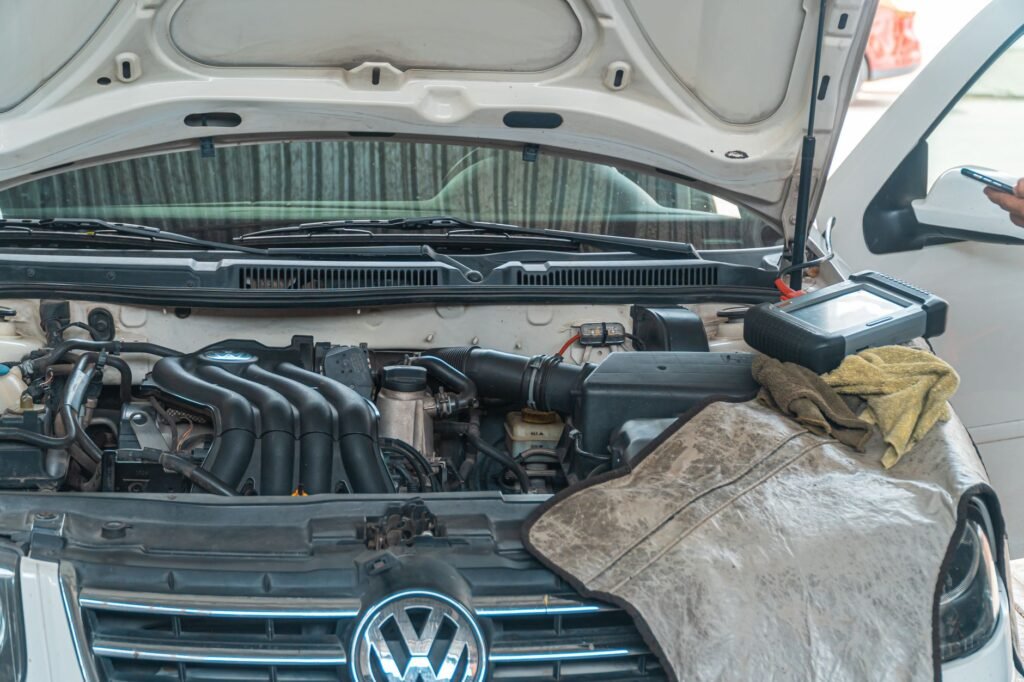
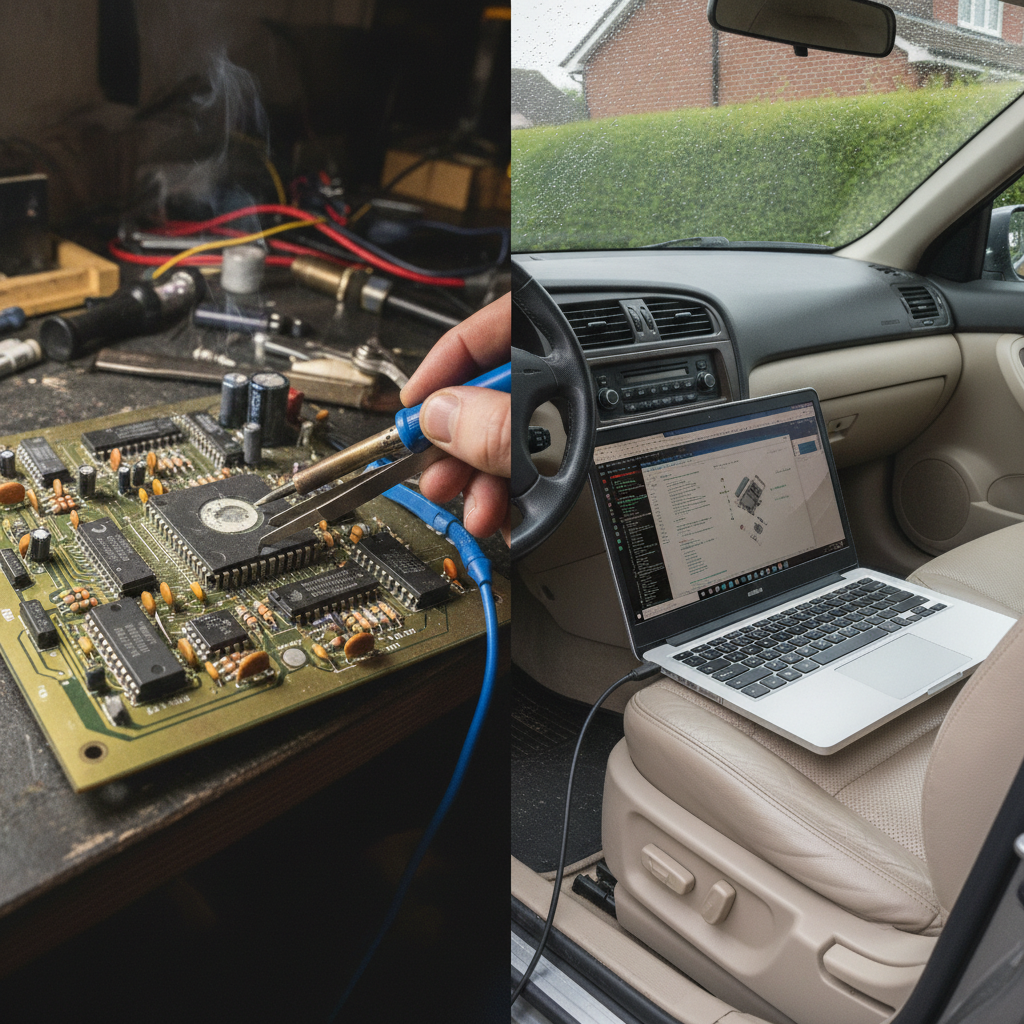
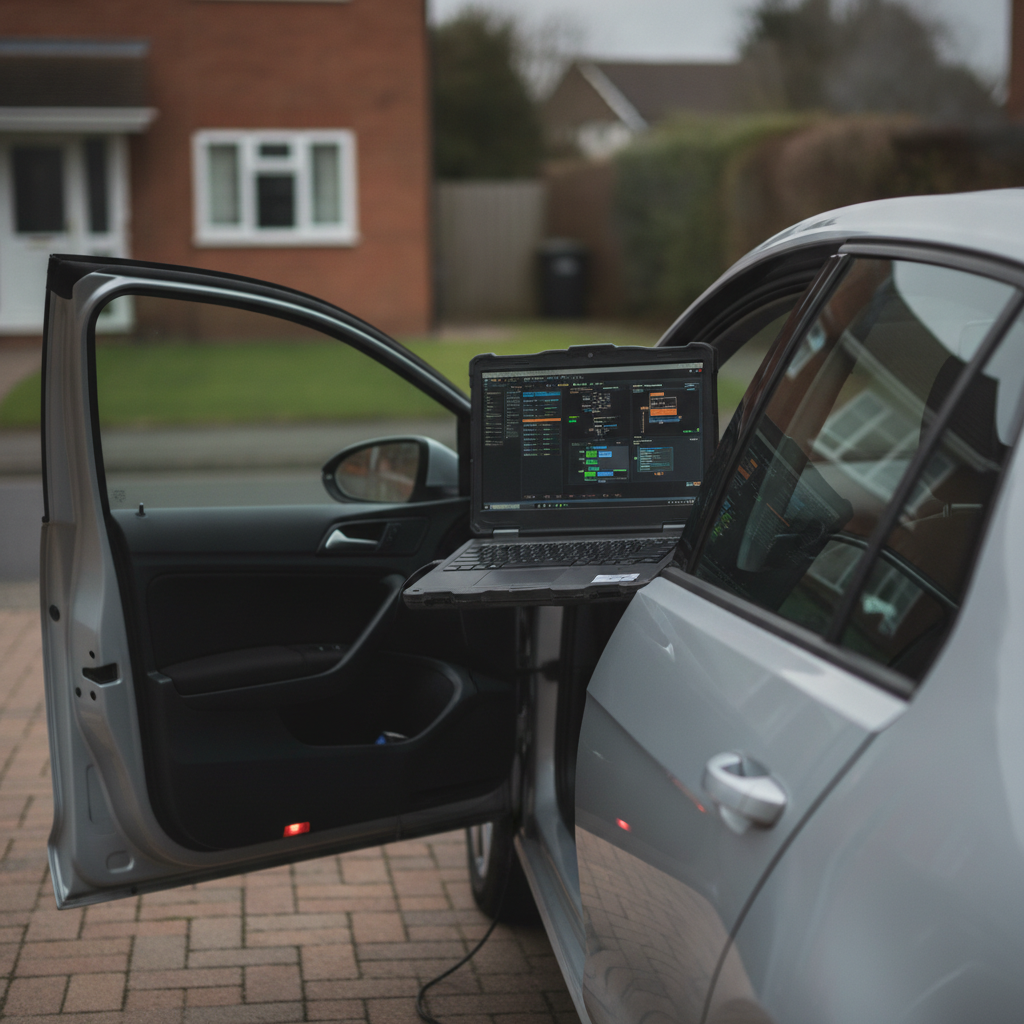
Before delving into the effects of remapping on fuel efficiency, it’s crucial to grasp the fundamentals of diesel engine remapping. Remapping, also known as engine tuning or chip tuning, involves modifying the electronic control unit (ECU) software that governs various engine parameters such as fuel injection timing, turbo boost pressure, and air-fuel ratio. By adjusting these parameters, remapping aims to optimize engine performance beyond factory settings.

- The Role of Engine Parameters in Fuel Efficiency
Fuel efficiency in diesel engines is influenced by several key parameters, including:
- Injection Timing: The timing of fuel injection plays a crucial role in diesel engine efficiency. Optimal injection timing ensures efficient combustion, maximizing power output while minimizing fuel consumption.
- Air-Fuel Ratio: Achieving the ideal air-fuel mixture is essential for efficient combustion. Remapping can optimize the air-fuel ratio to ensure complete combustion and reduce fuel wastage.
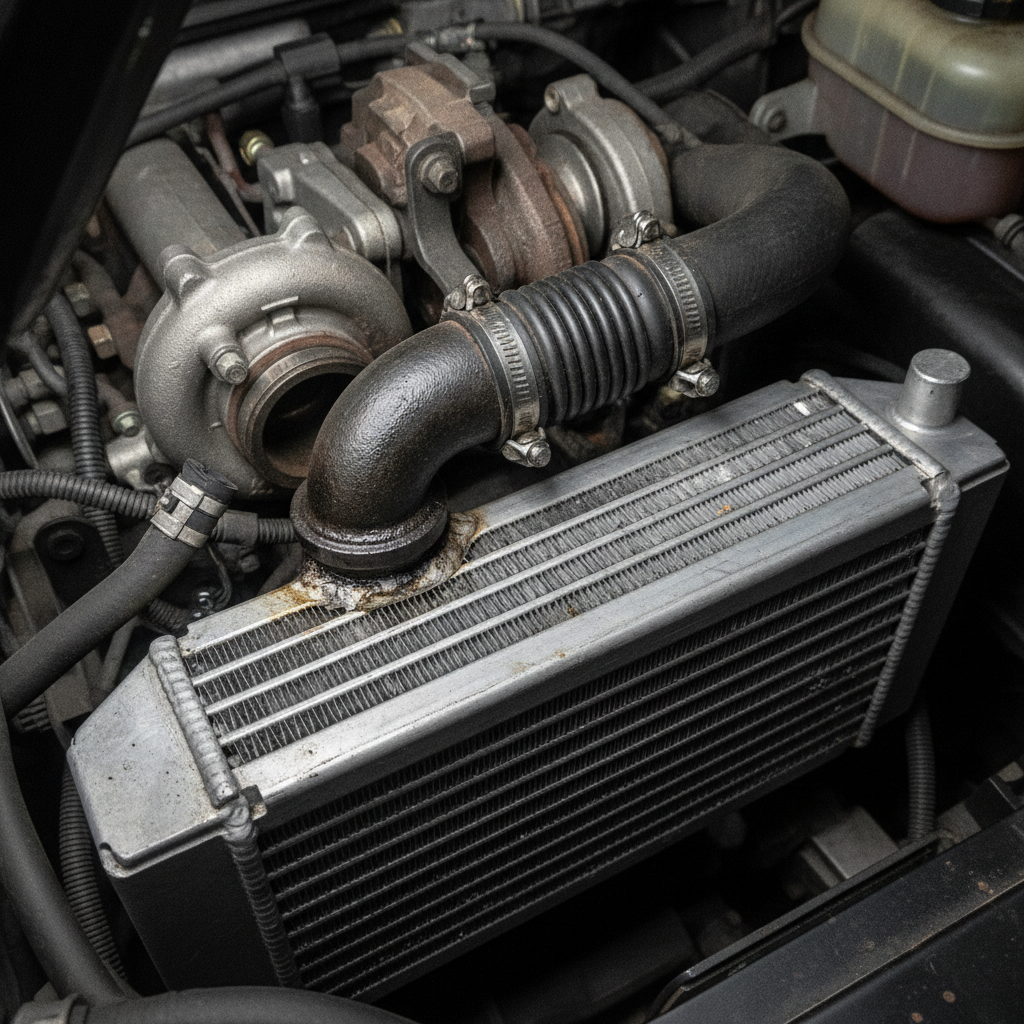
- Turbocharger Boost Pressure: Turbocharged diesel engines rely on boost pressure to increase air intake density, allowing for more efficient combustion. Adjusting boost pressure through remapping can optimize engine efficiency across different operating conditions.
-
The Potential Impact of Remapping on Fuel Efficiency
While diesel engine remapping is primarily associated with performance enhancement, it can also lead to improvements in fuel efficiency under certain circumstances. By optimizing engine parameters such as injection timing, air-fuel ratio, and turbocharger boost pressure, remapping aims to achieve more efficient combustion, resulting in reduced fuel consumption per unit of power produced.
-
Real-World Results and Considerations
The effectiveness of diesel engine remapping in enhancing fuel efficiency can vary depending on several factors:
- Driving Conditions: Fuel efficiency gains from remapping may be more pronounced during steady-state cruising or highway driving, where the engine operates at optimal conditions for extended periods.
- Driving Style: Aggressive driving habits such as rapid acceleration and high-speed driving can negate the fuel efficiency benefits of remapping. Smoother driving techniques that maintain steady throttle inputs and moderate speeds are conducive to maximizing fuel economy.
- Vehicle Maintenance: Regular maintenance and proper upkeep of the vehicle, including components such as fuel injectors, air filters, and turbochargers, are essential for ensuring optimal engine performance and efficiency post-remapping.
-
Balancing Performance and Efficiency
It’s essential to strike a balance between performance enhancement and fuel efficiency when considering diesel engine remapping. While remapping can unlock additional power and torque, enthusiasts should be mindful of its potential impact on fuel consumption. Working with a reputable tuner who understands the intricacies of diesel engine tuning can help achieve the desired balance between performance and efficiency.
Conclusion:
In conclusion, diesel engine remapping has the potential to enhance fuel efficiency by optimizing engine parameters such as injection timing, air-fuel ratio, and turbocharger boost pressure. While the primary focus of remapping is often on performance enhancement, savvy enthusiasts can leverage this technique to achieve significant gains in fuel economy under the right conditions. By understanding the complex interplay between engine parameters and driving dynamics, diesel owners can unlock the full potential of their vehicles while minimizing fuel consumption and environmental impact.