Stage 1 Remap on a High-Mileage Car: Is It Worth It?
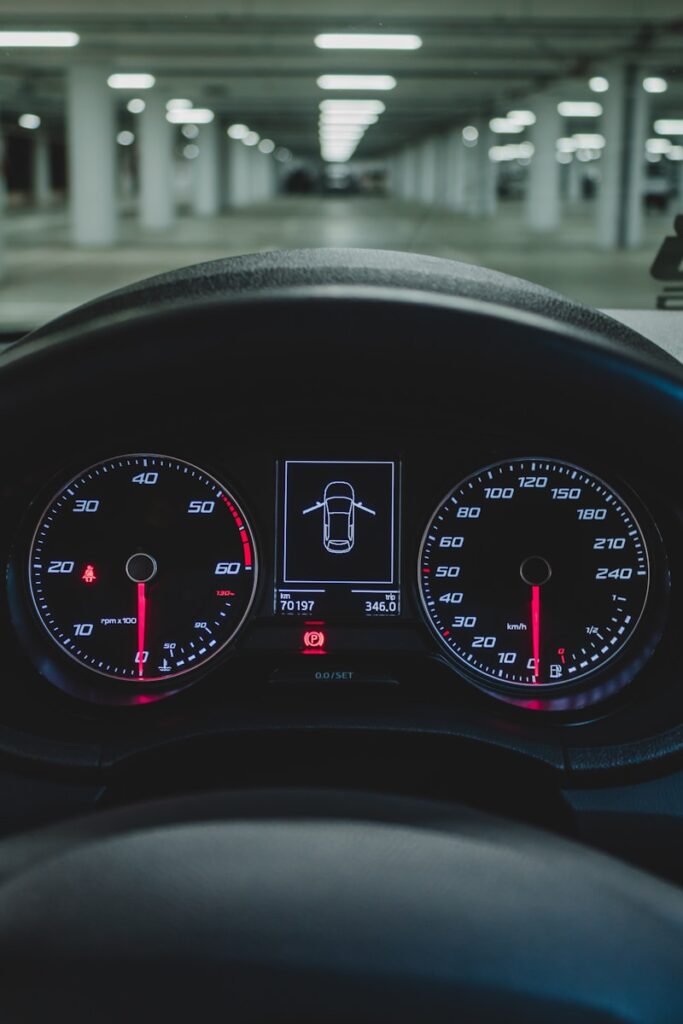
100k, 120k, 160k miles and still thinking about a remap?
This guide shows what matters on higher-mileage cars, what to check first, and when it makes sense to walk away.
A Stage 1 remap can feel like the perfect upgrade.
You get stronger mid-range pull, easier overtakes, and less gear swapping.
But if your car has high mileage, you want to be smart about it.
Mileage alone does not rule a remap in or out.
Condition does.
A well-maintained 150k-mile diesel can be a better candidate than a neglected 70k-mile car.
The simple decision rule
- If the car feels healthy, Stage 1 can be a great upgrade.
- If the car already struggles, a remap can expose the weak link.
- Checks and diagnostics come first on high mileage.
If you want the basics before deciding, start here:
ECU remapping explained.
What high mileage really changes
Stage 1 increases torque. Torque is what you feel in the seat.
It also increases load in the parts that already work hard, especially on diesels.
Clutch and flywheel
If the clutch already slips, more torque makes it obvious fast. If it is healthy, it usually copes fine.
Turbo and boost control
Worn actuators, sticky vanes, and boost leaks show up more once you ask for stronger pull.
DPF and EGR health
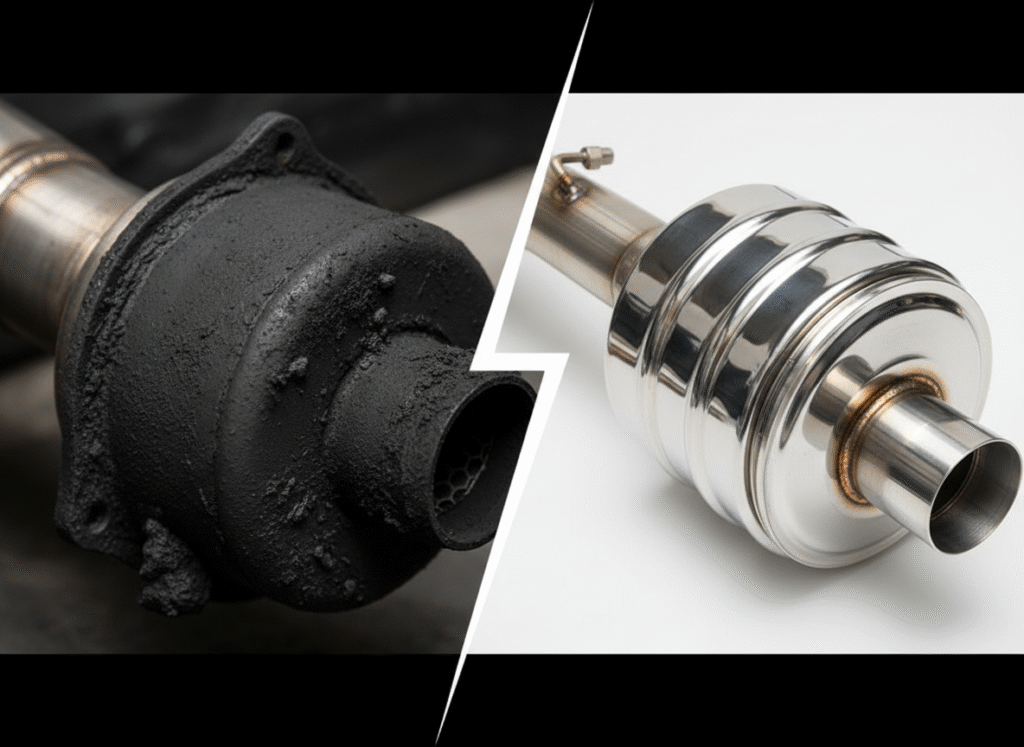
High-mileage diesels often carry DPF soot load and EGR build-up. Fix faults before tuning.
Cooling and servicing
Old coolant, tired thermostats, and missed oil changes can cause issues long before a remap does.
If your diesel already throws EGR-related warnings, check:
EGR solutions.
What you should check before remapping a high-mileage car
This is where you avoid wasting money.
A quick health check now beats a clutch job or turbo chase later.
High-mileage Stage 1 pre-check list
- Full scan for faults (even if the dash is clear).
- Battery and charging health (stable voltage helps read/write).
- Clutch bite and slip check in higher gears.
- Boost leak signs (hissing, oily pipework, inconsistent pull).
- DPF regen history and soot load, if diesel.
- Service history: oil intervals, correct spec oil, filters.
Want a full checklist you can follow? Use:
preparing your car for a remap.
When a Stage 1 remap is worth it on high mileage
You drive motorway miles
The engine stays in a cleaner operating window and DPF regens finish more often.
You want torque, not drama
Stage 1 can make the car feel younger without chasing an aggressive setup.
The car is maintained
Good servicing, no odd noises, and stable performance give you a solid base.
If you want a clean overview of what Stage 1 changes, read:
Stage 1 remap service.
When you should not remap yet
A remap will not fix a tired engine or a car full of faults.
In some cases it will simply make the problem obvious faster.
Red flags
- Clutch slip in 4th, 5th, or 6th under load.
- Turbo whistle, smoke, or inconsistent boost.
- Repeated DPF regens, DPF warning light, or limp mode.
- Rough idle, misfires, or unstable cold starts.
- Long list of stored faults, even if the dash looks fine.
If DPF faults are part of your story, start here:
DPF solutions.
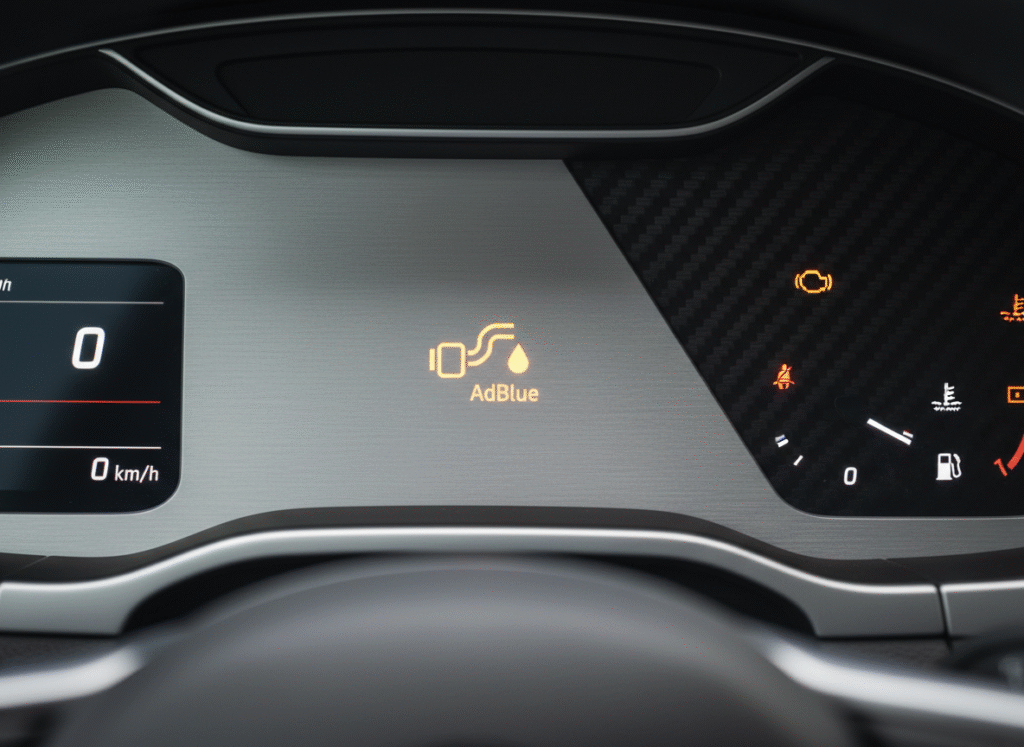
If the issue is AdBlue related, use:
AdBlue solutions.
Can you remap a high-mileage car at home?
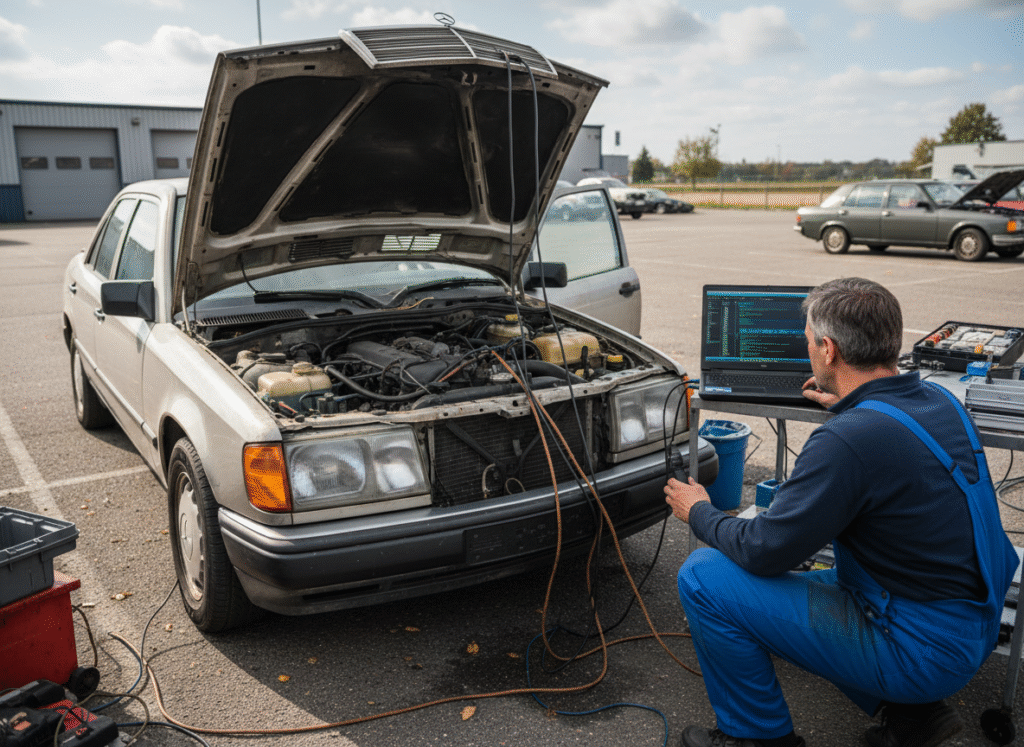
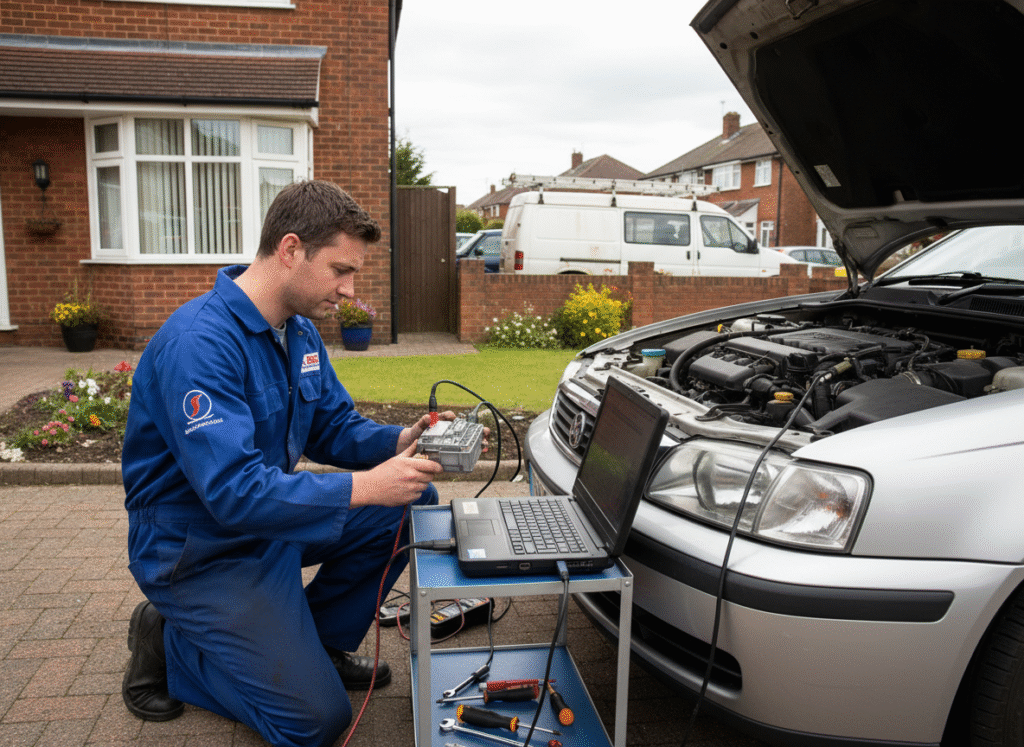
Yes, in most cases. Mobile remapping works well for high-mileage cars because you can keep the car in your normal setting.
The key is stable battery voltage and clean access if bench work is required.
Learn how mobile bookings work:
mobile ECU remapping.
Want an honest “yes or no” on your car?
Message us your reg, mileage, and any warning lights.
We will tell you what to check first and whether Stage 1 makes sense.
Mobile service across Leicester and the wider Midlands, including Coventry, Tamworth, and parts of Birmingham.