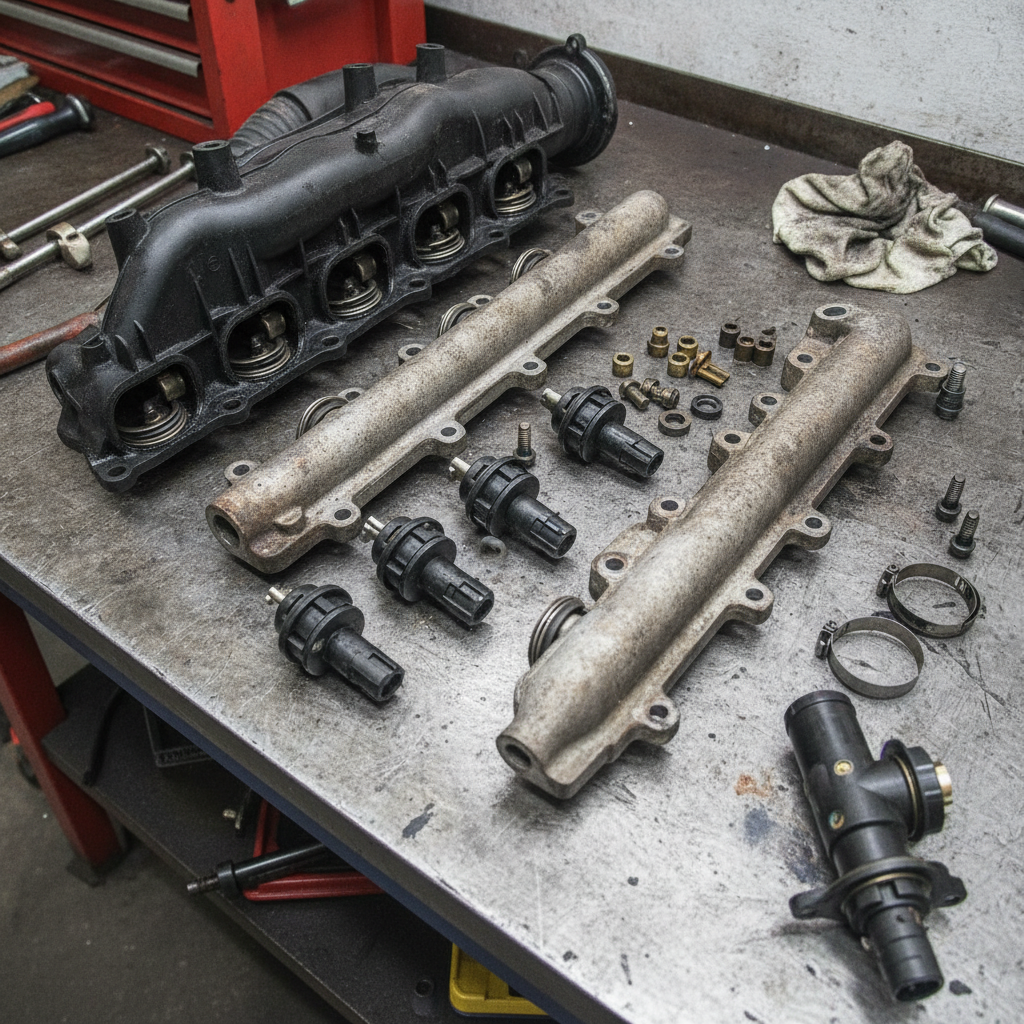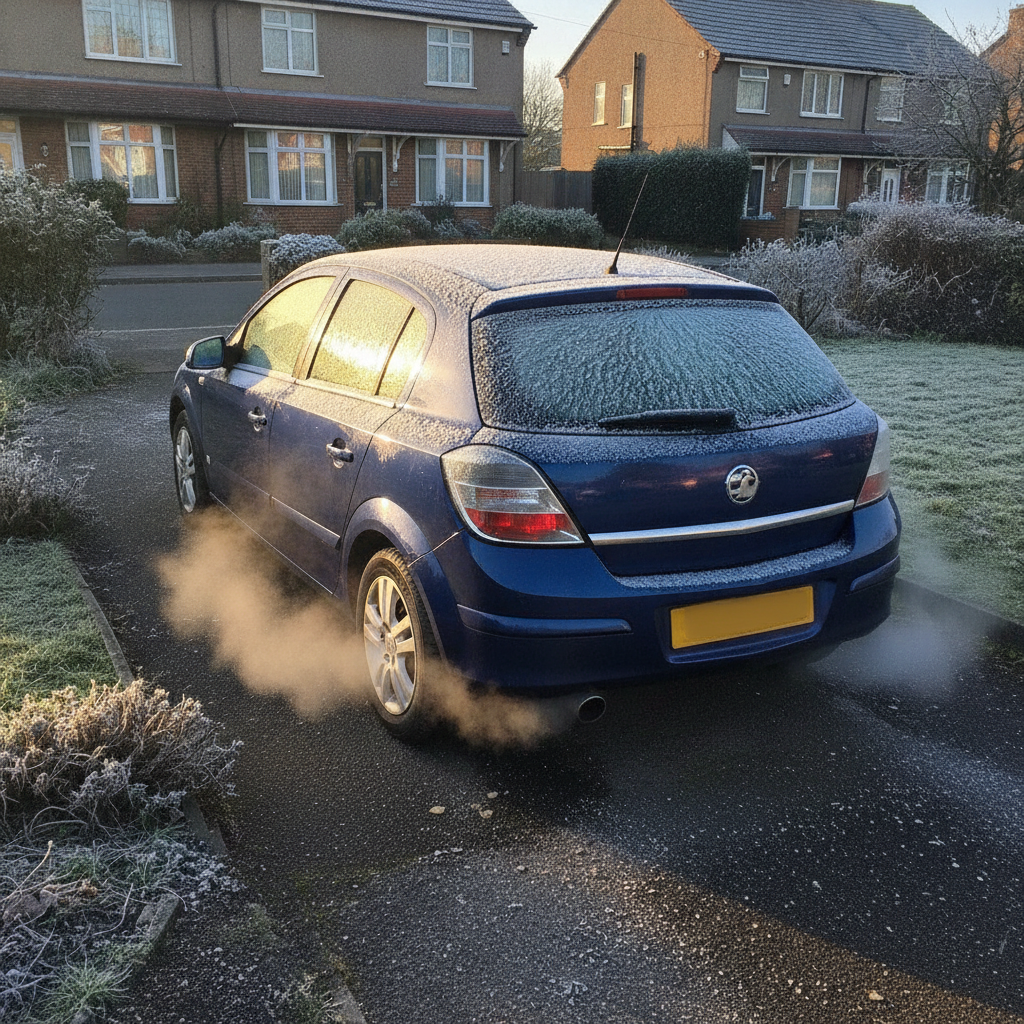
EGR Blanking Plate vs EGR Delete Remap: What Actually Works on a Diesel
One is a £6 piece of stainless steel. The other is a change to the software that decides how your engine breathes. They get talked about as if they are the same job — and that misunderstanding is why so many drivers end up with a warning light they cannot clear.
In this guide
The Short Answer
EGR blanking plate vs EGR delete remap
An EGR blanking plate is hardware — a metal disc that physically stops exhaust gas re-entering the intake. An EGR delete remap is software: the ECU is recalibrated so it no longer commands or monitors the valve. A plate fitted on its own blocks the flow but leaves the ECU expecting a valve that no longer responds, which is what stores fault codes.
That is the whole distinction, and almost every argument about EGR work on forums comes from people describing one and meaning the other. Below is what each one really does on a modern diesel, what the MOT is actually looking at, and where each approach genuinely belongs.
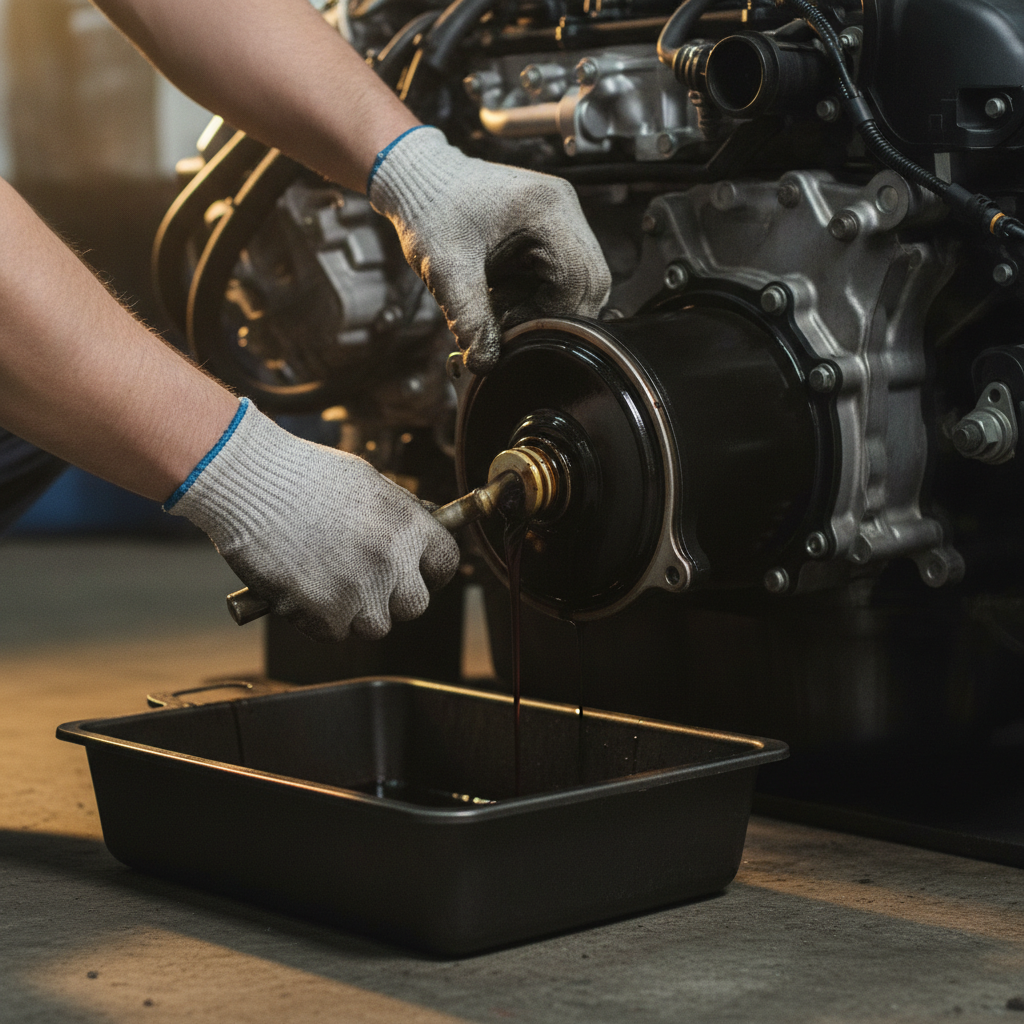
What an EGR Blanking Plate Actually Is
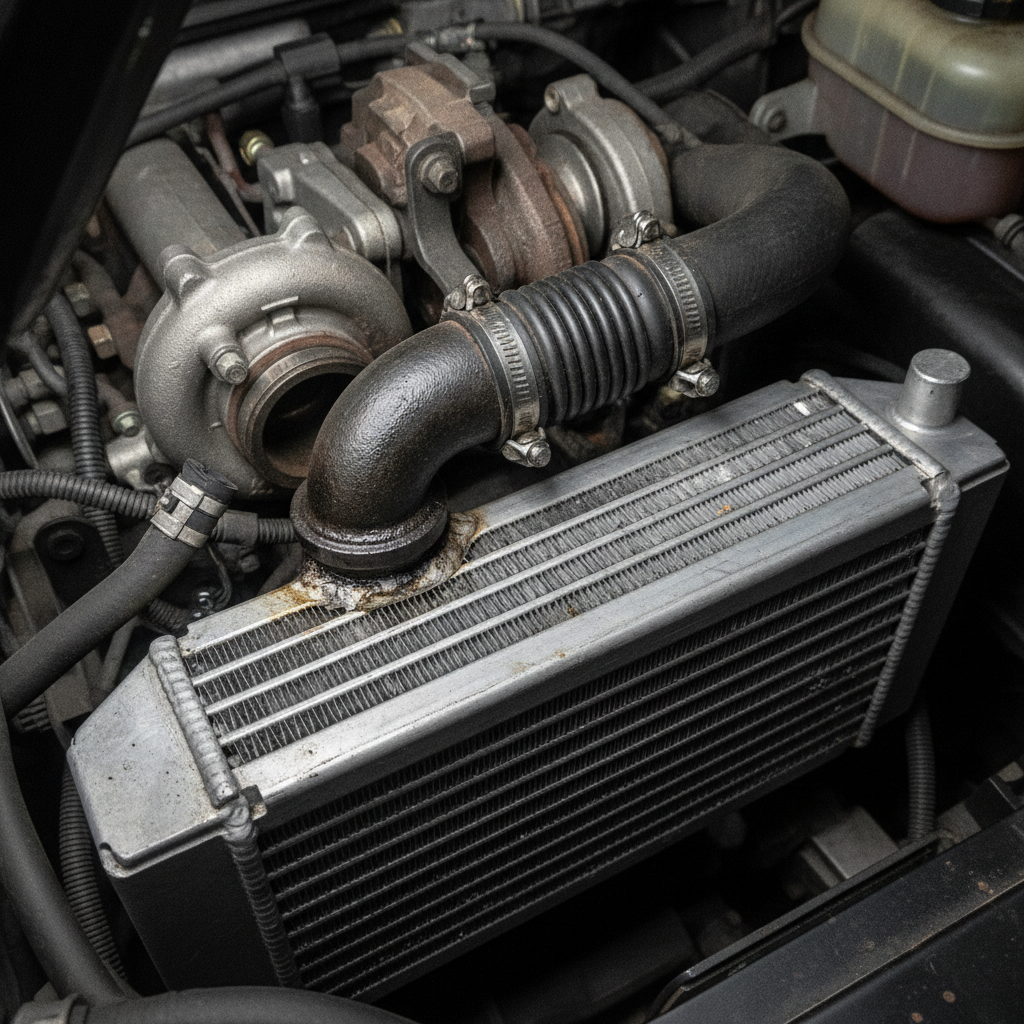
An EGR blanking plate is a flat piece of steel — usually stainless, usually laser-cut — that sits between the EGR valve and the manifold or cooler it bolts to. It has either no hole in it at all, or a small restrictor hole. Fitted correctly, it stops exhaust gas being fed back into the intake.
The appeal is obvious. It is cheap, it is reversible with a spanner, and it needs no specialist equipment. On a lot of older diesels that was genuinely all there was to it.
What a plate does not do
The plate changes the plumbing. It does not change what the ECU believes about the engine. The valve is still mounted, still wired in, and on most post-2008 vehicles still has a position sensor reporting back. The ECU keeps commanding the valve to open, keeps looking for a corresponding change in the mass airflow reading, and keeps not finding one.
On a pre-common-rail diesel with no position feedback, the ECU often never notices. On anything with a modern engine management system, it usually notices within a few drive cycles.
What an EGR Delete Remap Actually Changes
An EGR delete remap is a change to the calibration held in the engine ECU. Done properly, three things happen at once.
- The demand map is zeroed. The ECU stops asking the valve to open under the conditions where it normally would — light load, warm running, steady cruise.
- The monitoring is switched off. The diagnostic routines that compare commanded EGR position against measured airflow are disabled, so no fault is stored for a valve that is not moving.
- The fuelling is corrected. With no recirculated exhaust gas in the intake charge, the air-fuel ratio at a given throttle position shifts. Leaving the original fuelling in place is how you end up with more smoke, not less.
That third point is the one that separates a proper job from a file downloaded off the internet. Blocking the gas and leaving the fuelling alone tends to make the engine run richer than intended at exactly the loads where a diesel already makes soot.
Side by Side: Plate vs Software
| EGR blanking plate | EGR delete remap | |
|---|---|---|
| What it is | Physical steel plate between valve and manifold | Recalibrated ECU software |
| Stops exhaust gas re-entering intake | Yes, mechanically | Yes, by never commanding the valve open |
| Stops the ECU logging a fault | No | Yes, monitoring is disabled |
| Adjusts fuelling for the new air charge | No | Yes, if done properly |
| Typical symptom if used alone | Engine light, stored codes, possible limp mode | None, when correctly calibrated |
| Reversibility | Unbolt the plate | Restore the original file, if it was backed up |
| Detectable at inspection | Visually, at the valve | Not directly — but the emissions result still is |
Read down the “stops the ECU logging a fault” row and you have the practical answer. The plate solves a flow problem. The software solves a control problem. A modern diesel has both.
What the MOT Genuinely Checks
This is where most EGR guides are vague, so here is the actual test criteria. The DVSA MOT inspection manual tells testers that for compression ignition engines they only need to check components that are visible and identifiable, and it names exhaust gas recirculation valves alongside diesel particulate filters and SCR valves. Manufacturer-fitted emission control equipment that is missing, obviously modified or obviously defective is a Major defect — an outright fail.
Two more things in the same section matter just as much.
- The engine management light is its own failure item. An MIL indicating a malfunction is a Major defect in its own right on diesels first used on or after 1 July 2008. It does not matter what the code is.
- Modified engines are held to the same limits. The manual states plainly that an engine modified in any way must still meet the exhaust opacity requirements for the age of the vehicle.
Those opacity limits tighten sharply with age. Where there is no manufacturer plate value, the default ceiling is 2.5 m-1 for a non-turbo and 3.0 m-1 for a turbo diesel first used before July 2008, 1.5 m-1 for vehicles first used between July 2008 and December 2013, and 0.7 m-1 for anything first used from January 2014. DVSA also publishes the full in-service exhaust emission standards used at MOT and at the roadside.
Be clear about road use
Removing or disabling a manufacturer-fitted emissions device puts a vehicle outside the standard it was type-approved to, and the MOT manual treats that equipment as a checkable, failable item. EGR removal work is appropriate for off-road, competition and export vehicles. If the car is staying on the road, the right conversation is about repairing or cleaning the system, not deleting it — and that is the conversation we would rather have with you.
Our guide to how the MOT treats DPF and EGR removal goes through the rules in more detail if you want the full picture before deciding anything.
The Failure Mode Nobody Warns You About
Here is what most guides get wrong. They treat the blanking plate as the cheap version of the same job. It is not a cheaper version — it is a different job, and used alone it creates a problem the driver then pays someone to diagnose.
The sequence is consistent enough that we can usually guess it before the bonnet is open.
How a plate-only fit typically plays out
- Plate goes on. Car drives normally for a few days.
- The ECU commands EGR flow, sees no matching change in airflow, and sets a discrepancy code.
- The engine light comes on. Clearing it works until the next drive cycle.
- On some vehicles the ECU derates the engine — reduced power to protect an emissions system it thinks has failed.
- The driver now has an EGR problem and a running problem, and the MOT has an automatic Major defect waiting for it.
If you have reached the derate stage, our write-up on what actually triggers limp mode on a diesel is worth reading before anything gets unbolted.
There is a second, quieter version of the same problem. A restrictor-hole plate lets a trickle of exhaust gas through, which keeps the airflow discrepancy small enough that no code sets — while still soaking the intake in soot. The light stays off and the inlet manifold keeps carbonising. That is the worst of both outcomes.
Which Route Suits Which Vehicle
There is no single answer, because the deciding factor is how much your ECU is watching.
Older diesels with no position feedback
On genuinely old engines with a vacuum-operated valve and no position sensor, a plate on its own can work without setting a code. This is the case people are describing when they say a blanking plate is fine. It is true, and it stopped being true for most of the fleet well over a decade ago.
Modern common-rail diesels
Electronically actuated valve, position feedback, mass airflow cross-check, MIL monitoring. Hardware alone will be noticed. If EGR work is being done at all on one of these, the software side is not optional — it is the part that makes the hardware side coherent.
Vehicles staying on the road
The honest recommendation is repair rather than removal. A sticking valve is often carbon, not failure, and a clean plus a proper diagnostic scan resolves a good proportion of them. Our page on EGR diagnostics and solutions sets out what we can do, and we will tell you when a clean is the better answer than anything else.
If you want the background on what the valve is doing in the first place, our explainer on the EGR valve and its symptoms covers the mechanics without the sales pitch.
EGR Diagnostics and Solutions Across Leicester and the Midlands
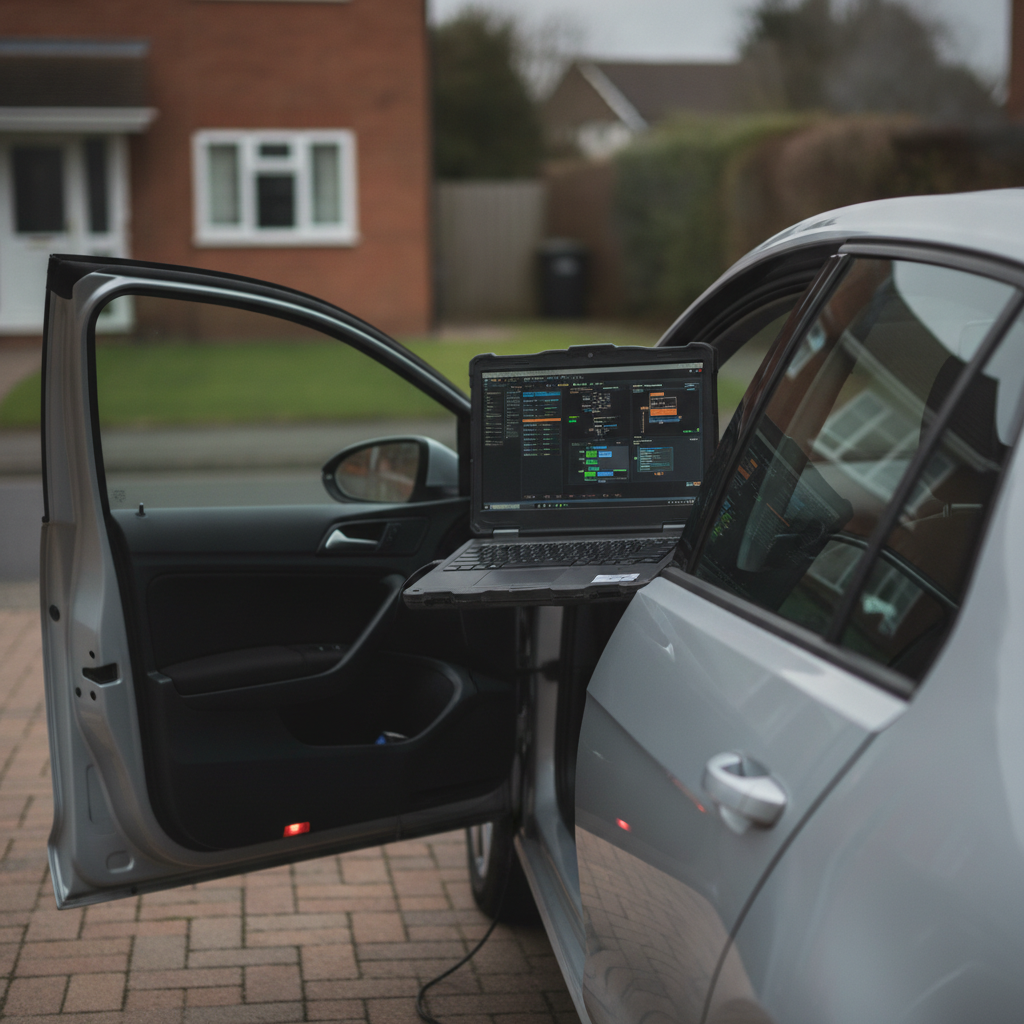
We are mobile. We come to your home or workplace, read the vehicle properly, and tell you what is actually wrong before anyone talks about removing anything.
- Full diagnostic scan before any recommendation
- Original calibration file always backed up before changes
- Custom calibrations, never generic off-the-shelf files
- Covering Leicester, Loughborough, Hinckley, Coalville, Coventry, Nottingham and the wider Midlands
Get in touch for a straight answer on your vehicle — or call 07849475153.
Common Questions
Does an EGR blanking plate cause problems?
On most vehicles built in the last fifteen years, yes. The plate stops the gas flow but the ECU still commands the valve and still cross-checks the result against the airflow sensor. When the numbers do not agree it stores a fault, illuminates the engine light, and on some vehicles reduces power to protect the system.
Will an EGR blanking plate throw an engine management light?
On any diesel with an electronically actuated valve and position feedback, it usually will — typically within a few drive cycles rather than immediately. Older vacuum-operated systems with no feedback sensor often do not, which is why advice on this varies so much depending on the age of the car being discussed.
Do you need a remap after fitting an EGR blanking plate?
If the vehicle has electronic EGR monitoring, the software side is what makes the hardware side work — it stops the fault being logged and corrects the fuelling for the changed intake charge. A plate fitted without it is a partial job that tends to create a diagnostic problem.
Is an EGR blanking plate legal in the UK?
Not for road use. The DVSA MOT inspection manual lists exhaust gas recirculation valves among the emission control components a tester checks, and manufacturer-fitted emissions equipment that is missing or obviously modified is a Major defect. EGR removal is for off-road, competition and export vehicles only.
Written by the Leicester Remaps workshop team. Published 6 October 2026. Last updated 6 October 2026. Leicester Remaps covers Leicester, Loughborough, Hinckley, Coalville, Swadlincote, Coventry, Nottingham, Rugby and surrounding Midlands areas. Call 07849475153 or use the contact page to book.