Swirl Flap Delete: What It Is, Why It Matters, and Whether You Need a Remap After
Swirl flaps are a small but important component inside many diesel intake manifolds. When they work correctly you’ll never know they’re there. When they fail — and they frequently do — the consequences can be severe. Here’s what you need to know about swirl flap deletion and whether a remap is required afterwards.
Intake Manifold
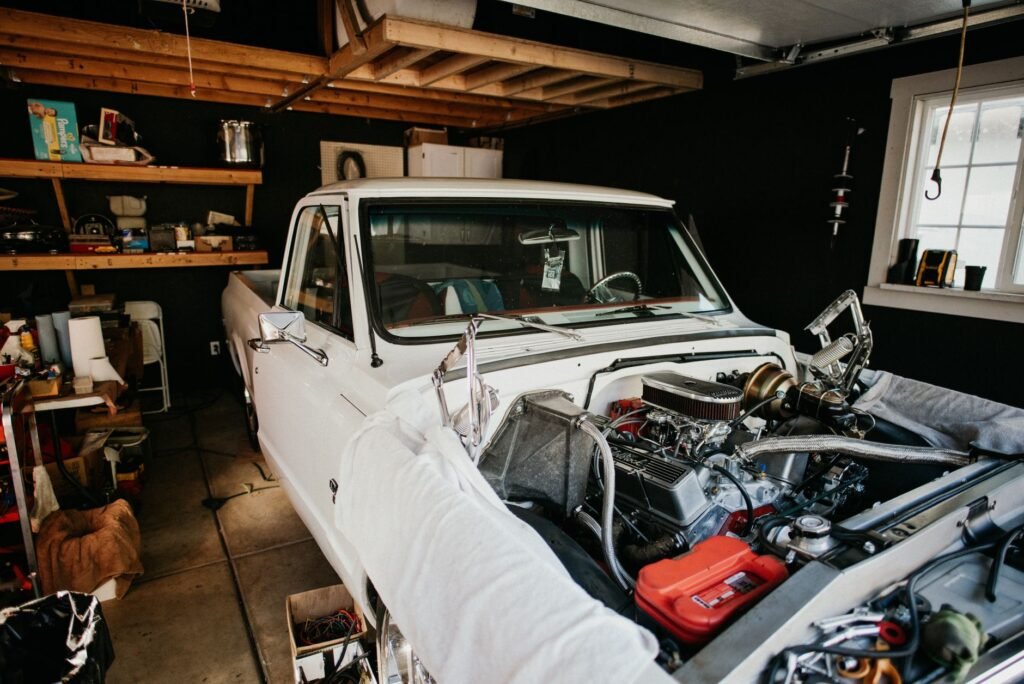
BMW N47
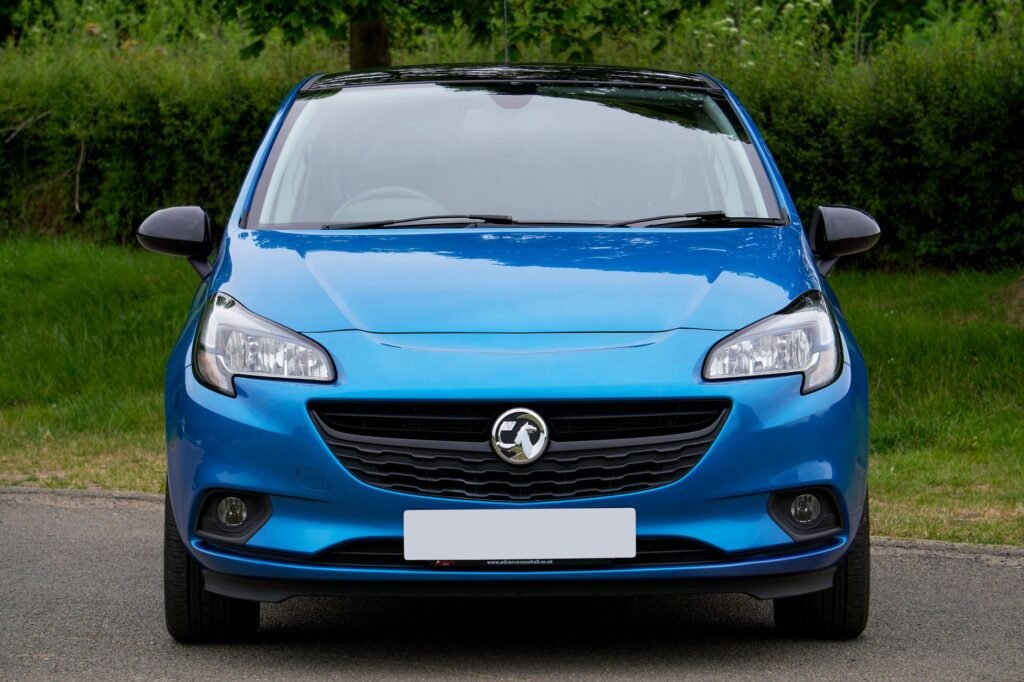
Vauxhall 2.0 CDTi
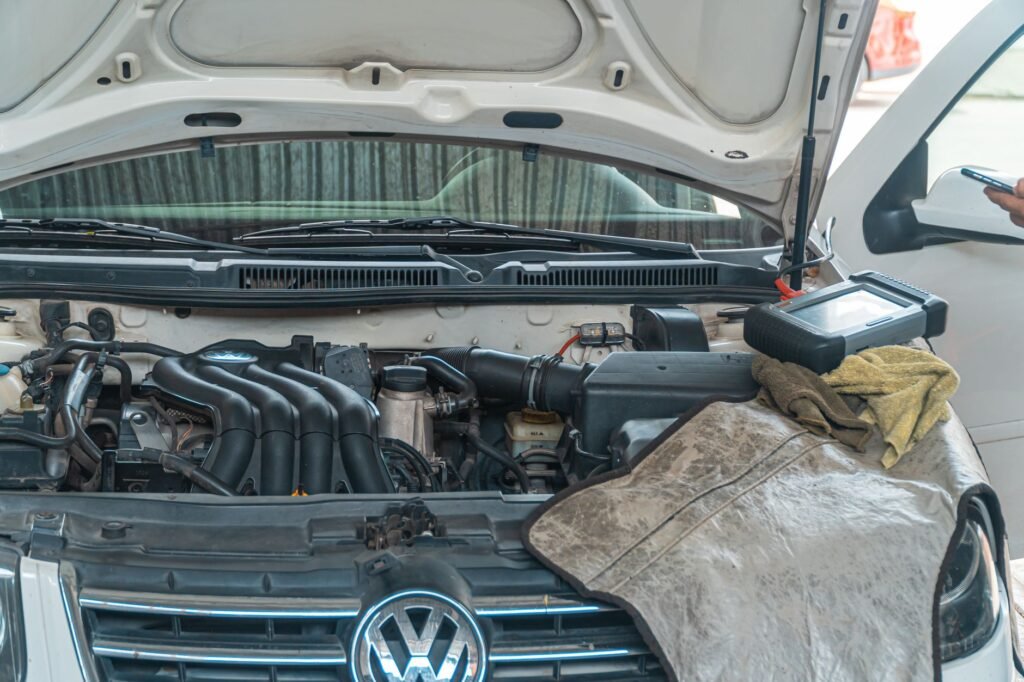
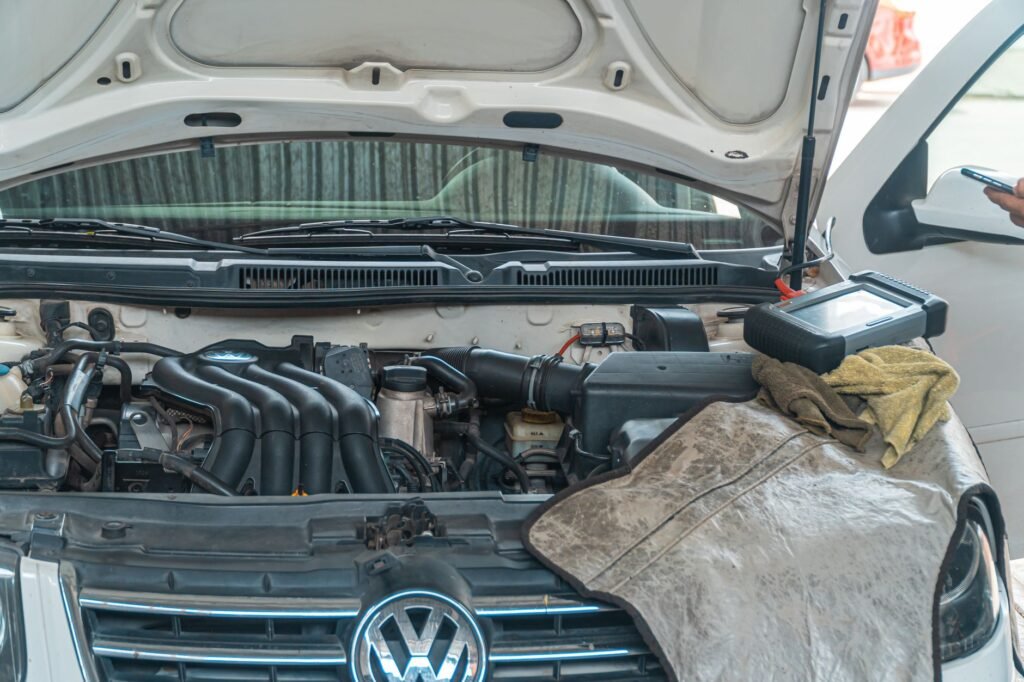
VW 2.0 TDI
What Are Swirl Flaps?
Swirl flaps — also called intake manifold flaps or tumble flaps — are small butterfly valves fitted inside the intake manifold of certain diesel engines. Their job is to control how air enters each cylinder, creating a swirling or tumbling motion in the combustion chamber. This improves fuel mixing at low engine speeds, reduces emissions, and helps the engine run more smoothly during cold starts and gentle driving.
At higher engine speeds or under load, the flaps open fully to allow maximum airflow. Under light throttle or idle conditions, they partially close to create the swirling effect. The position of the flaps is controlled by the ECU via a vacuum actuator or electric motor.
In principle, it’s an elegant system. In practice, the mechanical design of swirl flaps has proven problematic in a number of high-volume diesel engines — particularly those from BMW, Vauxhall, and Volkswagen Group.
Which Engines Have Swirl Flaps?
Swirl flaps are most commonly found in the following diesel engines:
BMW N47 (2.0d) and M57 (3.0d)
The N47 is one of the most notorious swirl flap failure engines. Used in a huge range of BMW models from 2007 to 2015 including the 1 Series, 3 Series, 5 Series, X3, and X5, the N47’s swirl flaps are prone to fracturing. The plastic runners and shafts become brittle with heat cycling, and when they break, fragments can enter the combustion chamber.
Vauxhall / Opel 2.0 CDTi and 1.9 CDTI
Many Vauxhall Vectra, Zafira, Insignia, and Astra models with the 2.0 CDTi engine also have swirl flap problems. The actuator mechanism is a common failure point, often throwing a P2004 or P2005 fault code relating to the intake manifold runner control.
Volkswagen Group 1.9 TDI and 2.0 TDI
Certain VW, Audi, SEAT, and Skoda models with the 1.9 and 2.0 TDI engines have intake manifold flap systems. These are generally more reliable than the BMW N47 setup, but actuator failures and carbon buildup causing stuck flaps are still common.
Other manufacturers
Swirl flaps or similar intake variable geometry systems also appear in certain Jaguar Land Rover, Peugeot-Citroen, and Ford diesel engines. The specific risk profile varies by application — if you’re unsure whether your engine has them, an OBD scan will often identify related fault codes.
What Happens When Swirl Flaps Fail?
The consequences of swirl flap failure range from a nuisance fault code to catastrophic engine damage, depending on how the flap breaks and how quickly the problem is identified.
Minor failure — stuck actuator
If the actuator that controls the flap position fails, the flap may become stuck open or stuck closed. A stuck-open flap will often produce a fault code and potentially put the vehicle into limp mode, but won’t immediately damage the engine. A stuck-closed flap under load is more serious.
Major failure — fractured flap
If the swirl flap itself breaks — which is the failure mode most associated with the BMW N47 — the metal or plastic fragments can be ingested by the engine. Depending on where they travel, this can cause significant damage to pistons, valves, or the turbocharger. In severe cases, an engine rebuild is necessary.
Don’t ignore swirl flap warning codes
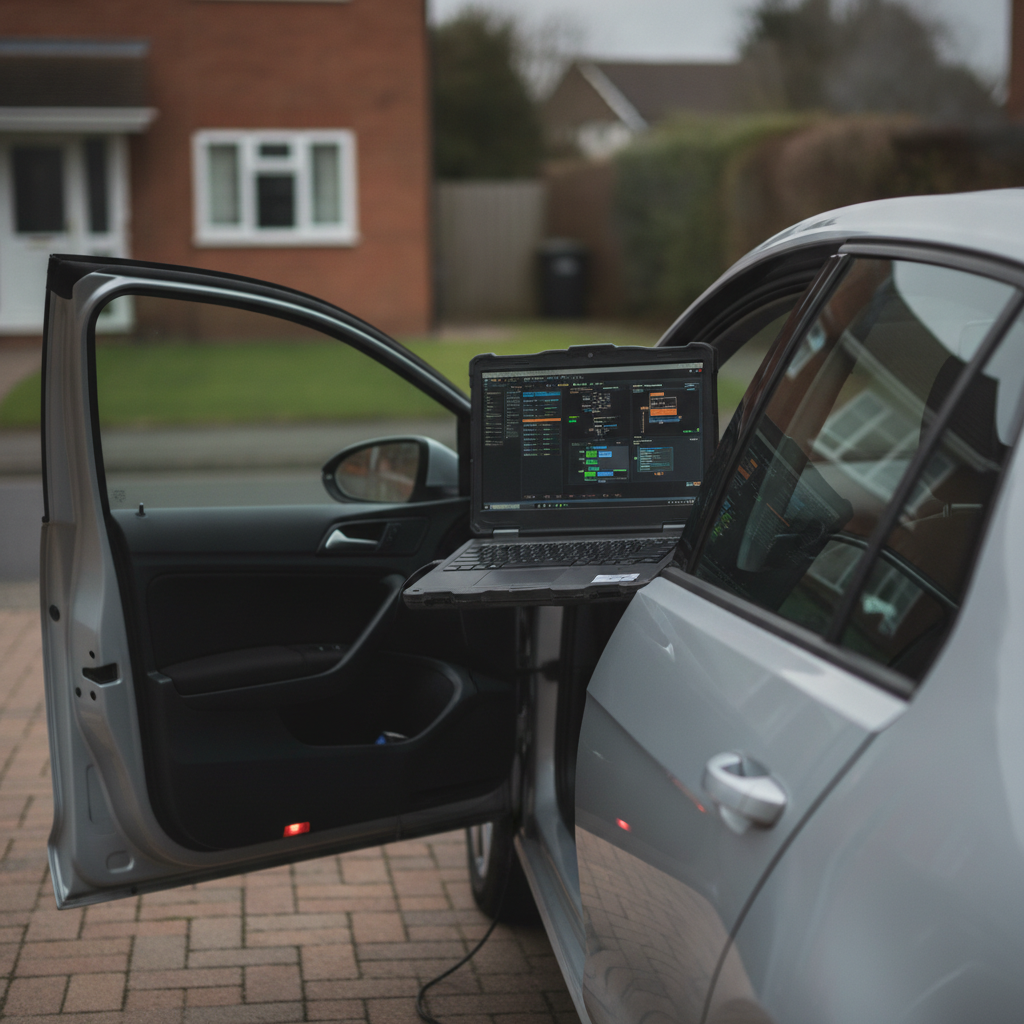
If your diagnostic reader shows a P2004, P2006, P2007, or similar intake manifold runner code, get it assessed promptly. Continuing to drive with a faulty swirl flap system — especially on a BMW N47 — increases the risk of physical damage to the engine.
What Is a Swirl Flap Delete?
A swirl flap delete involves removing the swirl flap mechanism from the intake manifold and replacing the flap positions with blanking plates. This removes the risk of flap failure entirely.
On most engines, the process involves:
- Removing the intake manifold
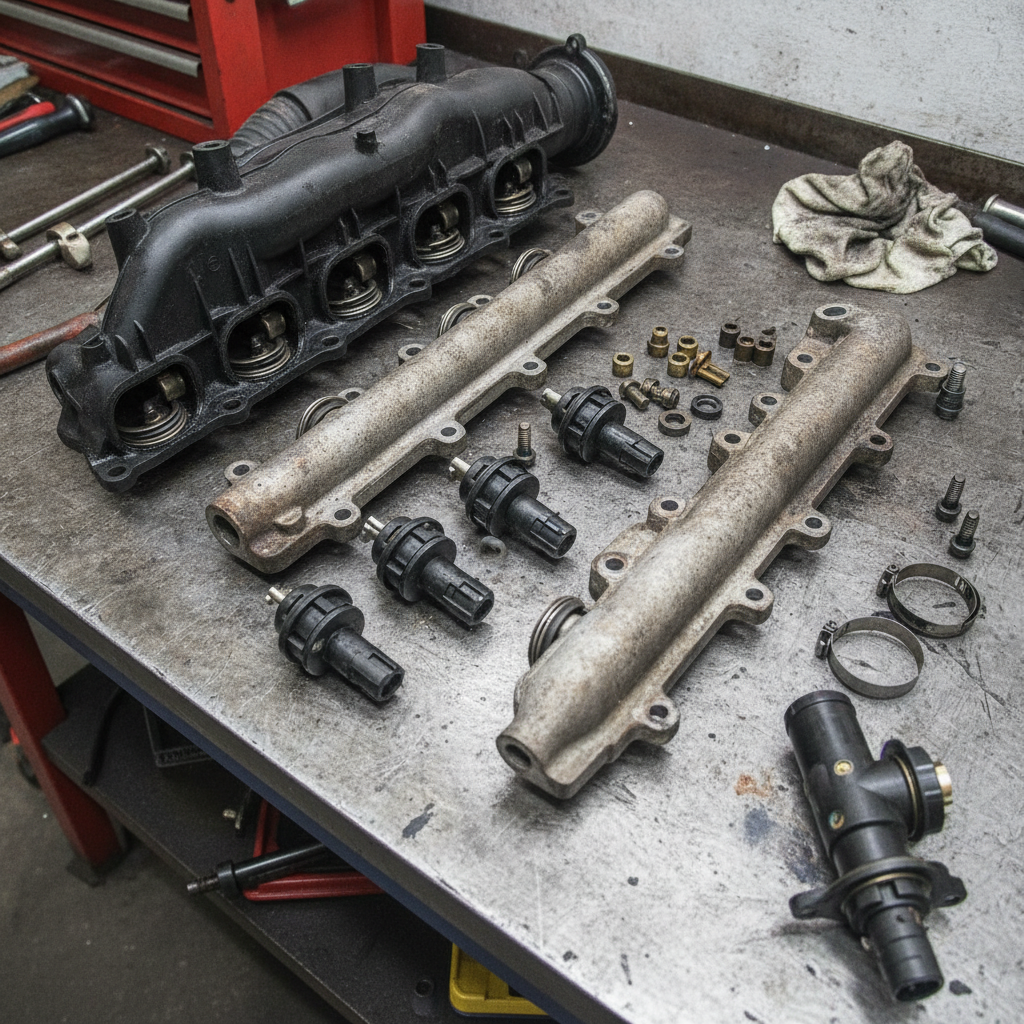
- Extracting the swirl flap butterfly valves and their shafts
- Installing purpose-made blanking plates that leave the intake port fully open
- Refitting the manifold and clearing fault codes
- Optionally, recalibrating the ECU to account for the change in airflow characteristics
The blanking plate approach has been widely used in the tuning and maintenance world for many years. It eliminates the failure risk without significantly affecting engine performance in normal driving — and in many cases, low-end responsiveness improves because airflow into the cylinder is no longer being partially restricted.
Prevention is better than cure
Many owners choose to do a swirl flap delete as a preventative measure on high-mileage N47 engines before any signs of failure. The cost of deletion is considerably less than the cost of repairing an engine damaged by ingested flap fragments.
Do You Need a Remap After a Swirl Flap Delete?
This depends on the engine. On some engines, removing the swirl flaps and fitting blanking plates will leave the ECU expecting sensor inputs that no longer apply — or trying to control an actuator that’s no longer there. Without addressing the software side, you may end up with persistent fault codes, limp mode activation, or rough idling.
When a remap is required
On the BMW N47 and similar engines, a remap or ECU software update is typically required after deletion to disable the swirl flap control loop. Without it, the ECU will continually log faults and may restrict engine performance.
A swirl flap delete remap typically involves:
- Removing the swirl flap control map from the ECU
- Recalibrating the airflow and fuelling maps to reflect the change in intake characteristics
- Clearing the stored fault codes permanently
- Optionally improving the wider fuel and boost map while the ECU is open
When a remap may not be needed
On some Vauxhall CDTi engines and certain TDI variants, if the actuator failure is addressed and the flap mechanism replaced (rather than deleted), a remap may not be necessary — particularly if there are no fault codes after the repair. Your mechanic or remapper will be able to advise based on the specific situation with your vehicle.
What Does Swirl Flap Deletion Cost?
Costs vary depending on the engine type and whether a remap is included. As a rough guide:
- Swirl flap deletion (blanking plate fitting only): typically £150 to £300, depending on engine access and manifold complexity
- ECU remap to delete swirl flap control: typically £200 to £350
- Combined deletion and remap package: typically £300 to £550
These are general market figures for reference. If you’ve identified swirl flap fault codes on your vehicle and want to understand the options, the best next step is to get in touch and we can advise on what your specific engine needs.
For context, an engine rebuild following swirl flap fragment ingestion on a BMW N47 can run to £3,000 to £6,000 or more. Prevention is almost always the better financial choice.
Book a Swirl Flap Delete and Remap in Leicester
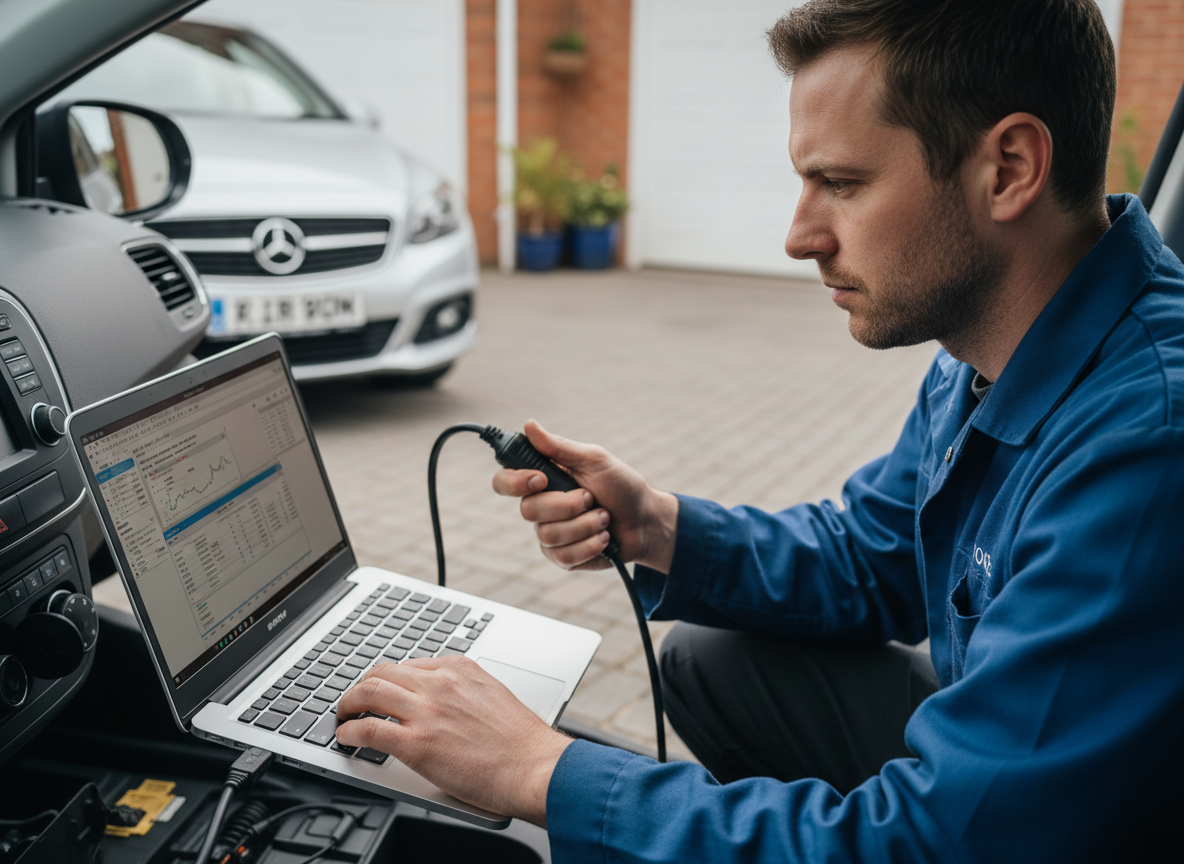
If you’ve identified swirl flap fault codes or you’re running a high-mileage BMW N47, Vauxhall CDTi, or VW TDI engine and want peace of mind, Leicester Remaps can help with the ECU side of a swirl flap delete.
- ECU remap to disable swirl flap control loop and clear fault codes
- Mobile remapping service across Leicester, Loughborough, Hinckley, and Leicestershire
- Combined package available with local mechanical partners if full deletion is required
- Advice on whether deletion is appropriate for your specific engine
Visit our EGR Solutions page for more on related diesel intake system services, or contact us to discuss your swirl flap fault.