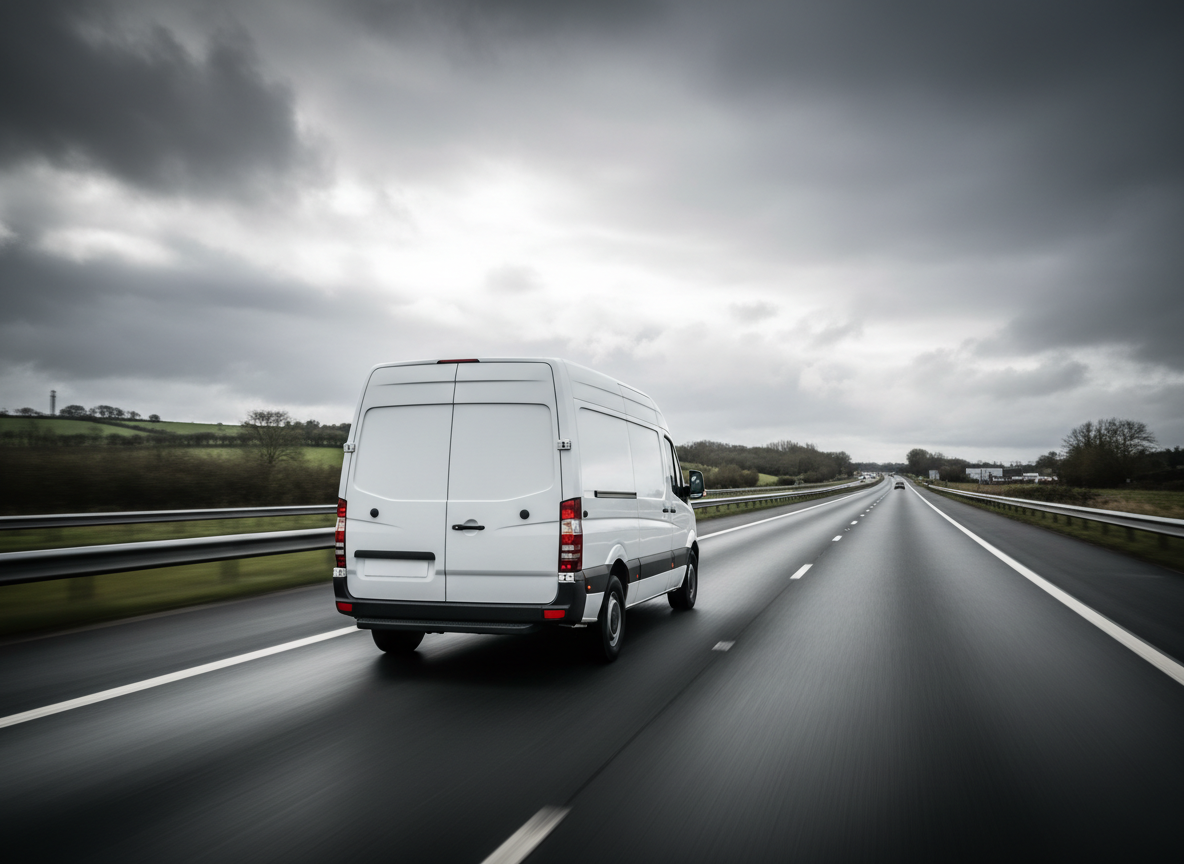
Diesel Remap for Towing: Can ECU Tuning Improve Your Towing Ability?
If you regularly tow a caravan, horse trailer, or heavy work trailer, you know how much a diesel engine can struggle under load. A remap won’t increase your legal towing limit — but it can make a dramatic difference to how comfortably and confidently your vehicle operates within that limit.
Why Towing Puts Diesel Engines Under Strain
Diesel engines are well suited to towing because they produce high torque from low revs — but the standard tune from a manufacturer is often a compromise. Manufacturers detune engines to meet emissions targets, protect drivetrain components across a wide range of drivers, and keep insurance groups manageable. The result is that many diesel engines leave the factory with significant untapped torque.
When you hitch up a trailer and head onto a motorway gradient, that detuning becomes obvious. You drop out of top gear earlier than you’d like, the engine feels strained in the mid-range, and you find yourself working harder to maintain speed. A remap targets exactly this part of the engine’s performance.
The role of torque in towing
Torque — not power — is what moves heavy loads. You need peak torque early in the rev range when pulling away on a slope or accelerating to merge on a motorway. Most factory diesel maps restrict the torque curve to peak later or hold it back in lower gears. A remap extends and flattens the torque curve so you have more pulling force available at lower engine speeds — which is where towing needs it most.
What a Remap Actually Does for Towing
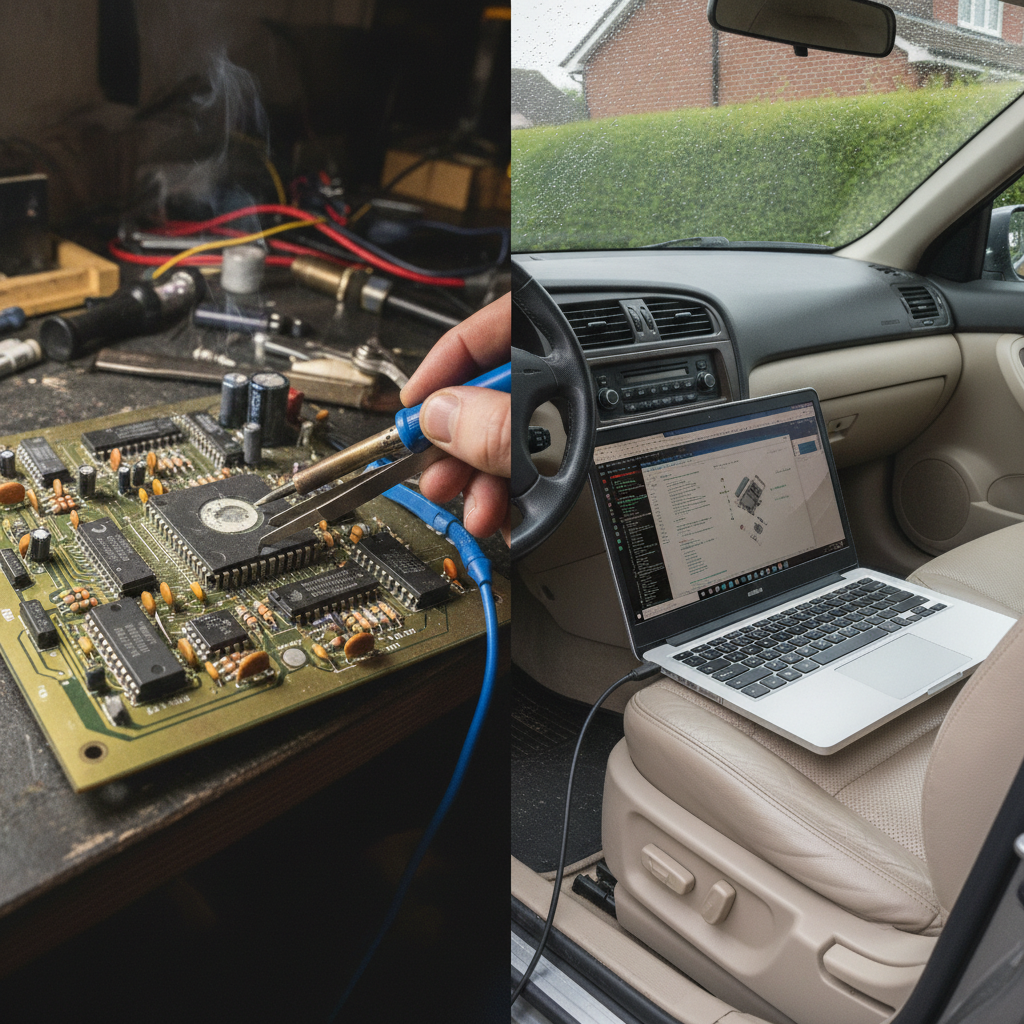
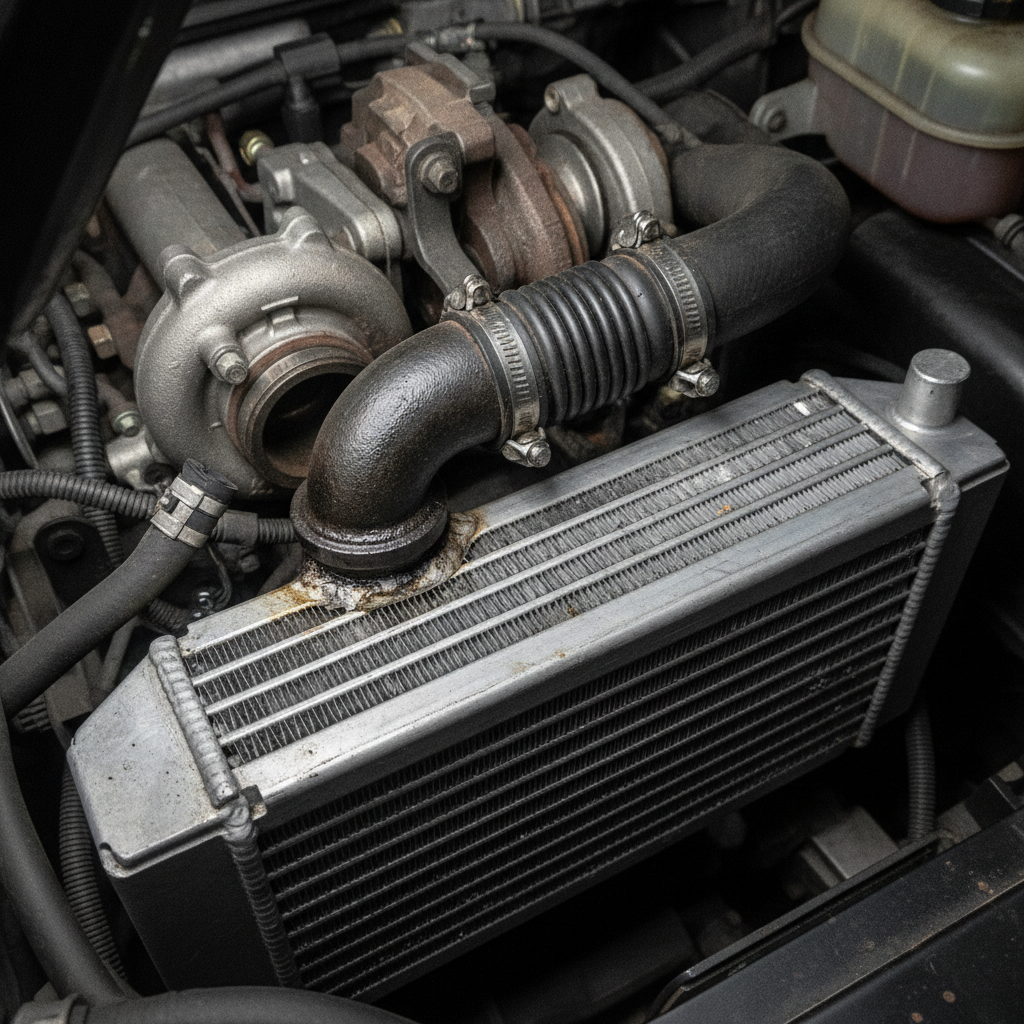
An ECU remap modifies the software that controls how your engine delivers fuel, manages boost pressure from the turbo, and times ignition. For a towing application, a well-written remap will typically:
- Increase peak torque output — often by 20 to 40% on a turbodiesel
- Move torque delivery earlier in the rev range, so you don’t have to work the engine as hard
- Reduce turbo lag under load, improving throttle response when pulling away with weight behind you
- Smooth out the power delivery curve, making the engine feel more progressive and predictable
- Improve fuel efficiency on long motorway runs under load, because the engine isn’t working at the limit of its factory tune
The result is an engine that feels more capable in every towing scenario — from pulling away on a hill start to sitting at 60 mph on a dual carriageway with a fully loaded trailer.
Mobile remapping service across Leicester and Leicestershire
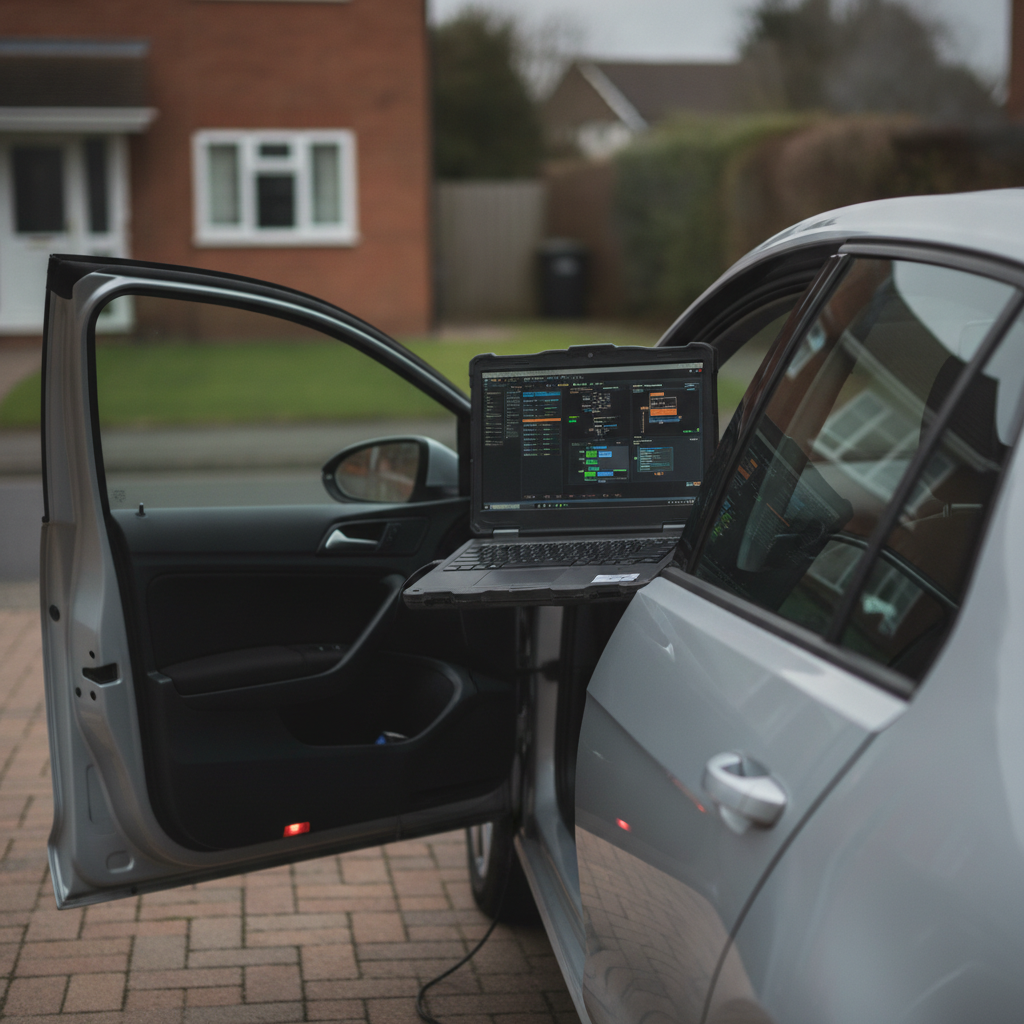
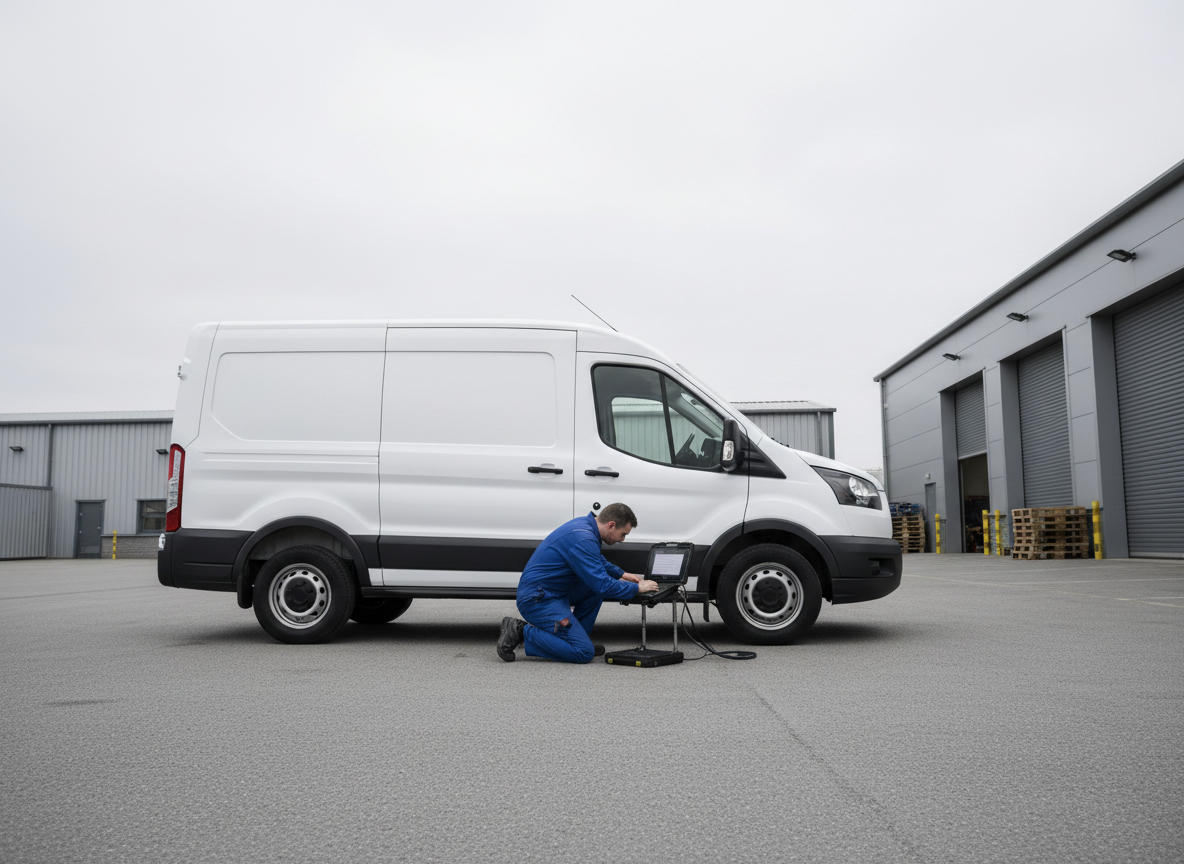
Leicester Remaps is a fully mobile service. We bring the ECU remapping equipment to your home, workplace, or storage site — so there’s no need to tow your trailer elsewhere for the remap. We cover Leicester, Loughborough, Hinckley, Coalville, Market Harborough, and the wider East Midlands.
Typical Torque and Power Gains from a Towing Remap
Gains vary by engine, but here are realistic figures for common tow vehicles on a Stage 1 remap:
| Vehicle | Engine | Standard Torque | Remapped Torque (est.) | Gain |
|---|---|---|---|---|
| Ford Transit Custom 2.0 EcoBlue | 170ps | 385 Nm | 470–490 Nm | ~25% |
| VW Transporter T6 2.0 TDI | 150ps | 340 Nm | 420–440 Nm | ~25% |
| Land Rover Discovery Sport 2.0 D | 180ps | 430 Nm | 510–530 Nm | ~20% |
| Nissan Navara 2.3 dCi | 163ps | 403 Nm | 490–510 Nm | ~25% |
| BMW X5 30d | 265ps | 620 Nm | 720–750 Nm | ~18% |
These gains translate directly into a more confident towing experience. You’ll notice the difference most on hills, at motorway speeds, and when the trailer is loaded to its maximum weight.
Which Vehicles Benefit Most from a Towing Remap?
Commercial vans
The Ford Transit, Mercedes Sprinter, VW Transporter, Vauxhall Vivaro, and similar light commercial vehicles are some of the biggest beneficiaries of a towing remap. These engines are frequently detuned heavily from the factory, and the torque gains on a remap can be transformative for operators who regularly pull plant trailers, car transporters, or horse boxes.
Diesel SUVs and 4x4s
Land Rover Defender, Discovery, Range Rover Sport, Toyota Land Cruiser, BMW X5, and similar vehicles are popular tow cars. Their diesel engines often have considerable headroom in the factory tune. A remap on these vehicles tends to produce strong, usable torque across a wide rev range, making towing feel significantly more effortless.
Pickup trucks
Double cab pickups like the Ford Ranger, Nissan Navara, Isuzu D-Max, and Toyota Hilux are frequently used for towing up to their rated maximum payload. These engines respond very well to remapping, and the low-end torque gains are exactly what’s needed for confident towing from a standing start or on a gradient.
Diesel estates and large MPVs
Volkswagen Passat, Skoda Superb, Volvo V90, BMW 5 Series Touring, and similar diesel estates are often overlooked as tow vehicles, but they can pull substantial weights. A remap on these vehicles improves both the torque delivery and the fuel economy under towing conditions.
Does a Remap Change My Legal Towing Limit?
No. Your vehicle’s legally permitted towing limit is determined by the chassis, brakes, and drivetrain — not the engine output. This limit is set by the manufacturer and cannot be legally increased by a remap. Your V5C logbook and vehicle manual define your maximum towing weight.
Important: never tow beyond your rated limit
A remap makes your engine more capable, but it does not reinforce your axles, brakes, or chassis. Always tow within your vehicle’s rated Gross Train Weight (GTW). Exceeding your towing limit is dangerous, illegal, and could invalidate your insurance regardless of any remapping work.
What a remap does change is how easily and confidently you can operate within your legal limit. If your vehicle can legally tow 3,500 kg but struggles on a 1-in-10 gradient at 2,500 kg, a remap can help it handle 2,500 kg as comfortably as the untouched engine handled 1,500 kg.
Is It Safe to Remap a Tow Vehicle?
Yes, when the remap is professionally written and applied within the engine’s mechanical tolerance, remapping a tow vehicle is safe. A reputable remapper won’t push the engine beyond what it can reliably sustain — the aim is to unlock the headroom the manufacturer left in the tune, not to exceed the engine’s physical limits.
Before booking a towing remap, it’s worth checking the following:
- The engine is in good health — no active fault codes, clean oil, no smoke from exhaust
- The turbocharger is functioning correctly and producing the expected boost
- There are no coolant or oil leaks that might be worsened by increased power demands
- The service history is up to date, including air filter and fuel filter
A pre-remap health check is always a good idea. If you’re not sure about the condition of your vehicle before remapping, let us know — we can advise on what to check first.
What about the gearbox?
Most automatic gearboxes in modern diesel tow vehicles are designed with torque headroom well beyond the factory engine output. A Stage 1 remap on a standard vehicle rarely puts the gearbox under unusual stress. If you’re running a heavily modified drivetrain or a vehicle with a known weak gearbox variant, flag this when you enquire.
Book a Mobile Towing Remap with Leicester Remaps
If you’re struggling with your diesel’s towing performance — whether it’s sluggish on hills, harsh under load, or simply burning too much fuel when hitched up — a remap is one of the most cost-effective solutions available.
- Mobile service — we come to you anywhere in Leicester, Leicestershire, and the wider Midlands
- Stage 1 remap tailored for towing and everyday driving
- Pre-remap advice available if you’re unsure about your vehicle’s condition
- Covers diesel cars, vans, SUVs, and pickup trucks
Find out more about our Stage 1 Remap service or Mobile ECU Remapping, or get in touch via our contact page.