Cold Start Problems After a Remap: What’s Normal and What Needs Attention
A cold start rough idle after an ECU remap can be completely normal — or it can point to something that needs looking at. This guide explains what to expect in the days following a remap, what behaviour is part of the settling process, and what symptoms warrant a follow-up call.
ECU Remap
Diesel Engine
Post-Remap Checks
Rough Idle
In This Guide
What Is a Cold Start and Why Does It Matter Post-Remap?
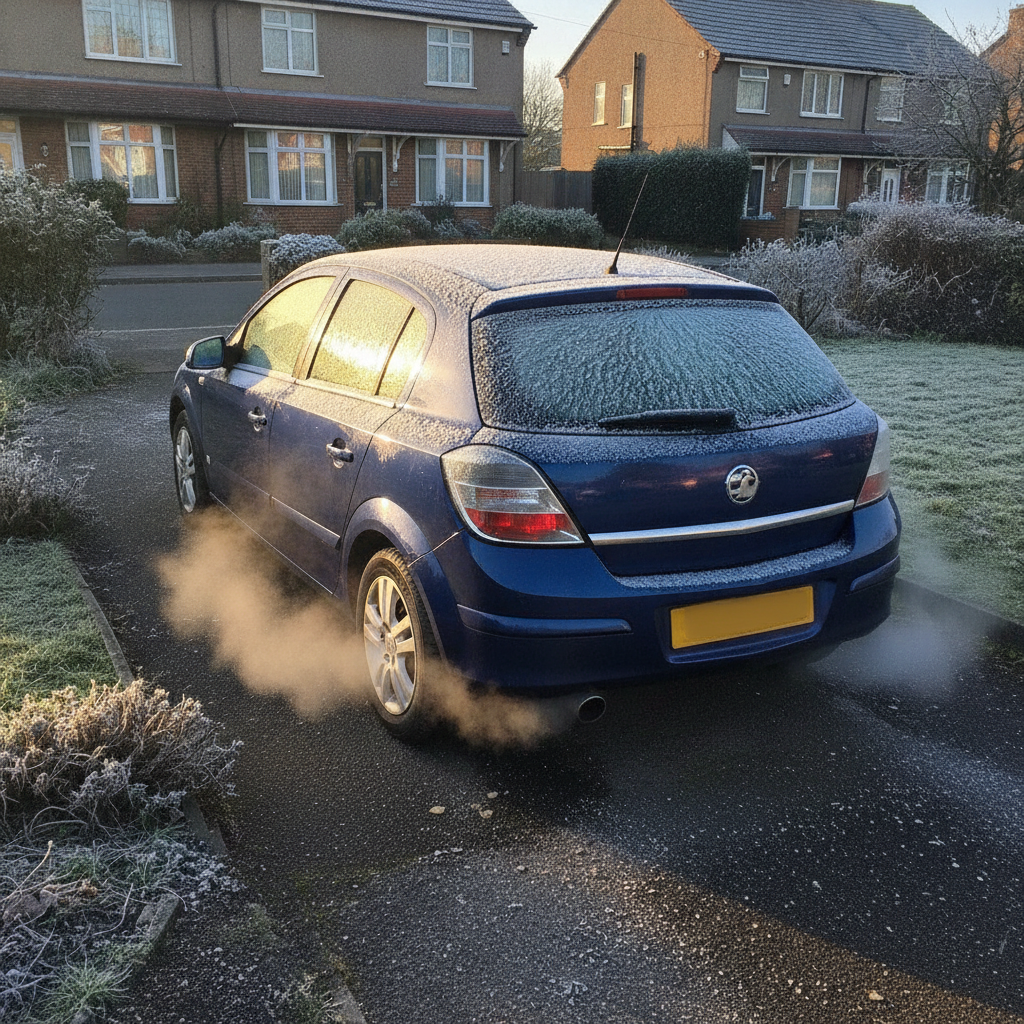
A cold start is the engine’s first start of the day — or any start after the engine has been sitting long enough to reach ambient temperature. The ECU manages cold starts differently from warm starts because a cold engine needs enriched fuelling, longer glow plug activation (on diesels), and adjusted idle speed to run cleanly until the engine reaches operating temperature.
When a remap is applied, the ECU calibration changes. Some of those changes affect the parameters the engine uses across the full temperature range — including cold start. For most vehicles, this change is seamless. For some, there is a short period of adjustment while the ECU adapts and the driver becomes familiar with how the remapped engine behaves from cold.
Understanding what is and is not expected in this period avoids unnecessary concern — and also makes it easier to spot the small number of cases where a cold start issue genuinely does need attention.
The ECU adapts over time
Modern ECUs use adaptive maps that adjust their calibration parameters based on learned driving data. After a remap, these adaptive values may not fully reflect the new calibration until the ECU has completed several drive cycles. Mildly different behaviour in the first few days is part of this process.
What Is Normal After a Remap: Cold Start Behaviour to Expect
The following are commonly reported in the days after a remap and are generally nothing to worry about. They tend to settle as the ECU adapts and as the driver builds familiarity with how the remapped engine feels.
Slightly lumpy or uneven idle for the first minute
On a cold start, the engine is running on enriched fuelling while it warms up. A newly remapped ECU may lean this enrichment slightly compared to the factory calibration. On some vehicles, particularly diesels, this means the idle sounds slightly less smooth for the first 30 to 60 seconds until the engine reaches a warmer operating band. It should settle cleanly once the temperature gauge begins to move.
More noticeable exhaust note at idle
A remap that improves throttle response and fuelling often makes the exhaust note slightly more pronounced at idle — particularly on diesel vehicles. This is not a fault. It is simply the result of a more responsive combustion cycle. If the note is consistent and settles as the engine warms, it is normal behaviour.
Earlier throttle response than expected
After years of driving on a factory calibration, the remapped throttle response can feel noticeably sharper. On a cold start, when you blip the throttle to check the idle, this improved response can feel unfamiliar at first. It is not a fault — it is the intended result of the remap.
Brief hesitation on the very first pull-away
Some drivers notice a momentary hesitation on the first acceleration from cold — particularly in winter months. This typically disappears once the engine has had 60 to 90 seconds at idle to warm slightly before pulling away. The same advice applies as with any cold engine: avoid high loads until the temperature gauge is moving.
What Is Not Normal and Needs Investigation
The following behaviours after a remap are not normal and warrant a follow-up with your remapping provider.
Persistent rough idle that does not clear as the engine warms
A rough idle that improves within the first two minutes as the engine warms is part of normal cold start behaviour. A rough idle that continues well into the warm-up phase — or that was not present before the remap — is worth investigating. It can indicate that the cold start fuelling parameters in the new calibration are not quite right for that specific vehicle.
Misfires or shaking on cold start
A misfire is distinct from a rough idle. Misfiring produces a noticeable shudder or jolt and is often accompanied by a noticeable drop in idle speed. If this is happening on cold starts following a remap and was not happening before, the calibrator should review the cold start and glow plug delay parameters in the map.
Black smoke on cold start that was not present before
Some black smoke on a diesel cold start is normal — briefly, and in cold weather. Persistent black smoke on every cold start, or black smoke that was not present before the remap, suggests the cold start enrichment may be too high or the injection timing needs adjustment. This should be flagged to the remapping provider.
Engine management light on cold start
If the engine management light illuminates on cold start following a remap, scan the ECU for fault codes immediately. Common codes after a remap-related issue include boost pressure faults (P0234, P0299), fuel trim codes (P0171, P0172) or EGR-related faults. Share these codes with the remapper — they provide direct guidance on what needs adjusting in the calibration.
Hard start or failure to start from cold
If the vehicle is harder to start from cold than it was before the remap — requiring longer cranking, multiple attempts, or not starting at all — this is not normal. This should be investigated without delay. On a diesel, glow plug delay or cold start fuelling in the remap may need revisiting. On a petrol, cold start enrichment and injection timing are the starting points.
If cold start problems develop after a budget remap
Not all remaps are equal. A generic off-the-shelf map applied without a custom calibration for the specific vehicle can leave cold start parameters poorly set — because the map was written for a different vehicle’s sensor readings. If your cold start issues followed a remap that involved no live data tuning, the calibration itself may need revisiting.
Cold Start Differences Between Diesel and Petrol Remaps
The cold start behaviours associated with remapping differ somewhat between diesel and petrol engines, because the combustion processes and cold start strategies are fundamentally different.
Diesel cold start specifics
Diesel engines rely on compression ignition rather than a spark. Cold starts depend on glow plug pre-heating and rich initial fuelling to achieve combustion in cold cylinder conditions. A remap that adjusts injection timing or fuel delivery parameters can affect how the engine behaves from cold — particularly in winter months when ambient temperatures are low.
If the injection timing is advanced too aggressively in the remap’s cold start table, a diesel can exhibit a harder, more clatter-like idle noise from cold. This is usually temporary as the engine warms, but it can be adjusted if it bothers the driver or seems excessive.
Petrol cold start specifics
Petrol cold start issues post-remap are less common because petrol engines use spark ignition and their cold start strategies are less sensitive to calibration changes. When cold start issues do appear on petrol remaps, they are usually related to idle air or throttle body calibration and tend to settle as the ECU adapts over a few drive cycles.
Why Cold Start Issues Can Emerge After Remapping
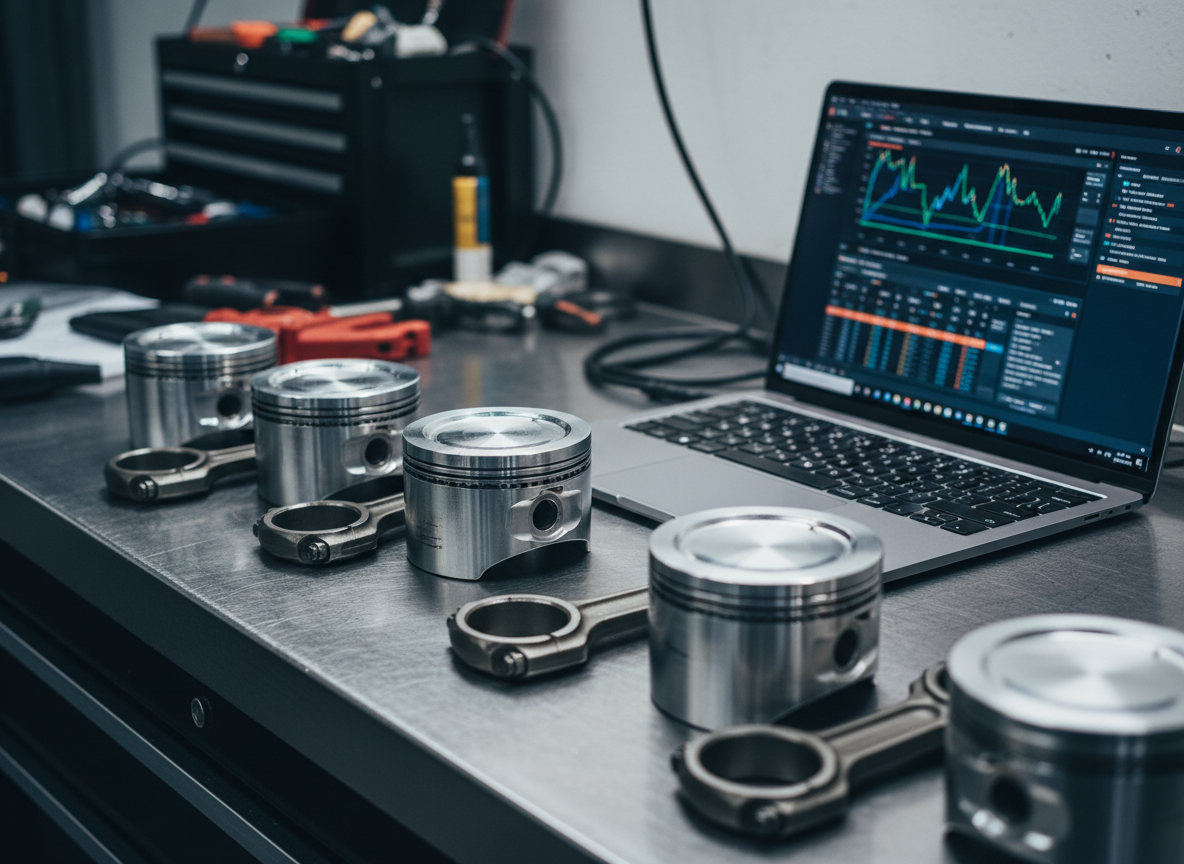
Cold start parameters are a specific section of the ECU’s calibration tables. A remap primarily targets performance-related tables — boost pressure, injection quantity, timing advance, torque limits — but the cold start tables are often related to these areas.
On a well-calibrated custom remap, the calibrator will account for cold start behaviour and set the parameters appropriately for the vehicle. On a generic map applied without live tuning, the cold start values may not be optimised for that specific vehicle’s sensor readings, injector characteristics or local climate conditions.
The quality of the original remap calibration is the single biggest factor in whether cold start issues appear. A calibrator who uses live data and tests cold start behaviour before signing off the work will rarely leave a client with cold start problems.
Leicester Remaps uses custom calibration files rather than off-the-shelf maps. The original ECU data is backed up before any changes are applied. If a cold start behaviour develops that was not present before and does not settle after a few drive cycles, it can be reviewed and adjusted.
What to Do If You Have Cold Start Concerns After a Remap
The first step is to give the ECU a few days of normal driving. The ECU’s adaptive systems need several complete drive cycles — cold start to full temperature, varied throttle loads, engine off — to fully settle into the new calibration. Behaviour that feels slightly different on day one often normalises by day five.
If cold start concerns persist beyond a week
1. Note the specific symptom: rough idle, misfire, black smoke, hard start, engine management light
2. Record when it happens: first start only, every cold start, only in cold weather
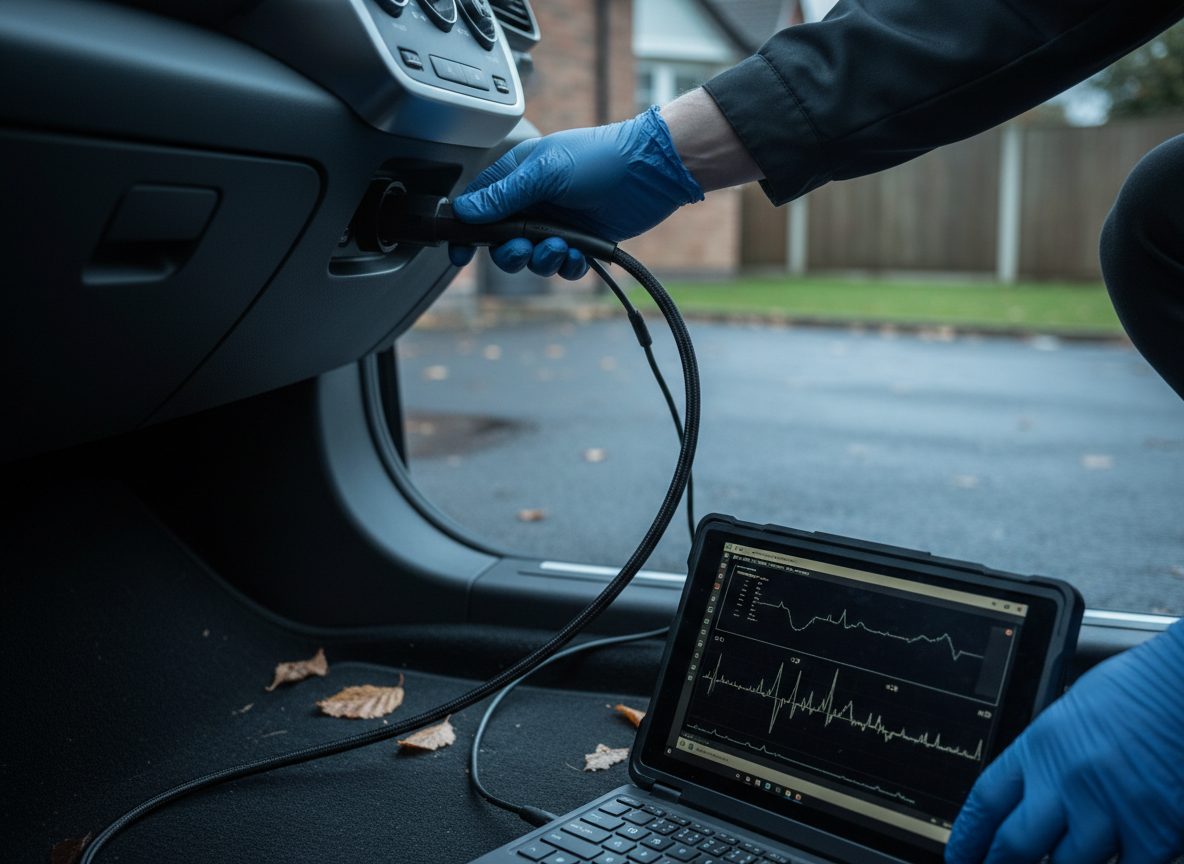
3. Scan for fault codes — even a basic OBD reader gives useful information
4. Contact your remapping provider with this information — a specific description helps them identify what in the calibration needs reviewing
5. If the issue is a genuine calibration problem, a quality remapper will adjust the cold start tables at no extra cost
Leicester Remaps provides follow-up support for clients who have queries about post-remap behaviour. Cold start concerns are usually straightforward to diagnose and, where they stem from the calibration, straightforward to adjust. Contact us if anything about the engine’s cold start behaviour does not feel right after the first week of driving.
Post-Remap Support and Mobile ECU Remapping in Leicester
Leicester Remaps provides custom ECU calibration — not generic maps — across Leicester, Leicestershire and the wider Midlands. Cold start performance is part of the calibration process, not an afterthought.
- Custom calibration for each specific vehicle
- Original ECU file backed up and fully reversible
- Mobile service — we come to your location
- Post-remap support if any behaviour feels unexpected
How long does rough idle after a remap last?
If the rough idle is part of normal ECU adaptation, it typically settles within three to seven days of normal driving. If it persists beyond this, it is worth flagging to your remapping provider for a calibration review.
Is a lumpy cold start always caused by the remap?
Not necessarily. A lumpy cold start that appears after a remap could coincide with an existing issue — worn glow plugs on a diesel, ageing fuel injectors, or a marginal MAF sensor — that the increased engine demand from the remap has brought to the surface. A diagnostic scan will separate remap-related issues from pre-existing faults.
Can I reverse the remap if cold start problems are too bad?
Yes. Leicester Remaps retains the original ECU file. If cold start issues cannot be resolved through calibration adjustment and you prefer to return to the factory map, this can be done. In most cases, a calibration adjustment is the better solution — but the option to reverse is always there.
Does a remap affect the glow plug system?
A standard Stage 1 remap does not target the glow plug control parameters on most vehicles. If glow plug-related cold start issues appear after a remap, the glow plugs themselves are usually the more likely cause — particularly on high-mileage diesels. Testing glow plug function is a quick diagnostic step.
My cold start was fine before the remap but the car now hesitates pulling away when cold — is this the remap?
A new cold-start hesitation that was not present before the remap is worth discussing with your remapping provider. It could be an interaction between the new calibration’s cold start fuelling and the vehicle’s current condition. Sharing the symptom description — including how long it lasts and at what temperature it is worst — helps the calibrator identify whether a cold start table adjustment is needed.
Leicester Remaps provides mobile ECU remapping services across Leicestershire and the East Midlands. For queries about post-remap behaviour or to book a mobile session, get in touch via the contact page.