Does Remapping Damage Your Engine? Honest 2025 Guide
Primary keyword: does remapping damage your engine • Updated for: 2025
If you’re thinking about a remap, you’ve probably asked yourself: “Does remapping damage your engine?” It’s one of the most common questions we hear at Leicester Remaps, and the honest answer is: a good remap on a healthy engine is very unlikely to cause damage – but a bad remap absolutely can.
This guide breaks down where the real risks come from, how to tell good tuning from bad, and when you should walk away. We’ll also show you how a properly calibrated Stage 1 remap is designed to stay within safe limits.
1. What a remap actually changes
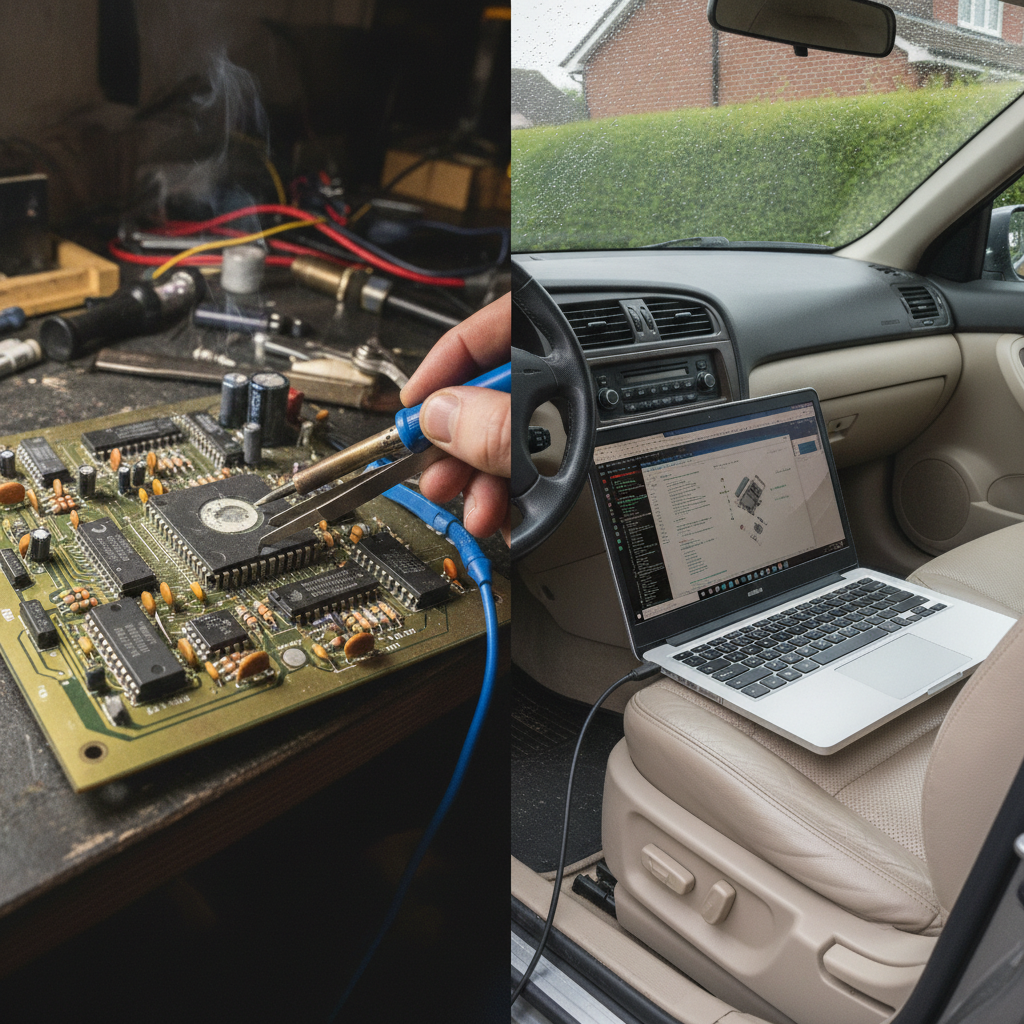
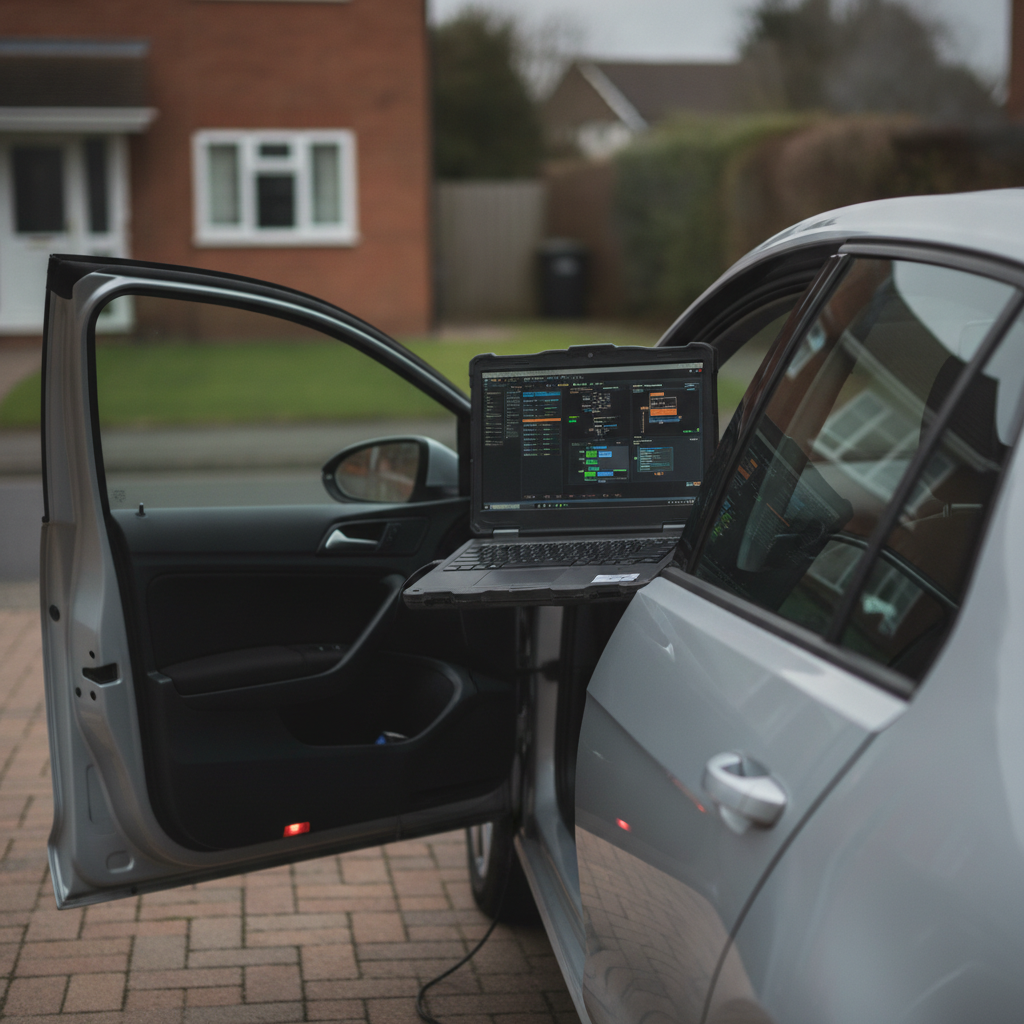
Modern engines are controlled by an ECU (Engine Control Unit). A remap is simply a recalibration of the software inside that ECU. Depending on the car and the tuner, a remap can adjust:
- Boost pressure targets on turbocharged engines.
- Fuel injection quantity and timing.
- Torque limiters in different gears.
- Throttle response and, in some cases, rev limits.
Manufacturers usually leave a safety margin to cope with poor fuel, hot climates, heavy loads and infrequent servicing. A well‑designed Stage 1 remap works within that safety window. A badly designed or aggressive file can push beyond it – and that’s where damage becomes more likely.
2. When remapping is generally safe
In our experience, a remap is usually safe when all of the following are true:
- The engine is mechanically healthy with no existing faults.
- The map is Stage 1 only (no hardware changes) and written for that exact engine and ECU.
- The tuner respects sensible limits for boost, fuelling, torque and exhaust gas temperatures.
- Servicing is up to date with quality oil and filters.
On a healthy, well‑maintained car, a conservative Stage 1 remap can often deliver:
- Stronger mid‑range torque for easier overtakes.
- Smoother power delivery.
- In some cases, similar or slightly better fuel economy when driven sensibly.
For a deeper dive into Stage 1 specifically, have a look at our Stage 1 remap reliability guide .
3. When remapping can damage your engine
Remapping can damage an engine if it’s done badly or applied to the wrong vehicle. The main risk factors are:
3.1 Existing mechanical problems
If your engine already has issues, extra torque and cylinder pressure can push it over the edge. Warning signs
include:
- Excessive smoke or oil consumption.
- Knocking, misfires or rough idle.
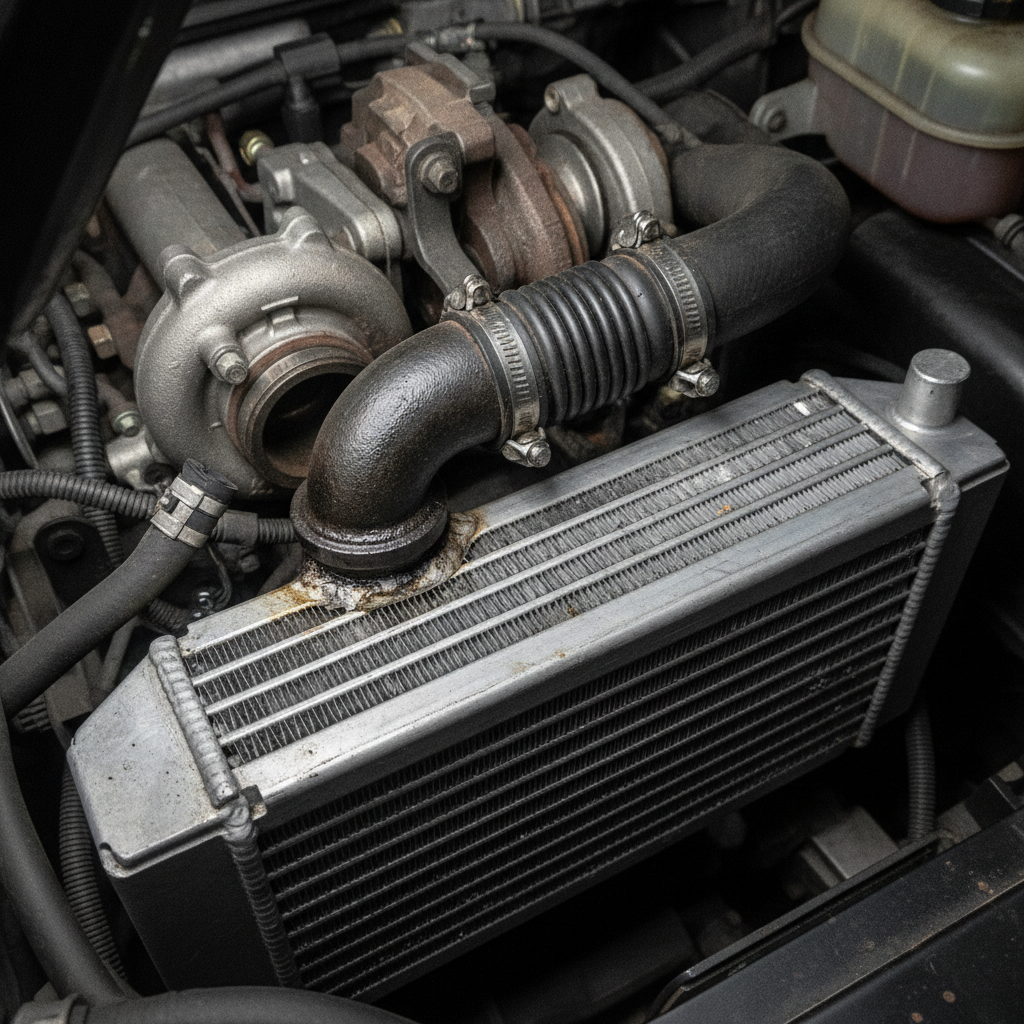
- Turbo whine, boost leaks or limp‑mode faults.
- Known DPF, EGR or AdBlue problems.
In these cases, a responsible tuner will refuse to remap the car until the underlying faults are
fixed. At Leicester Remaps we always carry out a pre‑tune health check for this reason.
3.2 Aggressive or generic maps
Not all remaps are created equal. Risky files often:
- Chase headline power figures at the expense of reliability.
- Run excessive boost or fuelling, raising exhaust gas temperatures.
- Disable safety limiters or emissions checks in the ECU.
- Are generic “one file fits many” downloads, not calibrated for your car.
These are the maps that most often lead to clutch slip, turbo failures or head gasket issues in
the real world.
3.3 Poor supporting maintenance
Even a safe map can be pushed into risky territory if the car is neglected:
- Long oil change intervals with the wrong grade of oil.
- Cheap filters and poor‑quality fuel.
- Ignoring small leaks, noises or warning lights.
Think of a remap as asking the engine to work a bit harder. If you’re not prepared to look after it properly,
it’s better to leave it standard.
4. Common myths about remaps and engine damage
4.1 “Any remap will halve your engine life”
Not true. A sensible Stage 1 tune on a healthy engine, driven normally and serviced properly, can easily last the
life of the vehicle. Many engines are sold in different power levels from the factory using the same hardware and
different software.
4.2 “If it doesn’t smoke, it must be safe”
Visible smoke is only one symptom. An overly aggressive map can be running high cylinder pressures or exhaust
temperatures without obvious smoke, slowly stressing components over time.
4.3 “Dyno figures are all that matter”
Big dyno numbers look great on social media, but they don’t tell you:
- How hard the turbo is working to get there.
- What the exhaust gas temperatures look like.
- Whether torque is within the safe limit for the clutch and gearbox.
At Leicester Remaps we’d rather show you a safe, repeatable power curve than chase an
unrealistic peak figure.
5. How Leicester Remaps keeps your engine safe
Our whole approach is built around answering the question “will this remap damage my engine?” with confidence. A typical Stage 1 remap with us includes:
- Pre‑tune health check – visual inspection, fault code scan and basic data checks. If we’re not happy with the car, we won’t tune it.
- Vehicle‑specific calibration – using proven files for that exact engine and ECU, with sensible limits on boost, torque and fuelling.
- Respect for supporting hardware – we consider clutch, gearbox, turbo and cooling capacity, not just the engine itself.
- After‑care advice – we’ll talk you through warm‑up, cool‑down and servicing best practice so you can look after the car post‑tune.
If you’re specifically worried about long‑term reliability, our Stage 1 remap reliability article goes into even more detail.
6. Who should avoid remapping (for now)
There are situations where we’ll advise against remapping, at least until other issues are sorted:
- High‑mileage engines with poor service history or obvious wear.
- Cars with unresolved DPF, EGR or AdBlue faults.
- Vehicles already running another unknown remap or tuning box.
- Clutches that are already slipping or near the end of their life.
In these cases, the safest route is to:
- Return the ECU to a known‑good stock file if needed.
- Fix the underlying mechanical problems first.
- Re‑assess whether a Stage 1 tune makes sense afterwards.
7. Next steps if you’re still unsure
If you’re still asking “will a remap damage my engine?”, that’s a good sign – it means you care about doing things properly.
To make an informed decision, you can:
- Read our Stage 1 reliability guide for more detail on safety margins and real‑world examples.
- Check the Stage 1 remap service page to see what gains are realistic for your engine.
- Use the details on our contact page to ask for a no‑obligation health check or quote.
With the right car, the right map and the right tuner, a remap should feel like your engine finally working the way it always should have – without shortening its life or risking expensive failures.