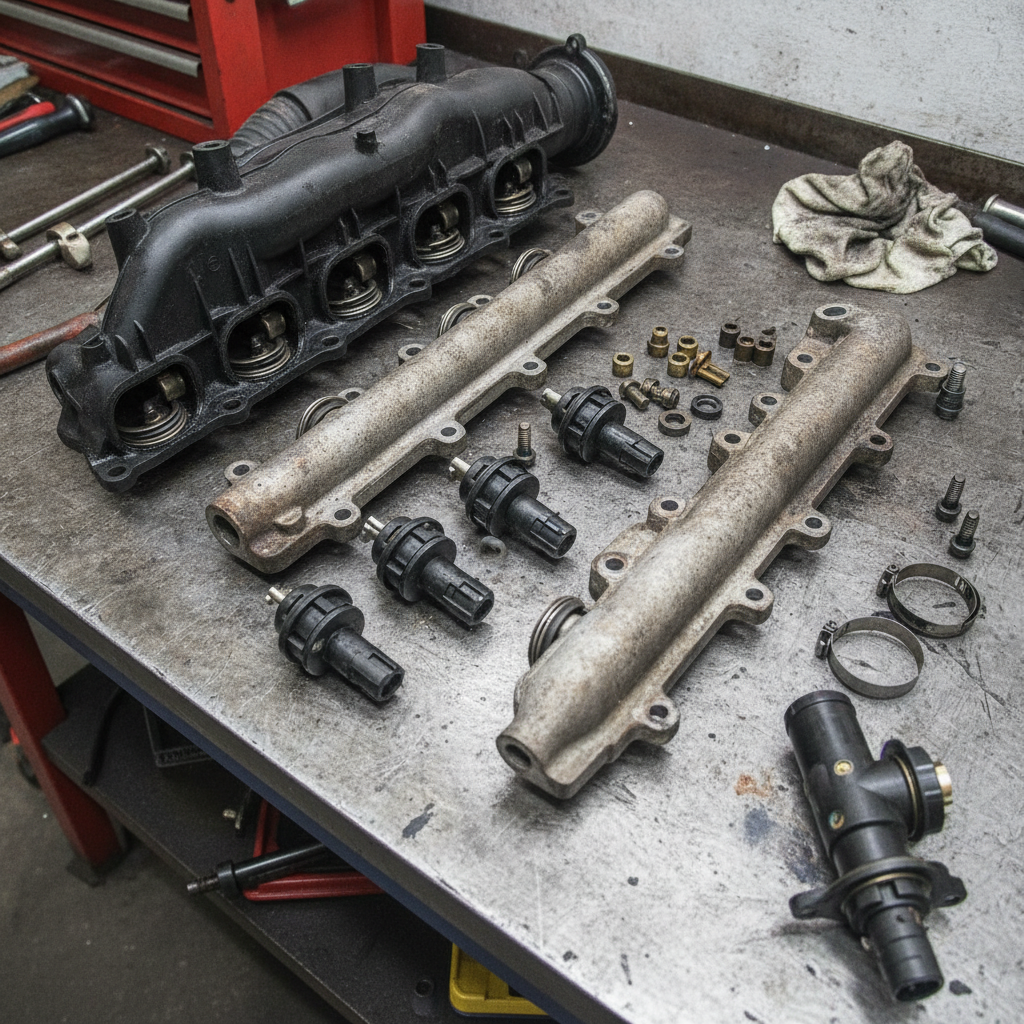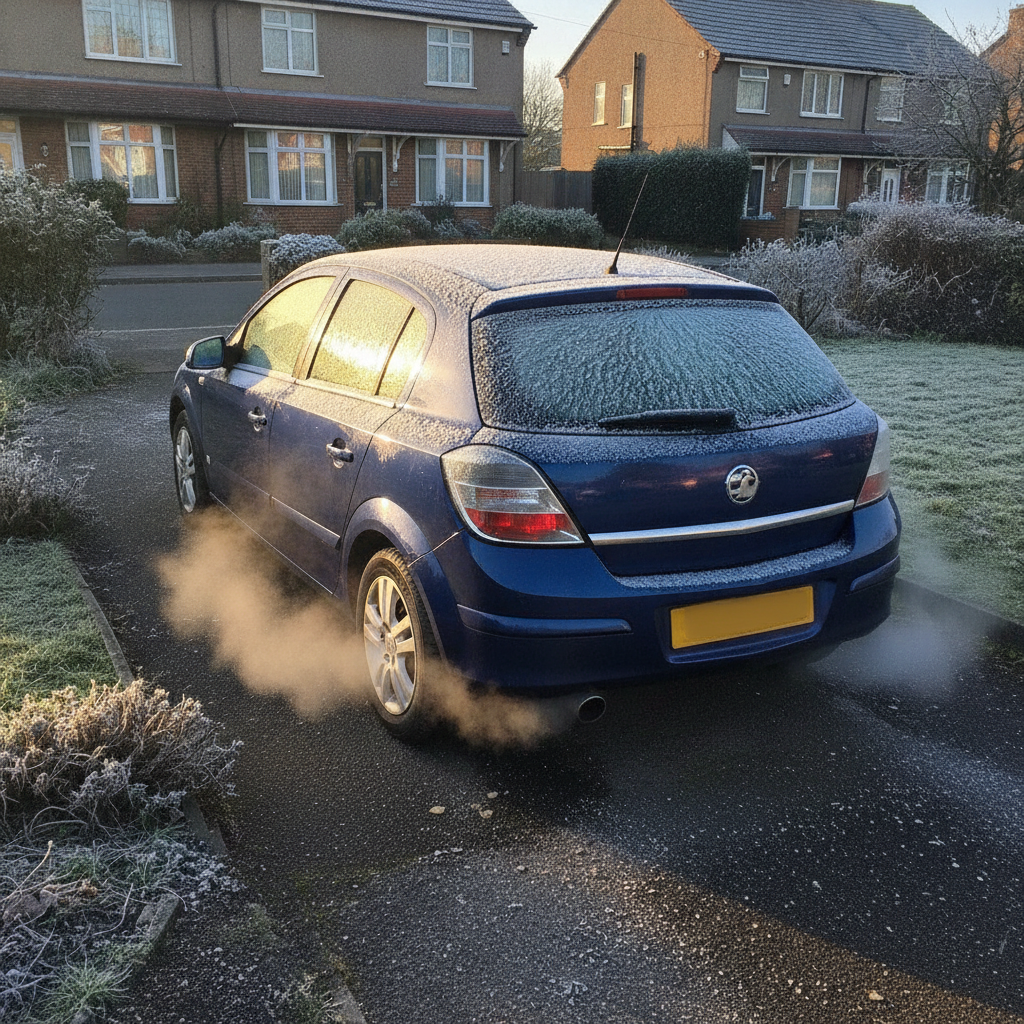
If your car’s been running rough, using more fuel than usual, or flashing warning lights – the EGR valve might be to blame.
This small part has a big impact on your engine’s health and emissions.
Let’s walk through what it is, why it fails, and how to fix it – fast.
What Is EGR Valve?
The EGR valve stands for Exhaust Gas Recirculation.
It’s part of your engine’s emission control system.
Its job? Push a portion of the exhaust gases back into the engine instead of letting them escape.
Why? It helps:
-
Cut down harmful nitrogen oxide (NOx) emissions.
-
Keep combustion temperatures lower.
-
Improve fuel economy.
Petrol or diesel – most modern engines have one.
You don’t see it, but if it goes bad, your car feels it.
Why Is EGR Valve Important for UK Drivers?
In the UK, MOT tests include emissions checks.
If your EGR valve isn’t doing its job, you could fail.
It also helps your car meet Euro 6 emission standards.
Skipping repairs can lead to fines or legal issues.
Plus, you’re polluting more than you should.
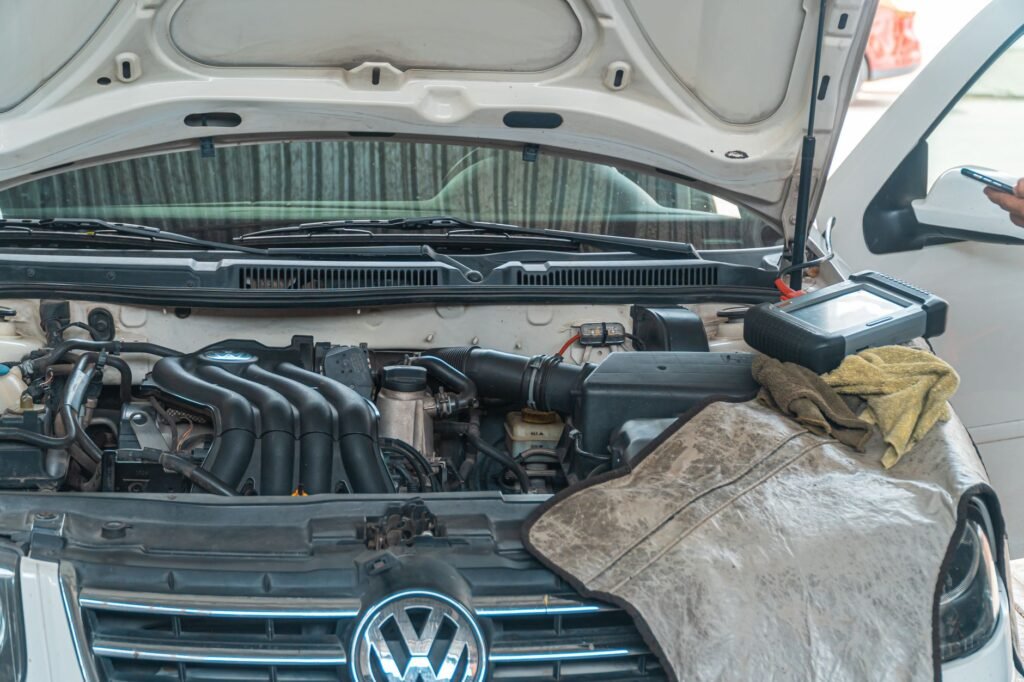
Where Is EGR Valve Located?
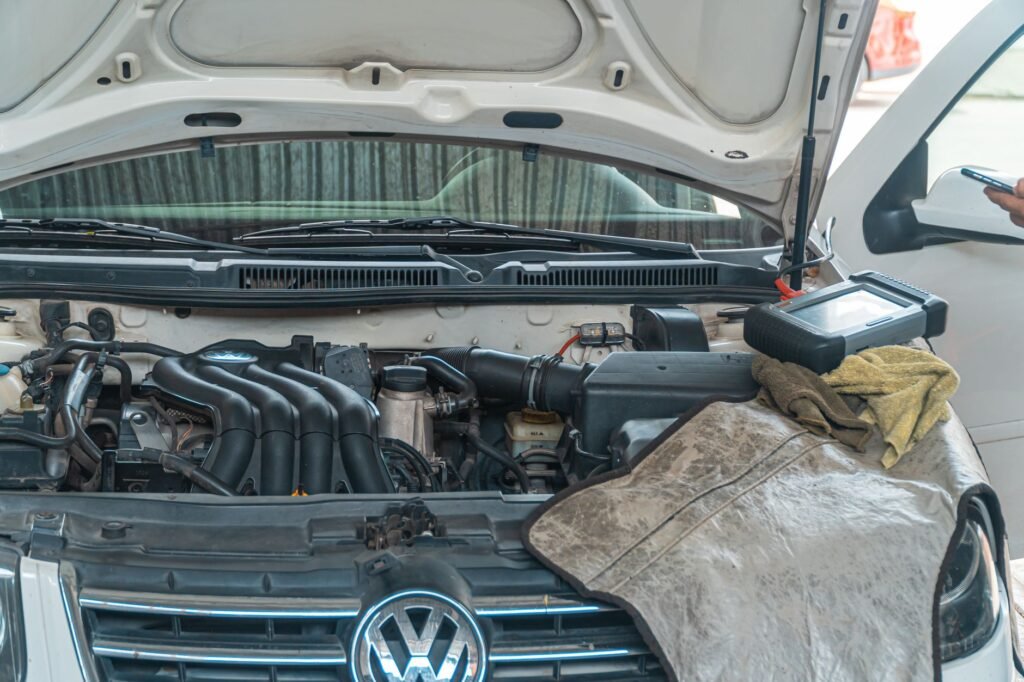
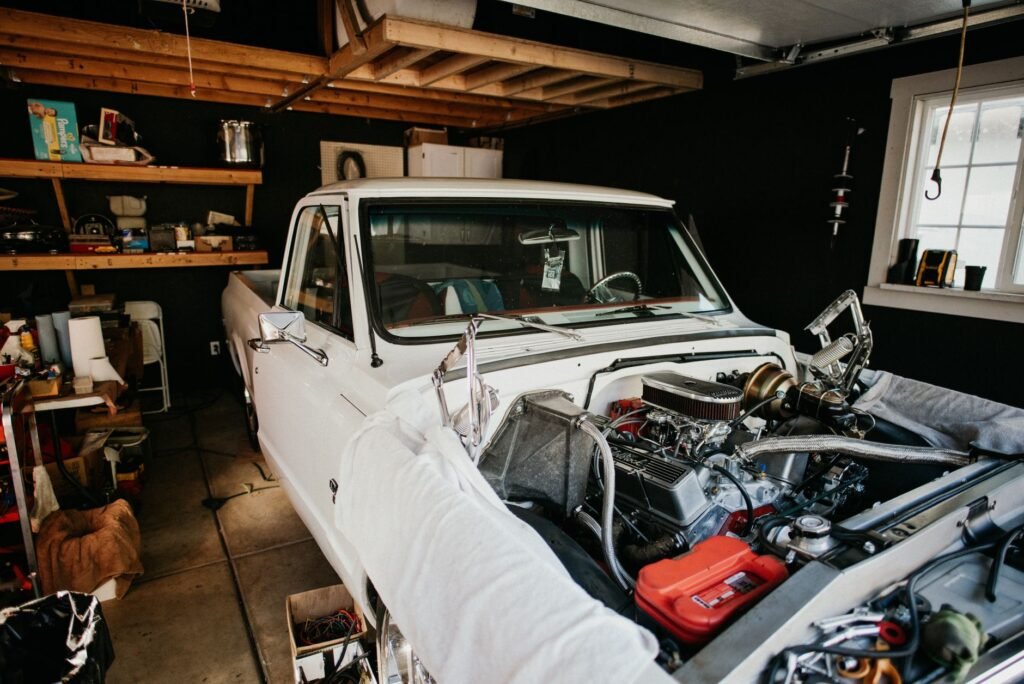
Usually found near the intake manifold, under the bonnet.
The spot can vary:
-
Diesel engines: often lower and harder to reach.
-
Petrol engines: slightly more accessible.
Check your car’s manual or ask a garage to pinpoint it.
Types of EGR Valves
There’s not just one type.
-
Pneumatic EGR Valves
Controlled by vacuum. Found in older models. -
Electric EGR Valves
Use sensors and motors. Common in newer vehicles. -
Digital EGR Valves
Smart, precise, and fitted in most modern engines.
Check which one your car has.
Ford, Vauxhall, VW – all use different types.
How Does an EGR Valve Work?
Here’s the basic job:
-
It opens to let a small amount of exhaust gas into the intake.
-
That mixes with fresh air and fuel.
-
It burns at a cooler temp, which reduces NOx output.
When does it open? Usually during cruising or part-throttle.
Not when idling or full throttle.
EGR Valve Symptoms: Is It Failing?
Your car will let you know. Watch for:
-
Rough idling
-
Loss of power
-
Increased smoke from the exhaust
-
Engine warning light (usually code P0401)
-
Smell of unburned fuel
-
Misfiring or knocking
What Causes an EGR Valve to Fail?
The big one? Carbon buildup.
Over time, exhaust soot clogs the valve.
Other triggers:
-
Old age
-
Faulty sensors
-
Skipped services
Bad maintenance = blocked EGR.
How to Diagnose EGR Valve Problems
You don’t have to guess.
Here’s how mechanics find the fault:
-
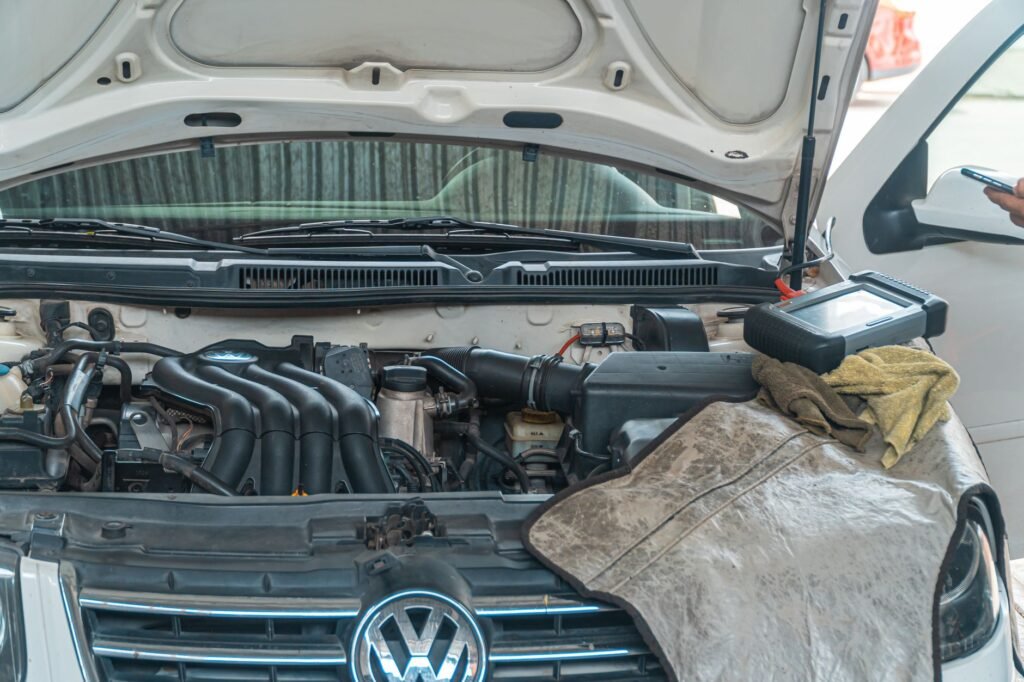
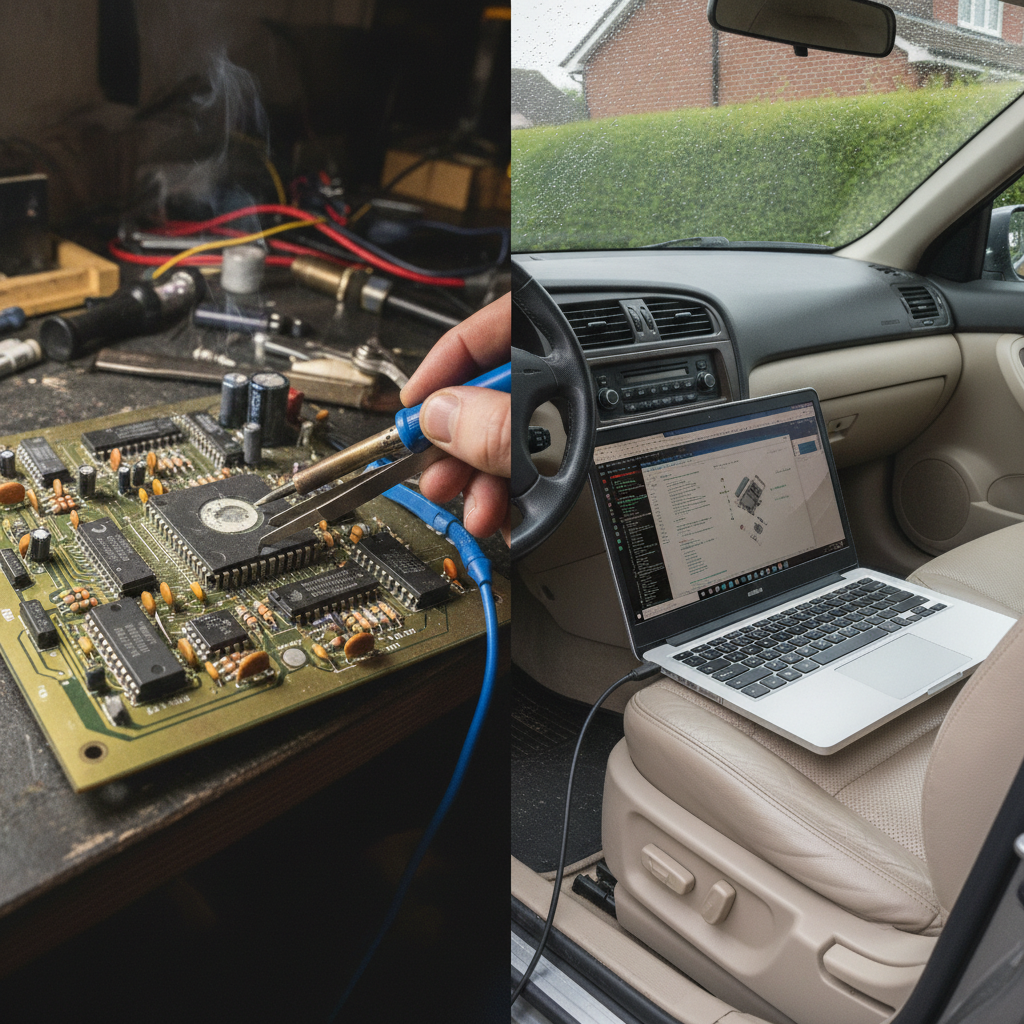
OBD2 scan tool to check error codes
-
Visual inspection for gunk or blockage
-
Smoke test to check for leaks
-
Pressure and voltage testing (depending on the valve type)
What Happens If You Ignore a Failing EGR Valve?
Don’t wait. Things get worse fast.
-
Engine damage from high temps
-
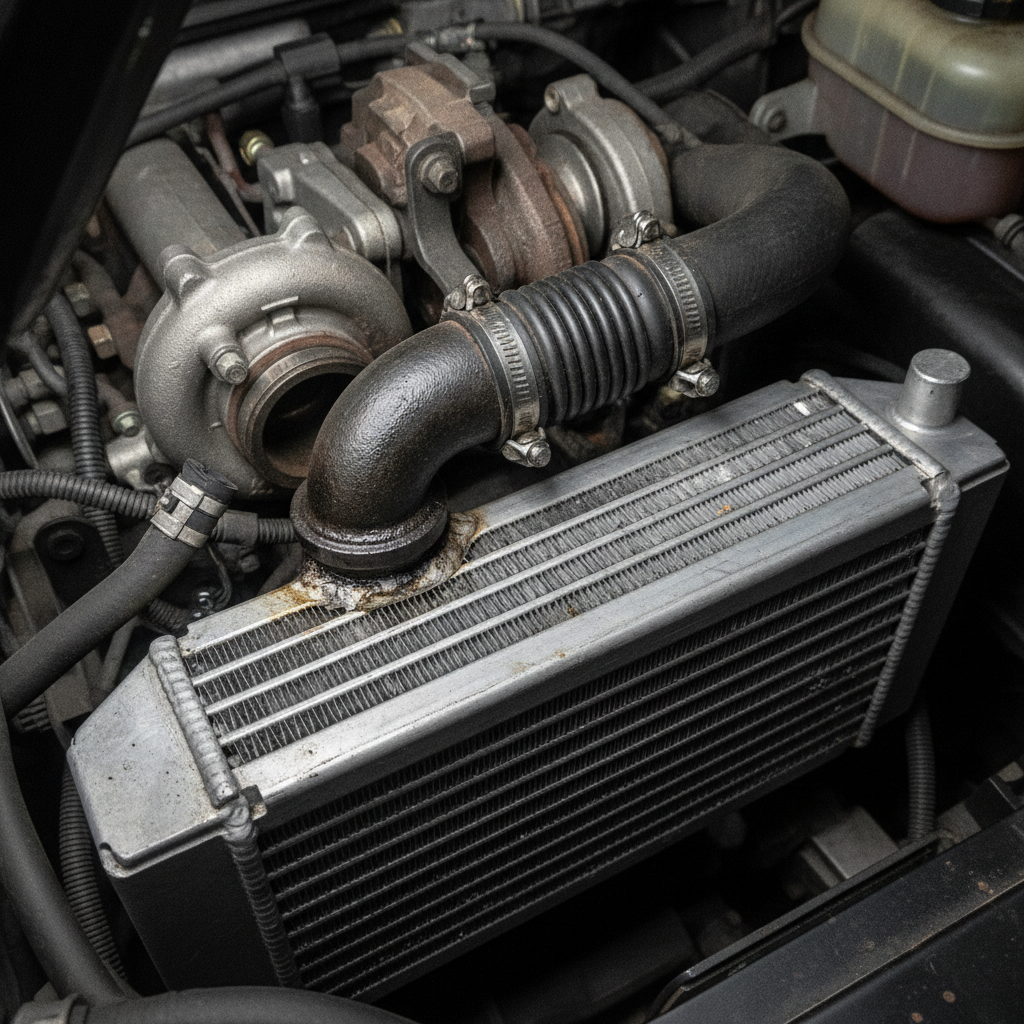
Turbocharger strain
-
MOT test failure
-
Poor fuel economy
-
Nasty emissions that smell and pollute
What Is the Solution?
Two fixes: clean it or replace it.
EGR Valve Cleaning
-
Use carb cleaner or a garage-grade solution
-
Clears out carbon deposits
-
Can restore function short-term
EGR Valve Replacement
-
New valve = clean start
-
Best if the valve’s motor or spring is broken
-
More expensive, but long-term safe
Additives (like fuel system cleaners) can help between services but won’t solve heavy blockages.
Pros and Cons
-
Cleaning is cheaper, faster – but might not fix internal faults.
-
Replacement costs more but solves the root issue.
Should You Clean or Replace the EGR Valve?
-
Clean if the valve works but is dirty
-
Replace if there’s physical damage or deep clogging
-
Cost in the UK matters too – see below
Can You Drive With a Faulty EGR Valve?
Short answer: you can. But you shouldn’t.
Risks include:
-
Overheating the engine
-
Damaging other parts like the turbo
-
Failing your MOT
Get it sorted sooner rather than later.
Where to Get EGR Valve Services in the UK
Look for:
-
Local garages (Kwik Fit, Halfords Autocentre, RAC Approved)
-
Mobile mechanics for fast, driveway repairs
-
EGR specialists with diagnostic tools
Use reviews or ask if they’ve fixed your make before (Ford, VW, etc.)
How We Help You With EGR Valve Problems in the UK
We make it easy.
-
Top-tier diagnostic tools to find faults fast
-
Mobile service so you don’t waste time
-
Warranty included on all our repairs
-
No fluff, no upsell, just fixes
FAQs
What happens when an EGR valve goes bad?
You get poor performance, higher emissions, and warning lights. It’s a snowball effect.
Is it OK to drive with a bad EGR valve?
For a short time, yes. Long-term, you’re damaging the engine and could fail your MOT.
How long does it take to fix an EGR valve?
Cleaning: around 1 hour
Replacement: 1.5–3 hours, depending on the car
Will a bad EGR valve fail the MOT in the UK?
Yes. If emissions are off or the warning light is on, it’s a fail.
How often should EGR valves be cleaned or replaced?
Clean every 20,000–30,000 miles.
Replace when cleaning stops working or the valve breaks.
Final Thoughts
If your car’s coughing, stalling, or using more fuel – it’s not just bad luck.
It could be your EGR valve begging for attention.
Get it cleaned or replaced before it burns a bigger hole in your wallet.