Why Modern Diesel Vans Struggle with Short Journeys
Modern diesel vans are built to meet strict emissions rules, not short daily trips.
If your work van mainly does school runs, local call-outs, or short urban drives,
you may already be seeing warning lights, reduced power, or repeated faults.
This guide explains why short journeys cause big problems for diesel vans,
what systems are affected, and how diagnostics and remapping can help reduce downtime.
The Big Change in Modern Diesel Vans
Older diesel vans were simple.
Few sensors.
Minimal emissions equipment.
They warmed up quickly and tolerated stop-start use.
Modern diesel vans are very different.
To meet Euro 5 and Euro 6 standards, manufacturers added multiple emissions systems
that rely on heat, sustained driving, and stable operating conditions.
These systems work well on long motorway runs.
They struggle badly on short journeys.
What Counts as a Short Journey?
A short journey is not about distance alone.
It is about engine temperature and run time.
Typical short-journey patterns include:
- Trips under 10–15 minutes
- Stop-start urban driving
- Repeated cold starts
- Low average speeds
- Frequent engine shut-offs
Many work vans spend most of their life in exactly these conditions.
Why Diesel Engines Need Heat
Diesel engines are most efficient at operating temperature.
Fuel burns cleaner.
Exhaust gases flow properly.
Emissions systems function as designed.
On short journeys:
- The engine rarely reaches full temperature
- Exhaust temperatures stay too low
- Combustion efficiency drops
This creates a knock-on effect across the entire emissions system.
DPF Problems Caused by Short Trips
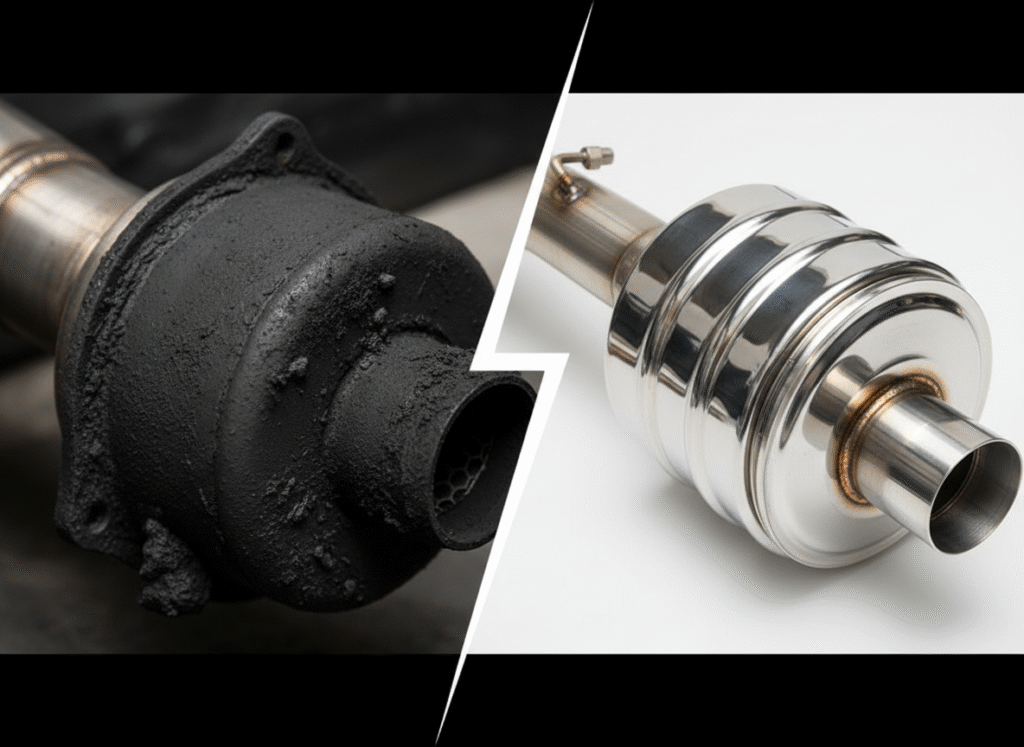
The diesel particulate filter is one of the biggest victims of short journeys.
The DPF traps soot and relies on regeneration to burn it off.
Regeneration requires sustained high exhaust temperatures.
Short journeys prevent this from happening.
Soot builds up faster than it can be burned away.
Common DPF symptoms on short-trip vans include:
- DPF warning lights
- Frequent forced regenerations
- Increased fuel use
- Reduced engine power
- Limp mode activation
Many drivers do not realise regeneration is even trying to occur.
The engine is often switched off before the process completes.
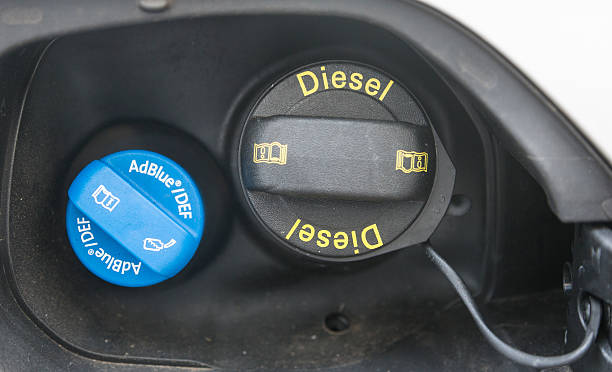
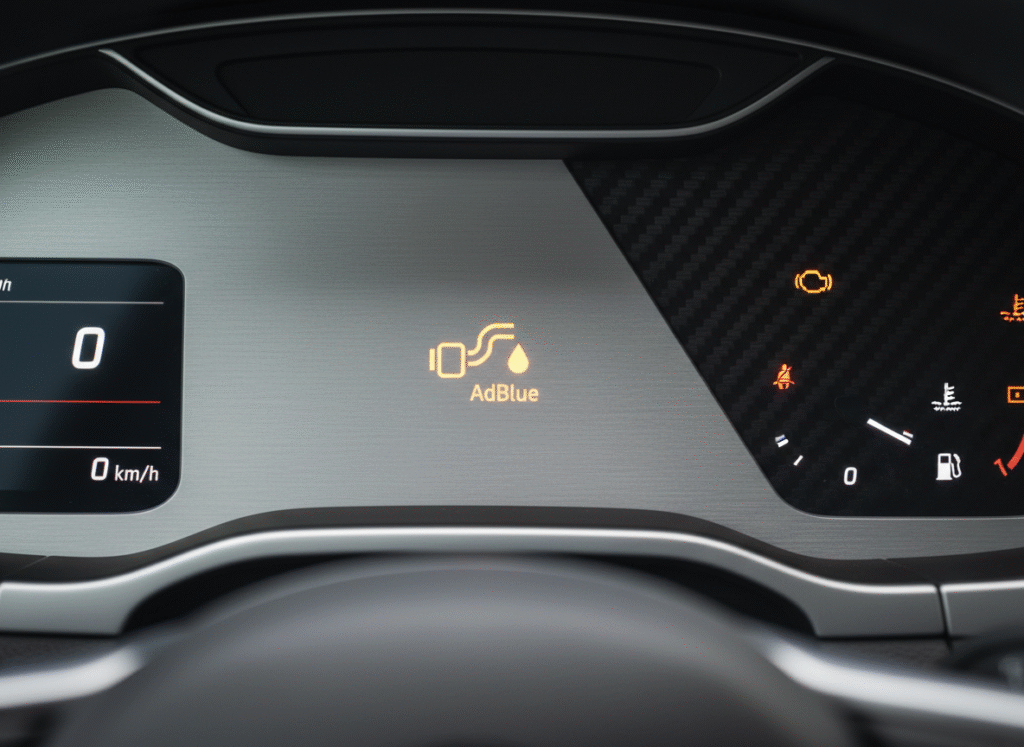
AdBlue Systems and Urban Driving
Euro 6 diesel vans use AdBlue systems to control NOx emissions.
These systems are highly sensitive to temperature and usage patterns.
Short journeys can lead to:
- Crystallisation in AdBlue injectors
- Sensor faults due to incomplete dosing cycles
- Heater failures caused by repeated cold starts
- Countdown warnings leading to no-start conditions
Vans used mainly for local work often experience more AdBlue issues
than those covering high motorway mileage.
EGR Valves and Carbon Build-Up
The exhaust gas recirculation system reduces emissions by feeding exhaust gases back into the intake.
Short journeys increase carbon build-up inside the EGR valve and intake system.
Low exhaust temperatures mean soot is not burned cleanly.
Over time, this leads to:
- Sticking EGR valves
- Rough running
- Flat spots during acceleration
- Sudden power loss
EGR faults are extremely common on diesel vans doing short, urban trips.
Cold Starts and Fuel Dilution
Short journeys mean more cold starts.
Cold starts are one of the hardest phases for a diesel engine.
During cold running:
- Extra fuel is injected
- Combustion is less complete
- Fuel can wash past piston rings
Over time, this can dilute engine oil with diesel.
Oil quality drops.
Wear increases.
This is rarely noticed until servicing reveals rising oil levels or contamination.
Why Warning Lights Appear So Often on Work Vans
Modern diesel vans monitor emissions systems constantly.
Short journeys create repeated incomplete cycles.
The ECU logs faults when:
- Regeneration attempts fail
- Sensors report unexpected values
- Temperatures stay below thresholds
These faults trigger warning lights even though the engine may feel fine.
Why “Italian Tune-Ups” Rarely Fix the Problem
Drivers are often told to “take it for a good run”.
While longer drives can help temporarily,
they rarely fix underlying issues once faults are established.
A heavily loaded DPF or failing sensor will not recover permanently
from the occasional motorway blast.
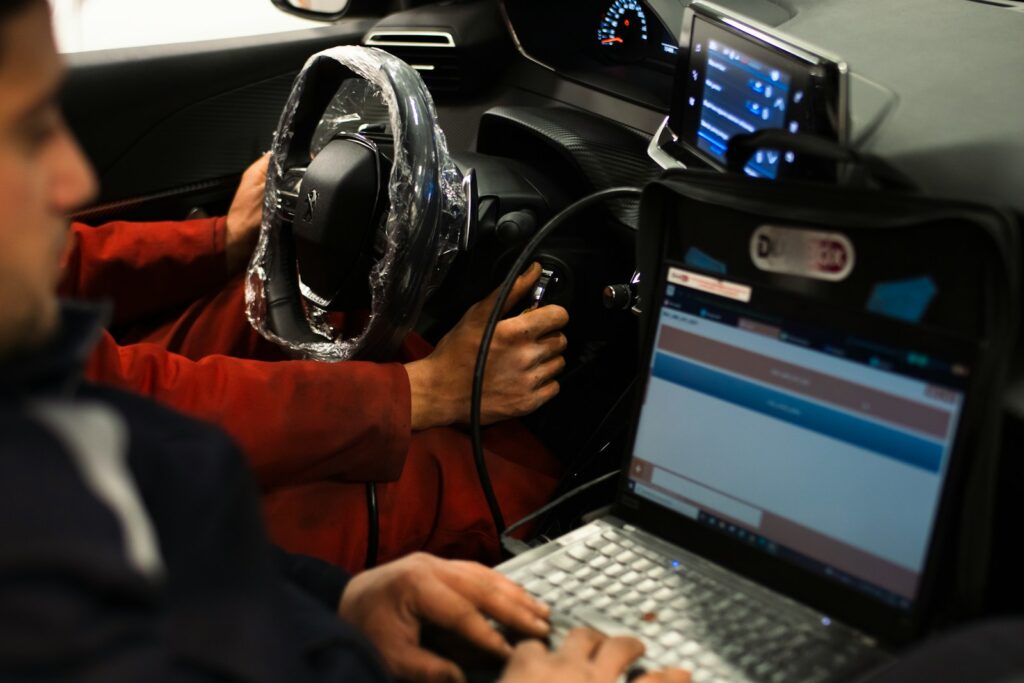
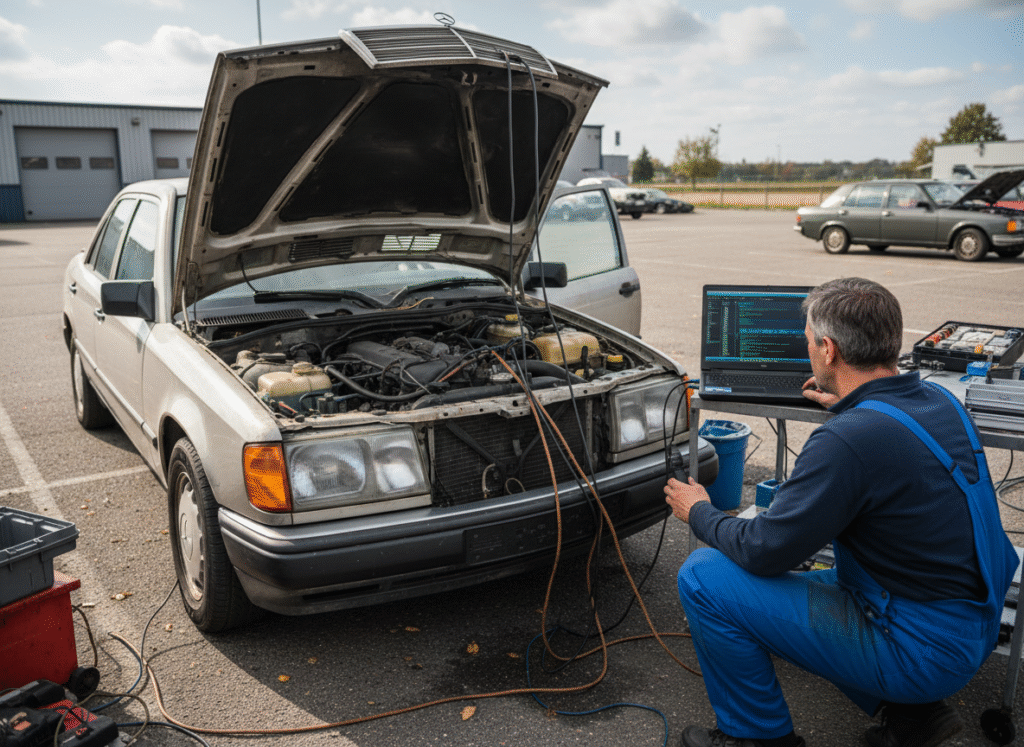
Diagnostics are needed to understand what the system is actually doing.
How Diagnostics Help Short-Journey Vans
Proper diagnostics reveal:
- DPF soot and ash levels
- Failed regeneration history
- AdBlue dosing errors
- EGR position faults
- Temperature sensor behaviour
This data shows whether the van is suitable for its current usage pattern
or if changes are needed to reduce repeat failures.
Can ECU Remapping Help with Short Journeys?
ECU remapping cannot change emissions laws,
but it can improve how the engine behaves in real-world driving.
For short-journey vans, careful calibration can:
- Improve low-RPM torque
- Reduce excessive throttle input
- Stabilise drivability during warm-up
- Support smoother regeneration conditions
The aim is not peak power.
It is improved usability and reduced stress on the system.
Why Usage Matters More Than Mileage
Many short-journey vans have low mileage but high fault rates.
A van doing 10,000 urban miles can experience more issues
than one doing 40,000 motorway miles.
Emissions systems care about temperature and load, not the odometer.
When Diesel Is the Wrong Tool for the Job
Modern diesel vans are not ideal for constant short trips.
Tradespeople and fleets are increasingly reconsidering vehicle choice
based on how vans are actually used.
Where diesel remains necessary,
proactive maintenance and correct setup become critical.
Reducing Downtime for Work Vans
Breakdowns and warning lights cost time and money.
Understanding why faults occur allows owners to:
- Address issues early
- Avoid repeat visits to garages
- Reduce recovery and downtime
- Keep vans earning
Diagnostics and correct tuning play a key role in this process.
Mobile Diagnostics for Diesel Vans in Leicester
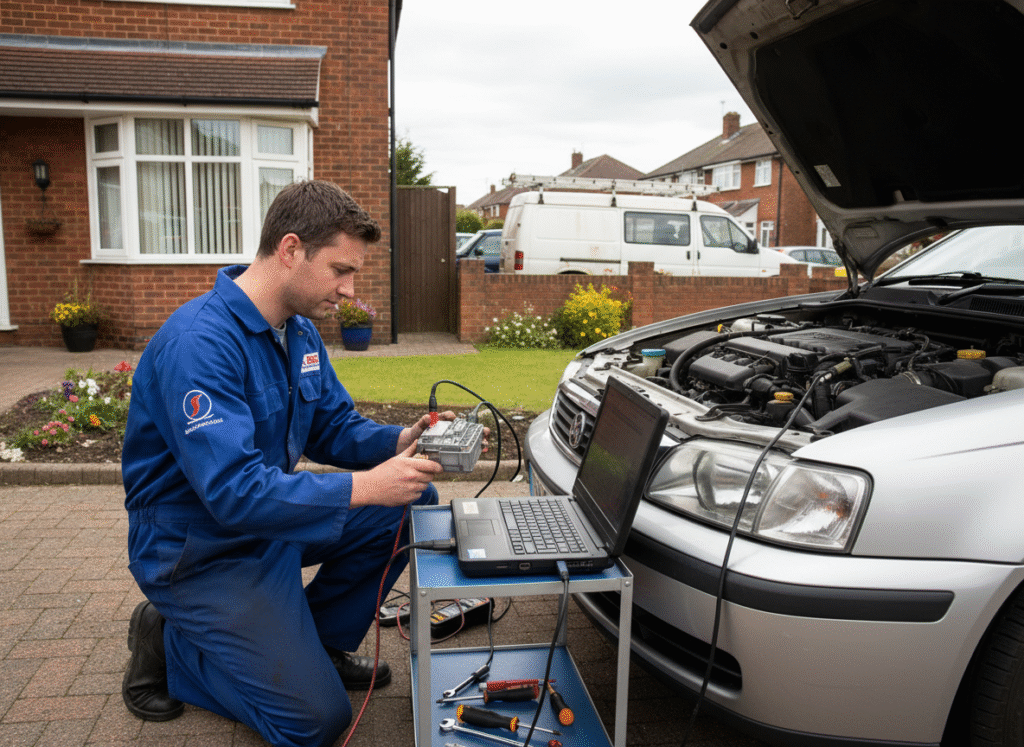
Mobile diagnostics allow issues to be assessed where the van is used.
This is ideal for:
- Trades vans
- Local delivery vehicles
- Fleet vans with limited availability
Problems can be identified without disrupting work schedules.
Final Thoughts
Short journeys are one of the biggest challenges for modern diesel vans.
DPF, AdBlue, and EGR systems were not designed for constant cold running.
Understanding this explains why faults keep returning.
With proper diagnostics, realistic expectations, and the right setup,
many of these issues can be reduced.
The key is matching the vehicle to the job it actually does.