Common AdBlue System Faults and Symptoms Drivers Shouldn’t Ignore
Primary keyword: common AdBlue system faults • Updated for: 2025
AdBlue is brilliant when it works – but when it doesn’t, you’re suddenly facing warning lights, limp mode and “no engine start” countdowns. The good news is that most common AdBlue system faults follow predictable patterns, and the symptoms can tell you a lot about what’s going wrong.
In this guide we’ll walk through the main AdBlue problems we see in the workshop, what the symptoms look like on your dash, and when it’s time to get help from an AdBlue specialist such as Leicester Remaps.
1. How the AdBlue system works in simple terms
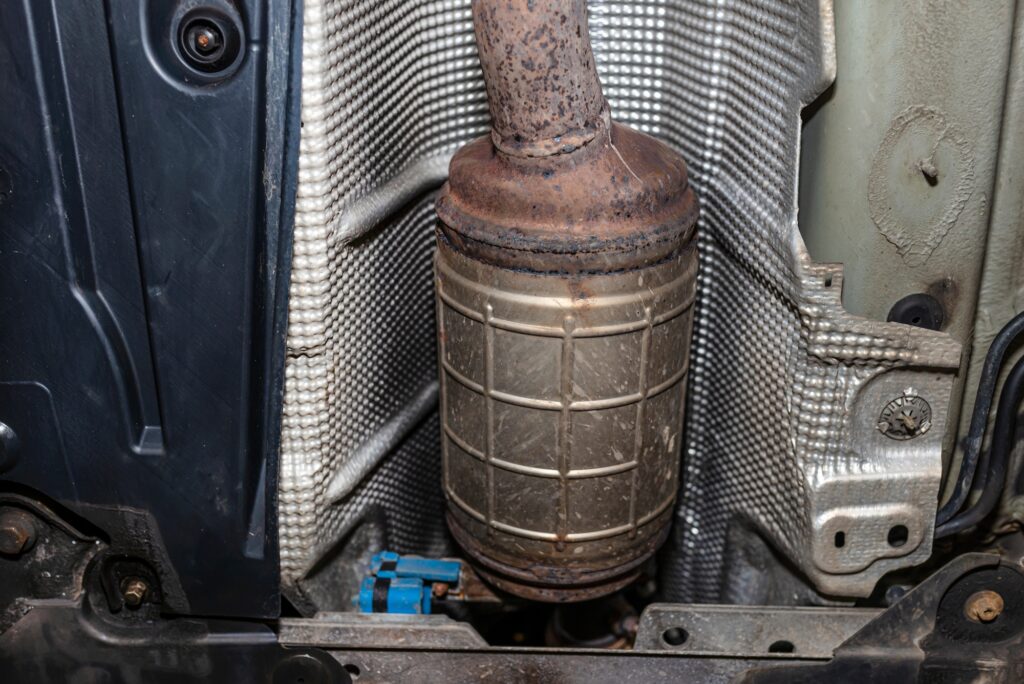
Most modern diesel cars and vans use a Selective Catalytic Reduction (SCR) system with AdBlue to cut NOx emissions. In everyday language:
- AdBlue (a urea solution) is stored in a separate tank.
- A pump sends AdBlue to an injector in the exhaust.
- The SCR catalyst converts harmful NOx into nitrogen and water vapour.
- Sensors and the engine ECU monitor temperature, flow and emissions.
If anything in that chain stops behaving as expected, the ECU logs a fault and – depending on severity – can trigger warning lights, limp mode or even a no‑start condition.
For a deeper technical explanation, see our comprehensive guide to what AdBlue does and how it works .
2. Key AdBlue warning lights and messages
Different manufacturers use different icons and wording, but most AdBlue‑equipped vehicles use some combination of the following:
- Low AdBlue level warning – usually an amber AdBlue icon or message like “Refill AdBlue: no engine start in XXX miles”.
- AdBlue system malfunction / service required – indicates a fault in the SCR system, not just low fluid.
- Emissions system fault – generic engine or emissions warning that may be linked to AdBlue.
- No engine start in 0 miles – the vehicle may refuse to start until the fault is resolved and the system reset correctly.
The important thing is to distinguish between a simple low‑level warning (which should clear after a proper top‑up and drive cycle) and a system malfunction, which usually needs diagnostics.
3. The most common AdBlue system faults
In the workshop we see the same AdBlue issues again and again across different makes and models. Here are the big ones.
3.1 AdBlue crystallisation and blockages
AdBlue can crystallise when it dries out or is exposed to the wrong conditions. Over time this
can:
- Block AdBlue lines and injectors.
- Cause inaccurate level readings.
- Trigger low‑flow or dosing faults in the ECU.
Typical symptoms include repeated low‑level warnings, system malfunction messages and visible white deposits
around the filler or under the vehicle.
We cover this in more detail in our dedicated article on
why AdBlue crystallises, the symptoms and how to prevent it
.
3.2 Failed NOx sensors
NOx sensors monitor how well the SCR system is reducing emissions. When they fail, the ECU may:
- Assume the system isn’t working, even if dosing is fine.
- Trigger emissions or AdBlue system fault warnings.
- Put the vehicle into reduced power or limp mode.
NOx sensors are a very common cause of AdBlue‑related fault codes and can be expensive, which is why
accurate diagnostics are essential before replacing anything.
3.3 AdBlue tank and heater faults
On some vehicles, especially vans used in cold climates, the AdBlue tank includes a heater to
stop the fluid freezing. Faults here can cause:
- Slow or no AdBlue flow.
- Tank temperature faults in the ECU.
- System malfunction warnings that appear mainly in winter.
3.4 Pump and injector problems
The AdBlue pump and injector are moving parts that can wear out or become blocked. Symptoms include:
- Low‑flow or no‑flow fault codes.
- Unusual pump noises (or silence when there should be priming).
- Inconsistent or excessive dosing detected by the ECU.
3.5 Wiring and connector issues
SCR systems live in a harsh environment under the vehicle. Over time, wiring and connectors can:
- Corrode or break, especially near the tank and sensors.
- Cause intermittent faults that come and go with vibration.
- Trigger multiple fault codes that look worse than the underlying issue.
3.6 Software and previous “fixes”
We also see vehicles where previous attempts at a “cheap fix” have left the software in a mess:
- Partial or badly written remaps that interfere with AdBlue control.
- Emulator boxes wired in and then removed, leaving faults behind.
- ECUs that have never had important manufacturer updates.
In these cases, part of the job is often undoing the damage before we can see what the real
fault is.
4. Quick reference: symptoms and likely causes
Every vehicle is different, but this quick reference can help you understand what your symptoms might be pointing to. It is not a substitute for proper diagnostics.
| Symptom | Possible causes |
|---|---|
| Low AdBlue warning won’t clear after top‑up | Crystallised level sensor, incorrect top‑up procedure, software issue |
| “AdBlue system malfunction / service required” | NOx sensor fault, pump/injector issue, wiring problem, tank heater fault |
| “No engine start in XXX miles” countdown | Serious SCR fault, repeated low‑level events, system not dosing correctly |
| Visible white deposits around AdBlue components | AdBlue crystallisation, leaks from lines, injector or filler |
| Limp mode with emissions warning | NOx sensor failure, dosing fault, multiple stored SCR codes |
5. What to do (and not do) when a fault appears
When AdBlue warnings appear, panic is understandable – especially if you rely on the vehicle for work. Here’s a sensible order of action.
5.1 Steps you can safely try yourself
- Top up with quality AdBlue from a reputable supplier, following the handbook procedure exactly.
-
Take the car or van for a proper hot drive (15–20 minutes at normal road speeds) to allow the
system to re‑check itself. - After the drive, switch off, lock the vehicle, wait a few minutes and restart to see if the warning clears.
5.2 Things to avoid
-
Don’t keep resetting codes with a cheap scanner without understanding them – you can hide
useful information. - Avoid pouring unapproved additives into the AdBlue tank; many do more harm than good.
- Be very wary of anyone offering an instant AdBlue delete as the only solution.
If the warning persists after a proper top‑up and drive, it’s time for professional diagnostics rather than trial
and error.
6. Why proper diagnostics matter more than guesswork
Because AdBlue systems involve multiple sensors, pumps and control modules, guessing is a fast way to waste money. At Leicester Remaps we always start with diagnostics:
- Reading all stored and pending fault codes, not just clearing them.
- Checking live data from NOx sensors, temperature sensors and the AdBlue pump.
- Inspecting the tank, lines and injector for leaks or crystallisation.
- Confirming whether any previous remap or “fix” is affecting the system.
Once we know what’s actually wrong, we can give you a clear breakdown of repair options and costs. Sometimes a simple sensor or wiring repair is all that’s needed to get you back on the road.
7. When to call Leicester Remaps for AdBlue help
You should get in touch with an AdBlue specialist if:
- The same AdBlue fault keeps returning after top‑ups.
- You see a no‑start countdown that isn’t clearing.
- The vehicle is in limp mode or has noticeably reduced power.
- Multiple warning lights (engine, emissions, AdBlue) are on together.
Leicester Remaps offers diagnostic‑led AdBlue solutions designed to keep your vehicle both reliable and road‑legal. You can:
- Visit our AdBlue solutions service page to see how we approach these faults.
- Read our 2025 guide to AdBlue delete legality in the UK if you’re being offered a “delete” as a quick fix.
- Use the details on our contact page to request diagnostics or a call back.
With the right diagnosis and repair, most common AdBlue system faults can be fixed without risky shortcuts – and without leaving you stranded with a no‑start message on the dash.