Are Pops and Bangs Bad for Your Engine?
Crackles on overrun sound great. But what do they really do to your engine, turbo, and exhaust?
This guide explains the risks, myths, and how to keep things sensible.
Pops and bangs remaps split opinion.
Some drivers love the sound.
Others worry they are slowly destroying the engine.
The truth sits in the middle.
Pops and bangs do not automatically ruin a car, but how they are set up makes a big difference.
Short answer
- Light crackles used occasionally are usually fine.
- Aggressive, constant bangs increase wear.
- Poor tuning causes most problems, not the idea itself.
If you want to understand how these maps are added, start here:
pops and bangs remap explained.
What causes pops and bangs
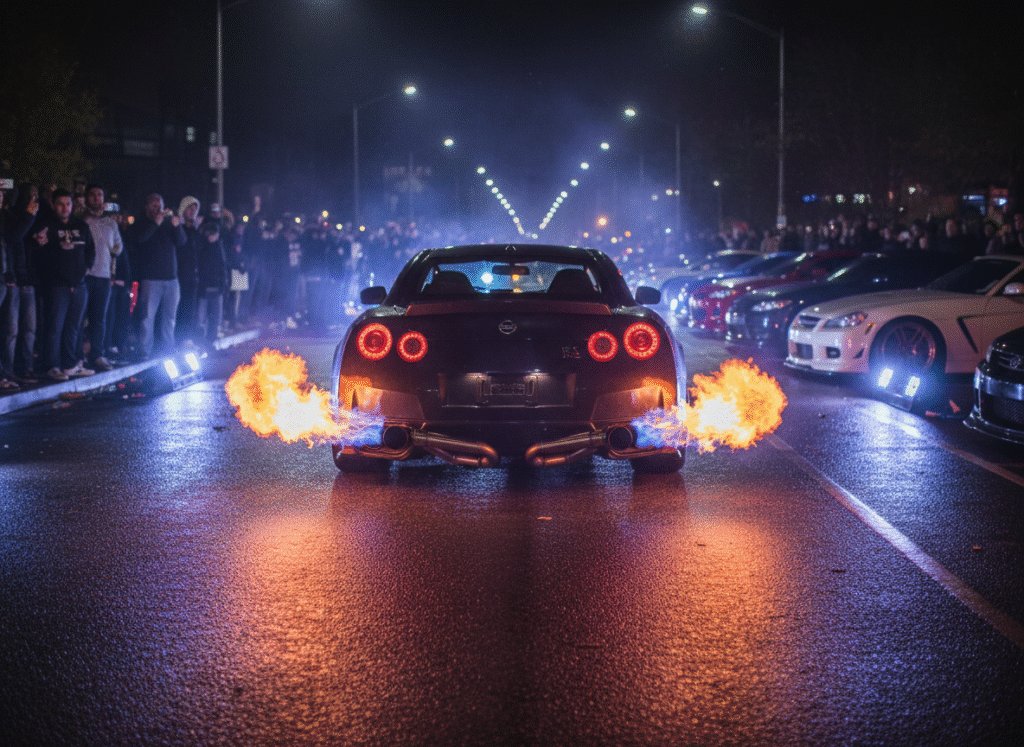
Pops and bangs happen when unburnt fuel ignites in the exhaust on overrun.
The remap allows fuel to pass through when you lift off the throttle.
The sound itself is combustion in the exhaust system, not inside the engine cylinders.
That distinction matters when talking about damage.
Do pops and bangs damage the engine?
In most cases, engine internals are not the first thing to suffer.
Pistons, rods, and crankshafts are not directly harmed by crackles.
Where risk really sits
- Extra heat in the exhaust system.
- Stress on turbo components.
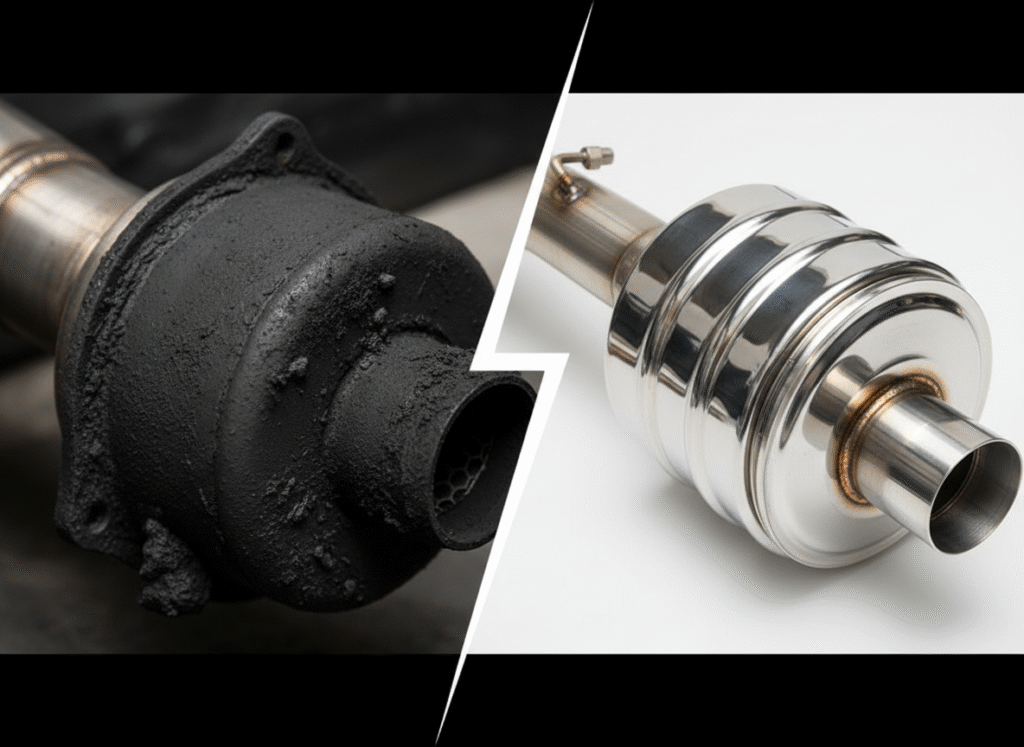
- Increased load on catalytic converters.
This is why setup matters more than volume.
A mild overrun tune behaves very differently to a full-time fireworks map.
What parts take the most strain
Exhaust and catalysts
Excess fuel burning in the exhaust increases heat.
Over time this can shorten catalyst life.
Turbocharger
Aggressive overrun can raise exhaust gas temperatures around the turbo.
Healthy turbos cope better than worn ones.
DPF-equipped cars
Pops and bangs are usually restricted or avoided on DPF vehicles for good reason.
If your car still has emissions equipment fitted, read:
are pops and bangs legal in the UK.
How to keep pops and bangs sensible
- Limit crackles to higher RPM ranges.
- Avoid constant fuel on light throttle lift.
- Use modes or switchable settings where possible.
- Combine with a health check before enabling.
- Accept that louder is not always better.
A well-balanced setup often pairs best with a standard performance tune:
Stage 1 remap.
When pops and bangs are a bad idea
- Worn turbo or boost control issues.
- DPF still fitted and active.
- Already high exhaust gas temperatures.
- Daily stop-start driving with no warm-up.
If you want sound without stress, talk through options before booking:
contact Leicester Remaps.
Want crackles without regret?
We will set expectations clearly and tune within sensible limits for your car.
Mobile service across Leicester and the wider Midlands, including Coventry, Tamworth, and parts of Birmingham.