Common Reasons AdBlue Warnings Keep Returning
Clearing an AdBlue warning only for it to come back days or weeks later is one of the most frustrating
issues modern diesel drivers face. Many owners assume the problem has been fixed,
only to be hit with the same warning, countdown, or emissions fault again.
This guide explains why AdBlue warnings keep returning,
what the system is actually reacting to,
and how proper diagnostics help decide between repair or software-based solutions.
Why AdBlue Problems Rarely Fix Themselves
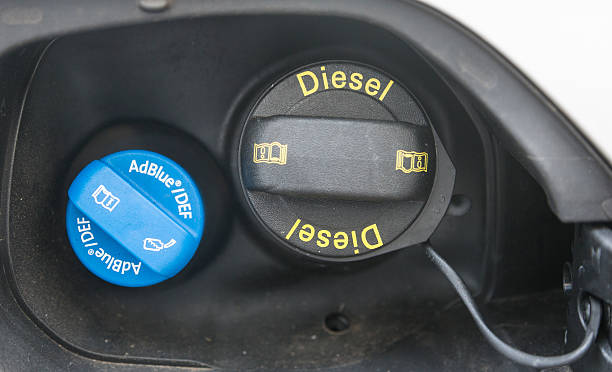
The AdBlue system is not a simple fluid level warning.
It is part of the SCR system, which constantly checks whether emissions targets are being met.
When a warning appears, the ECU has already detected behaviour outside its expected range.
Clearing the fault does not remove the cause.
It only resets the message until the system checks again.
This is why AdBlue warnings often return after:
- A code clear
- A small top-up
- A short drive
- A temporary reset
The Difference Between a Warning and the Root Cause
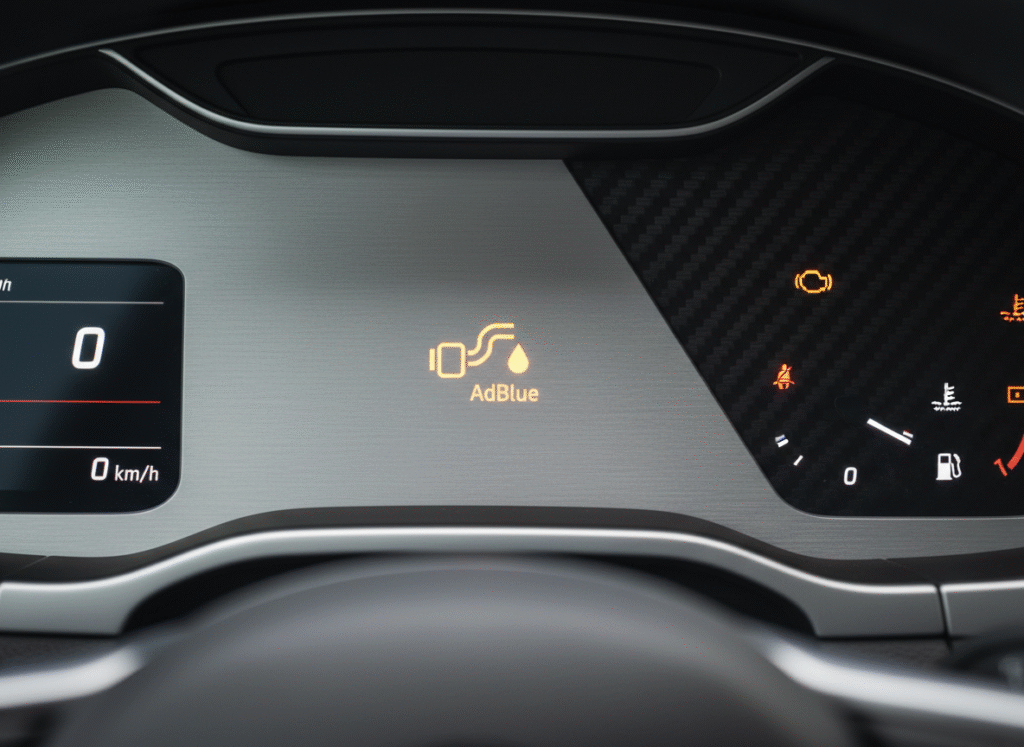
The dashboard message is the end result, not the problem itself.
The ECU monitors:
- AdBlue level
- Dosing quantity
- Injector operation
- NOx readings before and after the catalyst
- System temperatures
If these values do not align, the ECU assumes the SCR system is ineffective
and triggers warnings or countdowns.
1. AdBlue Level Not Registering Properly
One of the most common reasons warnings return is that the AdBlue level never registered correctly.
Many vehicles require a minimum amount of fluid to detect a level change.
Small top-ups often do nothing.
In some cases:
- The level sensor is slow or inaccurate
- The ECU requires a drive cycle to confirm the level
- The system still believes the tank is low
The warning clears briefly, then comes back once the ECU rechecks the data.
2. AdBlue Quality Faults
AdBlue quality warnings are often misunderstood.
The system does not directly test fluid purity.
It infers quality based on NOx reduction performance.
This means the warning can return even when:
- Correct AdBlue is used
- The fluid is new and sealed
- The tank is full
If dosing or sensors are not behaving as expected,
the ECU assumes the fluid is ineffective and flags a quality fault.
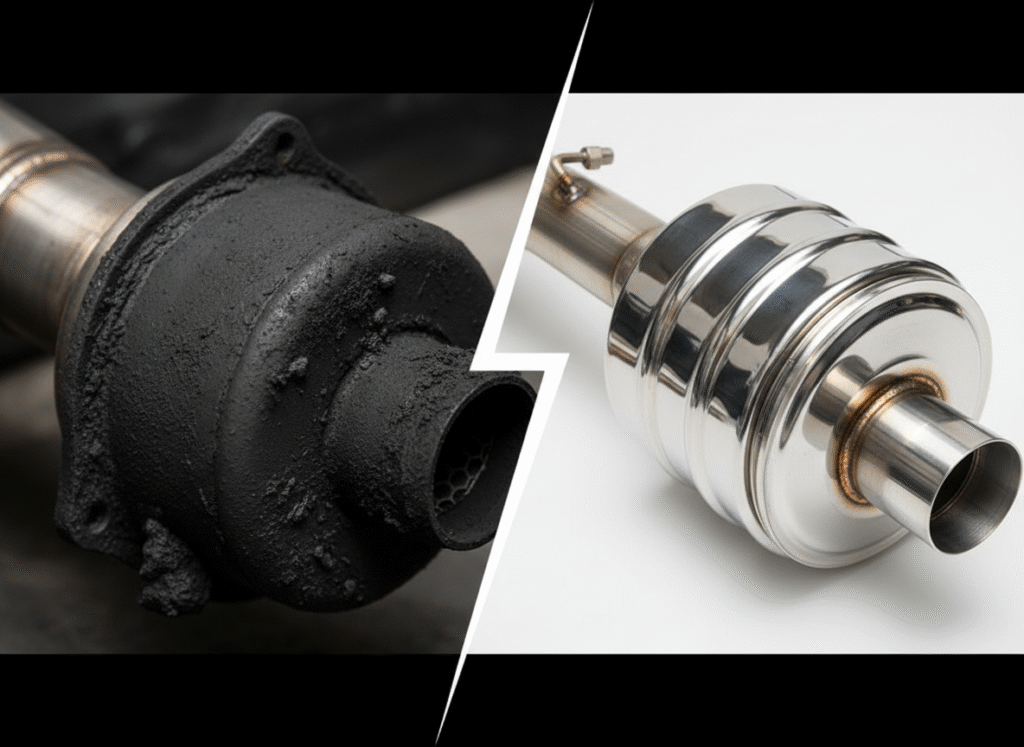
3. Crystallisation Inside the System
AdBlue crystallises when it dries.
This is a major cause of recurring issues.
Crystals can form in:
- The injector
- Dosing lines
- The pump
- Seals and connectors
Even if a fault is cleared,
restricted flow will cause the same issue to return.
Crystallisation is especially common on vehicles used for short journeys.
4. NOx Sensor Drift or Failure
NOx sensors are critical to the SCR system.
They tell the ECU whether emissions are being reduced correctly.
Over time, sensors can:
- Drift out of calibration
- Respond slowly
- Fail intermittently
This often causes warnings that appear, clear, and return unpredictably.
Because sensors are expensive,
many vehicles continue to run with marginal readings until the ECU enforces a countdown.
5. AdBlue Pump or Heater Problems
The AdBlue pump and heater are another common failure point.
The heater prevents the fluid from freezing in cold conditions.
The pump ensures accurate dosing.
Faults here often:
- Trigger warnings only in certain conditions
- Disappear when the vehicle warms up
- Return during cold starts
This leads to the false impression that the issue has been fixed.
6. Wiring and Connector Issues
AdBlue systems rely on multiple sensors and actuators.
Wiring faults are common but often overlooked.
Causes include:
- Water ingress
- Corrosion
- Heat damage
- Road debris impact
Intermittent wiring faults can make warnings appear and disappear randomly,
leading to repeated resets without resolution.
7. Incomplete Drive Cycles
After clearing faults or topping up AdBlue,
the ECU often needs a full drive cycle to confirm system performance.
Short journeys prevent:
- Stable exhaust temperatures
- Consistent dosing checks
- NOx comparison before and after the catalyst
The system flags the same fault again once monitoring resumes.
Why Clearing Codes Keeps Failing
Clearing codes only removes stored faults.
It does not change sensor behaviour or system performance.
The ECU will:
- Re-run its checks
- Compare live data
- Trigger the same warning
This is why repeated resets rarely solve AdBlue issues long-term.
How Proper AdBlue Diagnostics Help
Diagnostics go beyond fault codes.
A proper diagnostic session checks:
- Live NOx readings
- Dosing rates
- Temperature data
- System readiness states
- Historical fault patterns
This shows why the warning keeps returning,
not just what the dashboard reports.
Repair vs Software Solutions
Once the cause is confirmed, there are usually two routes.
Repair is the correct option for vehicles used on public roads.
This keeps the system operational and compliant.
Software solutions are sometimes considered for:
- Off-road vehicles
- Export vehicles
- Repeated failures where repair costs are no longer viable
The key is understanding the situation fully before deciding.
Why AdBlue Problems Are So Common on Work Vans
Work vans often:
- Do short journeys
- Idle frequently
- Operate in stop-start traffic
- Carry variable loads
These conditions are exactly what the AdBlue system struggles with.
This explains why warnings often return even after initial fixes.
Mobile AdBlue Diagnostics in Leicester
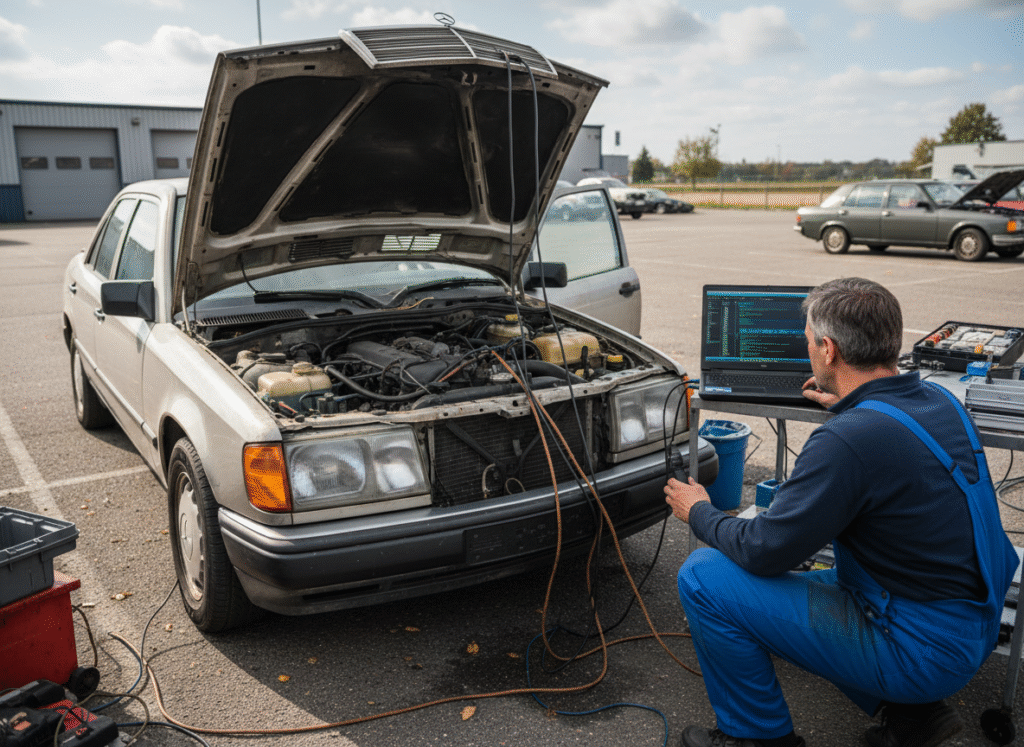
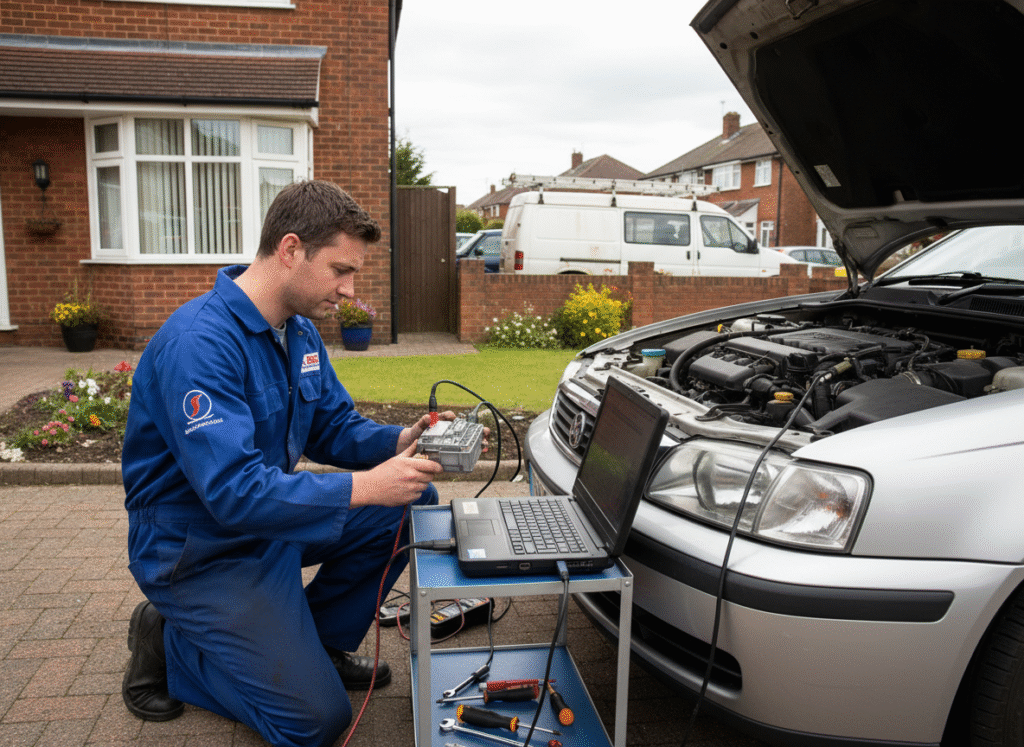
Mobile diagnostics allow the system to be checked where the vehicle is actually used.
This helps identify:
- Usage-related faults
- Environmental triggers
- Intermittent issues
Problems can be identified without taking the vehicle off the road unnecessarily.
Final Thoughts
AdBlue warnings that keep returning are not random.
They are the result of unresolved system behaviour that the ECU continues to detect.
Understanding the underlying cause is the only way to stop the cycle of resets and warnings.
Diagnostics provide clarity.
From there, the right decision becomes much easier.