AdBlue Delete Disadvantages: The Risks No One Tells You About
Primary keyword: AdBlue delete disadvantages • Updated for: 2025
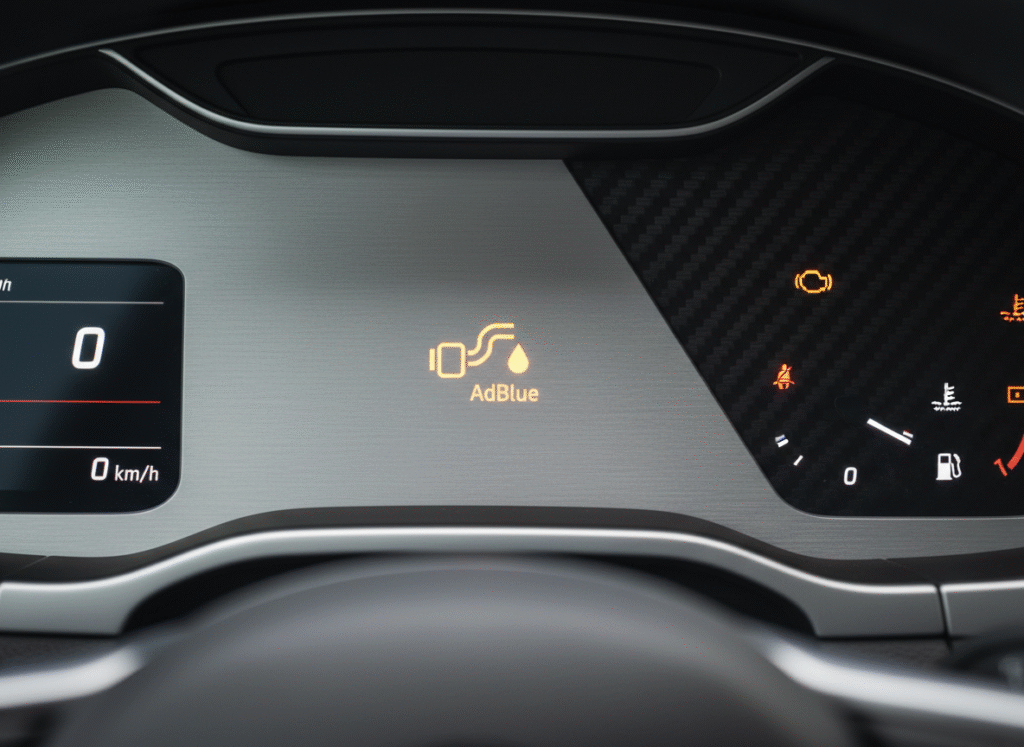
When you’re staring at constant AdBlue warnings and scary “no engine start” messages, a cheap AdBlue delete can look very tempting. Search results are full of people saying it’s the “best thing they ever did” – but you rarely see the full list of AdBlue delete disadvantages.
This guide walks through the real‑world risks we see in the workshop: legal, financial and mechanical. If you’re weighing up your options, it’s worth reading this before you spend a penny – and before you decide whether to talk to a specialist like Leicester Remaps’ AdBlue solutions team.
1. How AdBlue deletes and emulators actually work
Most AdBlue deletes fall into two camps:
- Software map‑outs – the tuner edits the ECU file so it stops looking for AdBlue system feedback and no longer logs certain faults.
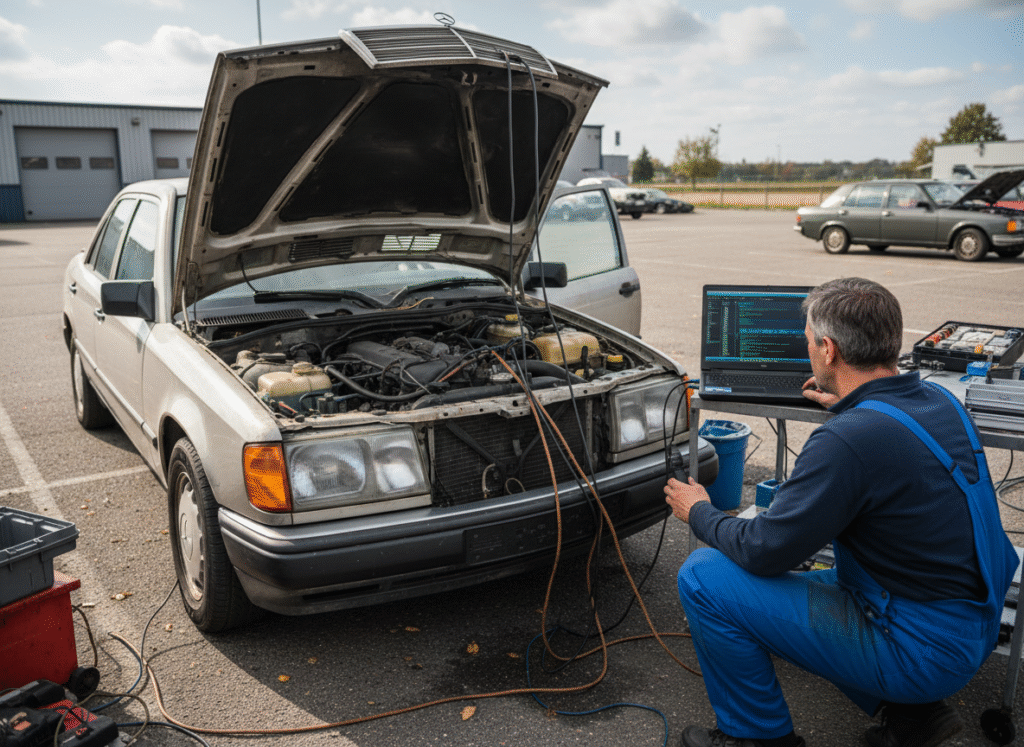
- Emulator boxes – a device is wired into the system to “pretend” the tank, pump and sensors are working, even if they’re not.
In both cases, the goal is to silence the warnings and stop the vehicle going into limp mode or refusing to start. What they don’t tell you is that the underlying fault is still there – and the vehicle is now running outside the emissions standards it was approved for.
If you’re not sure how the system is meant to work in the first place, our guide to common AdBlue system faults is a good starting point.
2. Legal and MOT disadvantages of AdBlue delete
The biggest disadvantage is simple: in the UK, permanently disabling or removing AdBlue on a road‑going vehicle is not legal.
- UK regulations treat AdBlue/SCR as part of the vehicle’s emissions control equipment. Removing or disabling it breaches those rules.
- MOT testers are instructed to fail vehicles where emissions systems have clearly been tampered with or removed.
- DVSA has already run enforcement campaigns against AdBlue emulators on HGVs and buses – and light vehicles are not immune from checks.
That means an AdBlue delete can lead to:
- MOT failures and re‑test fees.
- Prohibition notices or fines if the vehicle is inspected at the roadside.
- Potential action against operators in the case of fleets and work vans.
For a full breakdown of the legal side, see our dedicated article Is AdBlue delete legal in the UK? 2025 driver’s guide .
3. Insurance and liability risks
Another major disadvantage is how an undeclared AdBlue delete can affect your insurance:
- Most policies require you to declare material modifications. An AdBlue delete is a clear change to the emissions system.
- If a serious accident leads to an engineer’s report, a visible emulator box or obvious software tampering can give your insurer grounds to refuse a claim.
- In a worst‑case scenario, you could be personally liable for third‑party costs if the insurer walks away.
None of that is mentioned in the original “£200 delete” quote – but it’s a very real risk we think drivers should understand before making a decision.
4. Technical downsides and reliability issues
From a mechanical and electronic point of view, AdBlue deletes introduce their own set of problems.
4.1 Hiding real faults instead of fixing them
The most obvious disadvantage is that a delete hides the symptoms, not the cause. Common issues
like:
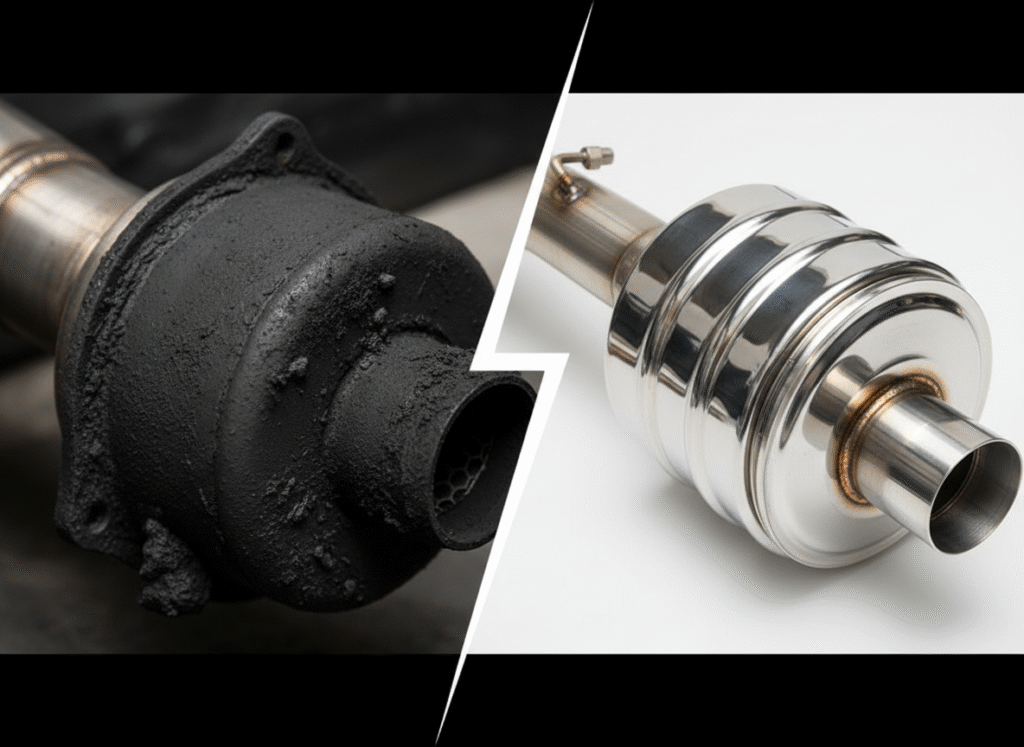
- Crystallised AdBlue blocking injectors or lines.
- Failing NOx sensors.
- Tank heater or pump problems.
are still there in the background. If those faults start to affect other parts of the exhaust or engine, you’ll
never see the early warnings – only the expensive damage later.
4.2 Poor‑quality software and wiring
Many cheap deletes and emulator installs involve:
- Cutting into factory wiring looms.
- Using low‑quality connectors or insulation.
- Flashing untested remap files from unknown sources.
We regularly see vehicles in the workshop where the delete itself has caused:
- Intermittent electrical faults and random warning lights.
- Communication issues between control modules.
- Unstable running, poor fuel economy or smoke.
4.3 Harder diagnostics in future
Once an emulator or bad remap has been fitted, future diagnostics become more complicated and expensive. Before
we can see what’s really wrong, we often have to:
- Remove the emulator and repair wiring.
- Restore the ECU to a known‑good software state.
- Re‑run all tests from scratch.
5. The long‑term financial cost vs a proper fix
On paper, a £200 delete looks cheaper than a £600 repair. But once you factor in the disadvantages above, the numbers change:
- MOT failures and re‑tests.
- Potential fines or prohibition notices.
- Extra labour later to undo the delete and diagnose the original fault.
- Higher risk of expensive engine or exhaust damage if faults go unnoticed.
In many cases, the total cost of “delete now, fix properly later” ends up higher than simply diagnosing and repairing the AdBlue system correctly the first time.
Our article on AdBlue delete cost near me – what drivers really pay in 2025 breaks down these numbers in more detail.
6. Environmental and reputation impact
While it’s not always top of mind when you’re facing a big repair bill, there are also environmental and reputation downsides:
- A deleted AdBlue system can emit many times more NOx than a compliant vehicle, especially in urban areas.
- For businesses and fleets, being associated with emissions tampering can damage brand reputation if it ever becomes public.
- Some low‑emission zones and future regulations may become stricter, making non‑compliant vehicles harder to use or sell.
7. Better alternatives to risky AdBlue delete
If you’re mainly considering a delete because you’re fed up with faults and downtime, there are usually better options:
7.1 Proper diagnostics and targeted repair
In many cases, the real fault is a NOx sensor, injector, heater or wiring issue. Once diagnosed
correctly, repairing that part can restore normal operation without touching the rest of the system.
7.2 Manufacturer or goodwill support
Some manufacturers have known issues with certain AdBlue components. Dealers may offer:
- Extended warranty repairs.
- Goodwill contributions to parts or labour.
- Software updates that improve reliability.
7.3 Diagnostic‑led AdBlue solutions from Leicester Remaps
At Leicester Remaps we focus on solutions that:
- Start with proper diagnostics, not guesswork.
- Keep the vehicle road‑legal and MOT‑compliant.
- Balance repair cost, reliability and how you actually use the vehicle.
You can see an overview of what we offer on our
AdBlue solutions service page
, and we also provide brand‑specific information for:
8. Next steps if you’re already considering a delete
If you’ve been quoted for an AdBlue delete or emulator, or you’re already driving a vehicle that’s been modified, the best next step is to get some honest, technical advice.
Leicester Remaps can:
- Check the current state of your AdBlue and emissions systems.
- Identify any existing deletes or emulator boxes and explain your options.
- Help you move towards a solution that keeps you on the right side of UK law.
To get started, you can:
- Read our 2025 AdBlue delete legality guide for more detail on the rules.
- Visit the AdBlue solutions page to see how we approach diagnostics and repair.
- Use the details on our contact page to request a quote or book diagnostics.
Understanding the full list of AdBlue delete disadvantages makes it much easier to choose a repair path that protects your wallet, your vehicle and your licence in the long run.