“
What Is Limp Mode? Causes, Symptoms, and How to Fix It
Sudden loss of power. Limited revs. The car feels flat and slow.
Limp mode protects the engine, but it also tells you something is wrong. Here is how to deal with it properly.
Limp mode feels like your car has suddenly lost half its engine.
Acceleration disappears, the gearbox behaves oddly, and you might not get past 2,500–3,000 rpm.
It is not random.
The ECU switches to a reduced-power strategy to protect the engine and emissions system.
Your job is to work out why it triggered.
What limp mode usually means
- The ECU detected readings outside safe limits.
- The car can still move, but only to get you home or to a garage.
- Clearing codes without fixing the cause often brings it back.
If you are thinking about tuning but the car already feels down on power, fix limp mode first.
Then consider performance work later:
Stage 1 remap.
Common limp mode symptoms
Power drop
The car struggles to accelerate and feels flat in every gear.
Limited revs
The engine hits a ceiling and will not rev freely.
Warning lights
Engine management, DPF, AdBlue, or glow plug lights can appear.
Gearbox behaviour
Autos may hold gears or shift harshly because torque control changes.
The most common causes of limp mode
Limp mode triggers come in patterns.
Most are linked to air, fuel, boost control, or emissions readings.
Boost leaks and underboost
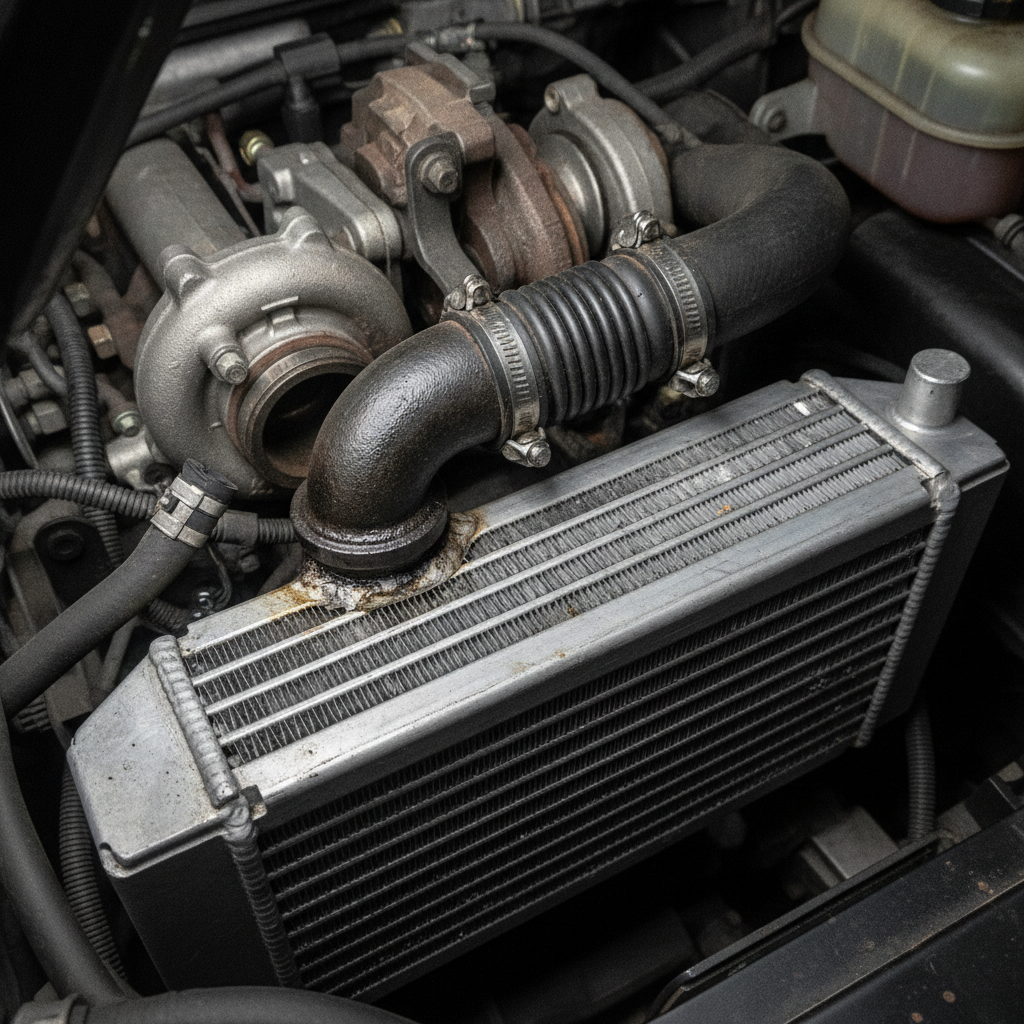
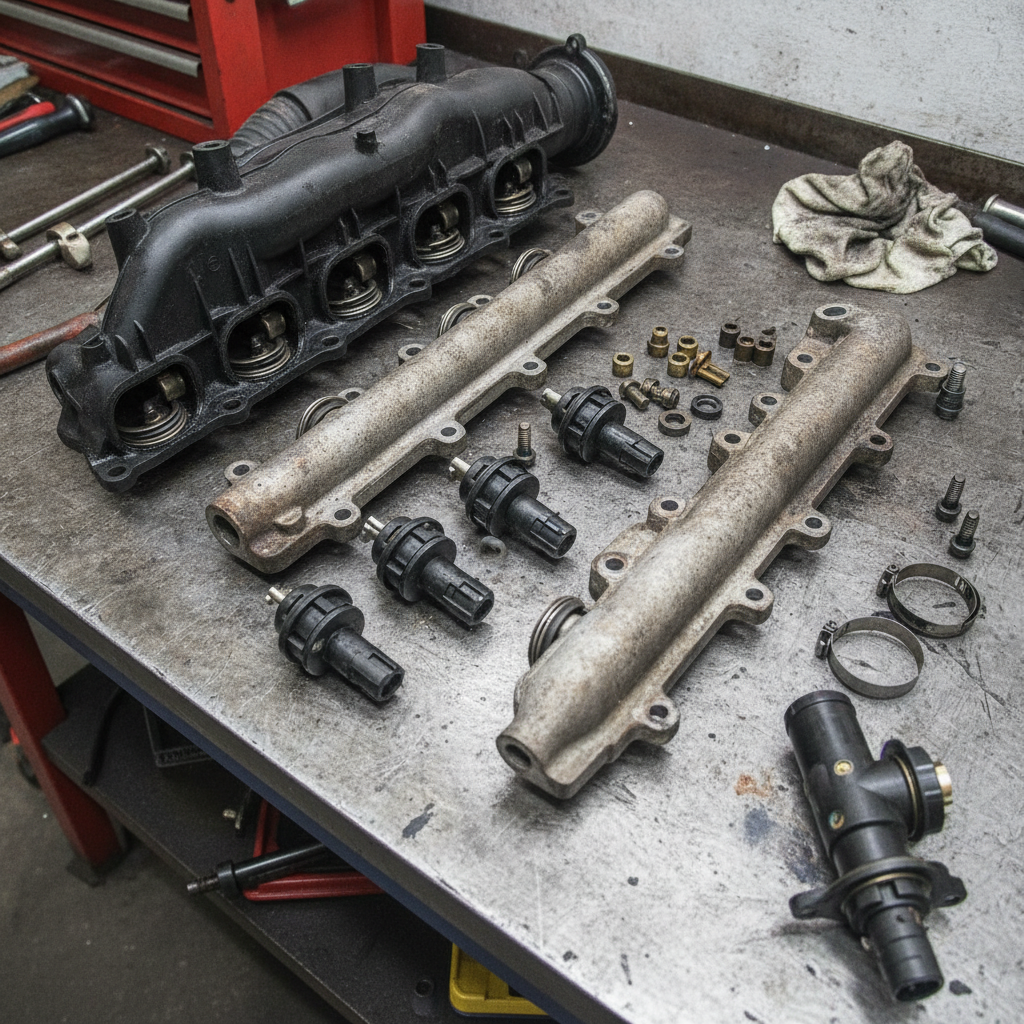
Split intercooler hose, loose clamps, or a weak actuator can drop boost and trigger protection.
Overboost and sticky turbo vanes
The turbo makes too much boost or cannot control it, so the ECU pulls power to protect the engine.
DPF restriction
High soot load or failed regen can force limp mode, especially under load or at speed.
EGR faults
Sticking valves and incorrect flow readings can cause hesitation, smoke, and reduced power strategies.
AdBlue and NOx issues
Some vehicles reduce power or start countdown behaviour when emissions readings do not match targets.
Sensor and wiring faults
MAF, MAP, boost sensors, and wiring issues can send the ECU unreliable data and trigger limp mode.
Useful deep dives:
DPF solutions,
EGR solutions,
AdBlue solutions.
What to do when limp mode starts
- Stay calm and drive gently. Avoid hard acceleration.
- Check for obvious issues: loose hoses, heavy smoke, overheating.
- Do not keep cycling the ignition hoping it “fixes itself”.
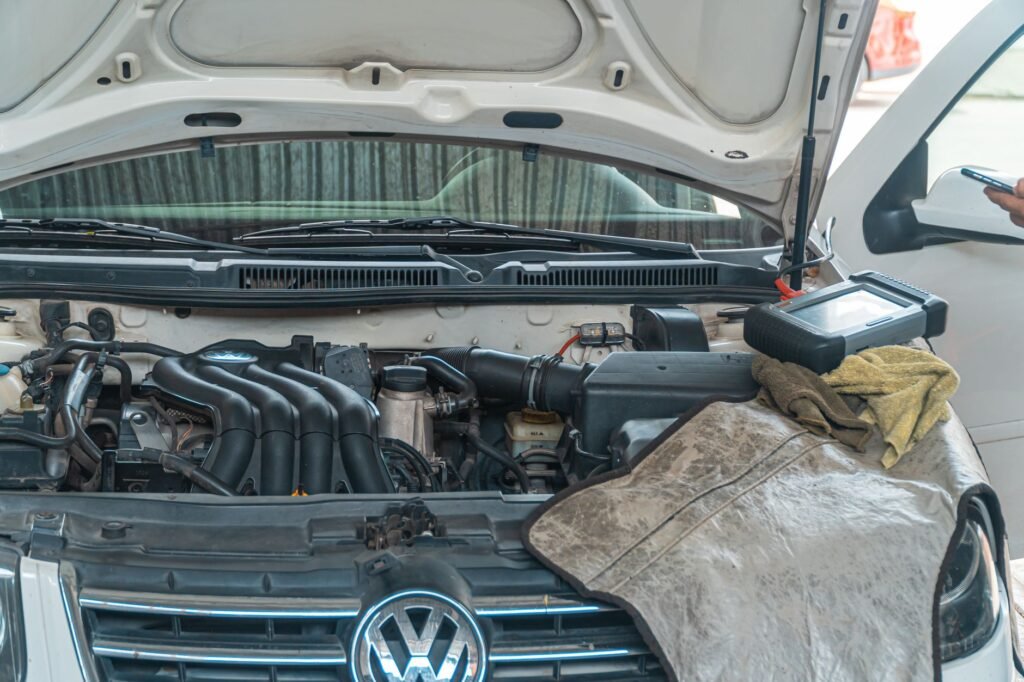
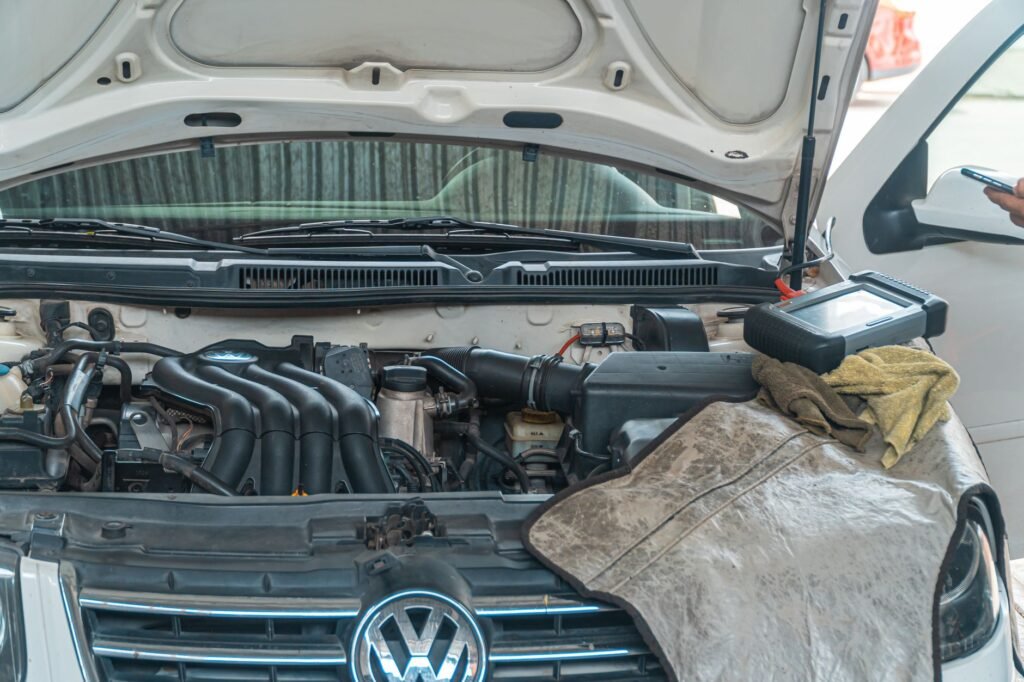
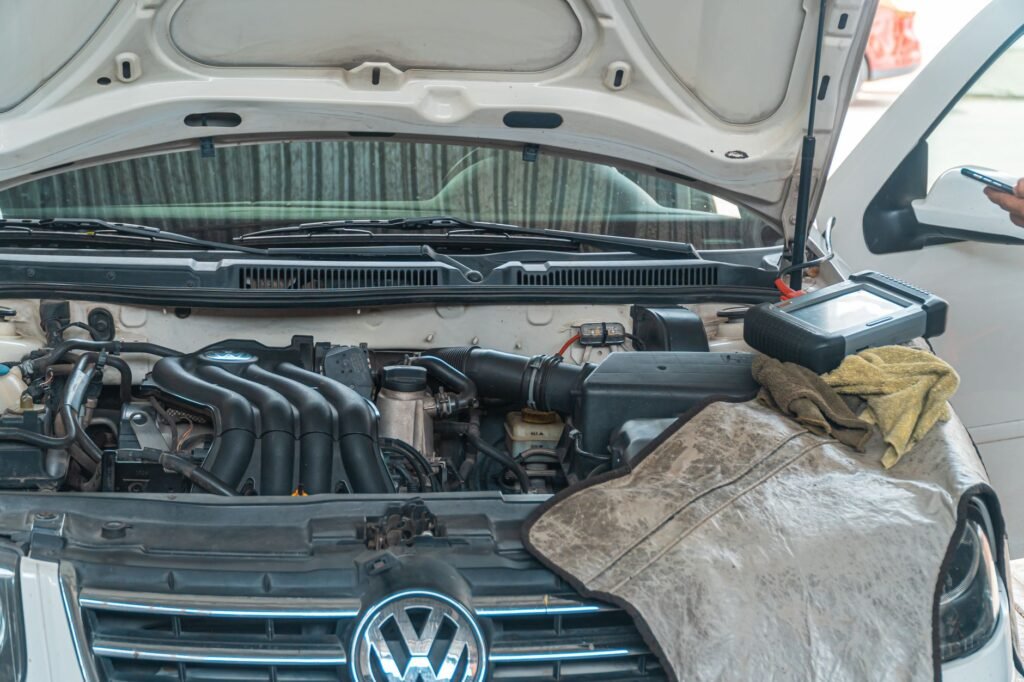
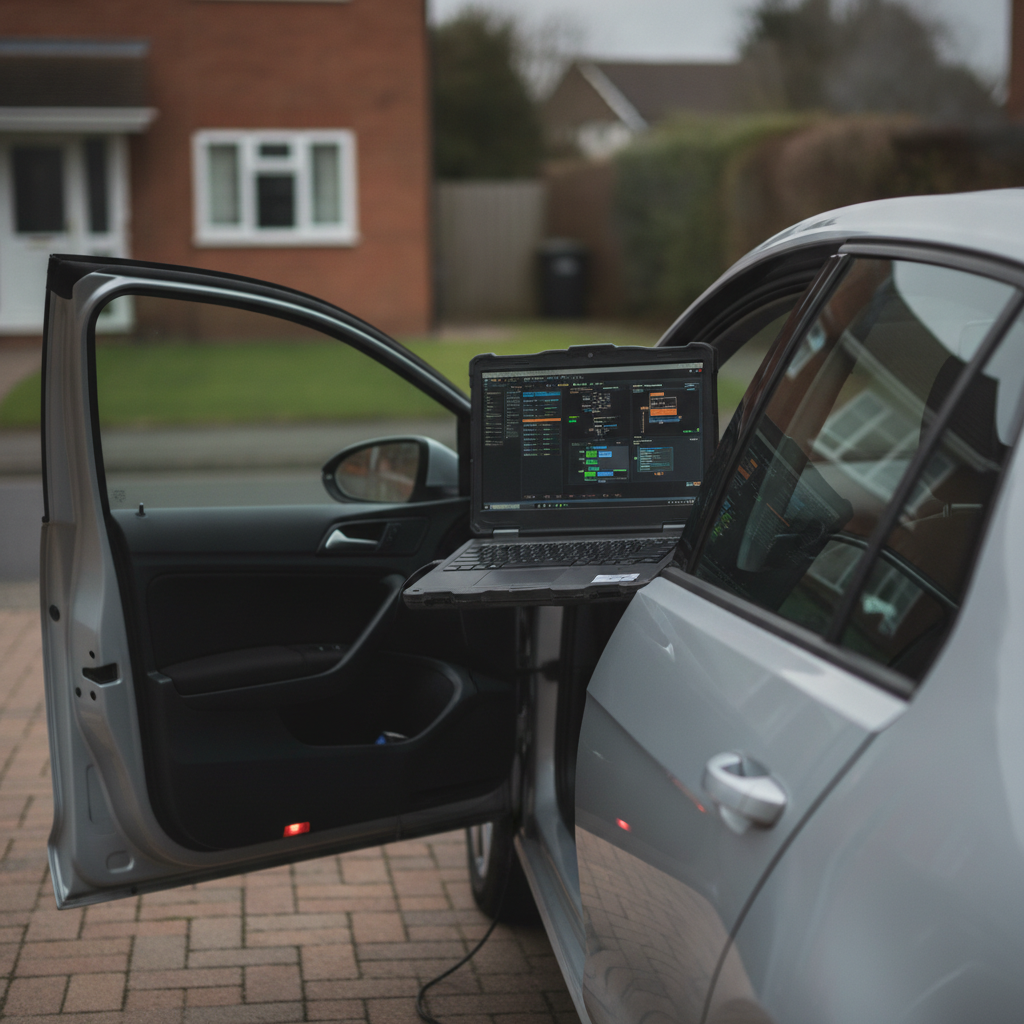
- Get a diagnostic scan and read stored codes and live data.
- Fix the cause, then clear faults and road test properly.
If you have a DPF light on as well, this guide helps:
what to do when the DPF light comes on.
Why a scan tool alone is not enough
Limp mode codes often point to the system, not the cause.
Example: “underboost” might be a split hose, a sticky actuator, a sensor reading wrong, or a control issue.
The fix depends on proof.
Freeze-frame data
Shows what the car was doing when the fault triggered. Speed, load, temps, boost, and more.
Live readings
Confirms if target boost matches actual boost, and whether sensors behave logically.
Physical checks
Hoses, clamps, wiring, vacuum lines, and leaks can cause most limp mode triggers.
If you want to tune but your car already shows warning lights, get the base right first.
Mobile support here:
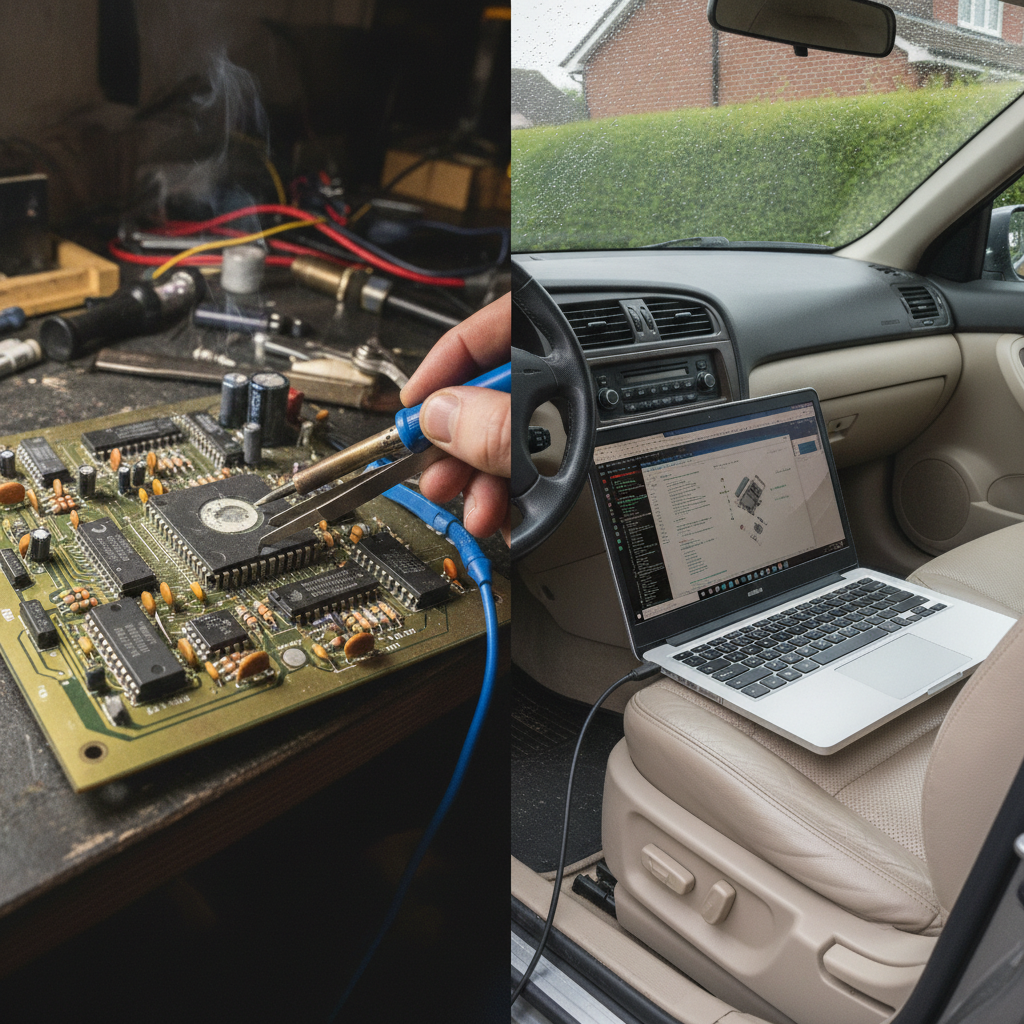
mobile ECU remapping.
Limp mode keeps coming back? Let’s diagnose it properly.
Send us your symptoms and any fault codes you have.
We will tell you the next best step and get you booked in if needed.
Mobile service across Leicester and the wider Midlands, including Coventry, Tamworth, and parts of Birmingham.
“