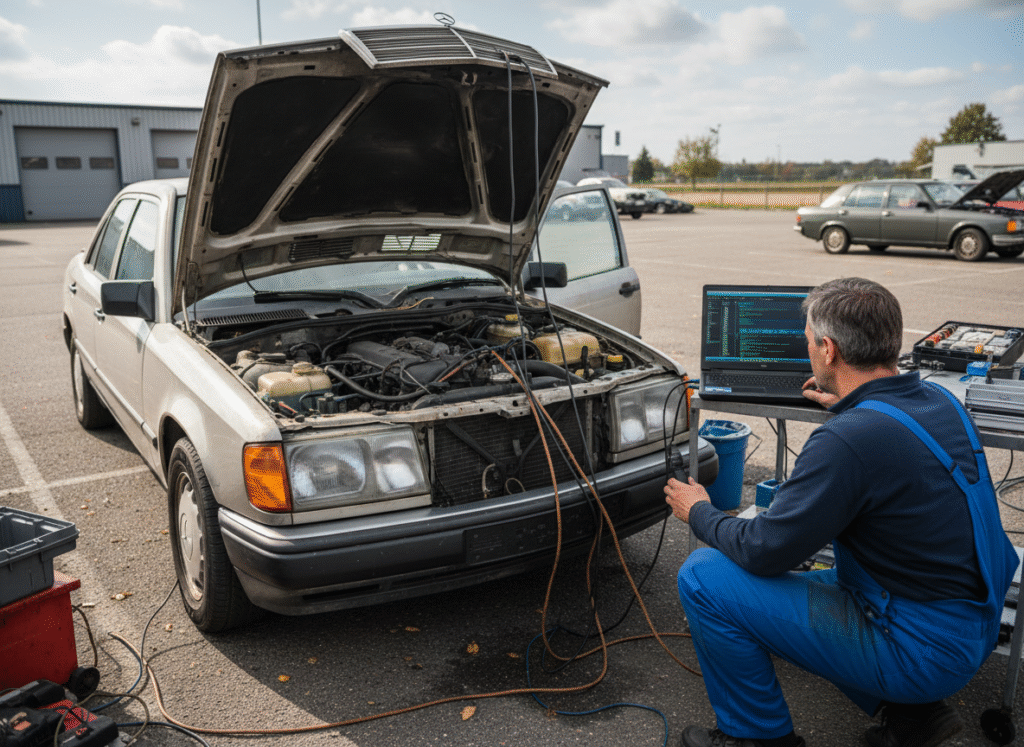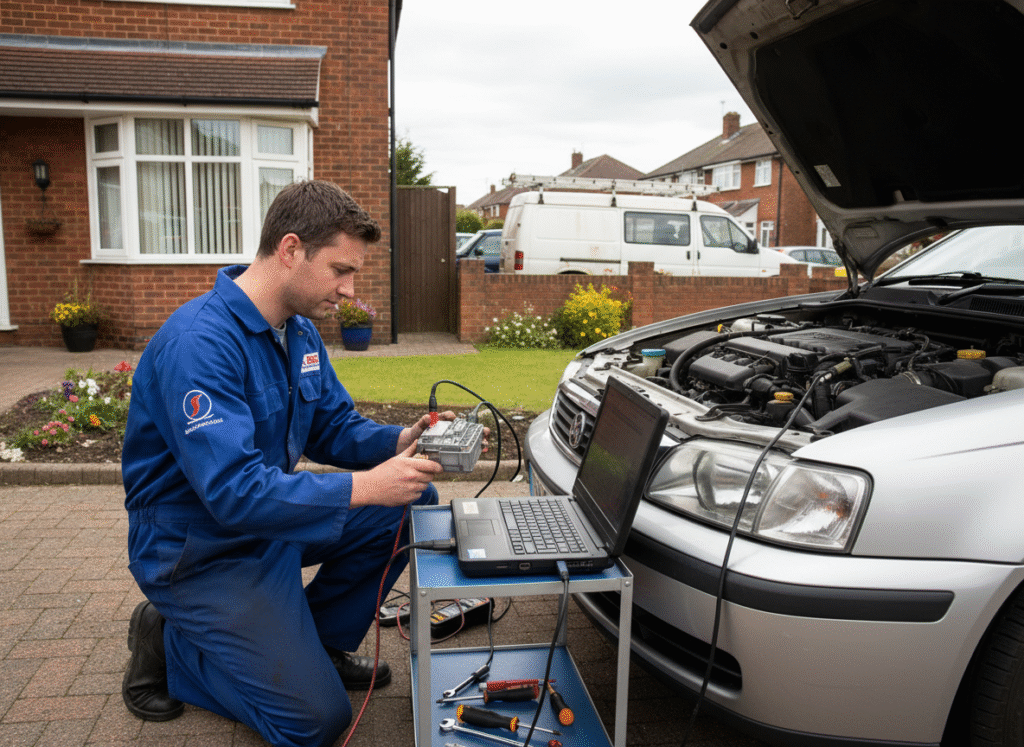
Learning ECU Remapping for Cars is a powerful tool for enhancing vehicle performance, improving fuel efficiency, and optimizing engine parameters. Whether you’re a car enthusiast or an aspiring automotive technician, learning about ECU remapping can open up exciting opportunities in the automotive world. This comprehensive guide will take you through the essential steps to start learning ECU remapping from scratch.
Understanding the Basics of the ECU
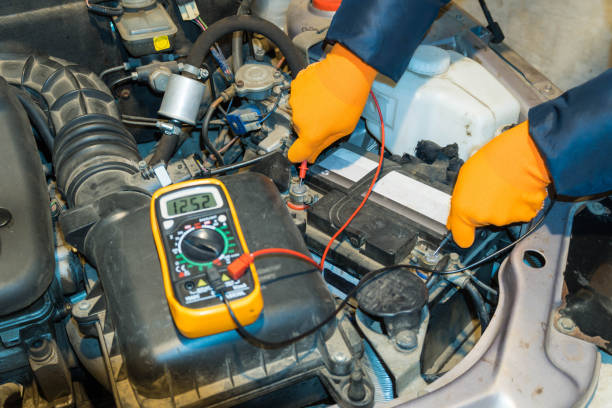
What is an ECU?
The Engine Control Unit (ECU) is a vital component in modern vehicles. It acts as the brain of the engine, processing data from various sensors to regulate engine functions such as fuel injection, ignition timing, and emissions control. Understanding the ECU’s role is crucial before diving into remapping.
Types of ECUs
- Standard ECUs: These are factory-installed units that control engine functions based on preset parameters.
- Aftermarket ECUs: These units can replace standard ECUs and offer advanced tuning options for performance enthusiasts.
Importance of ECU Remapping
Remapping the ECU involves modifying its software to optimize engine performance. This can lead to:
- Increased horsepower and torque
- Improved throttle response
- Enhanced fuel efficiency
- Customization for specific driving conditions
Getting Started with ECU Remapping
Step 1: Educate Yourself on Automotive Basics
Before diving into ECU remapping, it’s essential to have a solid foundation in automotive knowledge. Here are some areas to focus on:
- Engine Fundamentals: Understand how internal combustion engines work, including the four-stroke cycle, fuel types, and combustion processes.
- Automotive Systems: Familiarize yourself with key systems, such as fuel delivery, ignition, exhaust, and intake systems.
Step 2: Learn About Engine Management Systems
Understanding how engine management systems work is crucial for effective ECU remapping. Focus on the following areas:
- Sensors: Learn about the various sensors (e.g., MAF, MAP, O2 sensors) and their functions.
- Actuators: Understand how the ECU uses data from sensors to control actuators like fuel injectors and ignition coils.
Step 3: Explore Tuning Principles
Once you have a grasp of automotive basics, start exploring the principles of tuning:
- Air-Fuel Ratio (AFR): Understand the significance of maintaining the correct air-fuel mixture for optimal performance.
- Ignition Timing: Learn how adjusting ignition timing can affect engine performance and efficiency.
- Boost Control: If you’re dealing with turbocharged vehicles, familiarize yourself with boost pressure and how to manage it.
Hands-On Learning
Step 4: Get the Right Tools
To start remapping an ECU, you’ll need some essential tools:
- OBD-II Scanner: This device allows you to read and clear diagnostic trouble codes and monitor real-time data.
- Tuning Software: Choose software compatible with the vehicles you plan to work on. Some popular options include HP Tuners, EFI Live, and EcuTek.
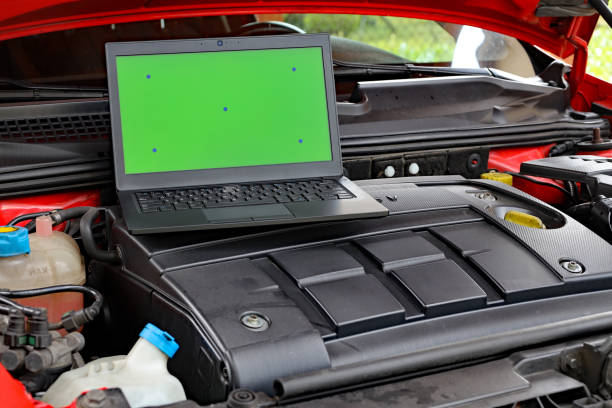
- Laptop or PC: Ensure you have a reliable computer to run your tuning software.
Step 5: Choose Your Vehicle
Start with a vehicle that you own or have access to for learning purposes. Opt for a model with a well-documented tuning community, as this will provide valuable resources and support.
Step 6: Research Community Resources
Join online forums, social media groups, and local car clubs focused on ECU tuning. These communities are treasure troves of information, offering tutorials, tips, and shared experiences from fellow enthusiasts and professionals.
The Remapping Process
Step 7: Backup the Original ECU Map
Before making any changes, always back up the original ECU map. This allows you to revert to factory settings if needed. Most tuning software will have a function to read and save the current map.
Step 8: Analyze the Current Map
Examine the existing ECU map to understand how it operates. Look for:
- Fuel maps
- Ignition maps
- Torque limits
- Speed limits
Familiarize yourself with the parameters and how they affect engine performance.
Step 9: Make Adjustments
Begin making adjustments to the ECU map based on your goals. Here are some common modifications:
- Increasing Fuel Supply: Adjust the fuel maps to increase the amount of fuel injected, enhancing power output.
- Optimizing Ignition Timing: Modify the ignition maps to achieve better performance at different RPMs.
- Adjusting Boost Levels: For turbocharged vehicles, increase the boost pressure for greater power.
Step 10: Flash the New Map
Once you’ve made your changes, flash the new map onto the ECU using your tuning software. This process involves writing the modified map to the ECU’s memory.
Testing and Fine-Tuning
Step 11: Test Drive the Vehicle
After flashing the new map, take the vehicle for a test drive to evaluate performance changes. Pay attention to:
- Throttle response
- Acceleration
- Engine behavior under different loads
Step 12: Monitor Data
Utilize your OBD-II scanner to monitor real-time data during the test drive. Check parameters such as:
- AFR
- Boost pressure (if applicable)
- Engine temperature
Step 13: Make Further Adjustments
Based on your test drive and data analysis, make any necessary adjustments to the map. Fine-tuning may require multiple iterations to achieve optimal performance.
Safety and Legal Considerations
Understand Emissions Regulations
Before remapping a vehicle, familiarize yourself with local emissions regulations. Some modifications may violate legal standards, so ensure compliance with laws regarding emissions and modifications.
Prioritize Safety
Always prioritize safety when working on vehicles. Ensure the car is in good condition, and never attempt modifications beyond your skill level. If you’re unsure about a specific change, consult with professionals or experienced tuners.
Continuing Your Education

Step 14: Advanced Tuning Techniques
As you become more comfortable with basic ECU remapping, consider exploring advanced techniques such as:
- Dyno Tuning: Utilize a dynamometer to measure power output and make precise adjustments based on real-time data.
- Flex Fuel Tuning: Learn how to tune vehicles that can run on multiple fuel types, adjusting fuel maps for varying ethanol content.
Step 15: Certifications and Courses
Consider enrolling in automotive tuning courses or certification programs. Many institutions offer specialized training in ECU tuning, providing in-depth knowledge and hands-on experience.
Stay Updated on Technology
The automotive industry is constantly evolving, with new technologies and tuning strategies emerging regularly. Stay informed by following industry news, attending workshops, and participating in tuning events.
Conclusion
Learning ECU remapping for cars from scratch is an exciting journey that combines theoretical knowledge with hands-on experience. By following these steps and continuously honing your skills, you can unlock the potential of vehicle performance tuning. Whether for personal enjoyment or a professional career, mastering ECU remapping can lead to rewarding opportunities in the automotive field. Start your journey today and embrace the fascinating world of ECU tuning!