Buying a Used Car Already Remapped: What to Check
Buying a used car can be stressful at the best of times.
When you suspect the vehicle may already be remapped,
there are extra checks worth doing before you commit.
This guide explains how to spot a remapped car,
what risks and benefits to consider,
and how diagnostics can confirm what software is actually on the ECU.
Why Remapped Used Cars Are Common
ECU remapping has become mainstream.
Many owners choose a Stage 1 remap to improve drivability,
fuel economy, or towing performance.
When these cars are later sold,
the remap is often left in place.
Some sellers mention it.
Others do not even realise it has been done.
That means buyers regularly end up looking at cars
that are already running modified software.
Is Buying a Remapped Car a Bad Idea?
Not necessarily.
A well-tuned car that has been driven sensibly
can be just as reliable as a standard one.
The problem is uncertainty.
You need to know:
- Whether the car is actually remapped
- How aggressively it has been tuned
- Who carried out the work
Without that information,
you are guessing.
Signs a Used Car May Be Remapped
There are a few common clues that suggest a car may have been tuned.
None of these are conclusive on their own,
but several together can raise suspicion.
- Stronger than expected acceleration
- High torque at low RPM
- Improved fuel economy compared to official figures
- Aftermarket intake or exhaust modifications
- Seller mentions “mapped”, “tuned”, or “stage 1” in passing
Some remaps are very subtle,
especially on diesel vehicles.
Ask the Seller Directly
The simplest step is to ask.
A genuine seller should be upfront
if the car has been remapped.
Useful questions include:
- Has the ECU ever been modified?
- Was it a custom or generic file?
- Who carried out the remap?
- Was the car ever returned to stock?
Vague or evasive answers are a warning sign.
Check the Service History Carefully
A remap does not automatically void good maintenance.
In fact, many remapped cars are owned by enthusiasts
who service them more often than average.
Look for:
- Regular oil changes
- Gearbox servicing where applicable
- Evidence of preventative maintenance
Poor servicing matters far more than a sensible remap.
Insurance and Disclosure Considerations
One important point many buyers miss
is insurance disclosure.
If the car is remapped,
insurers usually expect this to be declared.
Before buying,
check:
- Whether the current policy lists a remap
- How much your premium may change
- If your insurer accepts remapped vehicles
Failing to declare a known modification
can cause issues later.
Does a Remap Increase Mechanical Risk?
A good remap stays within safe limits.
The risk usually comes from:
- Poor-quality tuning
- Excessive torque increases
- Lack of supporting maintenance
This is why confirmation matters.
How Diagnostics Can Confirm a Remap
The only reliable way to know
whether a car is remapped
is through diagnostics.
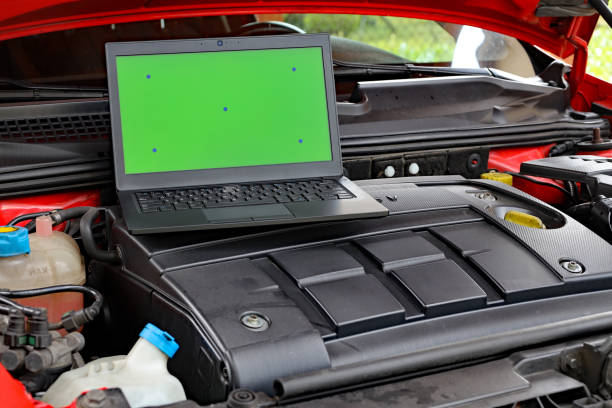
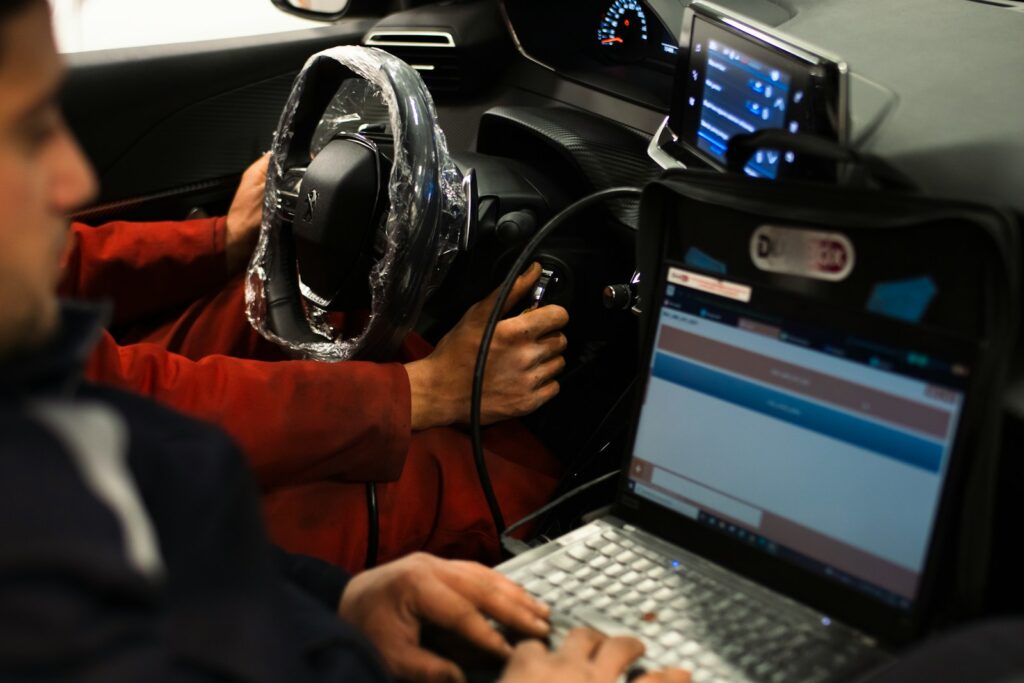
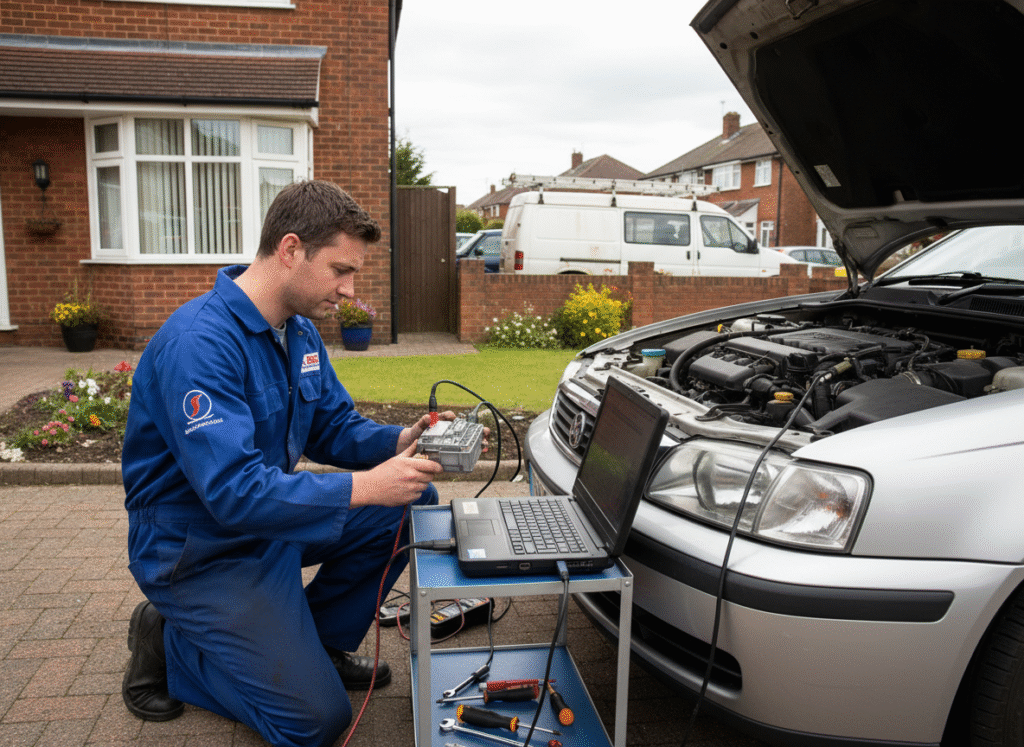
A professional ECU scan can:
- Identify software version changes
- Check flash counters
- Reveal ECU programming history
- Highlight hidden fault codes
This removes guesswork.
Dealer Tools vs Generic Scanners
Basic OBD scanners cannot detect remaps.
They only read fault codes.
Professional diagnostic tools
can access deeper ECU data
and compare software signatures.
This is the level of checking needed
when buying a potentially remapped vehicle.
Can the Car Be Returned to Stock?
In most cases, yes.
If the original software was saved,
the ECU can be restored to factory settings.
Even if it was not saved,
official stock files can usually be reloaded.
This is useful if:
- You want standard insurance terms
- You plan to sell the car later
- You prefer factory behaviour
Gearboxes and Remapped Used Cars
Automatic and manual gearboxes
both cope well with sensible remaps.
When buying used,
check for:
- Clutch slip on manuals
- Harsh or delayed shifts on automatics
- Judder under load
These issues are usually maintenance-related,
not remap-related.
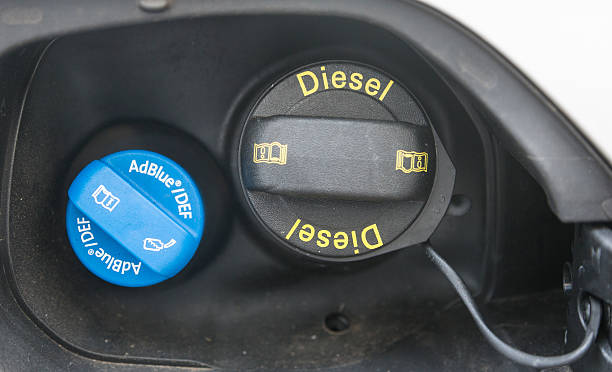
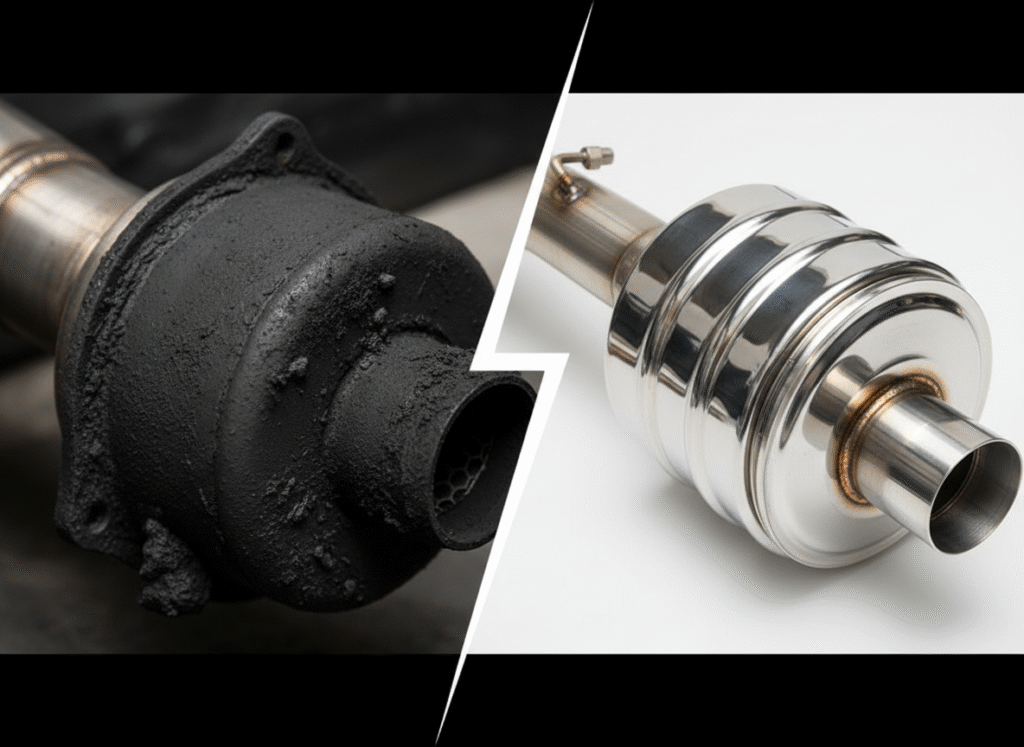
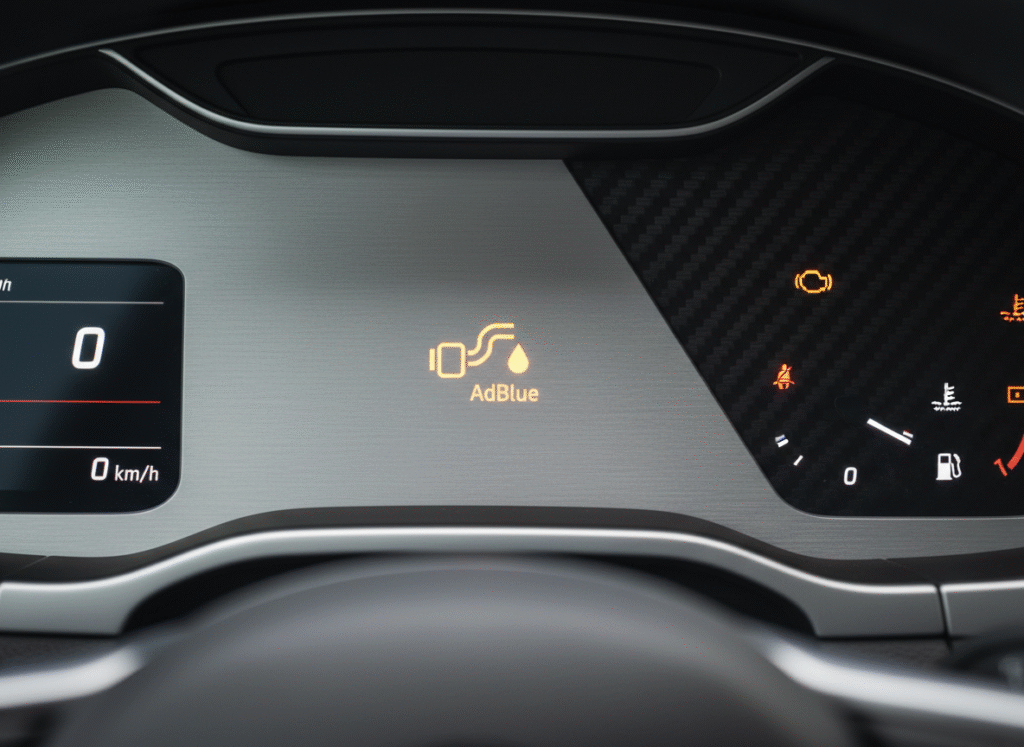
Diesel-Specific Checks
Many remapped used cars are diesels.
Pay close attention to:
Diagnostics can reveal
whether emissions systems are functioning correctly.
Should You Walk Away?
A remap alone is not a reason to walk away.
Red flags include:
- No service history
- Unknown tuning source
- Warning lights or limp mode
- Seller unwilling to allow diagnostics
In these cases,
it may be safer to keep looking.
Using Diagnostics Before You Buy
A pre-purchase diagnostic check
is one of the best investments you can make.
It provides clarity on:
- ECU software status
- Hidden faults
- Engine and gearbox health
This information gives you confidence
or a strong reason to negotiate.
Final Thoughts
Buying a used car that may already be remapped
is not automatically risky.
The key is knowing what you are buying.
With proper checks and professional diagnostics,
a remapped used car can be a strong,
reliable, and enjoyable purchase.
When in doubt,
confirmation is always better than assumption.